Do I Need a Licence for Bow Fishing? State Rules Vary
Bow fishing is a unique mix of archery and fishing, drawing in people who love both sports. Imagine standing on a dock or a boat, aiming at a fish gliding just below the water’s surface, and releasing an arrow instead of casting a line. It sounds exciting, and it is. But before you grab your bow and head to the nearest lake or river, you might wonder: Do I need a license for bow fishing? The answer isn’t always simple. Rules can change depending on where you live, what fish you target, and even the season. If you skip this step, you could face fines or lose your right to fish.
Bow fishing rules can feel confusing, especially for beginners. Some states see bow fishing like regular fishing. Others have special licenses, extra regulations, or banned areas. In this article, I’ll break down everything you need to know about bow fishing licenses in the United States.
I’ll use clear explanations, data, real examples, and a few first-hand tips. By the end, you’ll know how to enjoy bow fishing legally and safely, wherever you go.
What Is Bow Fishing?
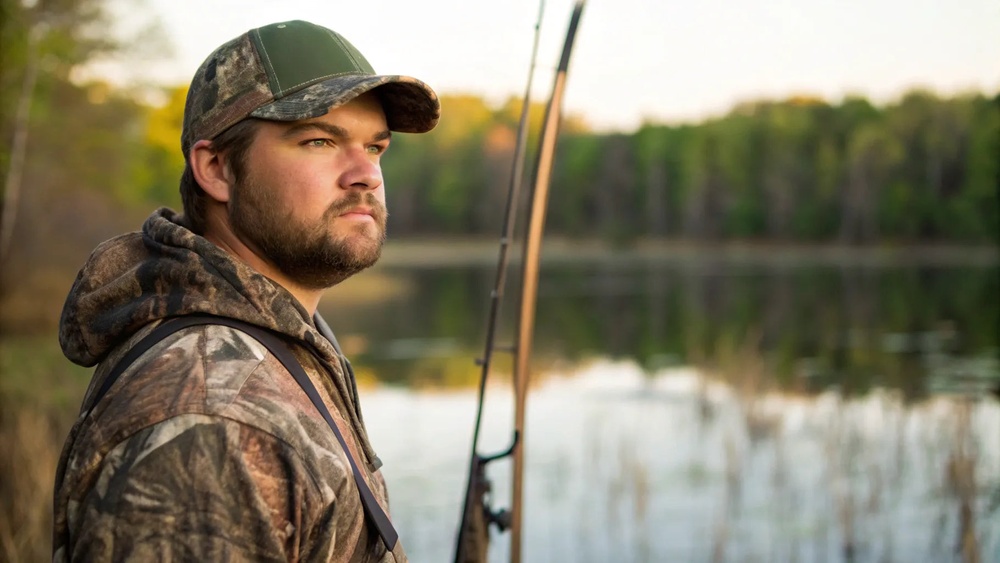
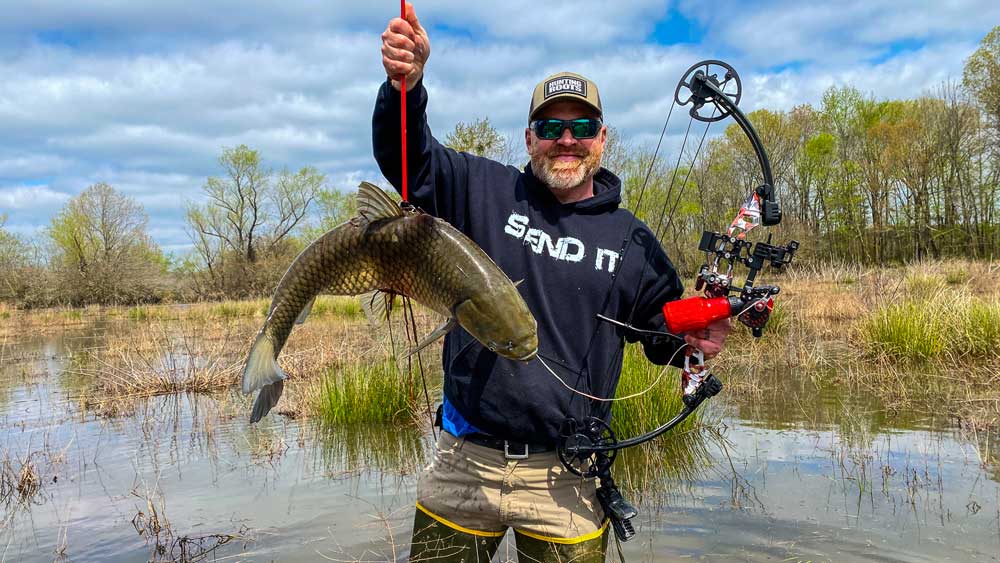
Bow fishing combines archery and fishing into one thrilling sport. Instead of a rod and reel, you use a specialized bow with a line attached to the arrow. You aim at fish in shallow water and shoot, pulling the fish in by the line.
People bow fish in lakes, rivers, ponds, and even saltwater areas. Popular target species include carp, gar, catfish, and sometimes even stingrays in coastal regions. Unlike traditional fishing, bow fishing is mostly a visual sport, you spot your target and react quickly.
Why Do People Bow Fish?
- Challenge: Hitting a moving fish underwater tests both aim and timing.
- Conservation: In some areas, bow fishing helps control populations of invasive fish.
- Fun: It’s fast-paced, different, and often social.
Pro Tip: Always check which fish are legal to take with a bow in your state. Some species are protected or have special rules.
Do You Need A License For Bow Fishing? The Simple Answer
In almost every US state, some kind of fishing license is required for bow fishing. Even though you use a bow instead of a rod, state agencies usually treat bow fishing under the same regulations as regular fishing. There are exceptions, but they’re rare.
The key question is: What kind of license do you need? This can depend on:
- Your age
- State of residence
- Freshwater vs. saltwater
- Target species
- Location (public or private waters)
Bow Fishing License: How It Compares
Here’s a quick comparison of license rules in three major fishing states:
| State | Bow Fishing License Required? | Special Permits? | Minimum Age |
|---|---|---|---|
| Texas | Yes, standard fishing license | Only for certain species | 17 (for residents) |
| Florida | Yes, freshwater or saltwater license | Yes, for some areas | 16 |
| Wisconsin | Yes, standard fishing license | No, but some waters restricted | 16 |
As you can see, the license for bow fishing is usually the same as for rod-and-reel fishing. But some states add special rules for certain fish or locations.
State-by-state License Requirements
Every state controls its own fishing rules. Most require a state-issued fishing license for bow fishing. Here’s how it works in several regions:
1. States Where Bow Fishing Uses Regular Fishing Licenses
The majority of states, including Texas, California, Illinois, and Minnesota, require you to have a standard fishing license. You buy it from the same agency as any other angler.
If you already fish with a rod, your license usually covers bow fishing too. There’s no separate “bow fishing license. ”
2. States With Extra Permits Or Restrictions
A few states add more steps:
- Florida: Both freshwater and saltwater bow fishing require the correct license. Some areas need extra permits, especially for certain fish like alligator gar.
- Louisiana: You need a basic fishing license, but some waters require a special gear permit for bows.
- New York: You need a regular fishing license, but some waters have extra restrictions or closed seasons for bow fishing.
3. States With Exceptions
Some states allow license-free fishing on special days (like “Free Fishing Days”), but bow fishing may or may not be included. Always check the fine print.
4. States With Age Exemptions
Nearly all states let children under a certain age fish without a license. For example, kids under 16 in most states don’t need a license for bow fishing. But once you’re an adult, the license is almost always required.
Example: Texas Bow Fishing License Rules
Texas Parks & Wildlife requires all bow fishers age 17 and up to have a valid fishing license. There’s no separate bow fishing license, but you must follow special rules for species like alligator gar. If you’re fishing in saltwater, you need a saltwater endorsement.
Key Factors That Affect Bow Fishing License Needs
1. Freshwater Vs. Saltwater
Most states issue separate licenses for freshwater and saltwater fishing. If you plan to bow fish in both, you may need two licenses.
- Freshwater bow fishing: Rivers, lakes, ponds.
- Saltwater bow fishing: Coastal areas, bays, some tidal rivers.
Some states (like Florida) are very strict about this. Fishing in the wrong area with the wrong license can lead to fines.
2. Target Species
Certain fish have special protections. For example:
- Game fish (like bass or trout) are often illegal to shoot with a bow.
- Rough fish (like carp, gar, suckers) are usually legal for bow fishing.
Pro Tip: Always check the latest fish list from your local wildlife agency. The rules can change yearly.
3. Public Vs. Private Water
If you bow fish on private land (like a stocked pond), some states let the landowner and their guests fish without a license. But this doesn’t apply everywhere, and local rules can override state law.
4. Special Seasons And Areas
Some lakes or rivers have closed seasons for bow fishing to protect spawning fish. Others may ban bow fishing in certain zones, like swimming beaches or near dams.
5. Residency Status
Most states offer resident and non-resident licenses. Non-residents pay more, and the rules for out-of-state visitors can be stricter.
Here’s a quick cost comparison for residents vs. non-residents:
| State | Resident License Cost (Annual) | Non-Resident License Cost (Annual) |
|---|---|---|
| Texas | $30 | $58 |
| Florida | $17 | $47 |
| Michigan | $26 | $76 |
How To Get A Bow Fishing License
The process is usually simple and similar to regular fishing licenses.
- Choose your state: Visit your state’s wildlife agency website.
- Select the right license: Decide if you need a freshwater, saltwater, or combination license.
- Check for add-ons: Some areas require extra permits for certain fish or equipment.
- Buy online or in person: Most states offer instant online purchasing.
- Carry proof: Print your license or download it to your phone.
Pro Tip: Some states require you to display your license while bow fishing. Others just require you to have it with you.
Common Mistakes Beginners Make
1. Not Checking Local Rules
Even if you have a license, local counties or cities may have extra restrictions. For example, shooting bows may be banned near public parks or certain docks.
2. Shooting Protected Fish
Many beginners don’t realize some fish are illegal to target with a bow. Accidentally taking a game fish can lead to fines, even if you have a license.
3. Using The Wrong License
If you fish in both saltwater and freshwater, using the wrong license can result in penalties. Always double-check your fishing location.
4. Not Having A License On You
In my experience, game wardens are strict about seeing your license, especially at popular bow fishing spots. Having a digital copy on your phone is usually accepted, but paper backups are smart.
5. Ignoring Season Dates
Some species can only be taken during certain months. Missing these dates, even by a day, could get you ticketed.

Credit: mdc.mo.gov
What Happens If You Bow Fish Without A License?
Penalties for bow fishing without a license can be steep. Depending on your state, you could face:
- Fines: Ranging from $50 to over $500 per violation
- Gear confiscation: Loss of your bow, arrows, or even your boat
- Suspended fishing privileges: Loss of license for months or even years
In some states, repeat offenses can lead to criminal charges. It’s never worth the risk.
Special Cases: Bow Fishing On Tribal, Federal, Or Military Lands
Tribal Lands
Fishing on Native American reservations may require a separate tribal license, even if you have a state license. Always contact the local tribal authority before bow fishing on these lands.
Federal Waters
National parks, wildlife refuges, and Army Corps of Engineers properties often have their own rules. Bow fishing might be banned entirely or need extra permits.
Military Bases
Access to military lakes or rivers is usually limited to personnel and guests, and special permits may be needed.

Credit: www.bowhunter-ed.com
Bow Fishing Gear: Does It Need To Be Registered?
Unlike firearms, bows and arrows generally do not need to be registered. However, some states restrict the use of certain types of bows or arrows (like crossbows or explosive tips) for fishing. Always check gear regulations.
Comparing Bow Fishing To Other Types Of Fishing
Here’s a quick comparison of license and regulation differences:
| Type of Fishing | License Needed | Special Rules |
|---|---|---|
| Rod and Reel | Yes, standard license | Fewest gear restrictions |
| Spearfishing | Yes, in most states | Many species prohibited |
| Bow Fishing | Yes, standard license | No game fish, check local rules |
Non-obvious Insights Most Beginners Miss
1. Night Bow Fishing Often Needs Extra Permits
Many states allow bow fishing at night, but some require a special permit for lights or boats. Not knowing this can lead to unexpected fines.
2. Some States Require Harvest Reporting
In places like Texas, taking certain species (like alligator gar) with a bow requires you to report your harvest within 24 hours. Forgetting to do so can cause problems if you’re checked by an officer.
Where To Find Official Bow Fishing Rules
For the most accurate and current rules, always check your state’s official wildlife website. The best summary of US fishing license laws can be found at the U.S. Fish & Wildlife Service. They update rules every year and offer links to each state’s agency.
Credit: www.mossyoak.com
Final Thoughts
Bow fishing is one of the most exciting ways to enjoy the outdoors, but it comes with responsibilities. No matter where you live, you almost always need a fishing license to bow fish legally. The type of license, and any extra permits, depend on your state, your target species, and where you fish.
Take the time to research your local laws before heading out. This not only protects you from fines but also helps preserve fish populations for future generations. When in doubt, contact your state wildlife agency, they’re there to help.
Getting your license is easy, and it means you can focus on what matters: enjoying the sport, making memories, and maybe even bringing home dinner.
Frequently Asked Questions
What Species Can I Legally Bow Fish For In Most States?
Most states allow bow fishing for non-game or rough fish, such as carp, gar, and suckers. Game fish like bass or trout are usually off-limits. However, which species are legal can change by state and even by waterway. Some states allow bow fishing for catfish, but only in certain locations. Always check your local regulations for a current list.
Is Bow Fishing Legal At Night Everywhere?
No, bow fishing at night is not legal everywhere. Some states ban nighttime bow fishing completely, while others allow it only with special permits or in certain seasons. Light use on boats can also be restricted at night. It’s important to read the night fishing section of your state’s fishing regulations before planning an evening trip.
Do I Need A Hunter Safety Course To Bow Fish?
In most states, a hunter safety course is not required for bow fishing if you only fish in the water. However, if you plan to hunt in areas where bow fishing overlaps with hunting seasons, or if you use a crossbow, some states may ask for proof of safety training. If you’re new, a basic bow safety course can still be helpful.
Can I Use A Crossbow For Bow Fishing?
Some states allow crossbows for bow fishing, but many restrict their use to certain waters or seasons. Crossbows can provide more power and accuracy, but they may be seen as hunting gear rather than fishing equipment. Check your state’s rules about crossbows for fishing before using one.
Are There Any Federal Waters Where Bow Fishing Is Always Banned?
Yes, some federal waters, especially in national parks, wildlife refuges, or protected marine areas, ban all forms of fishing with a bow. Even if you have a valid state license, federal rules take priority on these lands