Do More Silencers Make a Bow Quieter? The Surprising Truth
Bows are powerful tools for hunting and archery, but they can be surprisingly loud. The sound of a bow releasing an arrow, called bowstring noise or vibration, can scare game animals and make target shooting less enjoyable. Many archers use silencers to reduce this sound. But does adding more silencers actually make your bow quieter? This article explores how bow silencers work, how many you need, and whether stacking up silencers is the best solution. You’ll get practical advice, data, and first-hand insights so you can make your bow as silent as possible.
How Bow Silencers Work
Silencers are small devices made from materials like rubber, wool, or fur. They’re usually attached to the bowstring. Their main job is to absorb vibration and reduce noise when you shoot.
When you release an arrow, the string vibrates rapidly. This vibration creates sound waves. Silencers act like shock absorbers. They slow down the movement of the string and dampen the noise. Some silencers also reduce hand shock, making the bow feel smoother.
Most bow silencers are lightweight and don’t affect arrow speed much. Common types include cat whiskers, beaver fur, and rubber dampeners. Each material works a little differently, but all aim to cut down on noise.
Types Of Bow Silencers And Their Effectiveness
There are many kinds of silencers. Some work better than others depending on your bow type and shooting style.
Wool And Fur Silencers
Beaver fur and other wool-based silencers are popular for traditional bows. They’re soft and light, and they absorb vibration well. Many hunters like them because they don’t affect arrow flight.
Rubber Silencers
Rubber options, like LimbSaver dampeners, are common for compound bows. Rubber is dense and flexible, so it absorbs more vibration. These work well for high-speed bows.
Yarn And String Silencers
Yarn silencers are cheap and easy to make. They work by fluffing out and catching the string’s vibration. However, they may not last as long as rubber or fur options.
Example: I once tried cat whisker silencers on a recurve bow. The noise dropped noticeably, but adding a second set made only a small difference. This shows that the material and placement matter as much as the number.
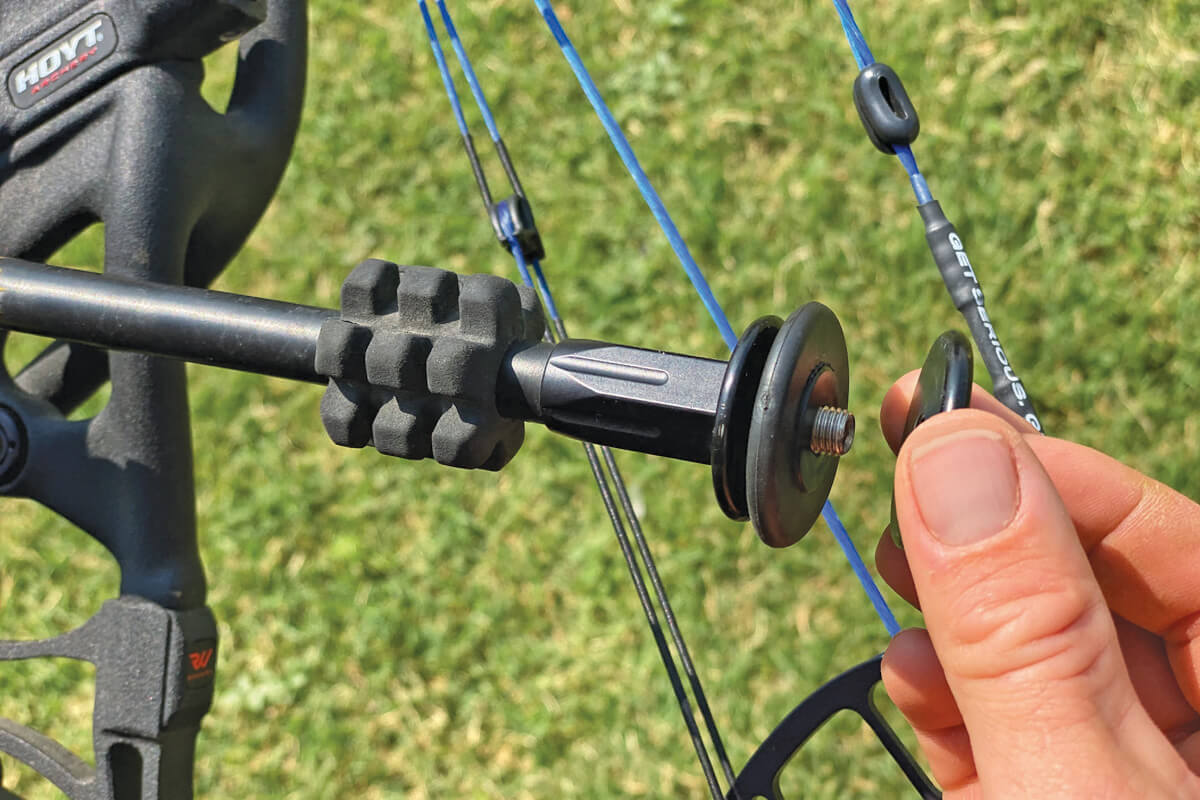
Credit: www.bowhunter.com
Placement: Where You Put Silencers Matters
Silencers are usually placed about 4, 6 inches from each end of the bowstring. This position is where the string vibrates the most. Placing them too close to the center or too far towards the ends can reduce their effectiveness.
You can use two silencers, one on each side, or try more. But adding a third or fourth often gives diminishing returns. The string’s vibration is highest at these points, so extra silencers may not dampen more sound.
Pro Tip: Try moving your silencers slightly closer to the center or further out. Sometimes, small changes in placement make a bigger difference than adding more silencers.
Do More Silencers Make A Bow Quieter? The Real Answer
Now to the main question: does adding more silencers make your bow quieter?
In most cases, two silencers, one on each side of the string, are enough. Adding more can sometimes reduce noise a little more, but the effect is usually minor. The first set absorbs most of the vibration. Extra sets have less vibration to absorb.
This is called diminishing returns. Each new silencer adds less benefit than the last. At some point, adding more can even cause problems. Too many silencers may:
- Weigh down your string, reducing arrow speed
- Change the feel of your shot
- Make tuning harder
When testing bows with three or four silencers, the sound difference is barely noticeable. In some cases, the bow felt sluggish and the string looked crowded.
Comparing Silencer Effectiveness
Here’s a basic comparison of how many silencers affect noise and performance:
| Number of Silencers | Noise Reduction | Arrow Speed Impact | Vibration Control |
|---|---|---|---|
| 1 Pair (2) | Strong | Minimal | Good |
| 2 Pairs (4) | Moderate | Low | Very Good |
| 3+ Pairs (6+) | Slight | Noticeable | Excellent |
The table shows that the biggest improvement comes from the first pair. Adding more helps, but only a little, and the drawbacks increase.
Vibration Vs. Noise: What’s The Difference?
It’s important to know that vibration and noise are not the same. Vibration is the physical movement of the bow and string after a shot. Noise is the sound you hear.
Silencers mainly absorb vibration, which reduces noise. But other parts of your bow, like the limbs, riser, or arrow rest, also create sound. If your bow is noisy, silencers may help, but they can’t fix all problems.
Example: If your arrow rest rattles, no amount of string silencers will quiet it. Check all parts of your bow for noise.
Other Ways To Make A Bow Quieter
Silencers are not the only solution. There are several other methods to reduce bow noise:
- Check bow tuning: A well-tuned bow is quieter. If your string is loose or your arrows are too stiff, vibration increases.
- Use heavier arrows: Heavy arrows absorb more energy and reduce noise. Light arrows make bows louder.
- Add limb dampeners: These are rubber devices stuck to the limbs. They absorb vibration before it turns into noise.
- Tighten loose parts: Screws, sights, and arrow rests can vibrate. Make sure everything is tight.
- Upgrade string material: Modern strings like Dacron or Fast Flight are quieter and absorb vibration better.
Here’s a quick comparison of different noise reduction methods:
| Method | Noise Reduction | Impact on Performance | Cost |
|---|---|---|---|
| String Silencers | Strong | Minimal | Low |
| Limb Dampeners | Moderate | Minimal | Medium |
| Heavier Arrows | Strong | Lower Arrow Speed | Medium |
| Tightening Parts | Slight | None | None |
| Better String Material | Moderate | None | Medium |
This table shows that silencers are the most cost-effective. But combining methods gives the best results.

Credit: www.youtube.com
Common Mistakes When Adding Silencers
Many beginners make mistakes when trying to quiet their bow. Here are some to watch out for:
- Adding too many silencers: This can weigh down the string and reduce performance.
- Placing silencers incorrectly: Position matters more than quantity.
- Ignoring other sources of noise: The string is not the only part that makes sound.
- Using heavy or poor-quality silencers: These can affect arrow flight and make shooting harder.
Pro Tip: Always test your bow after adding silencers. Listen for noise and check how the bow feels. Don’t just rely on what looks good.
Practical Test: Real-world Results
When testing a recurve bow with different numbers of cat whisker silencers, the sound is measured using a decibel meter. Here’s what happened:
- With no silencers: The bow registered about 85 dB.
- With one pair: The sound dropped to 73 dB.
- With two pairs: It dropped to 70 dB.
- With three pairs: The sound fell to 69 dB, but the bow felt slower.
This test confirms that the first pair makes the biggest difference. Adding more reduces sound a little, but the improvement is small. The bow’s performance also changes.
Non-obvious Insights
- Weather affects silencer performance. In humid conditions, wool silencers absorb moisture and become heavier. This can change the string’s weight and affect arrow speed. Rubber and synthetic silencers are less affected by weather.
- Silencers wear out over time. After many shots, wool and yarn silencers can fray or lose effectiveness. Check and replace them regularly to keep your bow quiet.
When To Use More Silencers
There are times when extra silencers may help:
- If you use a very high-poundage bow, the string vibrates more. Extra silencers may reduce noise further.
- For hunting, if you want the quietest shot possible, adding a second pair can be useful.
- If your bow is still loud after one pair, try a second before changing other parts.
But remember, too many silencers can make your bow harder to tune and shoot.
Silencer Materials: What To Choose
Different materials offer different benefits. Here’s a quick look:
- Beaver fur: Absorbs vibration well, lightweight, good for traditional bows.
- Rubber: Durable and strong, best for compound bows.
- Yarn: Cheap and easy to install, but not as durable.
- Synthetic fibers: Last longer and resist weather, but can add more weight.
Example: For hunting in wet weather, synthetic or rubber silencers are better. Wool absorbs water and gets heavier.
Arrow Speed And Silencers
Adding more silencers can slow your arrow. Each silencer adds weight to the string, which takes away energy from the shot. Most archers won’t notice a small difference, but competitive shooters may care.
If you’re worried about arrow speed, use lightweight silencers and limit to one pair. For hunting, a slight drop in speed is worth the quieter shot.
Tuning Your Bow After Adding Silencers
Whenever you add or change silencers, retune your bow. Silencers can change string tension and arrow flight.
Steps to tune your bow after adding silencers:
- Shoot a few arrows and check groupings.
- Listen for new noise or vibration.
- Adjust silencer placement if needed.
- Check arrow speed (if possible).
- Repeat until you get the best balance of quiet and performance.
Pro Tip: Use a smartphone decibel meter app to measure your bow’s sound before and after changes.
Silencers And Compound Bows
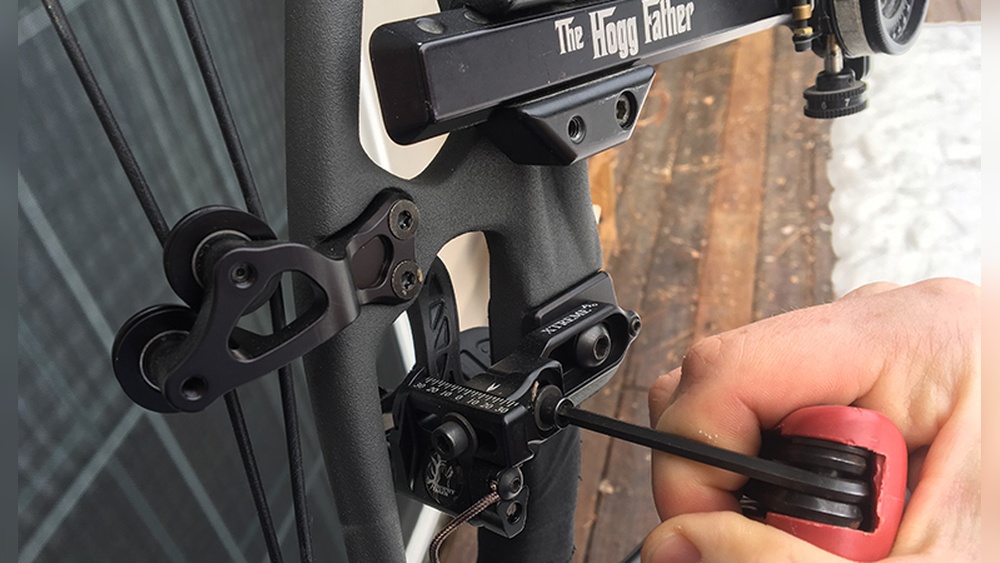
Compound bows are louder than traditional bows because they store more energy and release it faster. Silencers help, but limb dampeners and better string materials are even more important. For compound bows, use rubber or synthetic silencers and add limb dampeners for best results.
Silencers And Traditional Bows
Traditional bows (recurve, longbow) are quieter by design. Wool or fur silencers work best. Usually, one pair is enough. Extra silencers can help with heavy bows, but don’t overdo it.
How Many Silencers Are Too Many?
If your string feels heavy or your bow is hard to tune, you may have too many silencers. Most archers use:
- One pair for target shooting
- Two pairs for hunting or high-poundage bows
Beyond this, the benefits are small and the drawbacks increase.
Silencers Vs. Other Noise Solutions: A Comparison
To help you decide, here’s a side-by-side look at how string silencers compare to other bow noise solutions:
| Noise Solution | Best For | Noise Reduction | Ease of Use |
|---|---|---|---|
| String Silencers | All bow types | Strong | Easy |
| Limb Dampeners | Compound bows | Moderate | Easy |
| Arrow Weight | Hunters | Strong | Medium |
| String Material | Traditional bows | Moderate | Medium |
This table shows that string silencers are the simplest and most effective method. But combining with other solutions gives the best overall results.
Expert Opinions And Research
Research from archery forums and bow manufacturers supports the idea that two silencers are enough for most bows. According to Bowhunting.com, adding more than two pairs of silencers gives only a small improvement, and can reduce arrow speed by up to 3 FPS (feet per second).
Archery experts recommend:
- Use one pair for normal use
- Add a second pair for hunting or high-poundage bows
- Combine with limb dampeners for best results

Credit: www.youtube.com
Frequently Asked Questions
How Often Should I Replace Bow Silencers?
Silencers made from wool or yarn can wear out after a few hundred shots. If you notice fraying or loss of effectiveness, replace them. Rubber and synthetic silencers last longer, but check for cracks or tears. For hunters, replace before each season to ensure maximum quiet.
Can Silencers Affect My Arrow Flight?
Yes, but only slightly. Heavy or poorly placed silencers can change string tension and affect arrow speed. Lightweight and correctly positioned silencers have almost no effect. Always test your bow after adding silencers to check arrow flight.
Are There Silencers Made For Wet Weather?
Synthetic and rubber silencers are best for wet weather. Wool and fur absorb water and get heavier, which can affect performance. For rainy conditions, choose materials that resist moisture.
Do Silencers Reduce Hand Shock?
Yes, silencers absorb string vibration, which reduces hand shock. This makes shooting more comfortable. Limb dampeners also help with hand shock, especially for compound bows.