Are Recurve Bows Loud? Noise Levels Explained
Are Recurve Bows Loud?
The sound a recurve bow makes may surprise both new and experienced archers. Many expect a silent experience, while others fear drawing attention at the range or during hunting. The question, “Are recurve bows loud? ” is important for anyone looking to buy their first bow, hunt discreetly, or practice without disturbing others.
Understanding what causes bow noise, how loud recurve bows really are, and how to make them quieter can help you make better decisions and enjoy archery more.
This article explores the noise levels of recurve bows, compares them with other bows, and gives practical ways to manage sound. You’ll find real-world insights, examples, and clear advice, plus expert answers to questions that beginners often overlook.
What Makes A Bow “loud”?
When you shoot a recurve bow, energy stored in the limbs transfers to the arrow. Not all this energy is used to propel the arrow, some turns into vibration and sound. Several factors affect how much noise a recurve bow makes:
- String vibration: As the string returns to its resting position, it vibrates rapidly, producing a sharp “twang.”
- Limb movement: The limbs flex and then snap back, releasing additional vibrations into the air.
- Bow materials: Wood, carbon, fiberglass, and metals all transmit sound differently.
- Arrow fit: Loose-fitting arrows or improper nocks can cause extra rattling or buzzing.
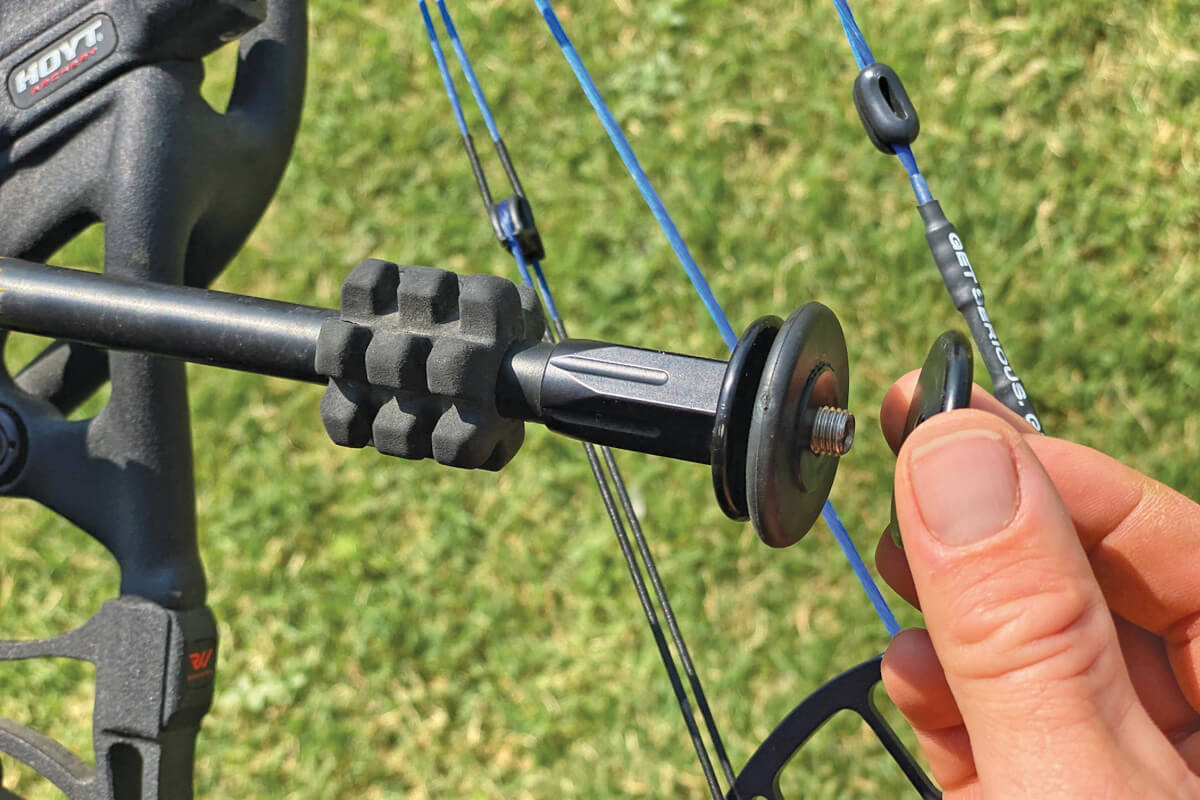
- Accessories: Arrow rests, sights, and stabilizers can vibrate or amplify sound if not secured well.
Example: If you shoot a bow with a poorly fitted arrow, you might hear a loud click or rattle in addition to the usual string noise.
Pro Tip: Sound travels in all directions, but heavy brush or soft ground can absorb some noise. Shooting indoors or in open fields makes bow sounds much more noticeable.
How Loud Are Recurve Bows Compared To Other Bows?
Many new archers worry that recurve bows are noisy, especially compared to modern compound bows or traditional longbows. Let’s compare noise levels in a real-world context.
Typical Bow Noise Levels
No standardized decibel (dB) scale exists for archery, but many tests and community reports provide a sense of typical noise levels:
- Recurve bows: 60, 80 dB at one meter (similar to a normal conversation or a busy office)
- Compound bows: 70, 90 dB (usually louder than recurves, especially without dampeners)
- Longbows: 55, 75 dB (often the quietest due to their design and materials)
- Crossbows: 80, 100 dB (often the loudest, due to more moving parts and higher energy)
Real-world Comparison
Here’s a side-by-side look at perceived noise:
| Bow Type | Estimated Noise (dB) | Relative Loudness |
|---|---|---|
| Recurve | 60, 80 | Moderate |
| Compound | 70, 90 | Louder |
| Longbow | 55, 75 | Quieter |
| Crossbow | 80, 100 | Loudest |
A recurve bow is not the quietest, but it is quieter than most compound bows and crossbows when set up properly. The exact sound depends on many factors: bow tuning, string type, and arrow weight.
Pro Tip: Heavier arrows often make less noise when shot from a recurve bow because they absorb more energy that would otherwise become vibration.
Why Do Some Recurve Bows Seem Louder Than Others?
Not all recurve bows sound the same. Two bows with identical specs can produce different noise levels. Here’s why:
1. Limb Design And Materials
Bows with carbon fiber or laminated limbs often vibrate less than pure wood or fiberglass. Some recurve limbs have built-in dampening layers that reduce noise.
2. String Material And Condition
A string made from modern synthetic fibers (like Dacron or Fast Flight) can be quieter than older materials. Worn or dry strings also make more noise.
3. Bow Tuning And Maintenance
A well-tuned bow is quieter. Loose limb bolts, worn bushings, or out-of-alignment parts can add rattle. Regular tuning removes many unwanted sounds.
4. Arrow Weight And Fit
Light arrows create more leftover energy, causing louder vibration. Arrows that fit the string nock tightly and match the bow’s draw weight help keep noise down.
5. Added Accessories
Extra accessories (like sights or stabilizers) can vibrate unless installed firmly. Rubber dampeners can reduce sound if used correctly.
Example: When I tested two recurve bows from the same brand, one with new limbs and a fresh string sounded much softer than the older, less-maintained model, even with the same arrows.

Credit: www.youtube.com
How Noise Affects Different Archery Activities
Noise matters differently depending on how you use your recurve bow.
Target Practice
In backyard or club shooting, bow noise is usually not a big concern. Most ranges expect some sound, and recurve bows are rarely disruptive. If you practice in a shared space or urban area, consider soft backstops and regular maintenance to keep noise modest.
Competitive Archery
At tournaments, almost everyone uses well-maintained equipment. Recurve bows here are usually tuned for both accuracy and lower noise. However, the focus is more on performance than absolute silence.
Hunting
Bow noise is critical when hunting. Animals can detect unusual sounds, especially at close range. A loud bow can cause a deer or turkey to “jump the string”, move or duck before your arrow arrives.
Pro Tip: If you hunt with a recurve, use string silencers and heavier arrows. Test your setup in the field to check how much noise carries in real conditions.
Backyard Or Indoor Shooting
Neighbors, family, or pets may not appreciate loud “twangs. ” Using dampeners, shooting into hay bales, or choosing a quieter model can help keep peace.
Common Ways To Make A Recurve Bow Quieter
Many archers want a quieter bow for hunting or practice. Here are practical steps to reduce noise:
1. Install String Silencers
Small fur or rubber pieces attached to the string absorb vibration and cut down the sharp “snap. ” They’re inexpensive and easy to install.
2. Use Heavier Arrows
A heavier arrow absorbs more energy. This reduces vibration left in the bow and string, making each shot quieter.
3. Check Bow Tuning
Make sure limb bolts are tight, the string is centered, and all parts are secure. Even a little looseness can add rattle.
4. Add Limb Dampeners
Soft rubber dampeners can be stuck to the limbs to absorb shock and vibration.
5. Maintain The String
Wax and inspect your string regularly. Replace fraying or worn strings, which can buzz or snap more loudly.
6. Use A Proper Arrow Rest
A poorly fitted rest can make a “click” or “clack” sound. Choose a rest that matches your arrows and bow.
7. Secure Accessories
Make sure sights, quivers, and stabilizers are tightly attached. Any loose piece will add extra noise.
Example: After adding beaver fur string silencers and switching to heavier arrows, my recurve bow sounded much softer, almost a dull “thump” instead of a sharp “twang.”
Are Some Recurve Bows Designed To Be Quieter?
Some recurve bows are built with noise reduction in mind. Features that help:
- Laminated limbs: Multi-layered limbs (wood, carbon, fiberglass) naturally absorb more vibration.
- Dampening materials: Rubber or foam layers in the riser or limb pockets act as shock absorbers.
- Precision machining: High-quality bows with tight tolerances vibrate less.
However, even the quietest recurve bow will make some sound. The physics of releasing energy from bent limbs and a fast-moving string always creates at least a small “thump” or “twang. ”
Comparing Quiet Models
Here’s a comparison of features in some popular recurve bows designed for lower noise:
| Model | Limb Material | Built-in Dampening | Typical Noise Level |
|---|---|---|---|
| Bear Grizzly | Laminated Wood/Fiberglass | No | Moderate |
| Samick Sage | Hard Maple/Fiberglass | No | Moderate |
| Hoyt Satori | Carbon/Laminate | Yes | Quieter |
| Win & Win Black Wolf | Carbon/Laminate | Yes | Quieter |
Pro Tip: Sometimes, a bow with more mass (heavier riser) feels quieter to the shooter, even if the actual dB level is similar.
How Does Arrow Choice Affect Bow Noise?
The arrow is a key part of the sound equation. Here’s how your choice matters:
Arrow Weight
Heavier arrows (measured in grains per inch) absorb more energy when released. This leaves less vibration in the limbs and string, lowering overall noise.
- Light arrows: Faster but noisier
- Medium arrows: Balance speed and quietness
- Heavy arrows: Quieter but slower
Arrow Fit
A nock that snaps tightly onto the string makes less noise than a loose nock. Poorly fitted arrows can also “slap” the riser or rest, making extra sound.
Material Differences
- Carbon arrows are stiffer and can transfer more vibration if not matched to bow weight.
- Aluminum arrows are heavier and often quieter.
- Wood arrows are traditional and tend to be quiet, but can be inconsistent if not well matched.
Example: When I switched from lightweight carbon arrows to slightly heavier wood arrows, my recurve bow’s noise dropped noticeably, without much loss in accuracy at short range.
Does Bow Draw Weight Affect Noise?
Yes, draw weight changes how much energy is stored and released. Higher draw weights mean more energy, which can mean more noise.
- Low draw weight (20, 30 lbs): Softer, quieter shots
- Medium draw weight (35, 45 lbs): Moderate noise
- High draw weight (50+ lbs): Louder, sharper sound unless managed with silencers and heavier arrows
Pro Tip: If you’re sensitive to noise or shooting in a quiet area, consider a lower draw weight and focus on precise arrow tuning.
Environmental Factors That Change Perceived Bow Noise
Where and how you shoot can make a recurve bow sound louder or softer.
1. Location
- Indoors: Hard walls reflect sound, making even moderate noise seem louder.
- Outdoors: Trees, grass, and open space absorb and disperse sound.
- Hilly or wooded areas: Natural features break up and dampen noise.
2. Weather Conditions
- Humidity: Moist air can absorb sound waves, making bows seem quieter.
- Wind: Carries sound away, reducing what nearby people or animals hear.
- Cold weather: Can make bows slightly louder due to stiffer materials and denser air.
3. Distance
Sound drops off quickly with distance. Even a loud recurve bow is hard to hear more than 50 yards away in outdoor settings.

Credit: www.youtube.com
Common Mistakes That Make Recurve Bows Louder
Some archers accidentally make their bows louder without realizing it.
- Dry firing (shooting without an arrow): Damages the bow and produces a loud, dangerous snap.
- Ignoring string maintenance: Old, dry, or fraying strings buzz more.
- Loose accessories: Anything not tightly secured will rattle.
- Using too light arrows: Leaves too much energy in the bow.
- Improper limb installation: Limbs not seated fully can creak or pop.
Warning: Never dry fire any bow. It’s unsafe and can permanently damage your equipment.
Is Bow Noise A Problem For Most Archers?
For most target shooters and recreational archers, the moderate sound of a recurve bow is not a serious issue. At ranges or in archery clubs, the background level of noise is expected. However, for bowhunters and those practicing in quiet neighborhoods, minimizing sound is important.
If you’re worried about noise, invest time in tuning your bow, maintaining your string, and choosing the right arrows. Most modern recurves can be made quiet enough for nearly any use with a few adjustments.
Credit: www.bowhunter.com
Final Thoughts
Are recurve bows loud? They make some noise, usually a noticeable “twang” or “thump”, but are not the loudest bows on the market. With proper tuning, string silencers, and the right arrow choice, you can shoot a recurve quietly enough for most situations.
For hunters, a quiet bow can make the difference between success and a missed opportunity. For target shooters, it’s mainly a matter of comfort and courtesy.
Noise is just one factor in choosing a bow. Balance your need for quiet with your goals, whether it’s accuracy, tradition, or ease of maintenance. And remember, good technique and regular upkeep do more to reduce sound than any single gadget or accessory.
If you want to explore the physics behind bow noise further, the Wikipedia Recurve Bow page offers useful background.
Frequently Asked Questions
What Is The Quietest Type Of Bow?
Among traditional archery equipment, longbows are generally the quietest due to their simple design and lack of sharp limb angles. They have fewer moving parts and less abrupt energy release than recurves or compounds. For hunting or stealth shooting, a well-tuned longbow with heavy arrows is often considered the quietest option.
Can Animals Detect Recurve Bow Noise From Far Away?
Most animals have sharper hearing than humans. While a recurve bow’s sound drops off quickly with distance, animals like deer can notice unfamiliar noises up to 30, 50 yards away, especially in calm conditions. However,