Do Recurve Bows Have a Draw Length? What to Know Now
Many people are drawn to recurve bows for their classic look and smooth shooting experience. Whether you’re new to archery or upgrading your gear, you might wonder: do recurve bows have a draw length? This question is more important than it first appears. Understanding draw length affects your safety, accuracy, and enjoyment. In this article, you’ll find clear answers, real-world examples, and practical advice to help you get the most from your recurve bow.
What Is Draw Length?
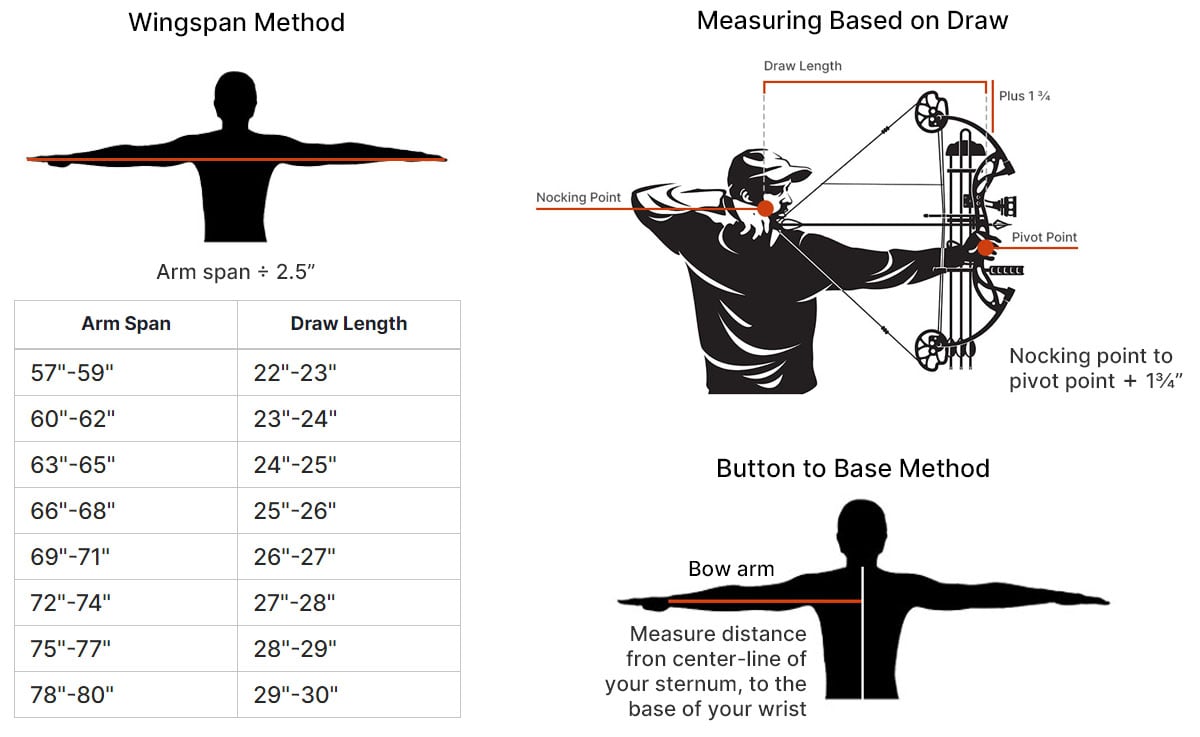
Before we dive into specifics for recurve bows, let’s clarify what draw length means in archery. Draw length is the distance, usually measured in inches, from the nocking point on the string (where the arrow sits) to the pivot point of the bow’s grip when the bow is fully drawn, plus 1.75 inches. This measurement is critical because it influences:
- Arrow length: Too short, and the arrow falls off; too long, and it’s inefficient.
- Bow fit: A bow matched to your draw length is easier and safer to shoot.
- Shooting consistency: The right draw length supports consistent form.
For compound bows, draw length is fixed and must match the archer. But what about recurve bows? Let’s explore.
Do Recurve Bows Have A Draw Length?
The short answer is both yes and no. Unlike compound bows, recurve bows do not have a factory-set, unchangeable draw length. Instead, they have a recommended draw length range. Here’s why:
- Recurve bows are “drawn by feel”: The farther you pull, the more force is needed, and the more energy is stored.
- No “wall” or stop: Compound bows have a hard stop, recurve bows do not. You can pull farther, but it gets harder.
However, every recurve bow is designed with an optimal draw length in mind, usually 28 inches. This is where the bow’s listed draw weight (e.g., 30 lbs @ 28″) is measured. Pulling past this recommended draw length:
- Increases draw weight rapidly (stacking)
- Risks damaging the bow
- Reduces shooting comfort and accuracy
So, recurve bows don’t have a “fixed” draw length, but they do have a practical draw length limit. Understanding this difference will help you choose the right bow and shoot safely.
How Draw Length Affects Your Shooting
Your personal draw length is determined by your arm span and shooting style. Matching your draw length to your bow has several effects:
- Safety: Drawing too far can overstress limbs and cause breakage.
- Performance: The bow delivers its best power and efficiency at its optimal draw length.
- Accuracy: A proper fit supports good form and repeatable shots.
Pro Tip: Never guess your draw length. Use a simple method, stand straight, hold your arms out like a “T”, and measure fingertip to fingertip, then divide by 2.5. This gives you a close estimate in inches.
Measuring Draw Length On A Recurve Bow
Unlike compounds, measuring draw length on a recurve bow is straightforward. Here’s how to do it:
- Nock an arrow on the string.
- Draw the bow naturally to your anchor point (usually the corner of your mouth or chin).
- Have someone measure from the nock groove (where the string sits) to the front of the riser (the deepest part of the grip).
- Add 1.75 inches to get your true draw length.
This method works for most archers, but small differences in anchor point can affect the number. For best results, repeat the process a few times.

Credit: silkroadbows.com
Why Draw Length Matters For Recurve Bows
Bow Performance
Recurve bows are rated for a specific draw weight at a standard draw length, usually 28 inches. For example, a bow marked “30 lbs @ 28″” means the bow pulls 30 pounds of force at a 28-inch draw.
- If your draw length is shorter than 28 inches, you’ll pull less weight.
- If your draw length is longer, you’ll pull more weight, sometimes much more.
For every inch past 28, the draw weight increases by about 2-3 pounds (varies by bow). This effect is called stacking. Excess stacking makes the bow harder to draw smoothly and can hurt your accuracy.
Arrow Selection
Your draw length determines the minimum safe arrow length. Arrows that are too short can fall off the rest or even be drawn past the riser, creating a safety hazard. Always use arrows at least 1-2 inches longer than your draw length.
Bow Sizing
Choosing the right recurve bow length for your draw length is vital. Most manufacturers provide recommended bow lengths for various draw lengths. Using a bow that’s too short can lead to stacking and discomfort, while a bow that’s too long may feel sluggish.
Here’s a quick comparison:
| Draw Length (inches) | Recommended Bow Length (inches) |
|---|---|
| < 26 | 62 |
| 26 – 28 | 64 – 66 |
| 28 – 30 | 66 – 68 |
| > 30 | 68 – 70 |
Choosing the right bow length makes shooting more comfortable and consistent.
Adjusting Draw Length On A Recurve Bow
Unlike compounds, recurve bows do not have a dial or setting to adjust draw length. Instead, draw length is set by your body and shooting style. However, you can influence your draw length and shooting comfort in a few ways:
- Change your anchor point: Moving your anchor point farther forward or back can slightly adjust draw length, but don’t sacrifice good form.
- Try different bow lengths: Longer bows are more forgiving at longer draw lengths.
- Choose suitable limb sizes: Some modern recurve bows, like ILF (International Limb Fitting) models, allow you to switch out limbs for different draw weights and lengths.
Warning: Never try to “force” a longer draw length from a short bow. This can cause excessive stacking and may damage the limbs.
Common Mistakes About Draw Length
Many beginners misunderstand draw length, leading to problems with safety, performance, and comfort. Here are some common errors:
- Guessing draw length: Eyeballing or copying a friend’s draw length rarely works.
- Ignoring stacking: Pulling a short bow too far makes drawing harder and less smooth.
- Buying arrows too short: This is dangerous and can lead to injury.
- Thinking all recurve bows are the same: Each model has unique stacking characteristics and optimal draw lengths.
Example: I once saw a new archer buy a 54-inch recurve because it looked compact. With a 30-inch draw length, he found the bow nearly impossible to draw smoothly. Upgrading to a 68-inch bow made shooting much easier and improved his accuracy instantly.
How To Choose A Recurve Bow For Your Draw Length
Selecting the right recurve bow involves matching your draw length to the bow’s design and performance characteristics. Here’s a practical guide:
- Measure your draw length (as described earlier).
- Choose a bow length from the manufacturer’s chart, matching your draw length.
- Select a suitable draw weight. If you’re a beginner, choose a lower draw weight (20-30 lbs for adults) to focus on form.
- Pick the right arrows. Make sure they are at least 1-2 inches longer than your draw length.
- Test different bows. If possible, try bows at a shop or club. Some bows “stack” earlier than others.
Here’s a comparison of draw weight at different draw lengths for a typical recurve bow:
| Draw Length (inches) | Measured Draw Weight (lbs) |
|---|---|
| 26 | 26 |
| 28 | 30 |
| 30 | 34 |
| 32 | 38 |
Notice how the draw weight increases with draw length. Always consider this when choosing your bow.
Credit: www.sportsmans.com
The Role Of Bow Limbs And Riser
The limbs and riser (handle) are the two main parts of a recurve bow. Both affect draw length and shooting feel:
- Limbs: Longer limbs allow for a longer, smoother draw and less stacking. Short limbs are lighter but stack more quickly.
- Riser: A longer riser increases overall bow length and can make the bow more stable and forgiving.
When customizing a bow, mixing risers and limbs of different lengths lets you fine-tune the bow to your draw length and shooting style.
Modern Innovations: Ilf And Take-down Bows
Traditional recurve bows were one piece, but most modern recurves are take-down, meaning you can swap limbs. ILF (International Limb Fitting) bows allow for even more flexibility:
- Swap limbs for different lengths and weights
- Adjust tiller and limb alignment
- Fine-tune draw weight
These innovations make it easier for archers to match their gear to their natural draw length.
How Draw Length Impacts Arrow Speed And Energy
Draw length isn’t just about comfort. It directly affects the speed and energy of your arrows:
- Longer draw length: More stored energy, faster arrow speed, flatter trajectory.
- Shorter draw length: Less energy, slower arrows, more pronounced arc.
For target shooting, a longer draw (with the right bow) helps with accuracy and consistency. For hunting, more energy means deeper penetration.
Here’s a simple comparison:
| Draw Length (inches) | Arrow Speed (fps) | Arrow Energy (ft-lbs) |
|---|---|---|
| 26 | 160 | 31 |
| 28 | 175 | 35 |
| 30 | 190 | 39 |
These numbers are typical for a 30 lb recurve with a 400-grain arrow. Your results may vary based on bow and arrow type.
Real-world Example: What Happens When Draw Length Is Wrong
Let’s say an archer with a 31-inch draw uses a 62-inch recurve designed for 28-inch draws. What happens?
- Stacking: The bow becomes very hard to pull after 28 inches, making smooth shooting difficult.
- Accuracy drops: The archer struggles to maintain form.
- Arrow choice problem: Longer arrows are needed, but the bow’s power delivery is not optimized for them.
- Risk of limb damage: Overdrawing stresses the limbs and may cause failure.
By switching to a 70-inch bow, the archer experiences a smooth draw, better accuracy, and safer shooting.

Credit: understandingarchery.wordpress.com
My Experience With Draw Length And Recurve Bows
When I first started archery, I underestimated the importance of draw length. My initial bow was too short for my long arms. After a few weeks, I noticed sore shoulders and inconsistent groups. A coach measured my draw length and recommended a longer bow.
The difference was immediate, smoother draw, better accuracy, and more enjoyment.
Pro Tip: If you’re struggling with comfort or accuracy, check your bow’s fit to your draw length before changing anything else.
How To Test Different Draw Lengths Safely
If you’re curious about your ideal draw length, try these steps:
- Visit an archery shop or club with several recurve bows.
- Use a draw length indicator arrow (a special arrow with markings).
- Draw to your normal anchor point and have a coach or friend record the number.
- Try bows of different lengths and draw weights to see which feels best.
Testing with guidance helps avoid mistakes and ensures you get the best fit for your body.
How Manufacturers List Draw Length And Draw Weight
You’ll see recurve bows listed with specs like “30 lbs @ 28″.” This means:
- 30 lbs: Draw weight at 28 inches of draw length.
- If you draw less or more, the actual draw weight changes.
Some manufacturers provide charts or calculators to help you estimate draw weight at your actual draw length. Always check the specs before buying.
For more technical details, you can visit the Wikipedia page on recurve bows.
Frequently Asked Questions
What Happens If I Draw A Recurve Bow Farther Than Its Recommended Draw Length?
Drawing a recurve bow past its optimal draw length causes stacking, the draw weight increases rapidly and the bow becomes harder to pull smoothly. This not only reduces accuracy but can also damage the bow limbs over time. If you regularly overdraw, consider switching to a longer bow.
Can I Change My Draw Length On A Recurve Bow?
Your draw length is determined by your body and shooting style, not the bow itself. While you can adjust your anchor point or posture slightly, major changes require different equipment, such as a longer or shorter bow. For beginners, it’s best to find a comfortable, repeatable form and match the bow to you.
How Do I Know If My Arrows Are The Right Length For My Draw Length?
Arrows should be at least 1-2 inches longer than your measured draw length. For example, if your draw length is 28 inches, use arrows of 29, 30 inches. Too-short arrows are unsafe, as they may fall off the rest or be drawn past the riser.
Always err on the side of longer arrows for safety.
Does Draw Length Affect Which Competitions I Can Enter?
Most competitions do not restrict draw length but may have rules about bow type, draw weight, or arrow specs. However, having the correct draw length and bow fit is critical for competitive accuracy and consistency. If you’re unsure, check with the event organizer or a certified coach.