Compound Bow Length vs Recurve Bow Length Guide Chart
Compound bow length is measured axle to axle, while recurve bow length is measured tip to tip; draw length is separate, and the right size depends on fit, shooting feel, carry convenience, and intended use. Pick the wrong size and you can get poor fit, loud shots, travel hassles, or a bow that feels unstable. This guide explains how each length is measured, why the numbers differ, and how to choose the right bow for hunting, target shooting, learning, storage, and travel.
| Decision factor | Compound Bow Length | Recurve Bow Length | Winner |
|---|---|---|---|
| How length is measured | Axle-to-axle, measured between axle centers under ATA convention | Tip to tip, usually listed as bow length in inches | Tie |
| Fit to the shooter | Draw length is set separately and usually adjusted within about 1-3 inches | Draw length varies with the archer’s form and anchor | Tie |
| Holding feel at full draw | Let-off can reduce holding weight to about 15 pounds on a 70-pound compound bow | No let-off; the farther a bow is drawn, the heavier the draw weight becomes | Compound Bow Length |
| Maneuverability in tight spaces | Usually shorter and more compact than traditional bows | Longer models can be awkward in blinds, brush, and transport | Compound Bow Length |
| Stability and aiming steadiness | Longer ATA calms the hold, but short hunting rigs are easier to carry | Longer recurve bows are often steadier and smoother through the shot | Tie |
| Travel and storage clearance | Shorter ATA fits cases, vehicles, and blinds more easily | Shorter recurve lengths are easier to pack and store | Tie |
Compound bow length vs recurve bow length: what is actually being measured
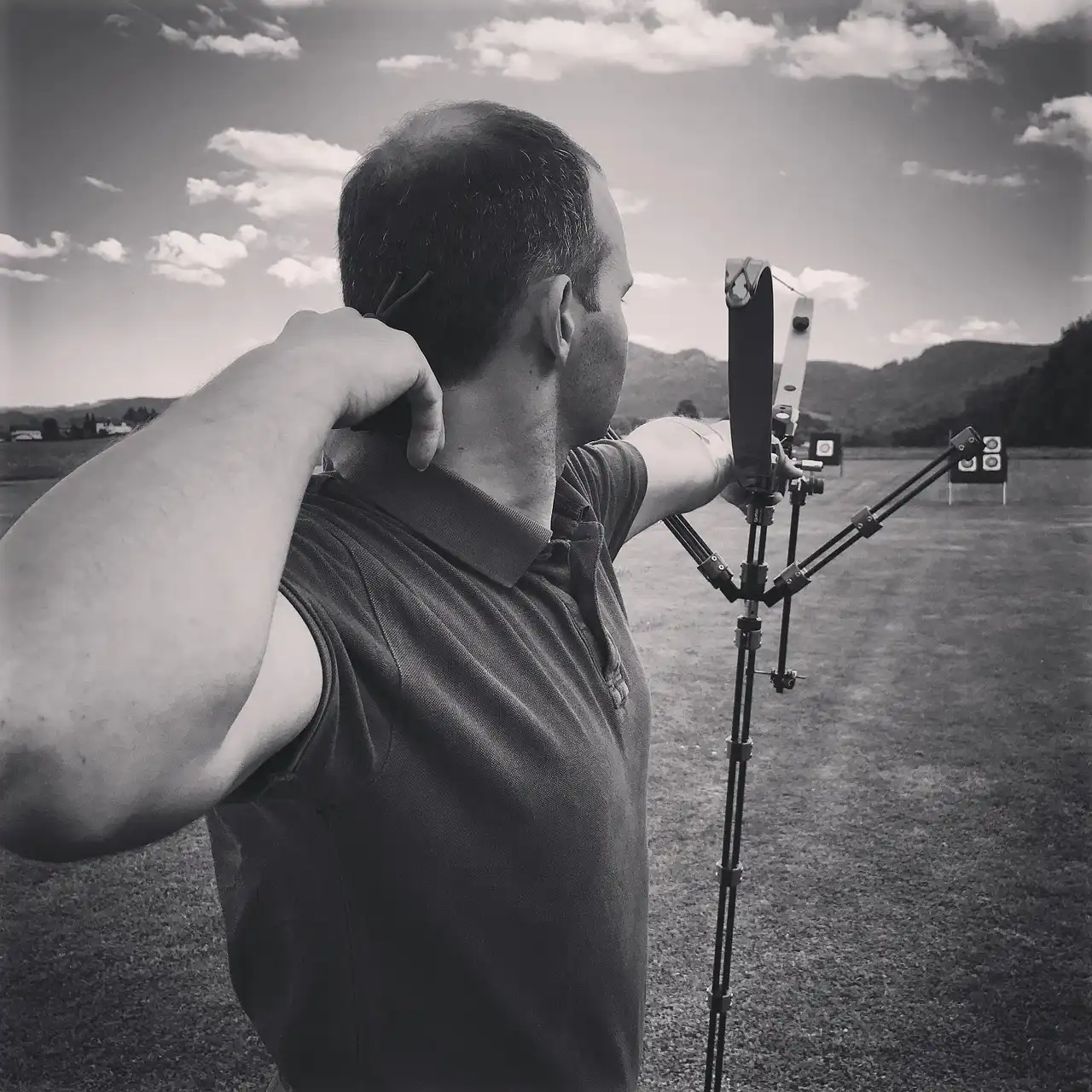

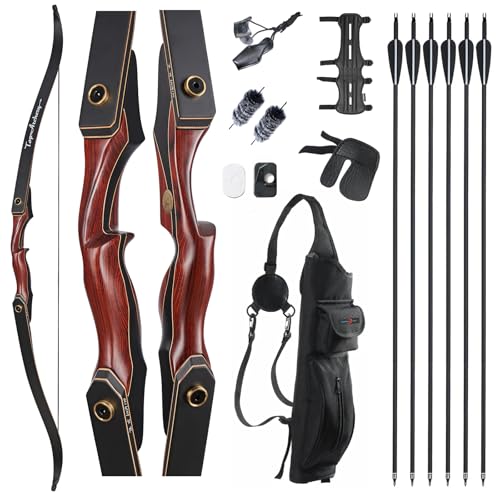
Compound bows and recurve bows often use different length terms. Compound specs use axle-to-axle length under ATA rules, while recurve bows are described by tip-to-tip length. Draw length is separate on both bows, so a “long” bow and a “long draw” shooter are different questions.
Compound bows: axle-to-axle length and ATA standard
Compound bows use cams and pulleys, and manufacturers usually list length as axle-to-axle, or ATA. That measurement runs between the centers of the axles, not along the limbs or from tip to tip. It is the standard way to compare compound listings.
Recurve bows: tip-to-tip length and listed bow size
Recurve bows do not have cams or pulleys. Their length is usually stated as bow size, and adult bows often fall in a similar rough range. Recurve limb and tip geometry matters because the tips curve away from the archer, which changes how the bow draws and feels.
Why draw length is a separate measurement
Draw length is measured at full draw, not by bow length. For compounds, the article standard is from the nocking point to the pivot point plus 1.75 inches. For recurves, draw length is variable and controlled by the archer, so form and anchor point matter more than a fixed setting.
How to measure a compound bow and a recurve bow

Measure a compound bow by axle centers and a recurve bow by tip to tip. Do not mix the two methods. If you do, the comparison becomes meaningless, because a 60-inch recurve and a 60-inch compound are not measured from the same points and do not fit the same way.
Measure compound axle-to-axle length correctly
On a compound bow, measure from the center of one axle to the center of the other axle. That is the ATA number manufacturers use, and it is the cleanest way to compare one compound against another. A short ATA bow is often easier to move, while a longer ATA bow may feel steadier at full draw.
Measure recurve tip-to-tip length correctly
On a recurve bow, measure from one limb tip to the other limb tip. That number is the bow’s listed length, and it is the figure buyers use when comparing recurves. Since recurves have no axle centers, using ATA language for them creates confusion.
Use the pivot point, nocking point, and full-draw reference when checking fit
The pivot point, or throat of the grip, is the reference point used in compound draw-length measurement. The nocking point is the arrow placement reference, and it is part of the draw-length setup on both bow types. For compounds, fit the draw length first, then choose the ATA length that suits your use case.
- Check the manufacturer’s ATA length for a compound bow, or the tip-to-tip length for a recurve.
- Confirm draw length separately. Do not assume the bow length tells you the draw fit.
- For a compound, verify the nocking point to pivot point plus 1.75 inches method.
- For a recurve, stand at full draw and check whether anchor, posture, and head position remain natural.
- Look at clearance in your case, vehicle, blind, or tree stand before buying.
Does bow length affect draw length and shooting feel?
Yes, but not in the same way. Bow length changes feel, stability, and clearance, while draw length changes fit. Longer bows usually feel calmer at full draw, while shorter bows are easier to move in tight spaces. Limb shape, cam design, and brace height also change how long a bow feels when drawn.
Longer bows and steadier aim
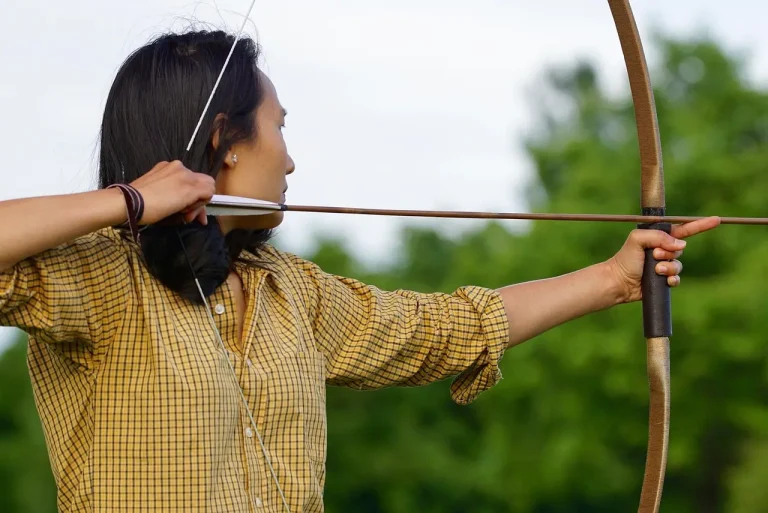
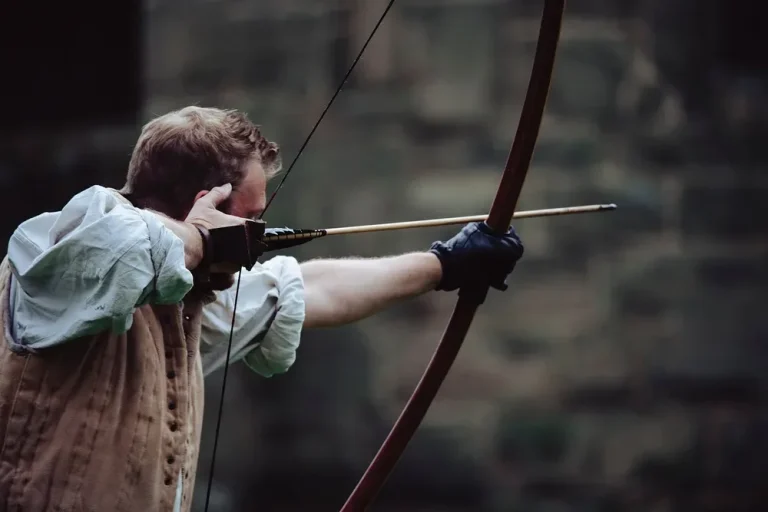
Longer bows usually feel calmer at full draw because the string angle is less severe and the bow tends to move less for the same hand pressure. That matters most for target work and for archers who fight pin float or rough anchor consistency. Longer riser-and-limb geometry often feels more forgiving.
Shorter bows and easier handling
Shorter bows are easier to carry through brush, move inside a blind, and fit into shorter cases. Outdoor Life describes compound bows as usually shorter and more compact than traditional bows, which is one reason many hunters choose compact setups. The trade-off is that very short bows can feel less stable at full draw.
How limb and cam geometry change the feel of length
Two bows with similar listed lengths can feel different because limbs and cams do more than set overall size. Recurve tips curve away from the archer, which changes string angle and draw feel. On compounds, cams alter how weight builds and drops off, so a bow’s effective feel is not just its ATA number.
Say your compound is 29 inches ATA and set up for a 28-inch draw. It may fit well in a ground blind, but the short geometry can make the hold feel busier than a longer target rig. A beginner may notice the difference at full draw before any arrow is released.
Compound bow length vs recurve bow length: side-by-side use cases
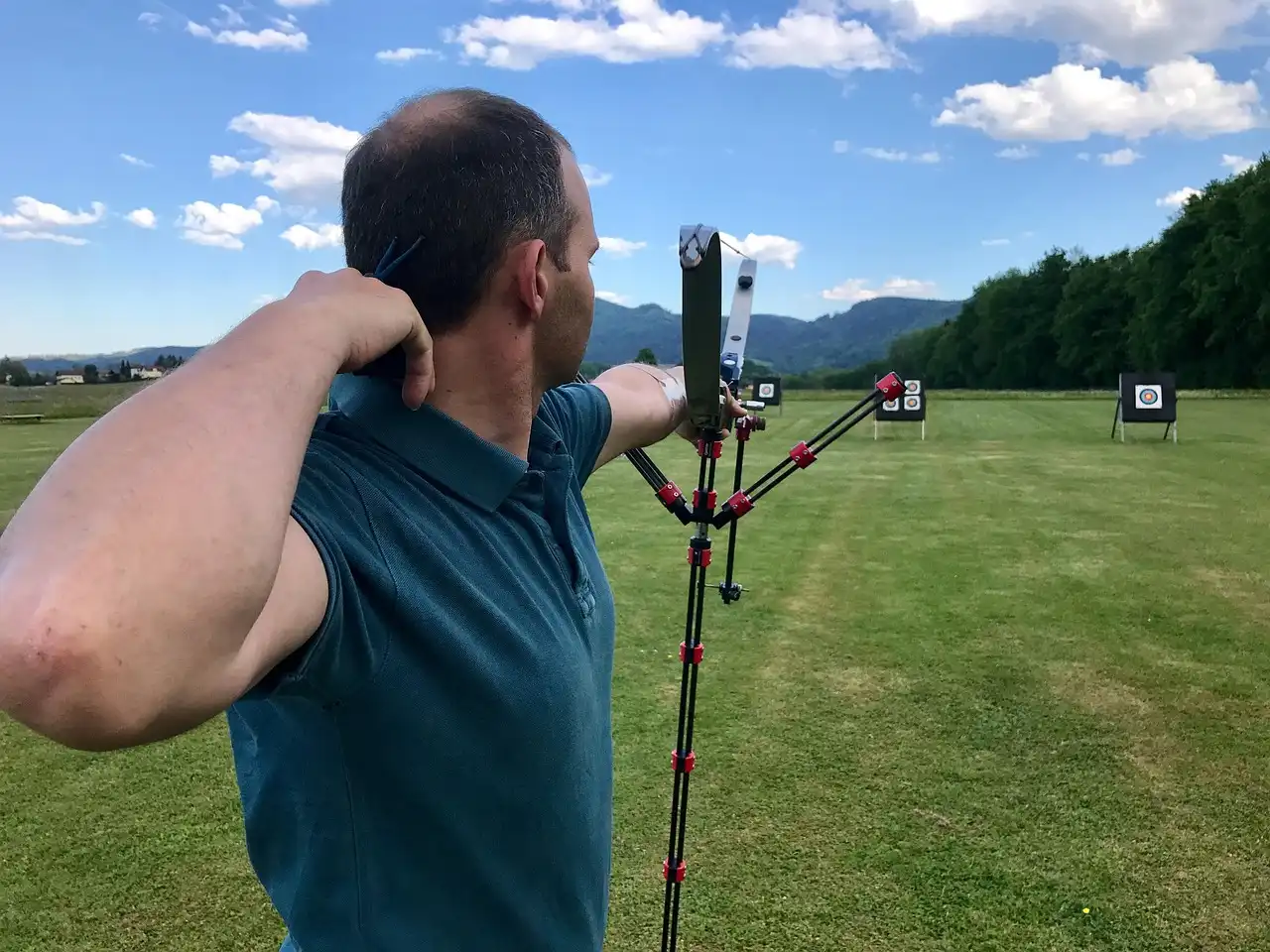
The better choice depends on use case, not a simple longer-versus-shorter verdict. Compound bow length is usually easier to pack and hold with let-off, while recurve bow length is simpler to understand and tune for form. For many buyers, the real question is how much room the bow needs and how steady it feels.
| Use case | Compound bow length | Recurve bow length | Winner |
|---|---|---|---|
| Hunting | Shorter ATA helps in blinds, trees, and thick cover | Shorter recurves are portable, but longer ones can be awkward in tight setups | Compound bow length |
| Target shooting | Longer ATA usually helps steadiness and holding comfort | Longer recurve lengths often smooth out the draw and reduce harsh stacking | Tie |
| Beginner learning | Fixed draw length and let-off can simplify early form work | Direct feedback from the bow shows form errors quickly | Tie |
| Travel and storage | Short ATA is easier for cases, vehicles, and airline-style packing limits | Shorter recurve lengths are simpler to store, but long recurves need more clearance | Compound bow length |
Hunting
For hunting, compact compound ATA lengths are often easier to manage in brush, blinds, and tree stands. Recurves can also hunt well, but the bow length must stay manageable enough to clear clothing, limbs, and blind walls. When space is tight, shorter usually wins.
Target shooting
Target shooting often favors longer bows because they feel steadier and less twitchy. A longer recurve can smooth the draw and reduce stacking, while a longer compound can settle the sight picture. Speed matters less here than hold quality and repeatable anchor.
Beginner learning
Beginners need clear fit and repeatable form. A compound’s fixed draw length can make setup simpler, while a recurve’s variable draw can teach body alignment and anchor discipline faster. The better choice depends on whether the shooter wants built-in adjustment or direct form feedback.
Travel, storage, and blind or tree-stand clearance
Travel and storage often favor shorter bows because they can be easier to fit away and may leave less bow length exposed to bumps. In a blind or tree stand, a compact bow is easier to rotate without striking the wall or rail. That matters more than raw speed for many hunters.
Suppose a 5’6″ archer uses a long recurve in a pop-up blind with low ceiling space. The string may contact clothing or the blind wall on the draw, even if the bow is otherwise a good fit. A shorter setup can solve the clearance issue without changing the shooter’s anchor plan.
What bow length should I choose for hunting?
For hunting, choose a bow length that clears your environment first and matches your draw length second. A shorter compound ATA or a shorter recurve is easier in blinds, stands, and dense cover, but the bow still needs enough length to feel controllable at full draw. Fit and clearance both matter.
Compound length ranges that suit tight spaces
Shorter compounds are common hunting choices because they are easier to turn inside a blind and less likely to hit gear. Outdoor Life notes that compounds are usually shorter and more compact than traditional bows, and they also have a specific maximum draw length that must be set for the shooter. That makes fit and clearance equally important.
Recurve length ranges that balance control and portability
For recurves, adult bows often land in the 54-70 inch range. Shorter recurves are easier to carry, but longer recurves usually feel smoother and steadier. If hunting from a stand or blind, the practical limit is often the space around the shooter, not the bow’s theoretical performance.
How draw length and body size change the choice
Body size does not decide bow length by itself, but it affects draw-length fit and clearance. A shooter with a long draw may prefer a more forgiving geometry, especially on a recurve where draw length is variable. On a compound, the right ATA choice is the one that fits the shooter and the hunting environment together.
Choose a compound bow if… / choose a recurve bow if…
Choose a compound bow if you want fixed draw length, let-off, and easier holding at full draw. Choose a recurve bow if you want a simpler bow, direct feedback from the shot, and a length judged by tip to tip rather than ATA. Space, skill goals, and fit should decide the rest.
Choose a compound bow if you want fixed draw length, let-off, and easier holding at full draw
A compound is the better pick if you want a set draw length within a small adjustment range, usually about 1-3 inches. It is also the better fit if you value let-off, since Outdoor Life notes that holding weight can drop to about 15 pounds on a 70-pound compound bow. That helps many hunters and newer archers.
Choose a recurve bow if you want simple construction, variable draw feel, and direct form feedback
A recurve is the better pick if you want fewer moving parts and a cleaner read on your own form. Recurve draw length is variable and controlled by the archer, so anchor and posture matter immediately. That can make learning feel stricter, but also more transparent.
Quick buyer rules by shooting style and space constraints
If you will shoot from tight blinds, crowded tree stands, or vehicles with limited case space, start by checking compact ATA or shorter recurve lengths. If you want steadiness for target work, lean longer. If your main concern is draw-length fit, choose the bow type that makes that fit easiest to set and keep.
Comparison table: common bow lengths and what they mean in real use
This table turns length into use-case guidance. It does not replace manufacturer specs or proper draw-length setup. It does show how common lengths usually trade off stability, maneuverability, and storage clearance for both bow types.
| Length range | Best real-world use | Handling note | Storage and clearance note |
|---|---|---|---|
| Short compound ATA | Hunting, blinds, tree stands, travel | Easy to move, but can feel less calm at full draw | Fits shorter cases and tighter spaces more easily |
| Long compound ATA | Target shooting, steadier aiming, practice on the line | Usually steadier and more forgiving in the hold | Needs more room in a case and around obstacles |
| 54-58 inch recurve | Hunting, compact storage, travel | Portable and easy to handle, but draw may feel sharper | Better for limited space and faster packing |
| 60-66 inch recurve | General target work, learning, mixed use | Often smoother through the draw and steadier at anchor | Needs more clearance than shorter recurves |
| 68-70 inch recurve | Target shooting, long-draw archers, smoother draw feel | More stable and usually less abrupt near full draw | Less convenient for compact transport and tight blinds |
Frequently asked questions
Is a compound bow longer than a recurve bow?
Not in a simple apples-to-apples way, because the measurements are different. Compound bows are usually judged by axle-to-axle length, while recurves are measured tip to tip. A 60-inch recurve is not directly comparable to a 60-inch compound unless you know how each bow is being measured.
How do you measure compound bow length versus recurve bow length?
Measure a compound from axle center to axle center, which is the ATA standard. Measure a recurve from tip to tip. If you compare them any other way, the numbers can look similar while describing very different bows and very different handling.
What does axle-to-axle length mean on a compound bow?
Axle-to-axle length is the distance between the centers of the two axles on a compound bow. It is the standard specification manufacturers use to list compound size. This number helps compare maneuverability, steadiness, and how much room the bow needs in use.
What is the actual length of a recurve bow measured by?
A recurve bow is measured tip to tip. That is the bow’s listed length, and it is the figure buyers use when comparing models. Recurve sizing is different from compound ATA length, so the two numbers should never be treated as the same measurement.
Does bow length affect draw length and comfort?
Yes, but draw length and bow length are separate measurements. Bow length affects how smooth the draw feels, how stable the bow sits at anchor, and how much clearance you have. Correct draw-length fit still has to be set independently for comfort and consistency.
What bow length should I choose for hunting?
Choose the shortest bow that still fits your draw and stays comfortable to hold in your hunting space. Short compounds often work well in blinds and trees, while shorter recurves are easier to carry. If your setup is cramped, clearance matters more than a long bow’s steadier feel.
How does bow length change stability and speed?
Longer bows are usually steadier because they are less twitchy at full draw and often calmer in the hold. Shorter bows are easier to move and pack, but may feel less stable. Speed comes more from the bow’s design and setup than from length alone.
What is the difference between compound and recurve measurements?
Compound bows use axle-to-axle length under ATA conventions, while recurve bows use tip-to-tip length. Compound draw length is also set separately from bow length, using the nocking point and pivot point reference. Recurve draw length stays variable and depends more on the shooter’s form.