Best Bow Scale for Accurate Draw Weight Checks: Picks
For repeatable draw-weight checks, I’d buy a digital bow scale with 0.1 lb resolution and a 110 lbs / 50 kg class capacity; for simple recurve tuning, a quality spring scale can still work if you verify it against a known weight. Bad scaling throws tuning off, picks the wrong arrow, and leaves a hunting setup short on speed or safe margin. I’ll compare the best bow scale types for recurve bows, compound tuning, and home-shop use, and show which features matter most.
This guide is part of our Bow measurements guide series.
Best bow scale for accurate draw weight checks
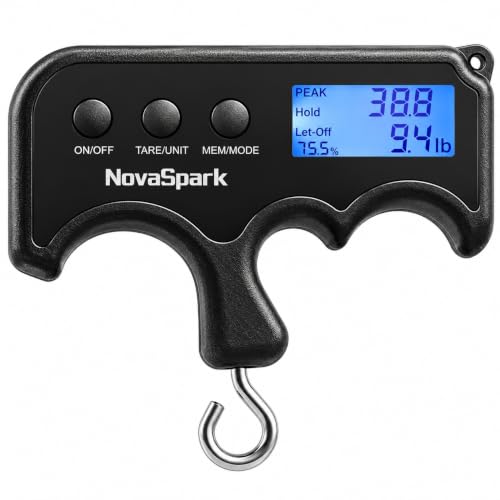


My top pick is a digital bow draw weight scale with peak hold, a clear display, and a common capacity suitable for many archery tasks. That setup gives me the most trustworthy reading at full draw, especially when I’m checking a compound or confirming recurve poundage before a tune.
I care less about sales copy and more about what happens when I pull hard, settle into anchor, and watch the number stop moving.
Top pick for recurve shooters who need repeatable finger-draw readings
For recurves, I want a scale that settles smoothly and does not bounce around while my fingers are on the string. A digital model with peak hold and hold weight lets me see the highest reading and the settled reading, which matters when I compare bows or fine-tune brace height and tiller.
Top pick for compound archers who want reliable peak capture
For compounds, peak capture matters more than the pretty number on the screen. A good scale should catch the actual peak at the archer’s draw length, then hold it long enough for me to read it without guessing. That is where cheap or slow-reacting scales usually fall apart.
Best budget choice for occasional home checks
If you only check poundage a few times a season, a basic digital scale can be enough if you verify zeroing and repeat the reading. A budget tool is fine for occasional work, but I still want a clear LCD display and units I can switch between lb and kg without confusion.
Quick picks by use case
My quick picks depend on how often I measure and how much error I can live with. For a shop bow or a hunting bow I trust, I want repeatability first. For a backup check, I can accept a simpler tool if I confirm it against a known weight.
| Use case | What I’d pick | Why it fits |
|---|---|---|
| Recurve and barebow | Digital scale with peak hold and hold weight | Helps separate the top reading from the settled reading at anchor |
| Compound with release aid | Digital scale with fast peak capture | More likely to catch the actual peak at full draw |
| Shop use and frequent checks | Higher-trust digital scale with repeatable zeroing | Better for repeated readings across different bows and sessions |
| Hunters who want a portable option | Compact digital scale with easy unit switching | Simple to carry, simple to confirm hunting poundage at home |
For recurves and barebows
Recurve finger-draw work is where smooth pull matters most. A scale that jitters or sticks can make the reading look worse than the bow really is. I want one that reads the actual peak, then lets me compare that number with my normal anchor and string angle.
For compound bows with release aids
Compound bows can fool a weak scale because the peak can arrive quickly. I look for a model that locks the weight and shows peak weight, since that gives me the best shot at catching the real number before the display lags behind the draw cycle.
For shop use and frequent checks
If I were checking bows all week, I would spend more on repeatability and less on extras. A shop scale should zero cleanly, reset fast, and show the same result when I pull the same bow three times in a row.
For hunters who want a portable option
Hunters need a scale they can hang in the garage, trust on a cold evening, and put away without fuss. I like portability, but I like repeatable numbers more. A hunting bow that reads a pound or two off is enough to change arrow choice or how hard the draw feels in the blind.
How do I measure draw weight accurately with a bow scale?
I measure draw weight by zeroing the scale, drawing to my normal anchor, recording the peak, and repeating the test a few times. The goal is not one pretty number. The goal is the same number when I repeat the shot the same way.
- Set the scale to zero before every session.
- Attach it the same way each time.
- Draw to your normal anchor, not a guessed anchor.
- Record the actual peak, then note the hold weight if the scale shows it.
- Repeat the reading three times.
- Check the same bow on another day to spot drift.
Setting a first compound bow noticeably too heavy is a common mistake.
What features matter most in a bow draw weight scale?
The features that matter most are peak hold, hold weight, display clarity, unit switching, and enough capacity for the bow you actually shoot. A scale can look solid in a listing and still miss a fast compound peak or a steady recurve hold.
Peak hold function versus hold weight function
Peak hold records the highest weight reached. That is what I want when I care about actual peak draw weight. Hold weight is different; it keeps a stable reading at full draw so the number is easier to read without chasing a bouncing display. The guide also notes that a scale can display peak weight and hold weight, and that is exactly the behavior I want to verify before trusting a tool.
LCD display readability and backlight
Clear LCD display matters more than most people expect. If I cannot read the number while at full draw, the scale is useless in practice. Backlight helps in a garage or on a cloudy evening, and it matters more once the bow starts shaking in my hand.
Units of measurement: lb, kg, g, and oz
Units need to match the way you work. Some scales switch between lb, kg, g, and oz, which is handy if you compare gear in different systems or use a scale for more than bow setup. I still prefer lb for archery, because that is how most bow poundage is discussed.
Capacity limits and the common 110 lb / 50 kg range
Capacity is where buyers make bad assumptions. A common capacity range covers many recurves and compounds, though it may be too limited for heavier draw setups or for anyone who wants extra buffer against overload. One featured scale has a 110 lbs / 50 kg capacity, and another listed scale gives the same 110 lbs / 50kg figure.
Which scale type fits recurve, compound, and hunting use?
Recurve shooters and compound shooters do not need the same behavior from a scale. Finger-draw recurves need smooth response and a stable hold display. Release-draw compounds need fast peak capture. Hunters usually need repeatability at home, not a fancy tool that only looks good in a box.
Finger-draw recurves and why smooth pull matters
With fingers on the string, small changes in hand pressure change the reading. That is why I like a scale that does not jump around and a setup that lets me draw to my own anchor the same way every time. The reading should match my actual peak at my draw length, not some theoretical number.
Compound bows, release aid use, and peak capture behavior
Compounds tend to stress weak scales because the weight builds and settles fast. If the scale lags, it can miss the peak. That is where a digital bow scale with peak hold or automatic lock is worth the money, especially if you tune for hunting and care about exact poundage.
Hunting setups and the need for repeatable checks at home
For hunting, I want the same poundage every time I check the bow at home. That helps me match arrows, confirm draw weight before season, and stay within any legal or comfort limit I’m working around. A bow scale that drifts can trick you into believing your setup is lighter or heavier than it really is.
How do I test a bow scale before trusting the reading?
I test a bow scale by checking zero, repeating readings on the same bow, and comparing the behavior against a known weight or reference. If the numbers wander, the scale is not ready for tuning work. I would rather find that out in my shop than on the line.
- Verify zeroing with no load attached.
- Compare repeat readings on the same bow.
- Check peak hold against a known weight or reference.
- Watch for handle slip, reading drift, and slow reset.
- Retest the next day to see whether the result stays the same.
Failure cases matter. A handle that slips, a display that drifts, or a peak function that captures late can all make the number wrong. On compounds, slow peak capture is the most common miss I worry about. On recurves, inconsistent anchor is usually the bigger problem.
How do I avoid inaccurate readings when checking bow poundage?
I avoid bad readings by keeping the draw motion the same, zeroing before each session, and checking the bow more than once. The biggest mistakes are sloppy setup, inconsistent anchor, and trusting one reading that happens to look good. I never do that anymore.
One more thing helps: I compare the same bow on another day. If the number changes a lot with no setup change, I start looking for scale drift, poor attachment, or a drawing method that changed without me noticing.
What peak weight should a bow scale show?
A bow scale should show the actual peak, meaning the highest draw weight measured at the archer’s draw length. That is the number that matters for fitting arrows, checking hunting poundage, and understanding how the bow behaves at full draw. Hold weight is useful, but it is not the same thing.
Archery terminology from the ATA, formerly known as AMO, uses actual peak in this sense, and AMO length refers to a standardized length for measuring bow strings. I bring that up because bow setup language can get sloppy fast, and sloppy terms lead to sloppy setup decisions.
How much draw weight can a bow scale handle?
Many bow scales fall in a similar capacity class, which covers a lot of archery work. If your setup is well within that range, the tool is usually practical. If you want more headroom, or you are checking heavier setups often, paying for higher capacity can make sense.
I do not buy capacity I will never use. I do buy extra room when the scale will see regular work, because overload and near-limit use are where readings get less trustworthy.
Can a bow scale be used for recurve and compound bows?
Yes, a bow scale can be used for recurve and compound bows, but the right scale behavior changes with the bow type. Recurves need stable draw and readable hold numbers. Compounds need fast peak capture and a display that catches the top number before it slips past.
That is why I do not treat every scale as interchangeable. A tool can work on both bow types and still be better for one than the other.
Frequently asked questions
Do I need a digital or hanging bow scale for my compound bow?
For a compound bow, I prefer digital because peak capture matters more and the display is easier to read at full draw. A hanging spring scale can work in a pinch, but only if you verify its behavior first. If the peak comes and goes fast, a weak digital unit is still better than a slow one.