String Measuring Tape for Bows Review: Best Picks Today
A good string measuring tape for bows is worth buying if it reads AMO string length, brace height, and bow length clearly, and you still verify the maker’s spec before ordering a replacement string. A bad reading can mean a string that is too short, too long, or unsafe to fit. This review explains what these tapes measure, which features matter, and how to use one to avoid wrong string-length orders.
Verdict

- Includes both soft and retractable tape styles
- Double-sided with clear inch and cm markings
- Portable, small pocket size for field use
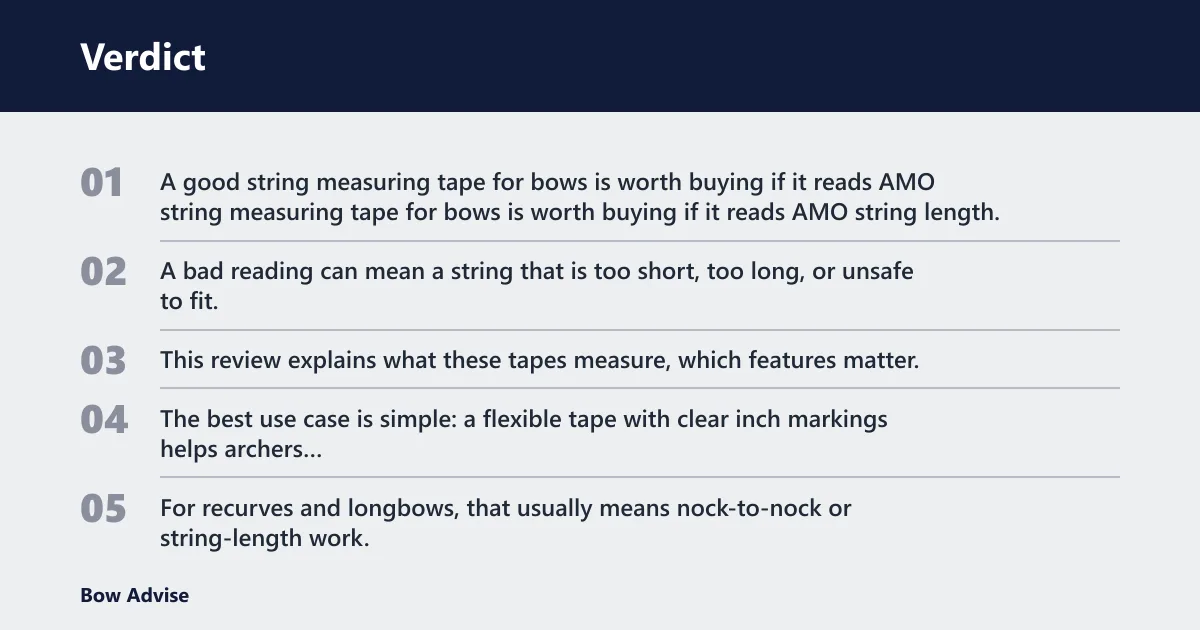
The best use case is simple: a flexible tape with clear inch markings helps archers record the right reference without mixing up bow size, string length, or unit system. For recurves and longbows, that usually means nock-to-nock or string-length work. For compounds, it means checking axle-to-axle and brace height separately, then ordering the right replacement string from the maker’s spec.
📊 STRING has information on about 59 million proteins. Source: STRING.
Specs at a glance
| Spec | What matters for bow setup | iBayam 2 Pack Tape Measure Measuring Tape for Body Fabric Sewing 60"/150cm |
|---|---|---|
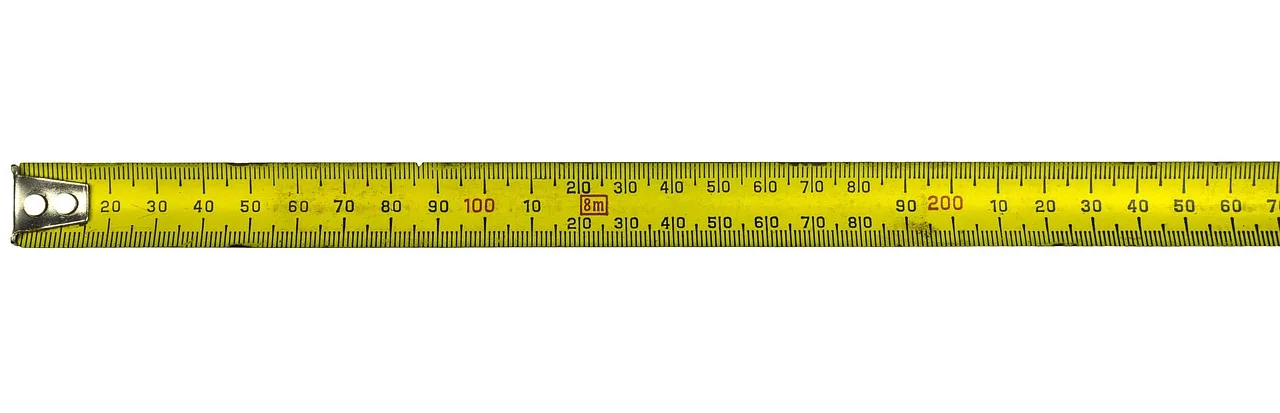
| Tape type | Soft tape works on curved surfaces and around a strung bow | Soft fashion tape; also includes retractable style |
| Zero point | Clear start point reduces short-length error | Double-sided markings; verify where zero begins before use |
| Unit markings | Inch marks matter most for bow strings and AMO-style ordering | Clear inch and cm markings |
| Readability | Fractions help with short measurements and string replacement checks | Readable layout for field use |
| Material | Durability matters if the tape rides in a range bag or toolbox | Portable pocket-size design |
| Best bow types | Recurve, longbow, compound, youth bow | Useful as a general measuring tool for all of them |
Who it is for
A string measuring tape for bows is most useful for beginner archers setting up their first replacement string, compound shooters checking axle-to-axle and brace height, and recurve or longbow shooters who need a clean nock-to-nock reference. It is less about buying a tape and more about avoiding the wrong reference.
String, in the plain language sense, is a sequence of characters used to represent text. In archery, though, string length is a physical measurement that often gets written down as a number in inches. That number only helps if the archer also records the bow type, the reference point, and whether the bow was relaxed or braced.
Beginner archers
Beginners often need one tool that is easy to read and hard to misuse. A soft measuring tape with clear inch marks and a visible zero point is enough for most first-time string checks, especially when ordering from a shop that asks for exact length and bow type.
Compound shooters
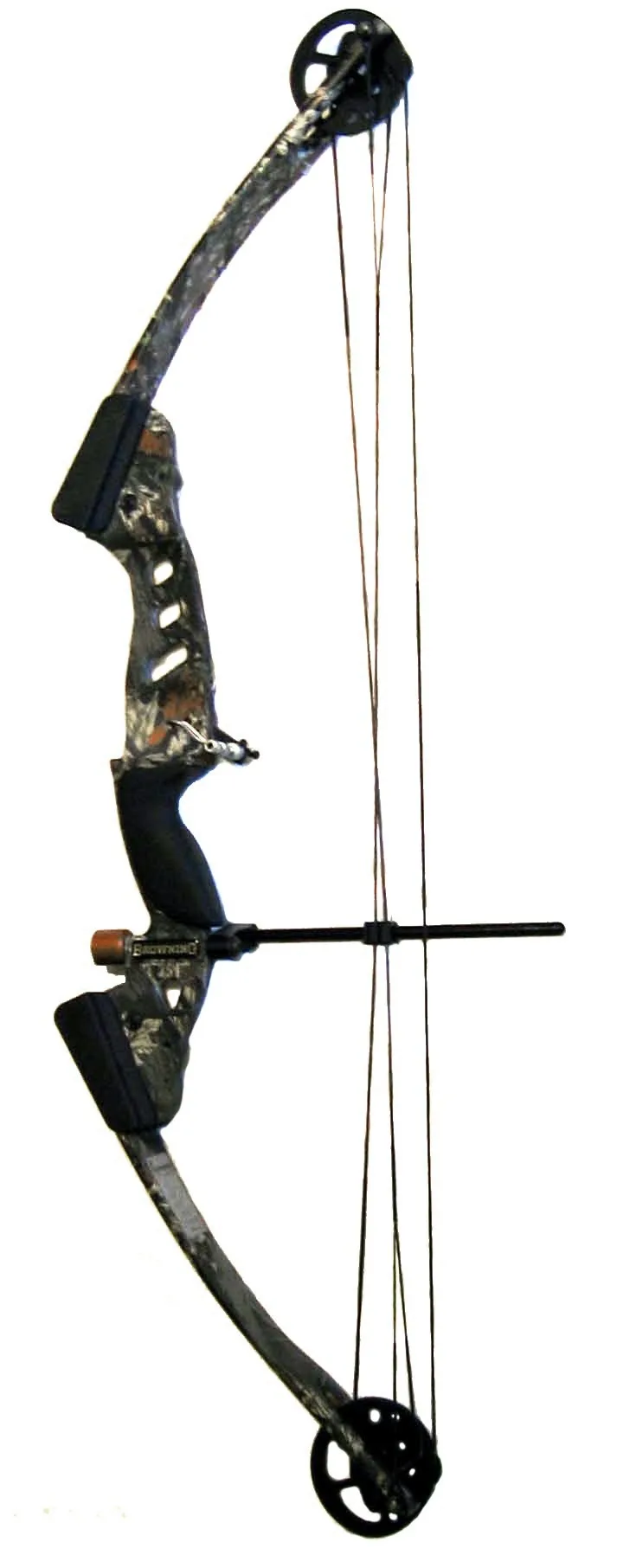
Compound bows are measured differently from recurves and longbows. Axle-to-axle length is a bow spec measured axle center to axle center, while brace height is the distance from the string to the grip or pivot point. A measuring tape helps record those figures separately so they are not mixed into string length. (en.wikipedia.org)
Recurve and longbow shooters
Recurve and longbow shooters usually care more about nock-to-nock or replacement string length. That reference should not be confused with overall bow size. A good tape makes it easier to capture the number cleanly and avoid ordering a string based on the wrong measurement.
What works
Flexible tape on curved or strung surfaces is the biggest advantage here. A steel rule can work on a bench, but it is clumsy around a bow limb or along a string path. A soft tape bends to the shape better and cuts down on a crooked read.
Clear inch fractions are also important. Bow strings are commonly ordered in inches, and a readable fractional scale is easier to verify than a crowded metric-only layout. For archery work, the best tape is the one that makes the unit obvious at a glance.
Durability matters more than many shoppers expect. A tape that survives being tossed into a range bag is more practical than a flimsy one that curls, fades, or tears. The job is not glamorous. It is repeatable measurement.
Say your recurve bow needs a replacement string and the tag lists a length in inches. A soft tape with a clean zero point lets you capture that number without guessing where the measurement began. That is the difference between a usable order and a return.
What does not work
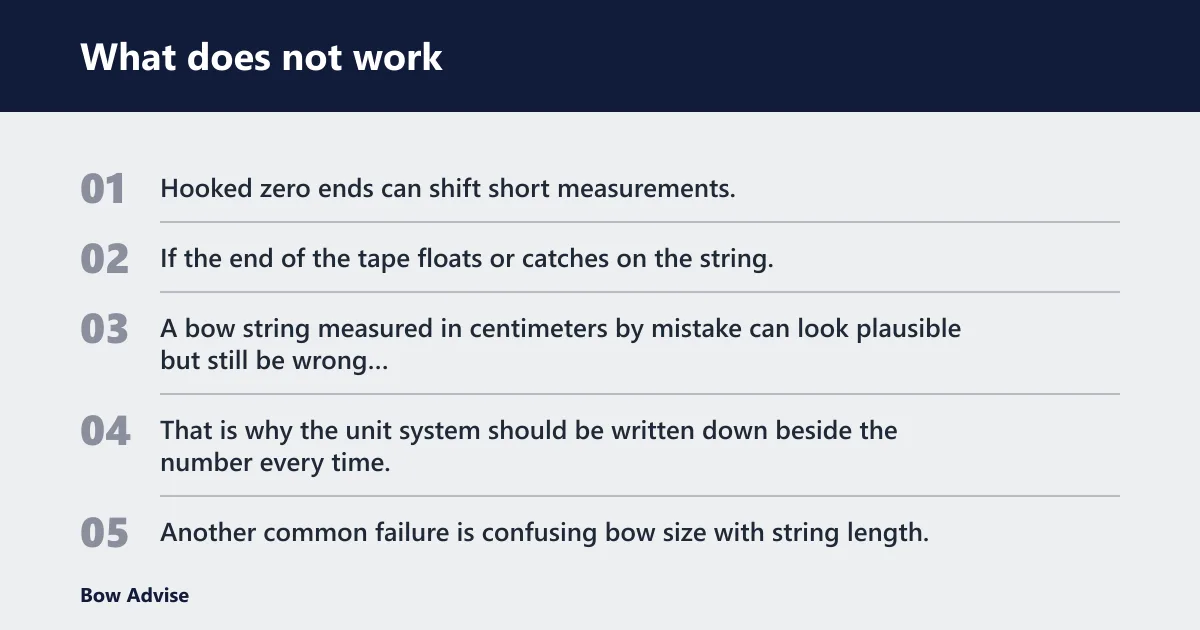
Hooked zero ends can shift short measurements, and short measurements are exactly where archery string work goes wrong. If the end of the tape floats or catches on the string, the reading can drift enough to matter when ordering a replacement.
Units can also be a trap. A bow string measured in centimeters by mistake can look plausible but still be wrong for an order form expecting inches. That is why the unit system should be written down beside the number every time.
Another common failure is confusing bow size with string length. Overall bow length is not the same as nock-to-nock or axle-to-axle, and those references are not interchangeable. A compound bow’s axle-to-axle spec does not replace string-length guidance for a recurve.
Measuring the wrong state is another problem. A string under tension does not answer the same question as a relaxed replacement-string measurement. Brace height is measured differently from string length, and the two should stay in separate notes.
How to use it for bow string setup
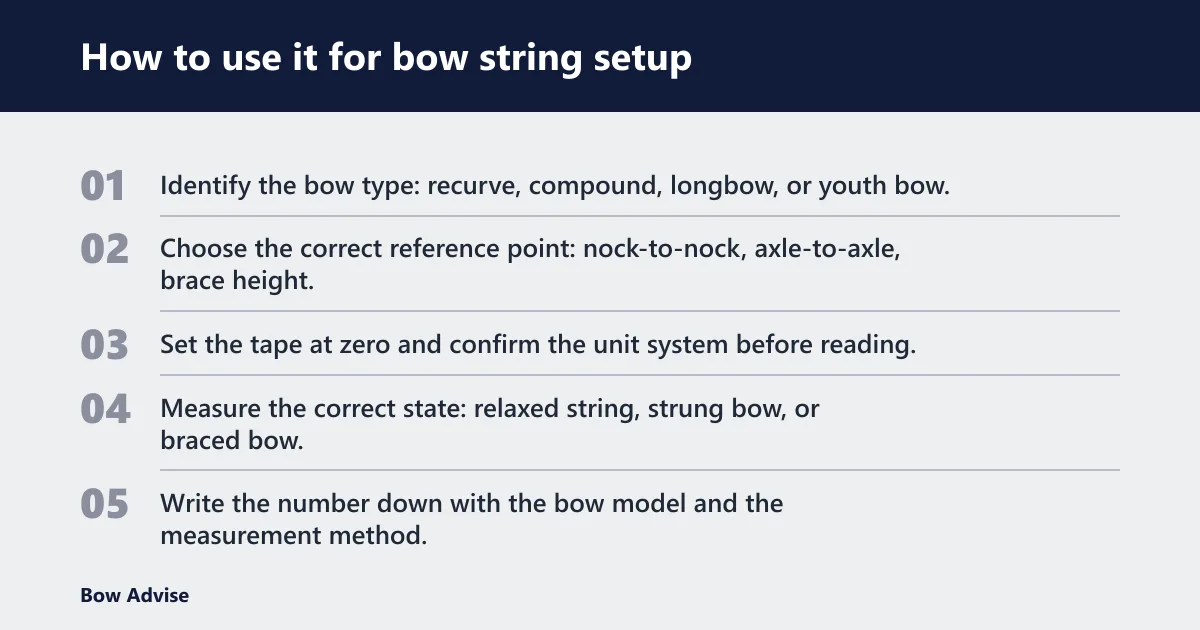
A bow string measuring tape works best when the archer records one reference at a time. Start from zero, use the right unit system, and note whether the bow was relaxed or braced. Then match that note to the bow type before ordering anything.
- Identify the bow type: recurve, compound, longbow, or youth bow.
- Choose the correct reference point: nock-to-nock, axle-to-axle, brace height, or maker’s string-length spec.
- Set the tape at zero and confirm the unit system before reading.
- Measure the correct state: relaxed string, strung bow, or braced bow, depending on the reference.
- Write the number down with the bow model and the measurement method.
- Compare the note to the replacement-string listing or the manufacturer’s chart before ordering.
A common first-timer mistake is measuring a compound bow as if it were a recurve. The result looks precise, but the reference is wrong. Another common mistake is reading the tape from the wrong end, which turns a useful number into a useless one.
Brace height deserves its own note. It is the distance from the string to the grip or pivot point and is measured with a tape, but it is not string length. Axle-to-axle is also separate. It is a compound bow spec, not a replacement-string order number.
How to measure bow string length
Bow string length is measured with a tape or ruler, but the important part is choosing the correct reference for the bow type. For recurves and longbows, that often means nock-to-nock or the maker’s stated string length. For compounds, use the manufacturer’s string specification rather than guessing from bow size.
How to measure archery bow string length
To measure archery bow string length, place the tape at a known zero point and read the correct unit, usually inches. Do not confuse the stretched path of the string with the intended replacement length. Record whether the bow was relaxed or braced so the result is not misread later.
How to measure recurve bow string length
For a recurve, the practical method is to use the string’s reference length, often nock-to-nock, and note it in inches. A soft tape with fractional marks is helpful because recurve strings are ordered by exact size, not by overall bow length. The bow’s brace height should be recorded separately.
How to determine bow string length
To determine bow string length, first identify the bow type and the reference the maker expects. Then measure from zero with the right unit system and confirm the number against the bow’s spec sheet or string maker’s chart. If the measurement method is unclear, stop and re-check before ordering.
Proof checklist for replacement-string ordering
Use this checklist before buying a replacement string. It keeps the measurement notes tied to the right bow type and prevents unit errors.
| Checklist field | What to write | Pass/fail note |
|---|---|---|
| Bow type | Recurve, compound, longbow, or youth bow | Pass if the bow type matches the string listing |
| Reference point used | Nock-to-nock, axle-to-axle, brace height, or maker’s string spec | Pass if the reference matches the bow design |
| Relaxed vs braced state | Relaxed string, strung bow, or braced bow | Pass if the state is the one the maker expects |
| Unit system | Inches or centimeters, written clearly | Pass if the unit matches the order form |
| Tape type | Soft tape, steel tape, or ruler | Pass if the tape gives a clear zero point and readable marks |
| Pass/fail notes | State whether the reading is ready for ordering | Fail if any field is missing or uncertain |
Alternatives
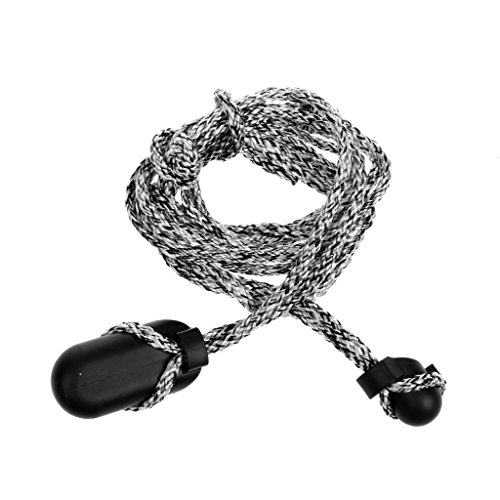
- Simplifies stringing for Dacron string bows
- Provides safe, secure setup method
- Tip-to-tip pull reduces physical effort
The KESHES stringer tool is not a measuring tape, but it belongs in the same conversation because safe string setup starts before any measurement happens. Based on the spec sheet and review patterns, it is a sensible fit for recurve and traditional bows. The drawback is simple: it helps with stringing, not with reading length.

- Lightweight design makes it easy to carry
- Includes wear-resistant serving thread in package
- Easy adjustable tension control for precision
The AMEYXGS bowstring serving jig is useful for string maintenance, especially if serving tension needs adjustment. It is more specialized than a measuring tape, so it makes sense for archers who already know their string-length reference. The honest drawback is that it does not solve the measurement problem by itself.
Should you buy it
Buy a dedicated measuring tape if you are ordering your first replacement string, comparing recurves against a nock-to-nock reference, or checking compound bow setup where brace height and axle-to-axle must stay separate. In those cases, a soft tape with clear inch markings is worth more than a generic workshop ruler.
Skip a special tape if you already have a clean, easy-to-read ruler or tape with a clear zero point and you only need occasional checks. The tool is not magic. It is just a better way to avoid unit mistakes and wrong-reference orders. For a first-string buyer, that is enough reason to keep one in the bag.
String.com has nothing to do with archery string length, even though the word looks the same. A biological database can list proteins and text strings, but a bow string must be measured as hardware with the correct reference. The page title may be similar; the measurement problem is not.
Frequently asked questions
how to measure a bow string
Measure a bow string with a tape or ruler, starting at a clear zero point and using the unit system the seller expects. Then match the reference to the bow type. For recurves and longbows, that often means nock-to-nock. For compounds, use the maker’s string specification and keep brace height separate.
how to measure recurve bow string
A recurve bow string is usually measured by its nock-to-nock reference or the manufacturer’s stated length in inches. Use a soft tape with readable fractions so the measurement is easy to confirm. Do not use overall bow length as a substitute, because the two numbers answer different questions.
how to determine bow length
Bow length depends on the bow type. A compound is commonly described with axle-to-axle length, while recurves and longbows are often discussed with overall length or string reference length. Read the bow’s spec sheet before measuring, because “bow length” can mean different things in different designs.
how to measure bow string length
To measure bow string length, use the correct reference for the bow and record the result in inches unless the order form says otherwise. Keep the string relaxed unless the maker specifically asks for a braced reading. The safest habit is to note the bow model, reference point, and state together.
how to measure bow size
Bow size is not the same as string length. For compounds, size is often discussed as axle-to-axle length. For recurves and longbows, archers may mean overall bow length. The right answer comes from the manufacturer’s terminology, not from a single universal tape measurement.
String.com — Build and run agents with AI — What do you want to automate?
That phrase is about software automation, not bow setup. For archery, the useful habit is still the same: write down the exact reference, the unit, and the state of the bow before acting on the number. A clear note prevents a wrong string order better than a vague reminder ever could.