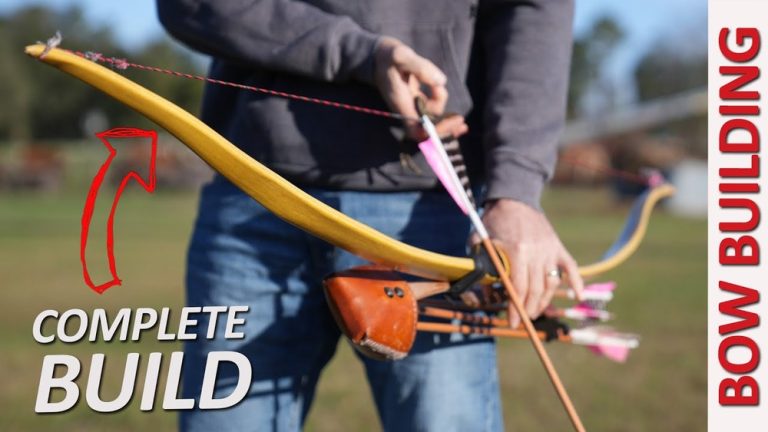
How to Buy an Archery Bow Online Without Getting the Wrong Fit
Buy an archery bow online by checking three specs before checkout: your draw length, handedness, and a draw weight you can hold at full draw for about 10 seconds with good form. Miss one, and the bow can feel awkward, shoot badly, or need to go back. This guide turns bow specs into a step-by-step online buying checklist so you can order the right fit the first time.
Choose the bow for your use
Start with the job the bow has to do. Target shooting, hunting, and backyard practice call for different axle-to-axle lengths, brace heights, and package choices, so use case should come before budget. A ready-to-shoot package can cut setup risk for a first-time buyer, especially when it lists the exact accessories included.
Target shooting
Longer bows are often easier to hold steady, so target buyers usually look for more axle-to-axle length and a setup that favors control over compact carry. A higher brace height can also make a bow feel more forgiving at full draw.
If the plan is indoor lanes or 3-D target work, do not judge only by price. A bare bow with no sight, rest, or release may look cheaper, but the added parts and setup time can erase that gap fast.
Hunting
Hunting buyers usually want a shorter, easier-to-carry bow that still fits the draw-length range and draw-weight range they need. Compact bows can be easier in blinds or brush, but a very short bow may feel less stable at anchor than a longer target model.
For a first hunting bow, a ready-to-hunt package can reduce hidden accessory costs. Check that the package includes the actual parts needed for the field, not just a bow with a quiver photo in the listing.
Backyard practice
Backyard use usually favors a mild draw weight, simple setup, and forgiving geometry. If the bow will see mostly short sessions and form work, the priority is comfort and repeatable shooting, not maximum speed or aggressive cam feel.
That makes beginner-friendly adjustable models a smart online search target. They can cover more than one shooter or grow with the archer, as long as the listed adjustment range truly includes the buyer’s draw length and current strength.
How do you know if the bow fits?
A bow fits when the draw length range matches the shooter, the handedness matches the way the bow is held, and the cam system supports that draw length without forcing a bad anchor point. Those three checks matter before brand, color, or accessory bundle.
Draw length comes first
Draw length is the main fit spec for a compound bow. It must match the archer’s consistent anchor-to-release position, because a bad length changes posture, string contact, and aiming comfort. Most manufacturers list an adjustment range in inches, and the buyer should confirm that their draw length sits inside it.
When the bow uses modules, check the exact module setting or range shown on the product page. If the listing only says “adjustable” without a range, treat that as incomplete information.
Handedness before anything else
Handedness is a common wrong-order problem online. Right-hand and left-hand bows are not interchangeable, so the buyer should match the bow to the hand that holds the grip and the eye that lines up the sight picture. A mismatch can make the bow awkward from the first draw.
If the buyer is unsure, the safer step is to confirm dominant eye and shop by the bow’s handedness label before anything else. Do not assume right-handed by default.
Check the actual adjustment range
Online buyers should look for the actual draw-length range, the draw-weight range, and the cam type on the product page. A bow that looks suitable in the headline may still miss the buyer’s size if the range is narrow or if the modules do not cover the needed setting.
Suppose a shooter needs about 28 inches of draw length and a bow only adjusts from about 26 to 27.5 inches. That bow is the wrong fit, even if the price is attractive.
What draw weight should a beginner buy?
A beginner should choose a draw weight that can be held under control, not the heaviest poundage they may hope to shoot later. For most new archers, a lighter starting range is safer because form breaks down fast when the bow is too hard to draw, anchor, and hold steady.
Use current strength, not future plans
Draw weight should match current strength, shoulder comfort, and control at full draw. A bow that feels “manageable for one shot” may still be too heavy for a full practice session if form collapses after a few arrows.
The practical test is simple: if the archer cannot hold at full draw for about 10 seconds with good form, the weight is too high for a first purchase.
Why lighter poundage is safer at the start
Too much weight can push the shooter into poor anchor, shaking sight picture, and rushed release. That makes practice less useful and can also increase the chance of bad habits that are harder to fix later.
A beginner should favor control first. Speed and heavier poundage can wait until form stays stable.
How limb draw weight range appears online
Online listings may show a limb draw weight range such as 20-30 lb or 40-50 lb. That range is the real number to compare, not just the headline description. Some bows list the range by limb set, while others tie it to module settings or limb bolts.
If the listing does not say where the range starts and ends, do not guess. The buyer needs the exact range before checkout.
Bow fit checkout checklist
Use this checklist before you click buy. A bow can look right in photos and still miss one non-negotiable fit point, so every “No” here is a reason to pause.
- Yes/No: My draw length is known and falls inside the bow’s listed range.
- Yes/No: The bow’s handedness matches my dominant eye and shooting hand.
- Yes/No: The draw weight range is manageable for 10 seconds at full draw.
- Yes/No: The axle-to-axle length suits my use case.
- Yes/No: The cam system type is shown clearly.
- Yes/No: The limb draw weight range is listed in pounds.
- Yes/No: The package contents are named item by item.
- Yes/No: The return policy is written clearly before checkout.
- Yes/No: Setup or tuning support is available from the seller or package listing.
| Buyer profile | Best starting choice | What to prioritize |
|---|---|---|
| Target beginner | Longer, more stable compound | Draw length fit, higher brace height, smoother hold |
| Hunting beginner | Compact ready-to-hunt bow | Handedness, manageable poundage, included accessories |
| Backyard practice only | Fully adjustable starter bow | Low draw weight, broad adjustment range, simple tuning support |
What online specs matter most?
Three specs carry the most weight after fit: axle-to-axle length, brace height, and the cam system with its adjustment range. Those numbers tell you how the bow should feel, how stable it may be, and whether the bow can truly be set to your size.
Axle-to-axle length and stability
Axle-to-axle length measures the distance between the bow’s axles. Longer bows often feel steadier and can be easier for target work, while shorter bows are easier to carry and use in tight spaces. That tradeoff matters more than color or finish.
For hunting, compact can be useful. For target shooting, stability usually matters more than easy carry.
Brace height and forgiveness
Brace height is the string-to-grip distance. A higher brace height often feels more forgiving, which can help newer archers manage small form errors. Lower brace heights can be faster, but they can also be less forgiving if the shooter’s release or anchor is inconsistent.
That makes brace height a real comfort spec, not a cosmetic one.
Cam system, let-off, and adjustment range
Compound bow cam systems can be single cam, dual cam, or hybrid cam. Each affects feel, tuning, and how smoothly the bow moves through the draw cycle. The listing must show the actual draw-length range, especially if the bow uses a modular draw-length system.
Let-off percentage also matters. It tells you how much holding weight drops at full draw, which affects comfort while aiming. A higher let-off can help with holding, but the archer still needs a draw weight that is controllable from the start.
Archery bow online checklist
A ready-to-shoot package can be a safer online buy for beginners because it reduces setup errors and hidden accessory costs. The key is to confirm exactly what is in the box and whether the seller gives tuning help after delivery.
What accessories are included
Check the package contents one by one. A useful bundle may include a sight, rest, quiver, stabilizer, peep sight, release, or sling, but no package should be assumed complete without reading the listing. “Package” can still mean different things from seller to seller.
A bare bow may cost less upfront, but the missing parts can add cost and delay.
What setup support should be listed
Look for setup or tuning support in the product details or seller policy. Online buyers are safer when the listing explains how the bow arrives, whether it needs a bow press, and whether basic adjustment help is available. That matters most for first-time owners.
Products that state “no bow press needed” can reduce setup friction, but only if the adjustment range still fits the buyer.
What return terms to confirm
Before checkout, read the return window, condition rules, and who pays return shipping. Bow fit mistakes are expensive to fix, so the return policy is not optional. If the seller’s terms are vague, that is a warning sign.
Common first-timer mistake: buying a complete kit because it looks ready, then discovering the draw length is outside the module range. The package may still be good, but it is good for someone else’s size, not yours.
Mistakes to avoid
The most expensive bow-buying errors are the simple ones: wrong handedness, wrong draw length, too much draw weight, and no support if the bow needs setup. Avoid those first, because they are harder and costlier to fix than a color choice or accessory swap.
Wrong handedness
A left-hand bow ordered for a right-hand shooter is a dead end. Confirm the handedness label before anything else, and do not rely on product photos alone.
Wrong draw length or range
If the bow sits outside the archer’s draw length, comfort and accuracy both suffer. A module-based bow only helps when the stated range truly covers the buyer’s size.
Too much draw weight
Heavy poundage can look appealing, but it often hurts control. Beginners should buy for current strength, not future ego.
Buying without support or return coverage
A cheap listing with weak return terms can cost more if the bow does not fit. Reputable sellers with written support are safer than a low price with no help after delivery.
Suppose a buyer wants a hunting bow for weekend practice and chooses 50 lb because it sounds serious. If that archer cannot hold steady for 10 seconds, the better move is to step down to a lower limb range and rebuild form first.
Prevention: save the product page, the listed spec range, and the return terms before checkout. That makes it easier to compare the order with the listing if the box arrives and something does not match.
Our picks by need
Best adjustable starter: As an Amazon Associate we earn from qualifying purchases. Prices and availability are accurate as of the date shown and are subject to change.

Bear Archery Cruzer G4 RTH
Based on the published specs and buyer feedback, this is the safest fit-first option for many beginners who want a right-hand bow that can grow with them. Its wide draw-weight range and youth-to-adult sizing help reduce the risk of buying a bow that becomes too small too soon.
Drawback: the package is hunting-ready, which is useful for some buyers, but it may include more than a pure target beginner needs, and a right-hand-only listing will not suit left-handed archers.
Best fully adjustable right-hand option:As an Amazon Associate we earn from qualifying purchases. Prices and availability are accurate as of the date shown and are subject to change.

DIAMOND ARCHERY Edge Max
This model stands out when the buyer wants broad draw-length and draw-weight adjustability with a binary cam system. That combination can help a new owner stay inside the usable range while keeping the bow stable enough for tuning and practice.
Drawback: it is a more expensive buy than some starter kits, and the accessorized setup can still require reading the included parts carefully before ordering.
Best budget beginner kit:As an Amazon Associate we earn from qualifying purchases. Prices and availability are accurate as of the date shown and are subject to change.

S F ready to hunt compound bow package
For a first-time buyer who wants a low entry price and a wide adjustment range, this package is hard to ignore. The listed 19-inch to 30-inch draw length and 20 to 70 lb draw weight range make it flexible on paper, and the included sight, rest, stabilizer, and peep sight cut accessory guesswork.
Drawback: broad ranges do not replace proper fit, and a budget kit still needs careful inspection of seller support and return terms before checkout.
Best left-hand starter:As an Amazon Associate we earn from qualifying purchases. Prices and availability are accurate as of the date shown and are subject to change.

PANDARUS left-handed compound bow
This is the clearest option for a left-handed beginner who needs a wide adjustment window. The listed 19.25-inch to 31-inch draw-length range and included accessories make it relevant for first-time buyers who want a complete, left-hand setup.
Drawback: the product title and listing are crowded, so the buyer needs to verify every included part and confirm that the package matches the intended hand before purchase.
Frequently asked questions
How do I know if a bow will fit my draw length?
Check the bow’s stated draw-length range and compare it with your measured draw length before checkout. If the bow uses modules, confirm the exact module setting or the manufacturer’s listed adjustment range. If your number falls outside that range, the bow is the wrong fit.
What draw weight should a beginner choose for a first bow?
Choose the lightest poundage that still lets you hold full draw with steady form for about 10 seconds. For many beginners, that means starting well below heavy hunting weights. The goal is control and repeatable release, not maximum power on day one.
Should I buy a right-handed or left-handed bow?
Buy the handedness that matches how you hold the bow and which eye you use for aim. A right-hand bow is not a universal default. If the listing does not match your shooting side, skip it and keep shopping.
What axle-to-axle length is best for target shooting or hunting?
Target shooters usually benefit from a longer bow because it often feels steadier at anchor. Hunters often prefer a shorter bow for carry and movement in tight spaces. Use the use case first, then compare the listed axle-to-axle length.
What else do I need to check before ordering an archery bow online?
Check the brace height, cam type, let-off percentage, package contents, return policy, and whether setup or tuning support is offered. A bow can be a good size match and still be a poor online buy if the listing leaves out these details.
Is a ready-to-shoot bow a safer online buy for beginners?
Usually yes, if the package lists the included parts and the bow still matches your draw length and handedness. Ready-to-shoot bundles reduce accessory guesswork and can lower hidden costs, but they are only safer when the actual fit specs are right.