Best Bow Setups for Indoor Target Archery (2026): research shows
For indoor target archery, start with a stable, easy-to-tune setup: a draw weight you can hold through a full end, arrows that leave cleanly, solid clicker or release execution, and sight or click settings that help keep groups tight at indoor distance. Bad setup costs points through vertical spread, grip torque, and tune changes under pressure. This guide covers the bow, arrows, accessories, and setup choices that matter most for indoor score potential.
Quick comparison
| Product | Badge | Best for | Price | ||
|---|---|---|---|---|---|
 | SAS Gravity 60" One-piece Recurve Bow Wooden Hunting TargetSAS | Our pick | 60" one-piece · 30 lb · RH | $149.99 Price as of 14 Oct 2026 | View |
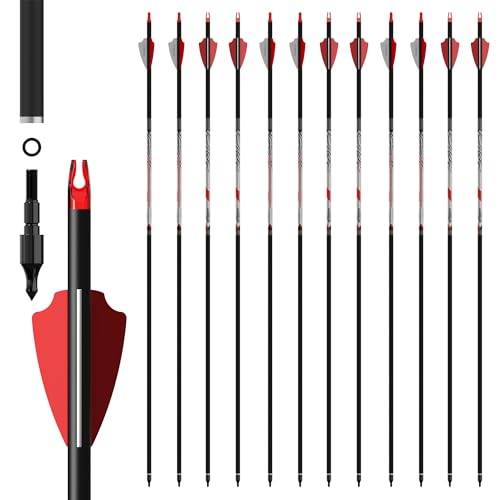 | WIXUSPO 32" Pure Carbon Archery Arrows Spine 300 RemovableWIXUSPO | Pair with it | 32" carbon · spine 300 · 12 pcs | $49.99 Price as of 14 Oct 2026 | View |
 | Archery Balance Bar Set Compound Bow Stabilizer SystemSHARROW | Upgrade pick | Carbon stabilizer set · for compound/recurve | $129.99 Price as of 14 Oct 2026 | View |
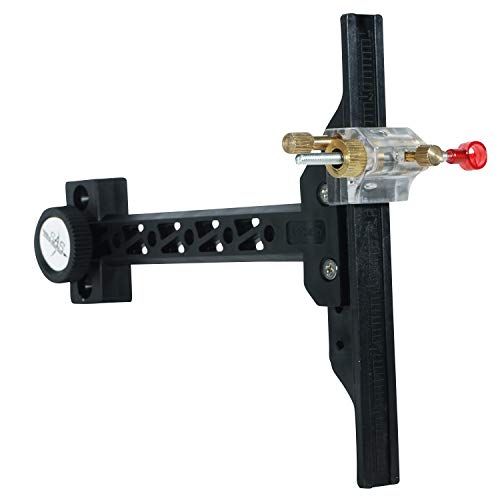 | Southland Archery Supply Target Sight, T Shape AdjustableSAS | Budget pick | 6" adjustable · ring pin · 4.5 oz | $14.99 Price as of 14 Oct 2026 | View |
Recurve and compound both score well indoors when the setup fits the shooter and the rule set. Beginners usually score better with manageable draw weight and simple aiming gear, while serious league shooters gain more from exact tuning, repeatable anchor points, and arrow choices that suit indoor faces and lighting.
How we chose
This guide ranks setup choices by repeatability, tuneability, sight picture, fatigue control, and indoor scoring impact. Those factors matter more than speed or all-purpose use at 18 meters.
Indoor rounds are long. A setup that feels fine for six arrows can fall apart by end eight if the draw weight is too high, the sight picture blooms under bright lights, or the arrow spine is only close enough to work outdoors.
The product picks below are limited to the listed Amazon items. They are compared on specs, owner feedback, and fit for the indoor job at hand.
What should you prioritize first?
Start with a bow you can hold cleanly through a full indoor end, then arrows that tune with that bow, then aiming gear that gives a calm sight picture at 18 meters. Speed matters least. A bow that is too heavy, too stiff, or too twitchy loses points faster than a modest setup with clean execution.
Think in layers. Draw weight sets control and fatigue. Arrow spine, length, and point weight decide how the bow leaves the shot. Sight, rest, plunger, release, and stabilizer finish the job by making the shot repeatable under lane lighting and long end counts.
Start with draw weight you can hold
For recurve, many indoor shooters do better starting around 20 to 26 lb on the fingers if they are newer, with a somewhat higher range often suiting many experienced target archers. For compound, the key is not peak weight alone but holding weight after letoff; a setup that feels easy at full draw still needs to stay steady for long ends.
Overbowed shooters often fight high anchor, collapsing shoulders, and larger vertical spread. A common first-timer mistake is choosing a draw weight that looks manageable on the first end, then watching the sight wobble grow by end six.
Say your recurve bow jumps from a steady center hold to a shaky float whenever the line gets busy. That is usually a sign the draw weight is beyond what the archer can repeat, not a sign that the sight is faulty.
Match arrows as a system
Indoor arrows should match draw weight, draw length, and bow type. Recurve setups often need a different spine than compounds because finger release, arrow paradox, and point weight can change how the shaft reacts. Heavier indoor points, often 100 to 200 grains and sometimes more depending on class and rule set, weaken dynamic spine and can improve forgiveness when matched correctly.
Arrow length matters too. Leave safe clearance past the rest, plunger, or containment system, and keep every shaft the same length for consistent groups. A short arrow that risks contact is a safety and tune problem. A long arrow that varies from shaft to shaft is a grouping problem.
Indoor diameter also matters. Larger shafts can cut more line on close scoring faces, but they must fit the rule set, the target face, and the archer’s class. Aluminum, carbon, and carbon-aluminum all appear indoors; the right choice depends on whether the archer wants diameter, durability, or easier tuning.
Set up aiming gear before chasing small gains
A sight or aperture that adjusts cleanly is worth more than a dozen minor accessories. Under indoor lighting, brightness and edge clarity matter because a blurry pin or washed-out aperture pushes the archer into inconsistent aiming. Stabilizers matter because they calm the bow during the last half of the hold, where points are won or lost.
For recurve, a clicker, plunger, and clean nocking point set the tune baseline. For compound, a solid release aid and a containment-style rest or wheel-style rest usually matter more than cosmetic add-ons.
What draw weight is best for indoor target archery?
The best draw weight is the lightest weight that lets you hold the bow steady, keep anchor consistent, and finish a long indoor end without form collapse. For many new recurve shooters, that means the low 20s in pounds on the fingers; for compound, it means a hold weight that does not shake the sight picture during long pauses at full draw.
Indoor rounds punish fatigue more than outdoor practice does. Extra weight can make the bow feel solid for one end and sloppy by the third. A bow that is easy to control usually scores better than a heavier bow that forces the shooter to rush the shot.
Recurve draw weight
Recurve archers often do best indoors with enough weight to keep the arrow tune clean, but not so much that the clicker becomes a deadline. A manageable range lets the archer stay in alignment, maintain back tension, and keep the sight ring stable enough to call the shot cleanly.
If the bow feels heavy on the last three arrows of an end, it is too heavy for indoor work. That fatigue shows up as collapsing bow shoulder, inconsistent anchor, and vertical stringing.
Compound draw weight
Compound shooters should focus on holding stability and execution rather than peak draw weight. A heavier cam setup can still work indoors, but only if the shooter can settle the scope and break the shot the same way every time. High letoff helps, yet it does not fix poor hold or poor trigger control.
For compounds, the wrong draw weight often shows up as a rushed release, punched trigger, or creeping bow arm. Those faults cost more indoors than a slightly slower but calmer setup.
Do I need different arrows for indoor target archery?
Yes. Indoor arrows are usually chosen for consistency, forgiveness, and scoring behavior on a close target face, not for wind drift or long-distance speed. The best indoor shaft is the one that matches draw weight, draw length, point weight, and bow type while fitting the rule set for diameter and material.
Outdoor hunting arrows often have smaller diameter and faster point setups that do not serve indoor scoring as well. Indoor shooting rewards shafts that tune cleanly and hold a stable group at 18 meters.
Arrow spine matters more indoors than many archers expect
Spine should match the real load the bow puts on the shaft. More draw weight, longer draw length, and heavier points all make the arrow act weaker dynamically. Recurve shooters usually feel this more strongly because finger release adds more shaft reaction than a release aid does on a compound.
Too weak a spine can produce erratic tail movement and wide groups. Too stiff a spine can be just as troublesome, especially on recurve, because the arrow may resist the bow’s energy instead of flexing around it.
Point weight changes forgiveness
Heavier indoor points soften the arrow’s dynamic reaction and can make the bow feel more forgiving at the shot. Common indoor point weights vary by shaft and discipline, but heavier points are often used to improve tune and reduce harsh launch behavior. The tradeoff is that they may require a stiffer shaft and can reduce raw arrow speed.
That speed loss is not a problem at 18 meters. Cleaner flight is the point.
Arrow length must leave safe clearance
Length should allow the arrow to clear the rest, plunger, and any launcher or containment parts through full draw and release. Every arrow in the set should be cut to the same usable length. Mixed lengths create mixed tune and mixed impact height.
Suppose a compound archer runs an arrow that barely clears the rest at full draw. It may tune fine on one day, then brush the launcher when anchor gets a little longer or grip changes under pressure. That is a setup problem, not a mystery flyer.
Should I use a sight, stabilizer, and clicker for indoor target archery?
Yes, for most target archers. A sight with precise adjustment, a stabilizer that steadies the bow, and a clicker for recurve or a consistent release for compound all support repeatable shots at 18 meters. These parts do not create score by themselves, but they remove noise from the shot process.
Indoor lighting makes weak aiming hardware more obvious. If the sight picture blooms or the bow feels top-heavy, the archer starts steering the shot instead of executing it.
Recurve: aperture sight, clicker, plunger, and stabilizer
For recurve, a clean aperture sight with fine windage and elevation adjustment is the normal indoor choice. A clicker gives a clear draw-length reference. A plunger helps center-shot and arrow flight, while the stabilizer improves balance and steadiness during the hold.
Longer front bars can help settle the sight picture, but only if the archer can hold the bow without wobble from excess weight. Recurve indoor balance should feel calm, not nose-heavy.
Compound: scope, release, rest, and balance bars
Compound shooters usually rely on a scope or sight housing with a clear aiming point and fine adjustments. A consistent release aid matters because trigger timing and hand torque can move the group more than small sight changes. Containment rests or other secure rests help keep the arrow in place during the draw cycle.
A front bar with a side rod or V-bar can make a compound sit more neutral at full draw. That steadier balance often pays off more than chasing tiny cam changes once the bow already tunes cleanly.
How do I tune a compound bow for indoor target archery?
Compound tuning indoors should produce clean arrow flight, a stable sight picture, and a repeatable release. The process starts with center-shot, rest timing or containment setup, nock height, and paper or bare-shaft confirmation. Once those are correct, the bow should hold and shoot the same way through full indoor ends.
Indoor compounds do not need a speed tune. They need a quiet tune that stays put. Poor rest setup, bad spine, or an inconsistent release shows up fast in group shape.
Compound tuning priorities
- Set center-shot and nock height according to the rest and bow manufacturer’s baseline.
- Verify that the release aid trigger pressure is consistent from shot to shot.
- Paper tune at close range, then confirm with bare shafts if the shaft length and setup allow it.
- Check broad vertical spread before chasing windage changes.
- Confirm sight tape or sight marks at 18 meters only after tune is stable.
Release consistency matters more on compound than many new indoor shooters expect. A punchy index trigger or a collapse under surprise release will move arrows even when the bow is mechanically sound.
Compound failure modes
Over-spined arrows can make the bow feel dead and unforgiving. Under-spined arrows can give erratic left-right behavior. A rest that is not centered properly can create groups that change when the shooter’s anchor pressure changes. All three are common indoor misses that have nothing to do with sight quality.
How do I tune a recurve bow for indoor target archery?
Recurve tuning indoors should start with nocking point height, center-shot through the plunger, brace height, and a clean arrow reaction through bare-shaft or paper checks. The goal is a bow that launches arrows cleanly and lands them in a stable group even when the archer’s form is not perfect.
Recurve indoor tuning is less about speed and more about forgiveness. That is why plunger behavior, nock height, and point weight matter so much.
Recurve nocking point and plunger setup
The nocking point gives the arrow a repeatable start position at anchor. It must be high enough for clean clearance and low enough to avoid tail-up issues. A plunger helps tune left-right reaction and center-shot alignment, especially when point weight changes the dynamic spine.
Once the bow is close, bare shafts can reveal whether the arrow is behaving weak or stiff. Small nock-height shifts and plunger tension changes often solve issues that would otherwise look like “bad arrows.”
Recurve failure modes
Common failures include an over-heavy bow, a stiff shaft matched to a light point, or a nock height that causes inconsistent clearance. Another common issue is an unstable anchor that changes the sight picture from shot to shot. That turns tuning problems into form problems.
What arrow spine should I use for indoor target archery?
Arrow spine should match bow type, draw weight, draw length, and point weight. For indoor recurve, shaft selection usually needs more attention because finger release and heavier points can swing dynamic spine quickly. For compound, spine still matters, but release consistency and rest setup often tighten the tune window.
There is no single spine that fits every indoor setup. A bow at 26 lb on the fingers with a long draw and 200-grain point may need a very different shaft than a compound at similar target distance. The correct spine is the one that groups cleanly after tune, not the one that sounds strongest on paper.
Recurve spine rules of thumb
Heavier draw weight and heavier point weight both push the archer toward a stiffer shaft. Longer draw length does the same. If the shaft is too weak, indoor groups can open vertically and side-to-side as the arrow recovers unevenly. If it is too stiff, bare shafts may land oddly and the bow may feel unforgiving.
Recurve shafts also need consistent cut length and nock fit. A set of arrows that are all “close enough” is usually not close enough for a tight indoor round.
Compound spine rules of thumb
Compound arrows often run stiffer than recurve arrows for a similar draw weight because the release aid removes finger paradox. Heavy indoor points still weaken the dynamic reaction, and a long draw can push the shaft softer than expected. The key is to fit the shaft to the actual letoff, rest, and point setup.
Compound archers chasing indoor line-cutting diameter sometimes stiffen the shaft to carry heavier points, then discover that the bow only tunes when rest position and nock fit are exact. That is normal. It is also why changing one variable at a time matters.
What accessories matter most for indoor target archery setup?
The most useful accessories are the ones that improve repeatability: sight, stabilizer, rest or plunger, release aid for compound, and a clean nocking setup for recurve. Everything else should come after those basics. If an accessory does not help the shot leave the bow the same way every time, it is lower priority.
Indoor archery rewards a calm bow and a clear sight picture. Accessories that add noise, weight in the wrong place, or unreliable adjustment hurt more than they help.
Indoor setup priority matrix
| Priority | Choice | Best option for recurve | Acceptable fallback for recurve | Common failure mode for recurve | Best option for compound | Acceptable fallback for compound | Common failure mode for compound |
|---|---|---|---|---|---|---|---|
| 1 | Draw weight | Low to moderate weight that can be held through a full end | Higher weight only if form stays stable late in the round | Collapse, shake, and rushed shots from fatigue | Comfortable holding weight with enough letoff for steady aim | Slightly heavier hold if the sight picture stays calm | Trigger punching and creeping under hold stress |
| 2 | Arrows | Proper spine matched to weight, draw length, and heavier indoor points | Close spine with tune help from plunger and point changes | Weak or stiff shaft causing flyers and vertical spread | Stiff, consistent shafts matched to rest and point setup | Near-match shaft if paper tune is clean | Rest timing issues and erratic left-right impact |
| 3 | Sight / aiming | Fine-adjust aperture sight with clear indoor visibility | Simple sight with solid windage and elevation locks | Washed-out picture or shifting marks | Clear scope or sight housing with precise clicks | Basic scope if the dot or ring is bright enough | Hard-to-see aiming point under lane lights |
| 4 | Stabilization | Front stabilizer sized for calm hold without excess weight | Shorter bar if balance remains neutral | Top-heavy bow or wobble from too much mass | Front bar plus side rod or V-bar for balance | Front bar only if hold remains steady | Bow roll and sight drift under full draw |
| 5 | Rest / plunger / release | Clean plunger tune and consistent nock height | Basic rest with careful center-shot work | Inconsistent arrow reaction and tune drift | Containment or wheel rest and a consistent release aid | Basic rest if timing and contact are stable | Release error disguised as tune trouble |
| 6 | Arrow diameter | Diameter that fits the class and scoring face | Standard target shaft if larger diameter is not allowed | Missing line-cut potential or illegal setup | Larger legal shaft if rule set allows it | Standard shaft when class limits diameter | Wrong shaft size for the round or class |
This matrix puts the biggest score movers first. A stable hold and correct arrows matter more than a fancy stabilizer, and a clean tune matters more than a cosmetic accessory that never touches the shot.
SAS 60-inch one-piece recurve: best for simple indoor recurve setup
- Engineered deflex design minimizes vibration and hand shock
- Reinforced tips compatible with modern Fast Flight strings
- Smooth draw cycle suitable for all experience levels
This 60-inch one-piece recurve fits archers who want a straightforward target bow with a smooth draw cycle and a traditional platform for indoor work. The deflex design should help reduce hand shock, which is useful when long ends make small execution errors easier to feel.
It stands out because the bow is simple, stable, and compatible with modern Fast Flight strings. For indoor target archery, that kind of predictable platform can be easier to learn on than a faster, more demanding bow.
The drawback is obvious: a 30 lb one-piece recurve may be too much for some newer indoor shooters, and the fixed design leaves less room to adjust than a takedown setup. It is also more limited for archer-specific tuning than a full target recurve rig.
WIXUSPO 32-inch pure carbon arrows spine 300: best for indoor carbon shafts
- Cross-woven carbon shafts offer high durability
- Removable nickel-plated steel tips resist corrosion
- Rotatable nocks allow easy angle adjustment
This arrow set fits archers who need a durable carbon shaft with a spine in the 300 range and a full 32-inch length. That length can help with safe clearance and setup flexibility, especially for longer draws or bows that need extra shaft to keep clear of the rest and plunger.
It stands out for its pure carbon construction and rotatable nocks, which makes fine angle adjustment easier. For indoor use, that can help when you are trying to keep the shaft consistent across a set.
The drawback is that a fixed spine 300 may be right for some indoor setups and wrong for others. Heavier points, draw length, and recurve release style can all shift the dynamic reaction enough that a spine check is still necessary.
SHARROW balance bar set: best for stabilizing compound or recurve
- Reduces bow noise and vibration for steadier shots
- Adds weight to improve accuracy during draw
- Includes main rod, side rods, and extension
This stabilizer system fits shooters who want a front bar plus side rod setup for a more settled bow at full draw. The included main rod, side rods, and extension make it more relevant for compound indoor balance, though recurve shooters can also use it if the weight distribution works for their hold.
It stands out because added mass in the right place can calm movement during the aiming phase. Indoors, that can improve the ability to float the sight inside the gold instead of fighting the bow.
The drawback is that a full balance-bar system can become too heavy or awkward for some archers, especially if the front weight is added before the draw weight and tune are already sorted. More parts also mean more setup time.
SAS target sight: best for budget recurve indoor aiming
- Smooth micro windage adjustment via ring pin
- Detachable mounting bar for easy storage
- Lightweight nylon construction suitable for target shooting
This sight suits recurve archers who want a light, adjustable target sight with a ring pin and dot. The micro windage adjustment and detachable bar make it practical for indoor lanes where small changes matter and storage space may be limited.
It stands out as a low-cost entry point for a sighted recurve setup. For indoor target archery, that fine adjustment range is more useful than a bulky sight with vague clicks.
The drawback is that the nylon construction and lightweight build may not feel as solid as higher-end metal target sights. Serious shooters who need repeatable long-term settings may outgrow it quickly.
Which one should you buy
If you are new, spend first on the setup that keeps the bow easy to hold, then on arrows that actually tune. A better arrow set and a basic sight usually beat a heavy bow or a pile of accessories. Indoor scoring starts with control.
For recurve, the SAS 60-inch one-piece bow is the simplest path if the 30 lb draw weight is within reach. Pair it with the SAS target sight only if a sighted indoor style fits the class and the shooter’s budget. For arrows, the WIXUSPO carbon set is a reasonable starting point only if the spine and length match the draw weight after tuning.
For compound, the SHARROW balance bar set is the most relevant accessory in the list because indoor compounds live or die on hold stability. It should come after the bow itself is correctly tuned and the release execution is consistent.
A serious league shooter should upgrade in this order: draw weight that can be held all end, arrows that tune cleanly, sight clarity, then stabilizer mass and balance. A beginner should do the opposite of what many catalogs suggest and buy fewer parts, not more.
Frequently asked questions
What should I prioritize when setting up a bow for indoor target archery?
Prioritize draw weight you can hold through long ends, then arrows that match the bow, then sight and stabilizer choices that keep the shot calm at 18 meters. Indoor setup is about repeatability, not raw speed. If the bow is hard to hold, the rest of the setup cannot fully fix it.