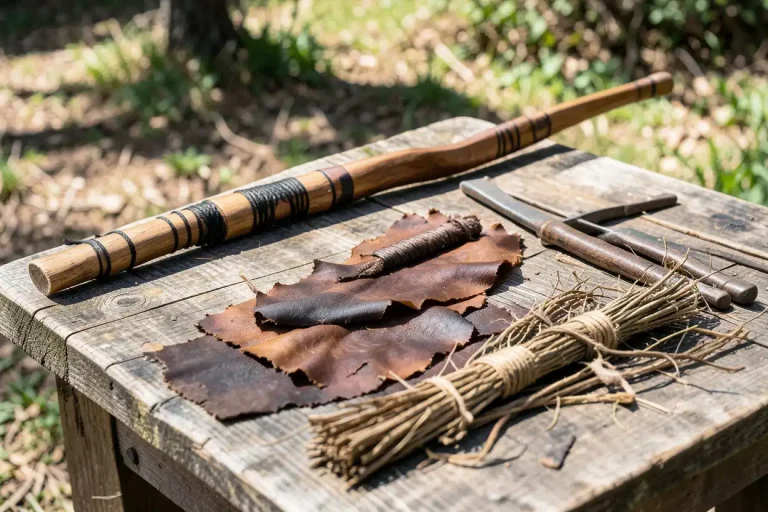
How to Choose Arrow Fletching for Beginners
Choose fletching by setup: use short, low-profile 3 vanes for most compound bows, 4 vanes or larger helical vanes for broadheads and longer ranges, and feathers for recurves or indoor target work. Wrong fletching costs arrow stability, broadhead forgiveness, and downrange consistency. This guide covers vane versus feather choices by bow type, distance, weather, and field-point or broadhead tuning.
This guide is part of our Archery basics: beginner guide to bows and shooting series.
Choose by bow type
Fletching is the arrow’s “flight wings,” and it works with spine, FOC, weight, straightness, and angle rather than replacing them. The right choice starts with bow type, because the same fletching can behave very differently on a recurve and a compound setup.
Recurve setup: when feathers make sense
Feathers are the better starting point for many recurve beginners because they are light and stabilize the arrow quickly at shorter distances. They also clear the rest well on many traditional setups, especially when the bow is tuned for close-range practice or hunting. The tradeoff is moisture sensitivity, so wet grass or rain can shorten feather life and make performance less consistent.
For a recurve, feather fletching often hides small tuning mistakes better than a short vane. That helps when the arrow is still being matched to the bow’s draw weight, point weight, and shaft length. If the arrow is meant for indoor target shooting, feathers are often the simpler choice.
Compound setup: when low-profile vanes make sense
Plastic vanes are the common hunting choice on compound arrows because they are light, durable, and resist moisture. A low-profile vane also clears more rests cleanly, which matters because compound arrows usually leave the bow faster and need consistent clearance. For many beginners, a short vane is easier to keep quiet and repeatable.
Blazer vanes are a common example of this category. They are short, low-profile, and precision-focused, so they suit hunters who want stable flight without adding a lot of drag. The downside is that very short vanes give up some forgiveness if the arrow tune is poor or the broadhead is hard to stabilize.
How target use changes the choice
Target use changes the fletching choice because the bow, distance, and point style matter together. Indoor target work favors forgiving stabilization over low drag. Outdoor target work usually benefits from cleaner flight and less drag, especially as distance increases. That is why a beginner should not copy a hunting setup blindly for a target bow.
Say your compound is set up with field points for 20-yard indoor practice. A small vane may fly well and stay quiet through the rest, but if the same arrow is later used with broadheads, the setup may need more clearance and a more forgiving vane profile.
Match fletching to distance
Target distance changes how much stability the arrow needs and how much drag it can tolerate. Shorter distances favor forgiving stabilization. Longer distances favor lower drag and more repeatable flight, because extra drag can cost speed and make arrows react more to wind.
Shorter distances and forgiving stabilization
At shorter distances, a beginner usually benefits from more forgiving stabilization rather than the least drag possible. That is why feathers and larger fletching still have a place in indoor target work and some recurve hunting setups. If the arrow is slightly imperfect, more steering in the rear can help it settle sooner.
Fletching length matters here. The common 3- to 4-inch range is often discussed because it sits between fast stabilization and extra drag. Longer fletching can forgive more tune issues, but it also adds drag and can slow the arrow sooner.
Longer distances and lower drag
Longer distances call for less drag and more repeatable flight. Shorter vanes are often preferred on compounds for that reason, especially when the shaft is already well tuned. A vane that is too large can stabilize quickly, but it can also create more wind resistance than a beginner needs for distance work.
For outdoor target shooting, many compound archers lean toward low-profile vanes because they balance stability with reduced drag. For recurve, parabolic cut fletchings are common when the goal is a smoother, lower-drag profile at distance.
Indoor versus outdoor target use
Indoor target shooting is forgiving of more drag because wind is usually not the main issue. Outdoor target shooting adds wind drift, so fletching material and shape matter more. That is where parabolic cut fletchings can help by reducing drag, while shield cut profiles offer a balance of stability and drag that is more wind-friendly than some bulkier shapes.
A common first-timer mistake is choosing a short hunting vane for a weakly tuned outdoor arrow and then blaming the vane for poor flight. If spine, length, and point weight are not matched first, even the right fletching can only do so much.
Do broadheads change the choice?
Yes. Broadheads usually make arrow flight less forgiving, so fletching choice matters more than it does with field points. The goal is not extra spin by itself. The goal is stable, predictable flight with enough clearance to keep the arrow from being disturbed at launch.
Field points versus mechanical broadheads
Field points are easier on fletching choices because they do not steer the arrow like broadheads do. Mechanical broadheads still need good clearance and stable flight, but they are generally less demanding than fixed broadheads in many beginner setups. Even so, a weakly tuned arrow can still show poor grouping with mechanical heads.
For broadheads, many beginners do better with a more forgiving vane profile and a setup that clears the rest cleanly. A short vane can work if the bow is tuned well. A larger vane or helical setup can help when the arrow needs more correction in flight.
Why stable flight matters more than spin count
Stable flight matters more than simply counting how much the arrow spins. Broadhead flight depends on the whole system: spine, shaft length, point weight, rest clearance, and fletching. If those are mismatched, adding more steering in the rear does not fix the root problem.
The right arrow setup should be matched to the bow setup rather than treated as universal. That is the safest way to think about fletching too. A compound setup with broadheads often needs a different answer than a recurve with field points.
When to favor a more forgiving vane profile
Favor a more forgiving vane profile when the bow will shoot broadheads, the tune is not perfect yet, or the arrow needs extra help recovering from release error. That often points to a taller or more aggressive vane, or a feather on a recurve hunting arrow. For a compound, a low-profile vane can still work if clearance is solid and the tune is correct.
Arrow fletching decision matrix
This matrix ranks beginner-friendly choices by setup, not trend. It is meant to narrow the first buy, not replace proper spine, length, and point-weight matching.
| Beginner scenario | Recommended material | Length | Profile | Why it fits | Common mistake to avoid |
|---|---|---|---|---|---|
| Recurve indoor target | Feathers | 4-inch class | Shield cut or parabolic cut | Quick stabilization at short distance and easy forgiveness on a beginner recurve. | Choosing a low-profile hunting vane and expecting the same forgiveness. |
| Recurve outdoor target | Feathers | 3- to 4-inch range | Parabolic cut | Lower drag than bulkier shapes, while still giving enough steering for outdoor groups. | Going too short before tune is confirmed. |
| Compound hunting with broadheads | Plastic vanes | 3-inch class | Blazer-style or other low-profile vane | Durable, moisture-resistant, and easier to clear compound rests with stable field and broadhead flight. | Using a tall feather setup in wet brush or with a contact-prone rest. |
| Compound 3D or target | Plastic vanes | 3-inch class | Shield cut or low-profile vane | Balances stability and drag for repeatable groups without unnecessary wind resistance. | Over-fletching a well-tuned arrow and adding drag you do not need. |
| Wet-weather hunting | Plastic vanes | 3-inch class | Low-profile vane | Resists moisture far better than feathers and keeps flight more consistent in rain or damp cover. | Relying on feathers when the forecast and field conditions are wet. |
Our picks by need
Best for recurve indoor target: feather-fletched setup

Based on the published product details and buyer feedback, this 4-inch turkey feather option fits a beginner recurve indoor setup better than a short hunting vane. The shield shape supports directional control, and the feather material gives fast stabilization at close range. The drawback is moisture sensitivity, so it is a weaker choice for damp outdoor sessions.
Best for recurve hunting: feather-fletched setup
For a beginner recurve hunter, the same feather style can make sense because it is light and forgiving. That matters when the bow is still being tuned for field points or broadheads. The drawback is durability: feathers wear faster than plastic vanes and need more care in wet conditions.
Best for compound broadheads: low-profile carbon arrow set

Arrowbash’s carbon arrow set is the closest fit here because it pairs a compound-friendly shaft with 3-inch plastic arrow feathers and removable tips. That combination is practical for beginners who want one arrow setup for both practice and hunting development. The drawback is that the pre-installed 3-inch fletching is not the final answer for every compound bow; spine, draw weight, and rest clearance still need to match.
Best for wet-weather use: plastic vane setup
For damp hunts, plastic vanes are the safer choice because they resist moisture and hold shape better than feathers. This Arrowbash option is useful for beginners who want a durable carbon shaft with replaceable tips. The drawback is simple: a wet-weather vane setup still needs correct spine and clean rest clearance to fly well.
Best for custom tuning: adjustable fletching jig

This NIGSTAGLO jig is aimed at builders who want consistent vane placement and offset control. The published 5° left/right offset and 120°/90° patterns make it useful for experimenting with clearance and steering. The drawback is that a jig does not fix a mismatched shaft or bad rest setup; it only helps place the fletching accurately.
How rest and clearance affect fletching
Arrow rest choice changes how much fletching clearance you need. Full-capture rests reduce contact issues by holding the arrow more completely through the shot. Drop-away rests improve clearance by moving the launcher out of the way as the arrow leaves the bow.
Full-capture rests and contact risk
The onX beginner hunting guide recommends a full-capture rest, specifically naming the Whisker Biscuit. That type of rest can be forgiving for beginners because it helps contain the shaft, but it can also increase the chance of feather or vane contact if the arrow is over-fletched or poorly tuned. In that case, shorter vanes often make life easier on a compound.
Drop-away rests and clearance
Drop-away rests usually improve clearance, which opens the door to cleaner vane flight and broader fletching options. That does not mean any vane will work. The shaft still has to clear the launcher cleanly, and a broadhead setup still needs enough stability to recover quickly after release.
Common contact signs on beginner arrows
Common contact signs include torn vanes, feather scrapes, unexplained fliers, and odd bare spots near the back of the arrow. If those show up, the answer is not always “more fletching.” Sometimes the fix is better rest timing, a different vane height, or a cleaner tune.
Suppose a beginner compound arrow groups well with field points but tears one vane after every few shots. That usually points to clearance trouble, not a need for more total fletching area. A lower-profile vane or a better rest setup is the more sensible first move.
Mistakes to avoid
Do not choose fletching before checking spine and arrow length. Do not use too much length on a low-drag setup just because it feels safer. And do not ignore moisture and repair needs, especially if the arrow will see rain, mud, or brush.
- Do not assume one fletching style fits every bow.
- Do not treat feathers and vanes as interchangeable in wet weather.
- Do not use a hunting vane choice on an untreated target setup and expect the same tune.
- Do not let fletching hide poor clearance from the rest.
- Do not pick broadheads first and fletching second.
Can beginner arrows use the same fletching for hunting and target practice? Sometimes, yes, but only if spine, length, point weight, and clearance all line up. A compound beginner often can use one vane setup for both field points and hunting practice. A recurve beginner may prefer feathers for target work and still switch later if weather or durability becomes a problem.
Frequently asked questions
What fletching is best for a beginner hunting arrow?
For most beginner compound hunting arrows, a low-profile plastic vane is the safest starting point because it is durable, moisture-resistant, and easier to clear a rest. For recurves, feathers can work well when the setup is tuned for short-range hunting and the weather is dry.
Should I use vanes or feathers for target archery?
Use feathers for many recurve target setups, especially indoors and at shorter distances, because they stabilize quickly. Use vanes for many compound target setups because they resist moisture and usually clear modern rests better. The best choice still depends on distance, tune, and bow type.
How many fletchings should an arrow have?
Modern hunting arrows commonly use three fletches in an equally spaced circular pattern. That is the standard starting point for beginners because it is simple, stable, and widely supported by arrow rests and tuning setups. More fletching is not automatically better.
What fletching length should I choose for my arrows?
The 3- to 4-inch range is common in beginner discussions because it balances stability and drag. Shorter fletching reduces drag and suits many compound target or hunting arrows. Longer fletching gives more forgiveness and can help with broadheads or recurve stabilization, especially at shorter distances.
Do broadheads need different fletching than field points?
Often, yes. Broadheads are less forgiving than field points, so they usually benefit from cleaner clearance and a more forgiving vane or feather profile. A well-tuned arrow can still work with field points and broadheads, but broadheads expose weak tune faster.
What is the best arrow rest and fletching clearance combo for a beginner?
A full-capture rest is a strong beginner choice because it reduces contact issues, while a drop-away rest improves clearance if the bow is set up correctly. The safest fletching choice for either is one that clears cleanly. If contact signs appear, fix the rest and tune before changing to a larger vane.