Bow Handedness: How to Pick the Right Side Before Buying
Pick bow handedness by your dominant eye first: right-eye dominant shooters usually start with a right-handed bow, and left-eye dominant shooters usually start with a left-handed bow. Choose the wrong side and the bow can pull your head off line, blur anchor repeatability, and make resale harder. This guide shows a quick eye check, how handedness differs by bow type, and what to verify before you buy.
How bow handedness actually works
Bow handedness follows the draw hand, not the hand that holds the riser. A right-handed bow is held in the left hand and drawn with the right hand. A left-handed bow is held in the right hand and drawn with the left hand.
That label feels backward at first. It makes sense once the bow hand and draw hand are separated. For beginners, the safest start is simple: check which side reaches anchor with less twist before ordering.
Why the label follows the draw hand
The draw hand controls the string path, anchor point, and release side. That is why manufacturers label bows by draw hand. The holding hand mainly supports the grip and aims the riser; it does not define handedness.
Suppose a new archer writes right-handed but aims better from the left eye. That archer may need a left-handed bow even though the writing hand is right. The label is about shooting side, not penmanship.
Why this feels backward to beginners
Most everyday tasks use the dominant hand as the deciding clue. Archery does not. A bow can feel wrong at first simply because the body has not separated grip side from draw side yet.
That is why beginners should not buy by writing hand alone. Comfort at full draw matters more than the hand used for a pencil or mouse.
Does eye dominance matter more than hand dominance?
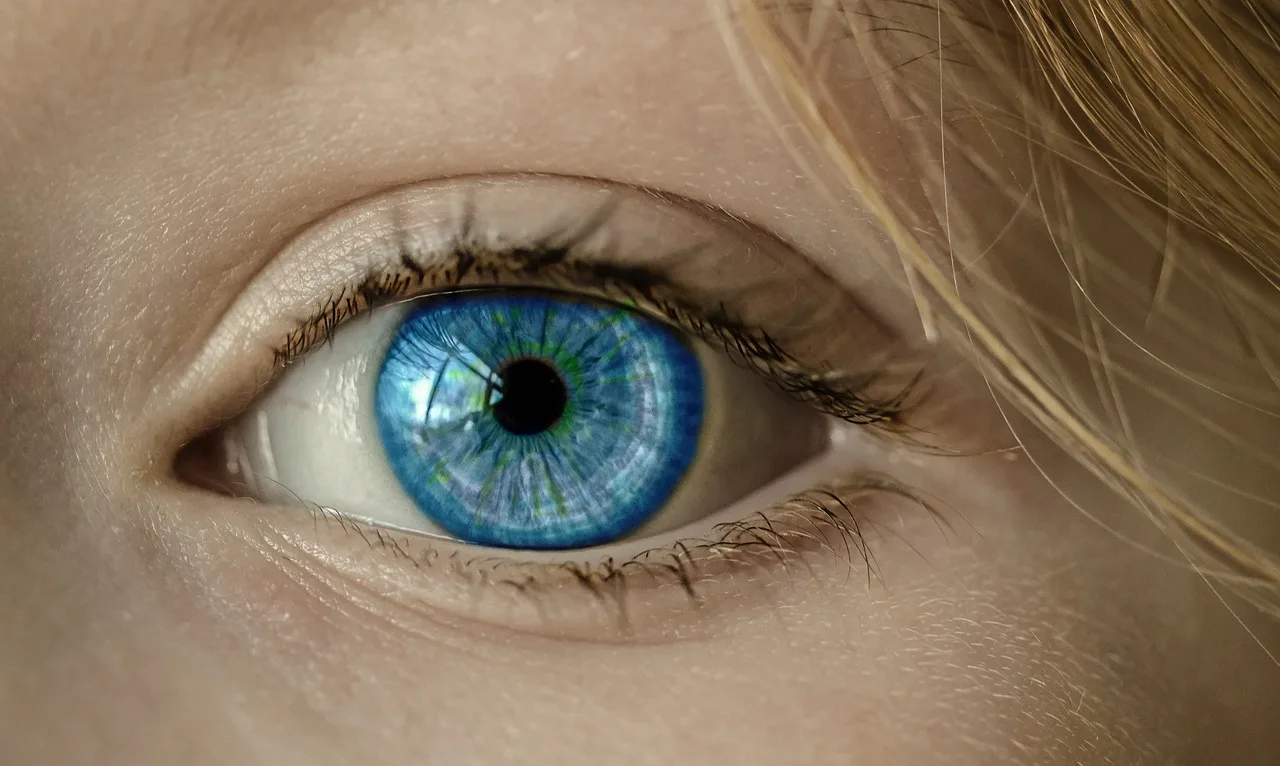
Yes, eye dominance usually matters more for aiming alignment. Hand dominance is only a clue. The eye that naturally centers the target tends to guide sight picture, so a right-eye dominant archer usually starts with a right-handed bow, and a left-eye dominant archer usually starts with a left-handed bow.
A simple home eye-dominance test
Hold both hands out and form a small triangle or frame around a distant object. Keep both eyes open, center the object, then close one eye at a time. The eye that keeps the object centered is the dominant eye.
This simple method is quick enough for a shop counter. It is not perfect for every person, but it gives a practical starting point before a purchase is made.
When the dominant eye and dominant hand match
If the dominant eye and dominant hand match, the first choice is usually straightforward. A right-handed, right-eye dominant beginner normally starts with a right-handed bow. A left-handed, left-eye dominant beginner normally starts with a left-handed bow.
That does not remove the need to check comfort, but it lowers the chance of fighting the bow at anchor.
When they do not match
Cross-dominance needs a slower decision. Right hand and left eye, or left hand and right eye, can both work, but the archer has to decide whether to retrain the eye or the hand. Testing both sides with a coach or shop bow is the practical next step.
Picture a beginner who draws with the right hand but keeps drifting the sight picture toward the left eye. That archer may shoot better left-handed, or may decide to train the right eye for aiming. The correct answer is the side that gives repeatable anchor, clear sight alignment, and less strain.
Use this one-page handedness checklist before you buy
Use this checklist as the buy-or-pass filter. It keeps the decision focused on comfort, eye dominance, bow type, and the hardware clues that matter at the counter. If any checkpoint fails, do not buy yet.
| Checkpoint | What to check | Buy signal | No-buy signal |
|---|---|---|---|
| 1. Draw comfort | Which side reaches anchor with less shoulder twist and face strain? | Smooth draw and repeatable anchor on one side | Neck turn, collapsed elbow, or face tension |
| 2. Eye dominance | Which eye stays on target in the frame test? | Dominant eye matches the side you want to shoot | Eye and hand conflict with no side test yet |
| 3. Bow type | Compound or recurve? | You checked the correct handedness clues for that type | You are guessing from the grip alone |
| 4. Orientation clues | Rest, shelf, sight mount, cable guard, or sight window | The hardware matches the intended draw side | Accessories sit on the wrong side for your draw |
- Pick the side that feels most natural at full draw.
- Check eye dominance with the two-hands frame test.
- Confirm whether the bow is compound or recurve.
- Read the handedness clues on the bow itself.
- If cross-dominant, test both sides before paying.
Buy if comfort, eye dominance, and hardware clues all point to the same side. No-buy if you are still guessing, because the wrong side can throw off accessory fit and resale value.
How do you tell if a bow is left handed or right handed?
Start with the hardware, not the grip shape. On a compound bow, the rest, sight mount, cable guard, and grip can reveal handedness. On a recurve bow, the shelf and sight window show intended hand orientation. If those clues do not match your draw side, keep looking.
Compound bow clues: rest, sight mount, and cable guard
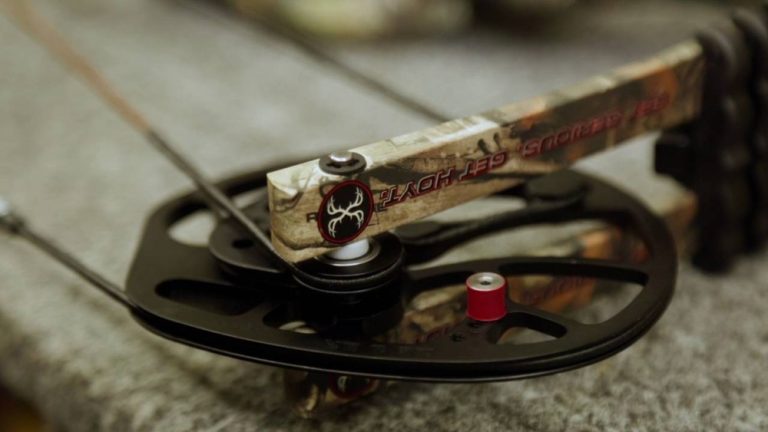
On a compound, the arrow rest sits so the arrow can leave cleanly from the correct side. The sight mount and cable guard also point to a specific draw orientation. A handed compound is not usually a simple flip-and-shoot setup.
That matters for compatibility. A sight or rest positioned for the wrong side can make setup awkward, limit tuning room, or turn a bargain into a poor resale choice.
Recurve bow clues: shelf, sight window, and plunger or sight holes
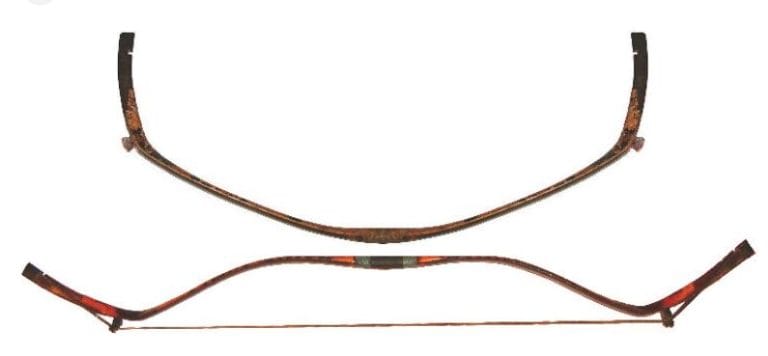
On a recurve, the shelf side and sight window are the clearest clues. Plunger or sight holes also show intended orientation. A right-handed recurve is built for right-hand draw and left-hand hold; a left-handed recurve is built the other way around.
Bow-handed recurve models are easier to identify than many beginners expect once the shelf and window are checked together.
What ambidextrous bows can and cannot do
Basic training bows and some traditional designs can be ambidextrous. They can often be shot from either side. That is not the same as a handed compound bow, where accessories and geometry usually lock the setup to one orientation.
Ambidextrous options are useful for entry-level practice, but they should not be assumed to solve every fit issue. They are the exception, not the standard.
What should cross-dominant beginners do?
Cross-dominant beginners should test both sides before buying. Right hand and left eye, or left hand and right eye, can each produce a workable setup. The best choice is the side that gives a stable anchor point, clear aiming alignment, and less strain over repeated shots.
Right hand and left eye
A right-handed person with a left-dominant eye often starts by checking whether left-handed shooting feels more stable. If the left-side anchor feels cleaner and the sight picture centers faster, the left-handed bow may be the better purchase.
If the right hand is strongly preferred for release control, some archers choose to retrain eye use instead. That choice is easier to evaluate with a shop bow than on paper.
Left hand and right eye
A left-handed person with a right-dominant eye faces the same tradeoff in reverse. The key question is which side allows the anchor point to repeat without strain. A better anchor is worth more than a label that only matches writing hand.
In both cross-dominant cases, the bow should not be bought until one side clearly wins on comfort and aiming.
How to decide whether to retrain eye or hand
Choose retraining if the mismatch is minor and the preferred side is much stronger in comfort. Choose the opposite side if forcing the match creates shoulder tension, head tilt, or unstable sight alignment. A coach or pro shop can help compare both sides quickly.
A common first-timer mistake is buying the side that matches the writing hand, then finding the anchor point awkward after the first few sessions. That usually turns into accessory changes or a resale loss.
Our picks by need
These picks are based on the spec sheet, stated build features, and common beginner fit needs. The right choice still depends on the handedness checks above. A wrong-side purchase is still a wrong-side purchase, even on a good bow.
Best for beginners who already match hand and eye dominance: GLURAK Black Hunter Takedown Recurve Bow

- Ergonomically designed wooden handle for comfortable grip
- High-elastic fiberglass limbs for durability and stability
- Takedown feature allows limb changes to adjust weight
The GLURAK Black Hunter is a 60″ right-handed takedown recurve with a 25 lb draw weight. It fits a beginner who already knows a right-handed recurve is the correct side and wants a simple setup with a comfortable wooden grip and limb-change flexibility.
One drawback is the fixed right-hand orientation. If eye dominance points left, this bow is the wrong buy. It is also a recurve without the compound accessory package many beginners expect, so sight and rest expectations should stay simple.
Best for cross-dominant beginners who want to test both sides: no product pick until side testing is done
Cross-dominant beginners should not rush into a fixed-handed bow. The better move is to borrow a shop bow on both sides, compare anchor repeatability, and see which eye stays centered without head twist. That avoids buying the wrong orientation first.
If a training bow is used for side testing, remember that ambidextrous models are for evaluation and basic practice. They do not settle the fit question for every compound setup.
Best for buyers choosing a compound bow: Lanneret left-hand compound bow set

- Aluminum alloy riser is strong and durable
- Draw weight adjustable from 0 to 70 pounds
- Includes complete accessories for ready-to-shoot experience
The Lanneret is a left-hand compound bow set with 0-70 lb adjustment, 25-31 in draw length, and an advertised 320 fps. Based on the spec sheet, owner feedback, and beginner use patterns, it fits left-eye dominant archers who want a complete package and are ready to manage compound-specific setup.
One drawback is that the handedness is fixed to left hand. A right-eye dominant beginner should not buy it just because the accessory bundle looks complete. Compound fit also depends on rest position, sight mount, and cable guard orientation.
Best for buyers choosing a recurve bow: GLURAK Black Hunter Takedown Recurve Bow
For recurve buyers, this GLURAK model is the cleaner fit if the right-handed setup matches the dominant eye. The takedown design also makes limb changes simpler than on many one-piece beginner bows, which helps if draw weight needs to move later.
The drawback is the same as above: it is not universal. A left-handed archer should pass on it, no matter how good the price looks.
Mistakes to avoid
The most expensive errors are also the easiest to make. Buying by writing hand alone, ignoring accessory compatibility on compounds, choosing a bow that fights the anchor point, and assuming every bow can be shot either way all lead to avoidable frustration and resale loss.
- Buying by writing hand alone. Dominant hand is only a clue.
- Ignoring eye dominance. A mismatched dominant eye can make aiming feel off.
- Skipping bow-type clues. Compound and recurve handedness are not read the same way.
- Forgetting accessory fit. On compounds, rest, sight, and cable guard placement matter.
- Choosing a bow that hurts anchor repeatability. If the anchor is strained, the purchase is wrong.
- Assuming every bow is ambidextrous. That is true for some training bows and some traditional designs, not most modern compounds.
A bad handedness choice is more than inconvenient. It can limit sight setup, narrow the buyer pool if the bow is resold, and force a beginner to relearn with the wrong side in hand.
Frequently asked questions
right handed vs left handed bow
A right-handed bow is drawn with the right hand and held with the left hand. A left-handed bow is drawn with the left hand and held with the right hand. The label follows the draw hand, which is why it feels backward until the bow and draw sides are separated.
what does right hand bow mean
A right hand bow means a right-handed bow: the archer draws with the right hand and holds the riser with the left hand. It does not mean the bow is held in the right hand. That confusion is common, so check the draw side before buying.
does eye dominance matter more than hand dominance
Yes, eye dominance usually matters more for aiming alignment. Hand dominance is useful, but it is not the final rule. If the dominant eye and dominant hand do not match, the best next step is to test both sides before choosing a bow.
how do i know if i need a right or left handed bow
Use the two-hands frame test to find the dominant eye, then compare it with the side that feels comfortable at anchor. Right-eye dominant archers usually start with right-handed bows, and left-eye dominant archers usually start with left-handed bows. Cross-dominant archers should test both sides.
how do i tell if a bow is left handed or right handed
Check the hardware. On a compound bow, look at the rest, sight mount, and cable guard. On a recurve, look at the shelf, sight window, and any plunger or sight holes. Those clues identify intended hand orientation better than the grip shape alone.
what if my dominant eye and dominant hand do not match
That is cross-dominance, and it needs side testing. Try both orientations at a range or archery shop, then choose the side that gives the cleanest anchor, least strain, and most stable sight picture. Some archers retrain the eye; others switch draw side.