Winter Archery Bow Care: What Cold Weather Changes
Cold weather can make strings stiffer and can reduce limb and cam speed a little. Check brace height, axle bolts, cable guards, rest, sight screws, and string condition before shooting. Skip that check and you invite tune drift, cracked serving, rust, slow arrows, and misses that are hard to sort out. This guide explains what winter changes on a bow and gives a field-ready checklist for shooting, transport, and storage.
What winter changes on a bow

Cold changes a bow three ways: materials stiffen, metal parts contract, and moisture behaves differently. That can shift draw feel before it clearly changes paper tune or broadhead impact. The biggest winter problems are usually small movements in timing, serving wear, and condensation after a move from cold air to a warm space.
Compound bows often show those changes more visibly than many recurves because they depend on cams, cables, and several bolted parts. A recurve can still suffer from string shrinkage, limb stress, or a wet limb surface, but a compound adds timing and accessory alignment to the list.
Why cold can change feel before it changes accuracy
Cold air does not usually make a bow wildly inaccurate by itself. It often shows up as a different draw cycle, a slightly different valley, or a change in how the string and cables settle. Accuracy can stay acceptable while the setup is already drifting, which is why small checks matter before a problem reaches the target.
Temperature swings are harder on gear than stable indoor storage. A bow tuned in a warm room can feel different after sitting in a cold truck bed or an unheated garage overnight, even if nothing looks damaged.
What parts usually drift first
The first changes are often in the accessories and the cam system. Rest screws, sight screws, D-loop position, and cable-driven timing marks can move enough to alter impact point without any obvious breakage. After that, serving wear and limb bolt position become more important because they affect repeatability shot to shot.
How cold affects bow limbs and strings
Bow limbs are laminated composite structures, and winter can change how they behave under load. The limbs do not suddenly become unsafe just because the air is cold, but stiffness changes with temperature, and impact or thermal stress raises the risk of micro-cracking. Strings and cables also react badly to moisture, icing, and repeated freeze-thaw cycles.
Laminated composite limbs and thermal stress
Modern limbs rely on bonded layers, so repeated swings between warm storage and freezing conditions can stress the adhesive interfaces and the outer finish. A limb that takes a knock against a stand, truck edge, or frozen floor is more vulnerable when it is already cold and less forgiving. Look closely for paint lines, splinters, or small gaps near the limb tips and pockets.
That matters after transport. A limb can look fine until the bow is drawn, then a tiny crack or chip becomes a larger failure point under load.
Synthetic string fibers, wax, and icing
Most modern bowstrings use synthetic fibers that hold up well in winter, but they still need protection. Cold makes wax feel harder and can reduce how evenly it spreads. Moisture from snow, sleet, or condensation can soak into the outer fibers and leave the serving slick or stiff once it refreezes.
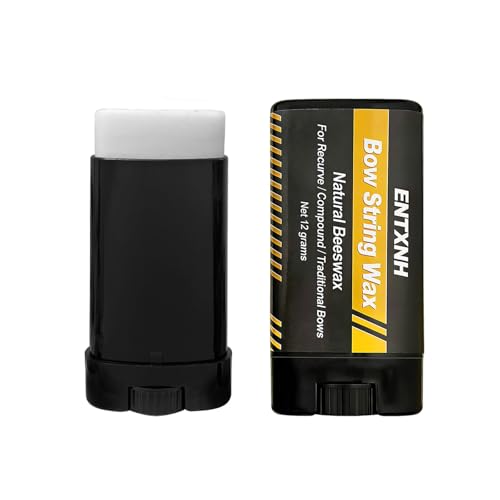
Wax more often in winter than in dry indoor use, but do it lightly and with a clean string. A thin, even coat is better than a heavy layer that traps grit. If the string feels dry or looks fuzzy, wax before the next shooting session rather than after damage has already started.
Cable tension and serving wear in cold storage
Cables can change tension slightly as temperatures drop, and that can alter cam synchronization. Serving wear often shows up faster after the bow has been stored cold because the fibers contract and the serving can look tight in one place and loose in another. Check for fray near cable slides, roller guards, peep ties, and any point where the cable rubs hardware.
Suppose a compound bow was sighted in at around 70°F and then left in a garage that stays near freezing. The shooter may notice the top cam timing mark no longer matches the bottom cam by a small amount, even though the bow still draws normally. That is a tune issue, not a mystery miss.
Does cold weather change bow poundage?
Cold weather can change draw feel and apparent poundage, but it does not usually change the marked setting in a dramatic way. The limbs, string, and cables all settle a little differently at low temperature, so the bow may feel stiffer or smoother at the wall. The marked limb bolt setting is still the baseline, but it should be checked after major temperature swings.
What actually changes: draw feel versus marked settings
The marked limb bolt position does not move by itself. What changes is how the bow behaves at that position. Cold can alter cable stretch, serving compression, and the way the cams roll over, so the shooter may feel a heavier or slightly different draw even though the bolt count has not changed.
That is why the first concern should be repeatability, not chasing a number. A bow can be within spec on paper and still need a timing or accessory check after a cold snap.
When limb bolt position matters
Limb bolts should stay at a known baseline setting, usually marked so both sides can be returned to the same position after adjustments. Small turn changes are fine, but avoid over-tightening after a temperature swing. If the bow was backed off for travel or indoor use, return it evenly and stop at the manufacturer’s limit.
Do not use the limb bolts to force a winter fix. If the bow suddenly needs more than a small correction, the likely cause is timing, serving wear, or accessory movement, not the weather alone.
Why baseline marks help after temperature swings
Baseline marks let the archer see whether an adjustment changed the setup or merely returned it to a known point. That matters because winter troubleshooting can get messy fast. A simple paint mark or recorded turn count saves time when the bow needs to go back to its warm-weather baseline.
Winter tuning changes to expect
Cold weather can move a bow out of tune in ways that are small but real. Timing, synchronization, and accessory alignment usually drift before any obvious mechanical failure appears. Rolling cam bows and hard cam bows can react differently, but both deserve a re-check after transport or a sharp temperature change.
Cam timing and synchronization
Timing is one of the first things to inspect on a compound. If the cams are no longer hitting their stop together, or if the draw length feels different at full draw, winter may have moved the tune enough to matter. Even a small timing mismatch can change nock travel and arrow grouping.
Check the timing marks, stops, and cable condition before changing anything else. If the serving has shifted or the cable has frayed, fixing timing without fixing the wear can create a short-lived solution.
Rolling cam versus hard cam behavior
Rolling cam systems often feel a little more forgiving when temperature changes affect cable length, while hard cam systems can show a sharper change in back wall and let-off feel. That does not make one style immune. It only means the symptom may show up as feel on one bow and as timing on another.
A rolling cam may simply feel slightly different at the wall. A harder cam system may show a more obvious change in synchronization, especially after transport in and out of a freezing vehicle.
Rest and sight movement after transport
Rest and sight hardware are sensitive to torque, and cold fingers or gloves make it easier to leave screws under-tightened or uneven. Transport can also nudge a rest arm or sight block just enough to change impact point. Re-check both after the bow has been moved, even if it rode in a case.
A common first-timer mistake is assuming the bow stayed tuned because the case stayed closed. A small bump in the back of a truck can shift a rest by a fraction of a turn, and that is enough to show up at 30 yards.
Winter bow care checklist
This checklist is for the parts that winter changes first. Use it before shooting after storage, travel, or a big temperature swing. It is meant to prevent drift, moisture damage, and storage-related failures, not to replace a full shop tune when a part is clearly damaged.
| Component | What cold changes | What to inspect | Action to take before shooting |
|---|---|---|---|
| Limbs | Laminated layers stiffen; impact and thermal stress can reveal micro-cracking | Edge chips, splinters, finish lines, limb pocket gaps | Inspect under bright light; stop use if cracks or lifting layers appear |
| Strings | Synthetic fibers feel stiffer; wax works less evenly; moisture can freeze on the serving | Dryness, fuzzing, broken strands, icy spots, serving separation | Wax lightly, wipe off moisture, replace if frayed or cut |
| Cables | Tension can shift; serving wear may show faster after cold storage | Fray near slides, peep area, cable guard, serving gaps | Check timing and serving; replace or serve if fray is visible |
| Cams | Timing and synchronization can drift; rolling and hard cams may show different feel changes | Timing marks, stop contact, draw cycle, axle alignment | Verify timing before tuning anything else; adjust in small steps |
| Rest | Torque sensitivity rises; glove use and cold fingers can shift setup | Launcher position, bolt tightness, cord tension, contact marks | Re-check centershot and lock screws after transport |
| Sight | Mounting screws can move; cold handling makes small shifts easier to miss | Level, vertical bar, aperture alignment, screw torque | Confirm level and tighten hardware evenly before shooting |
| Arrows | Carbon and aluminum shafts feel different in cold; nock fit and fletching icing matter | Cracks, bent shafts, nock fit, icy vanes or feathers | Flex-check carbon, spin-check aluminum, clear ice, confirm nock fit |
| Storage | Temperature swings create condensation; vehicle storage adds moisture and corrosion risk | Case dryness, wet foam, rust spots, odor, damp accessories | Store in a dry, stable space; avoid freezing vehicles for long-term storage |
Should you leave a bow in the car?
No, not for long storage. A freezing vehicle exposes the bow to temperature swings, condensation, and extra moisture every time the car warms up or the bow is brought indoors. That combination can damage string fibers, encourage rust on small hardware, and leave water inside the case padding.
Cold vehicle storage risks
Vehicle storage is hard on bow cases because the temperature changes are fast and uneven. Metal parts contract, then warm quickly. Adhesives, serving, and accessory screws are all exposed to repeated movement. A bow can survive a short cold ride to the range, but it should not live in the car through winter.
Condensation when moving indoors
Condensation is a common hidden risk. When a cold bow goes into a warm home or truck cab, water can form on strings, cams, screws, and sight hardware. Leave the bow in the case until it warms gradually, then open the case and dry any moisture before shooting.
That simple pause matters. It lowers the chance of setting a wet bow down, tightening a damp string into the serving, or trapping moisture inside the case foam.
Dry storage habits that prevent damage
Store the bow in a dry place with a steadier temperature, away from direct heat and away from freezing vehicles. Keep the case open for air flow after a wet outing, and dry any damp accessories before closing it up. If a bow was exposed to snow, wipe it down before long storage.
How to prep arrows and accessories for cold
Arrows and accessories need a winter check too. Carbon shafts can hide splinters, aluminum shafts can bend more visibly, and both can show nock or fletching problems after cold exposure. Gloves also make setup work less precise, so hardware should be checked before the first shot.
Carbon and aluminum shafts in low temperatures
Carbon shafts stay strong in cold weather, but they can still crack from impact or develop hidden damage if they were hit on a hard surface. Aluminum shafts may show bends more easily and can be more sensitive to denting. In both cases, inspect each arrow for straightness and soundness before use.
Spin each shaft, check the point end and nock end, and listen for any unusual click or flex sign. Do not shoot a shaft that shows a split, dent, or wobble.
Nock fit and fletching icing
Nock fit can change when materials shrink in cold. A nock that was snug indoors may feel tighter outdoors, and a loose nock can become harder to spot when fingers are cold. Fletching can also collect light ice or snow, which affects arrow flight and adds drag.
Clear any ice before shooting and confirm the nock seats cleanly with the serving. If the nock fit feels inconsistent, replace it rather than forcing repeated adjustments in the field.
Glove-related setup issues
Gloves reduce finger feel on rest bolts, sight screws, and D-loop hardware. That makes over-tightening or uneven tightening more likely. When possible, use the correct tool and re-check the hardware with bare fingers once the bow is warm enough to handle safely.
Frequently asked questions
How does cold weather affect a compound bow?
Cold weather can stiffen strings, change cable tension, slow cam speed a little, and move accessories enough to alter point of impact. It may also change how the bow feels at full draw. The main concern is not the temperature alone, but the storage, moisture, and transport that come with it.
What happens to bow limbs and strings in winter?
Limbs can feel stiffer because laminated composite materials react to temperature, and strings can feel harder or drier as synthetic fibers cool down. Moisture adds another layer of risk because wet string fibers can freeze, and repeated cold-to-warm cycles can stress both the serving and the limb finish.
Does cold weather change bow poundage or draw weight?
Cold weather usually changes draw feel more than the marked poundage setting. The limb bolt position stays the same unless it is adjusted, but cable tension, cam behavior, and string condition can make the bow feel different. If the feel changes a lot, check timing and accessory alignment first.
Should I leave my bow in the car when it’s freezing?
No. A cold vehicle creates repeated temperature swings and condensation risk, which are hard on strings, serving, metal screws, and case padding. A bow may survive a short trip in the car, but it should be stored in a dry, stable place, not left in a freezing vehicle for long periods.
How do I keep my bow string and cables from getting damaged in winter?
Keep them dry, waxed lightly, and inspected often. Look for fray near the serving, peep area, and cable slide. Avoid letting snow or condensation sit on the fibers, and do not shoot a string that shows broken strands or a cable that has visible wear after cold storage.
How should I store an archery bow in winter?
Store it in a dry place with steadier temperature, ideally in a case that is dry inside and not packed with wet accessories. Let a cold bow warm gradually before opening the case, and wipe away condensation before it reaches the string, cams, or screws. Avoid long-term vehicle storage.