Bow Vs Compound Bow: Key Differences Every Archer Should Know
Choosing between a traditional bow and a compound bow is not just about picking up a piece of sports equipment, it’s about understanding history, technology, and your own goals as an archer. Whether you are a beginner, a hunter, or a competitive shooter, the decision can shape your experience and success in archery. Both types have strong communities and passionate supporters. Understanding their differences, strengths, and weaknesses will help you make the right decision for your needs.
This guide is part of our Archery basics: beginner guide to bows and shooting series.


What Is A Traditional Bow?
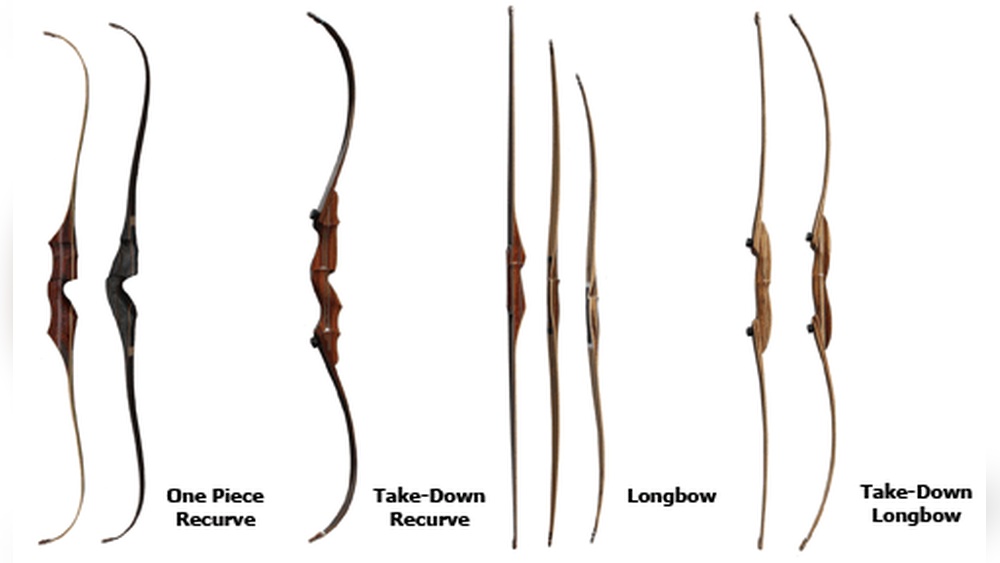
A traditional bow is a simple and elegant tool. It includes types like the longbow and the recurve bow. These bows have been used for thousands of years, from ancient hunters to medieval warriors. They have few parts: usually just a curved piece of wood (or modern materials), a string, and sometimes a grip.
Traditional bows rely on the archer’s skill and strength. When you draw the string, all the energy comes from your muscles. There are no pulleys, wheels, or mechanical aids. This means you feel every part of the shot, the draw, the aim, and the release. Many people choose traditional bows for the pure, direct connection they offer with the act of shooting.
Types Of Traditional Bows
- Longbow, Tall, with a simple D-shaped curve. Famous from English history.
- Recurve bow, Curved tips that bend away from the archer. Used in the Olympics.
- Flatbow, Wide limbs with a flat cross-section. Used by Native Americans and in modern target archery.
Each style has a unique feel and challenge. Recurve bows are the most popular for beginners because they are easier to handle and more widely available.
What Is A Compound Bow?
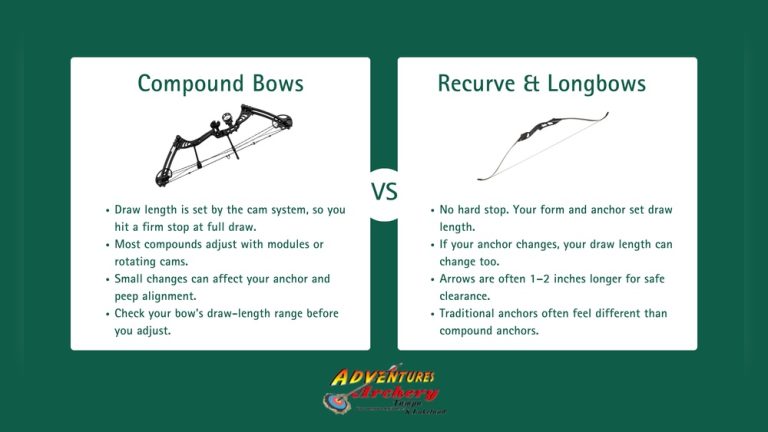
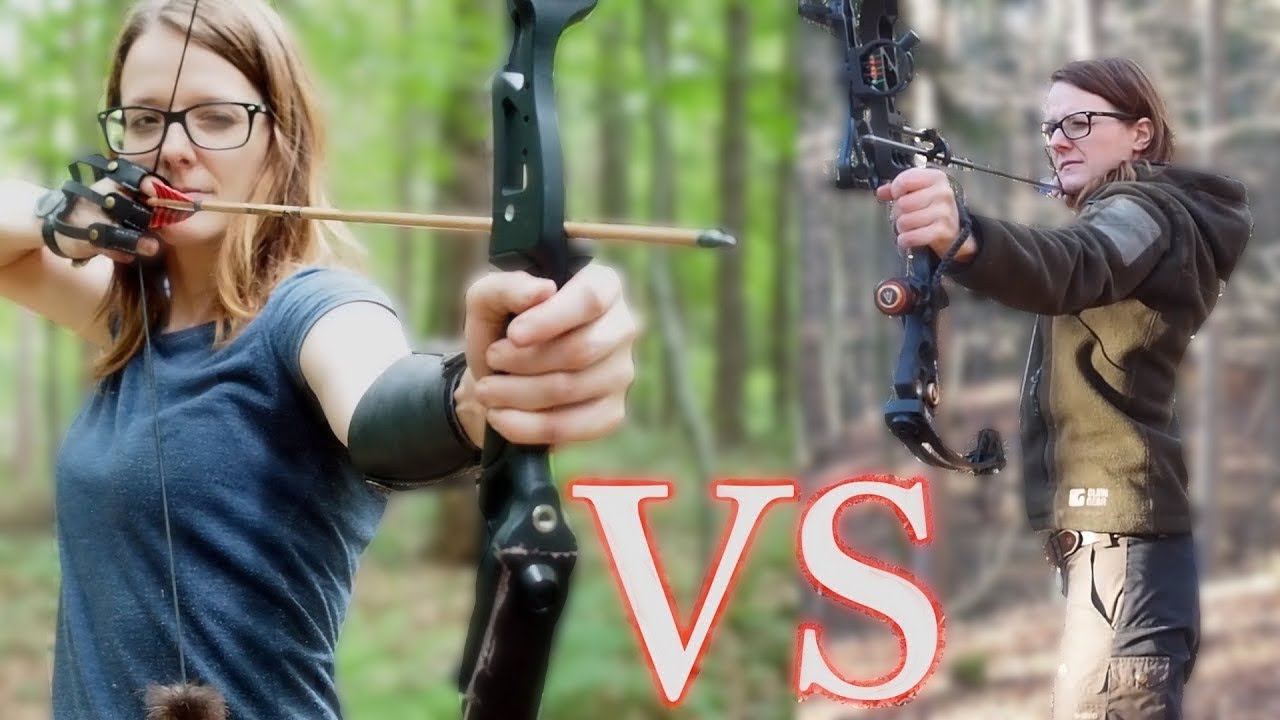
The compound bow is a modern innovation, first developed in the 1960s. Its most obvious features are the cams or pulleys at the ends of the limbs. These mechanical systems give the compound bow its special power and efficiency. When you draw the string, the cams rotate, storing much more energy than a traditional bow can. At full draw, the cams “let off” the weight, so you hold less force, sometimes only 20% of the draw weight.
Compound bows are built from high-tech materials like aluminum, carbon, and fiberglass. They are popular for hunting, target shooting, and even archery competitions where speed and accuracy matter.
Key Parts Of A Compound Bow
- Cams/Pulleys, Control the draw cycle and let-off.
- Limbs, Short and stiff, store energy.
- Riser, Central part for the grip and mounting accessories.
- String/Cables, Connect the cams and limbs.
- Sights and Stabilizers, Help with aiming and balance.
Compound bows are often more adjustable than traditional bows. You can change the draw weight, draw length, and add accessories to match your preferences.
Credit: www.youtube.com
Comparing Traditional Bows And Compound Bows
To make the decision easier, let’s compare both types across several important factors. The following table shows a quick overview:
| Feature | Traditional Bow | Compound Bow |
|---|---|---|
| Draw Weight | Constant throughout draw | Peaks, then decreases at full draw (let-off) |
| Accuracy | Depends heavily on archer’s skill | More forgiving, aided by sights and let-off |
| Maintenance | Simple, few moving parts | Requires more care, complex parts |
| Portability | Lighter, sometimes longer | Heavier, more compact |
| Cost | Usually lower | Usually higher |
| Learning Curve | Steeper, more technique needed | Easier for beginners to shoot accurately |
Let’s look deeper at each comparison point.
Draw Weight And Let-off
With a traditional bow, you hold the full draw weight while aiming. For example, if your bow is 40 pounds, you are holding all 40 pounds at full draw. This can tire your arm quickly and makes aiming harder, especially for new archers.
The compound bow is different. Thanks to the let-off feature, you may only hold 10, 20% of the maximum draw weight at full draw. For a 50-pound compound bow with 80% let-off, you only hold 10 pounds. This means you can aim longer, with less shaking and more control.
Accuracy And Forgiveness
Traditional bows require precise form. Small mistakes in anchor point, grip, or release can send your arrow off target. This makes traditional archery challenging but rewarding for those who enjoy mastering technique.
Compound bows have many features that help with accuracy:
- Sights: Allow you to aim precisely.
- Release aids: Help with a clean release.
- Stabilizers: Reduce bow movement.
These features make it easier to hit the target, even for people with less experience. However, compound bows are not “cheating”, they are just designed for a different style of shooting.
Maintenance And Durability
Traditional bows are simple. They have few parts that can break. Most problems are easy to fix, even in the field. You might only need to replace the string or wax it for care.
Compound bows need more attention. The cables, cams, and other moving parts can wear out or need adjustment. You may need special tools or a bow shop for repairs. For example, if a cam is damaged, it can affect the whole bow’s performance.
But with regular maintenance, compound bows last for years.
Portability
Traditional bows are usually lighter, but longer. Longbows can be over 6 feet tall, which may be awkward to carry through the woods. Recurve bows are shorter and some can be taken apart for travel.
Compound bows are heavier due to the cams and accessories, but they are also more compact. This makes them easier to use in tight spaces, like a hunting blind. Some hunters prefer compounds for this reason.
Cost
Generally, traditional bows cost less. A good recurve bow can be much cheaper than a compound bow with all the accessories. Compound bows have higher prices because of their complex design and materials. If you add sights, stabilizers, and release aids, the cost goes up more.
But price is not everything. Some traditional bows, especially custom or handmade models, can be very expensive.
Advantages Of Traditional Bows
Traditional bows offer unique benefits that keep them popular, even in a world of technology.
Simplicity And Reliability
With fewer parts, there is less that can go wrong. You can pick up a traditional bow and shoot almost anywhere. This makes them ideal for survival situations, bushcraft, or just enjoying archery without fuss.
Skill Development
Because traditional bows rely on your technique, they help you build strong archery skills. You learn proper form, focus, and muscle memory. Many archers say this gives a deeper satisfaction and connection to the sport.
Quiet Shooting
Traditional bows are usually quieter than compound bows. This can be important for hunters, who need to avoid spooking game.
Connection To History
Shooting a longbow or recurve is like stepping back in time. You are practicing an ancient art, using methods that have changed little for centuries.
Advantages Of Compound Bows
Compound bows have many features that make them attractive, especially for those who want performance and convenience.
Power And Speed
Compound bows store more energy and shoot arrows faster. This can improve your range and penetration, which is useful for hunting large animals.
Consistency
The let-off and mechanical aids allow you to hold at full draw longer, aim more carefully, and make consistent shots. This is a big advantage in target archery and hunting.
Customization
You can adjust almost every part of a compound bow: draw weight, draw length, sights, stabilizers, and more. This means you can set up the bow exactly as you like.
Easier For Beginners
While mastering archery always takes practice, many find it easier to shoot well with a compound bow, especially at longer distances. The technology helps reduce common mistakes.
Disadvantages Of Traditional Bows
No equipment is perfect. Here are some challenges with traditional bows:
Steep Learning Curve
It can take months or years to become accurate with a traditional bow. Beginners may feel frustrated by slow progress.
Limited Range
Traditional bows usually shoot slower and with less power. This means arrows drop more at long distances, making aiming harder.
Less Forgiving
Small mistakes in your form or release can have big effects on accuracy.
Disadvantages Of Compound Bows
Compound bows also have downsides to consider.
Complex Maintenance
You may need special tools or help from a professional to fix problems. For example, changing a string or tuning the cams is not always easy at home.
Heavier And Bulkier
All the added parts make compound bows heavier. This can be tiring to carry on long trips.
Cost
The higher price can be a barrier, especially if you want top-of-the-line equipment and accessories.
Reliance On Technology
If something breaks, you might not be able to fix it yourself, especially in the field.
Which Bow Is Right For You?
The answer depends on your goals, budget, and style.
For Beginners
A recurve bow is often recommended. It’s simple, forgiving, and teaches basic skills. Many archery schools and clubs use recurve bows for this reason.
If you want fast results and plan to hunt or compete, a compound bow can be a good choice. The technology helps you shoot accurately sooner.
For Hunters
Compound bows offer speed, power, and accuracy. The let-off lets you hold at full draw and wait for the perfect shot. The compact size is helpful in blinds or thick woods.
Some hunters choose traditional bows for the challenge and quiet shot, especially when hunting at close range.
For Target Archery
Recurve bows are used in the Olympics and many competitions. Compound bows are common in field and 3D archery. Both are accepted in target sports, but the rules and scoring may differ.
For Tradition And Connection
If you love the feel of history or want a simple, “back to basics” experience, traditional bows are a great choice.
For Customization And Performance
If you like tuning and adjusting your gear for maximum performance, the compound bow’s options will appeal to you.

Credit: www.youtube.com
Real-world Experience: What Surprised Me
In my experience as both a recreational archer and someone who has taught beginners, one insight often surprises new archers: the importance of personal fit. Many people focus on the technology, but the bow that feels comfortable and inspires confidence is the one you’ll practice with and enjoy.
Another lesson is that progress comes faster with proper coaching and feedback, not just with better equipment. I have seen new shooters improve more quickly with a basic recurve and good instruction than with a high-end compound bow and no guidance.
Common Myths And Misunderstandings
Let’s clear up some common myths:
- Myth: Compound bows are only for hunters.
Fact: They are used widely in target and 3D archery, too.
- Myth: Traditional bows are only for experts.
Fact: Many beginners start with traditional bows to build good habits.
- Myth: You can’t compete with a traditional bow.
Fact: Many tournaments have recurve or traditional classes, and skilled archers can be very competitive.
- Myth: Compound bows are “cheating.”
Fact: They are just another tool. Skill is always needed.
Advanced Comparison: Performance And Use Cases
For those seeking detailed performance data, here is a comparison of typical specifications:
| Specification | Traditional Bow | Compound Bow |
|---|---|---|
| Arrow Speed (fps) | 120, 180 | 250, 350 |
| Effective Range (yards) | Up to 50 | Up to 80+ |
| Noise Level | Low | Moderate |
| Setup Time | Quick | Longer (tuning needed) |
| Accessories | Few | Many (sights, stabilizers, etc.) |
Pro Tip: Try several types of bows before buying. Most archery shops will let you test different models. Your comfort and confidence with a bow matter much more than specs on paper.
Environmental And Cultural Considerations
Traditional bows are often made from wood or bamboo, which can be more environmentally friendly. Some archers prefer these materials for their sustainability and natural feel.
Compound bows are made from metals and composites, which last longer but have a bigger environmental impact. However, compounds often use less wood, helping conserve natural resources.
Culturally, traditional bows connect you to the history of archery in many countries: English longbows, Mongolian horse bows, and Japanese yumi all have deep traditions.
Compound bows, on the other hand, are symbols of modern sport and innovation. They bring new technology and ideas into the world of archery.
Safety And Legal Issues
Both bow types can be used safely, but local laws may differ. Some regions have rules about which bows are allowed for hunting or competitions. Always check local regulations before buying or using a bow.
Compound bows, due to their power and speed, may be restricted in some areas or require special permits. Traditional bows are less often regulated, but it’s still important to follow all safety guidelines.
Making Your Decision: Key Questions
Before you choose, ask yourself:
- What is my main goal? (Hunting, target shooting, recreation)
- What is my budget? (Include accessories and maintenance)
- How much time will I spend practicing?
- Do I want simple or high-tech equipment?
- How much weight am I comfortable carrying?
- Will I shoot in competitions or just for fun?
If possible, visit an archery range or pro shop. Try both types, talk to experienced archers, and see what feels best in your hands.

Credit: www.outdoorlife.com