Compound Bow Cable vs Limb Stop: Which Delivers Better Performance?
Modern compound bows have changed archery in many ways. One of the biggest improvements is the use of stops to control the draw cycle. If you look closely at compound bows, you’ll find two main types: cable stops and limb stops. Each design affects how the bow feels, how accurate you can shoot, and even how easy it is to use. Whether you’re a target shooter, hunter, or just starting, understanding these stops can help you choose the right bow for your style.
Many archers are surprised when they realize how much the stop type changes their shooting. In my experience, switching from cable stops to limb stops made my draw feel more solid, and my groups tightened. But not everyone wants the same feel, and some beginners don’t even know what “stops” are until they shoot a bow.
This article will break down what cable stops and limb stops are, how they work, and which one might be better for you. We’ll compare the two, look at real-world examples, and share insights that most beginners miss.


What Are Compound Bow Stops?
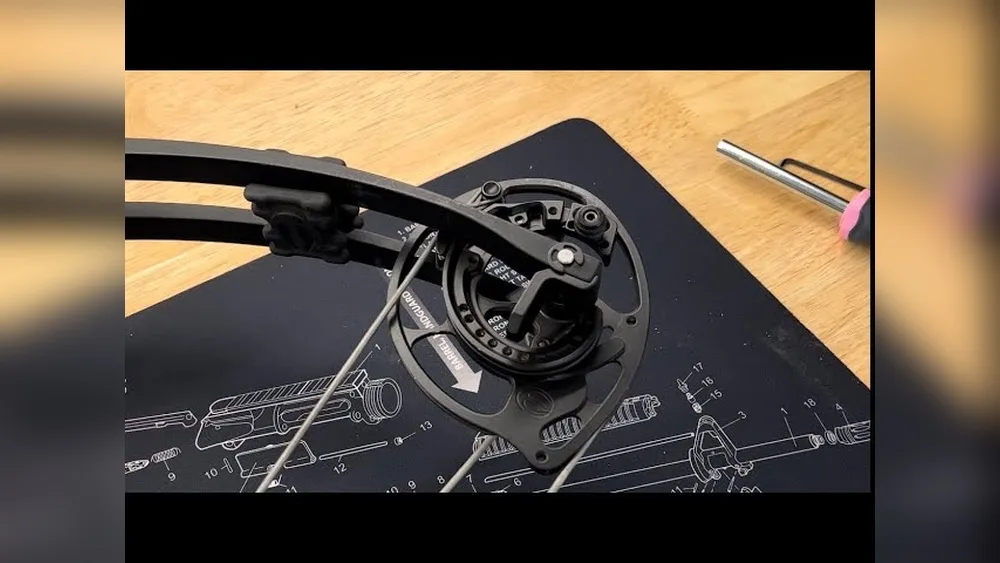
Compound bows use a system of cams, cables, and limbs to store energy. When you draw a compound bow, you pull the string back, and the cams rotate. The draw stops are parts on the cams that control how far you can pull the string. When you reach the maximum draw length, the stops touch either the cables or the limbs, stopping further movement.
Cable Stops
Cable stops are small pieces or pegs attached to the cams. When you reach full draw, these stops press against the bow’s cables. This contact is softer and gives a bit of “give” at full draw. Cable stops are common on entry-level and mid-range bows.
Limb Stops
Limb stops are pegs or blocks on the cams that touch the bow’s limbs at full draw. This creates a very solid, hard wall. The feeling is firm, when you reach full draw, the bow won’t move any further. Limb stops are popular on high-end target bows and some hunting models.
How Cable Stops Work
Cable stops rely on the tension in the cables. As you pull back, the stop pushes against the cable, which flexes a little. This creates a soft wall at full draw. Some shooters like this because it allows a tiny bit of movement or adjustment before the shot.
Most cable-stop bows are easier for beginners. The draw cycle is smooth, and you don’t feel a sudden stop. If you pull too hard, the cable bends slightly, so you aren’t punished for imperfect form. This is useful if you’re learning or if you’re shooting for long periods.
Example: On a bow like the Bear Archery Cruzer G2, the cable stop lets you settle into the anchor point with less pressure. If you’re nervous or shaky, you can adjust your grip without feeling a harsh wall.
How Limb Stops Work
Limb stops are attached directly to the cam. When you draw, the stop hits the limb, which is made of strong fiberglass or carbon. This creates a hard wall. When you reach full draw, you can’t pull any further. The bow feels locked in place.
This solid wall is favored by archers who want maximum control. Target shooters like limb stops because they provide a consistent anchor point. Hunters who shoot heavy bows also prefer limb stops for their reliable performance.
Example: The Elite Archery EnKore uses limb stops to give a rock-solid wall. When you draw, there’s no play, so your anchor point is always the same. This improves accuracy, especially at long distances.
Key Differences Between Cable And Limb Stops
Let’s compare the main differences between cable and limb stops. This helps you see how each system affects the bow’s performance.
| Feature | Cable Stop | Limb Stop |
|---|---|---|
| Draw Feel | Softer wall, a bit of give | Hard wall, no play |
| Anchor Consistency | Good, but allows minor adjustments | Excellent, very consistent |
| Forgiveness | More forgiving for beginners | Less forgiving, demands precise form |
| Adjustability | Easier to adjust draw length | Adjustment is possible but less flexible |
| Usage | Entry-level, mid-range bows | High-end target/hunting bows |
Performance And Accuracy
Accuracy is the most important factor for most archers. The type of stop changes how steady you are at full draw and how consistently you can anchor.
Cable Stops And Accuracy
Cable stops allow a little movement at full draw. This is sometimes called “creep. ” If your form isn’t perfect, you might move forward slightly before the shot. For beginners, this is helpful, because it lets you relax or reset without feeling pressure.
However, that extra movement can make shots less consistent. In competition, even a small change in anchor point can mean missing the bullseye. For hunting, if you’re shooting under stress, the softer wall may cause slight errors.
Limb Stops And Accuracy
Limb stops create a very hard wall. When you reach full draw, you are locked in place. This helps you hold the bow steady and repeat your anchor point every time. For target shooters, this is critical. If you shoot with perfect form, limb stops will help you shoot tighter groups.
Hunters also benefit from limb stops when shooting heavy draw weights. The hard wall prevents “creep,” so your arrow launches with maximum energy.
Pro Tip: If you struggle with anchor consistency, try a bow with limb stops. It will train you to hold steady and improve your accuracy over time.
Comfort And Draw Cycle
Many archers focus on comfort, especially if they shoot for long sessions. The draw cycle and wall feeling affect how comfortable the bow is.
Comfort With Cable Stops
Cable stops make the draw cycle feel smoother. The transition to full draw is gentle, and the soft wall is easier on your shoulders. If you shoot hundreds of arrows, this matters. You can adjust your anchor without fighting a hard stop.
Cable stops are more comfortable for young shooters and those with injuries. The forgiving wall helps you recover from mistakes and prevents fatigue.
Comfort With Limb Stops
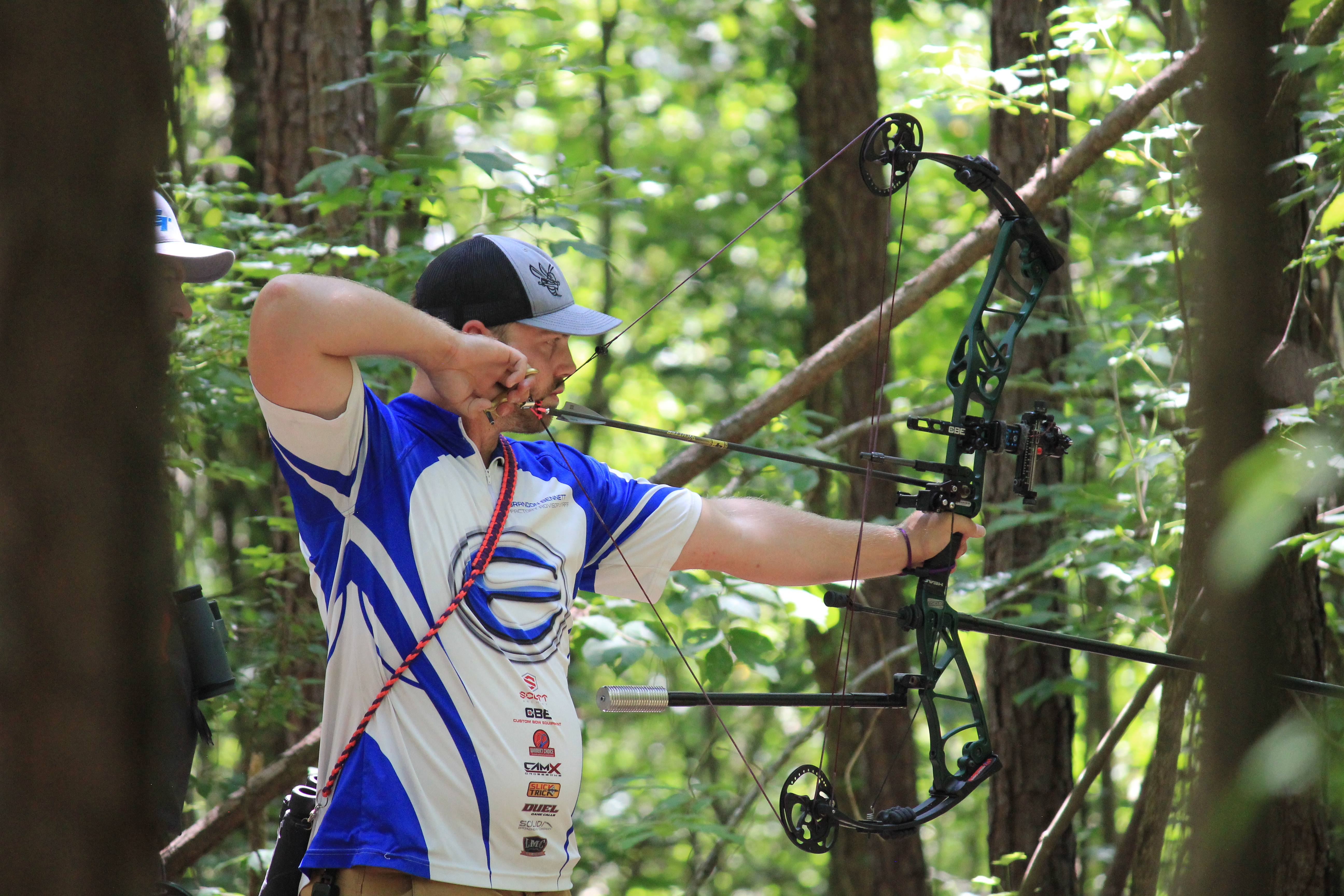
Limb stops are firm and demanding. When you reach full draw, there’s no extra movement. This can be tiring if you don’t have strong form. Some archers find limb stops uncomfortable, especially if they hold the bow at full draw for a long time.
But for those who like a solid feeling, limb stops are more comfortable. You don’t have to worry about creeping forward or losing energy. Once you lock in, you can focus on aiming.
Credit: news.elitearchery.com
Adjustability And Customization
Many archers want to adjust their bow for different situations. The stop type affects how much you can change draw length, let-off, and wall feel.
Adjusting Cable Stops
Cable stops are easier to move. You can often adjust their position on the cam to change the draw length. Some bows let you change the angle or location of the stop, which changes how soft or firm the wall feels.
This flexibility helps beginners and those who share bows. If you need to adjust for a shorter draw, cable stops make it simple.
Adjusting Limb Stops
Limb stops are less flexible. They are fixed on the cam, and their position is limited. Some models let you change the stop location, but the wall always stays hard.
For advanced shooters, this is not a problem. They want a consistent anchor and don’t need to change it often. But beginners may find limb stops harder to customize.
Noise And Vibration
Archers often worry about noise and vibration, especially hunters. A bow’s stop system affects how loud it is and how much it vibrates.
Cable Stops And Noise
Cable stops press against cables, which absorb some vibration. This makes the bow quieter. If you hunt, a cable stop bow may be less likely to scare animals.
But cable stops can wear down cables over time. The friction creates noise if the cables are not maintained. It’s important to check cables for damage.
Limb Stops And Noise
Limb stops hit the limb directly, which can make a sharp noise. High-end bows add rubber or dampers to reduce this. Limb stops can vibrate more, but they also transfer energy efficiently.
Hunters sometimes avoid limb stops for this reason. Target shooters usually don’t care, since they shoot in controlled environments.
Durability And Maintenance
The durability of the stop system affects how often you need to tune or fix your bow.
Cable Stops And Durability
Cable stops rely on cables, which can stretch or wear out. If the cable frays, the stop loses its effectiveness. You need to check cables regularly and replace them as needed.
Cable stops are easier to repair. If the stop wears out, you can replace it without major work.
Limb Stops And Durability
Limb stops are strong and reliable. The limb material is tough, and the stop doesn’t wear out quickly. Limb stops require less maintenance, but if something breaks, repairs are more complex.
If you shoot heavy draw weights, limb stops are safer. They won’t slip or bend like cables.
Real-world Examples And Use Cases
Let’s look at how archers use cable stops and limb stops in different situations.
Target Archery
Most professional target bows use limb stops. The hard wall improves accuracy, and the consistent anchor is critical for scoring. Archers like the Hoyt Invicta or Bowtech Reckoning choose limb stops for this reason.
Hunting
Hunters use both systems. Cable stops are common on lighter bows, which are easier to carry. Limb stops are used for heavy bows or when maximum energy is needed. In my experience, hunting with limb stops made my shots more reliable, but the noise was sometimes a concern.
Beginners And Youth
Cable stops are best for beginners. The soft wall is forgiving, and the draw cycle is comfortable. Youth bows almost always use cable stops.
Bowfishing And Specialty Uses
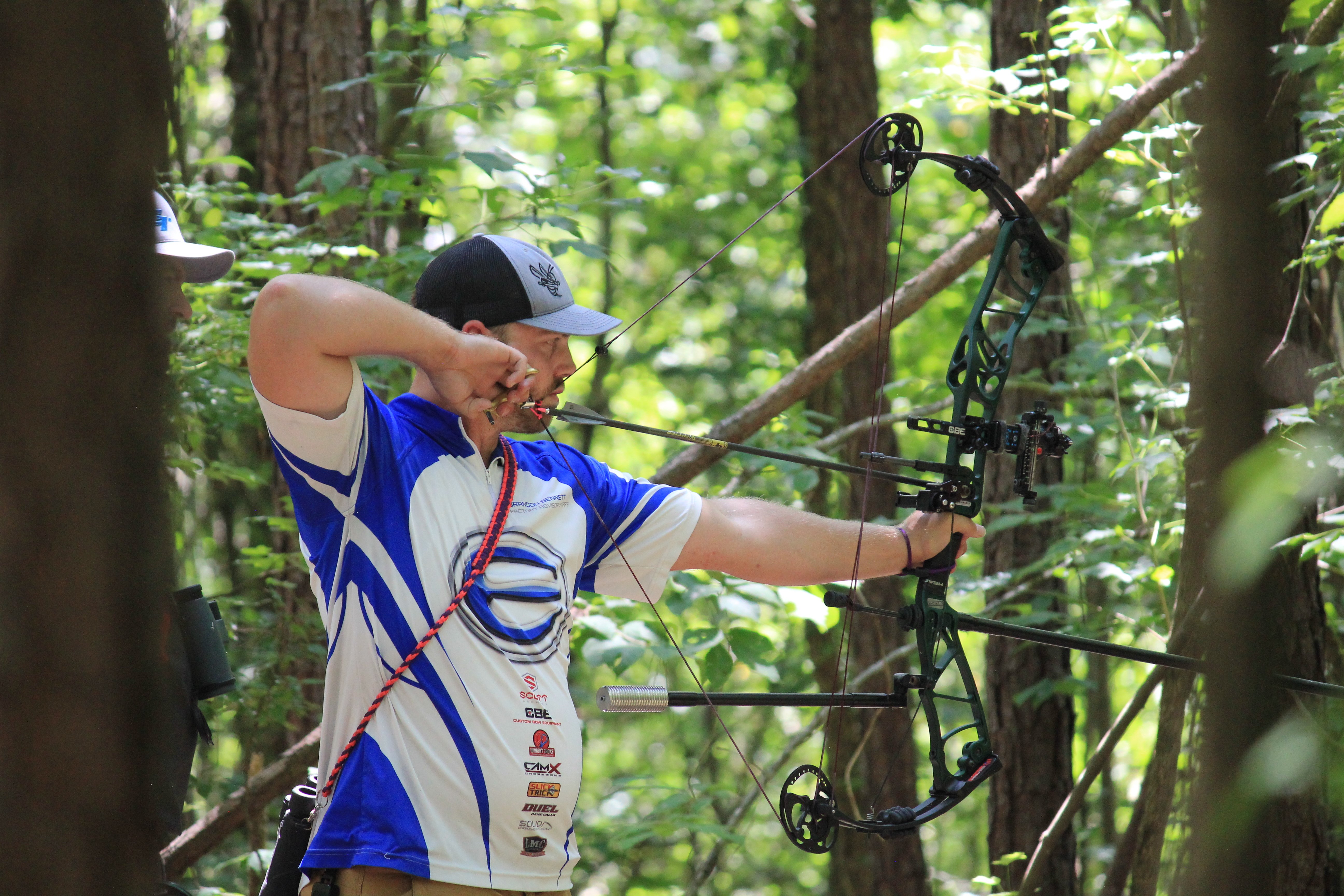
Bowfishing bows often use cable stops. The draw cycle is smoother, and archers can hold at full draw longer without fatigue.
Credit: news.elitearchery.com
Common Mistakes When Choosing A Stop System
Many new archers pick a bow based on looks or price, without considering the stop system. Here are mistakes to avoid:
- Choosing limb stops without strong form: Limb stops demand precise technique. If your form is weak, you’ll feel uncomfortable and lose accuracy.
- Ignoring maintenance: Cable stops wear cables. If you don’t check cables, your bow can lose performance or even fail.
- Overlooking noise: Limb stops can be noisy. If you hunt, think about noise dampening.
- Buying a bow with fixed limb stops: If you want to share your bow or adjust draw length often, fixed limb stops limit flexibility.
- Not testing both systems: Always shoot both types before buying. The feel is very different.
Which Stop System Is Right For You?
The right stop system depends on your skill level, use case, and preferences. Ask yourself these questions:
- Are you a beginner or youth shooter? Cable stops are usually better.
- Do you compete or want maximum accuracy? Limb stops are ideal.
- Is comfort important for long shooting sessions? Cable stops are more forgiving.
- Do you hunt and need quiet shots? Cable stops may be quieter.
- Do you need to adjust draw length often? Cable stops are easier to change.
Example: If you’re a new archer, start with cable stops. As your form improves, try limb stops to see if the hard wall helps your accuracy.
Comparison Table: Stop System Features
Here’s a quick reference for key features:
| Stop Type | Best For | Wall Feel | Maintenance | Noise |
|---|---|---|---|---|
| Cable Stop | Beginners, youth, comfort | Soft | Check cables regularly | Quieter, but can wear cables |
| Limb Stop | Advanced, target, hunting | Hard | Rare repairs, strong | Can be louder |
Advanced Insights Most Beginners Miss
- Wall feel affects let-off: The amount of energy held at full draw (let-off) changes with stop type. Limb stops give a more consistent let-off, which can help with aiming.
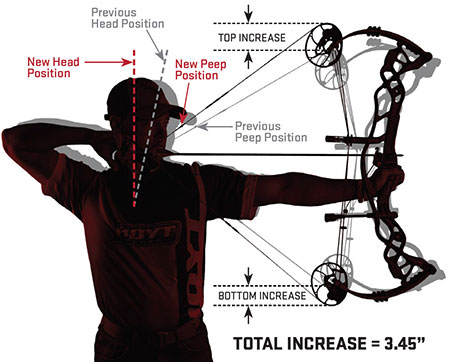
- Stop position changes draw length: On some bows, moving the stop (especially cable stops) changes the draw length. This is a hidden way to tune your bow without buying new cams.
Credit: www.abbeyarchery.com.au
Practical Tips For Choosing And Using Stops
- Test both types in person. The wall feel is hard to describe and varies by model.
- Keep your cables clean and waxed if you use cable stops.
- Add limb dampeners if you use limb stops for hunting.
- Practice holding at full draw with limb stops to build strength.
- Adjust your stop position for the best anchor point.
Stop System Trends In Modern Bows
Bow manufacturers are creating hybrid systems. Some bows use both cable and limb stops, letting you choose the feel. This gives archers more control and helps them customize their bow.
Hybrid stops are becoming more popular in the last five years. They combine the soft feel of cable stops with the hard wall of limb stops. If you want flexibility, look for bows with hybrid stops.
For more detailed information on bow technology, see the Compound Bow Wikipedia page.
Frequently Asked Questions
What Happens If My Cable Stop Wears Out?
If your cable stop wears out, you may notice a softer wall or inconsistent draw length. Replace the stop and check your cables for fraying. If you ignore this, your bow could become unsafe or lose accuracy.
Can I Add Limb Stops To A Cable Stop Bow?
Some bows allow you to install limb stops as an upgrade. However, you must check if your cams are compatible. The process can be tricky, and you may need a bow technician to help.
Are Limb Stops Better For Heavy Draw Weights?
Yes, limb stops are more reliable for heavy draw weights. They handle force better and don’t flex, making them safer for high-power bows.
Is There A Hybrid System That Combines Both Stops?
Many new bows feature hybrid systems. These use both cable and limb stops, letting you customize the wall feel. You can adjust for a soft or hard wall