Archery Compound Bow vs Recurve Bow: Which Is Best for You?
Archery is more than just hitting a target, it’s a journey into skill, focus, and the right equipment. One of the most debated choices in the archery world is between the compound bow and the recurve bow. Each has its unique design, history, and advantages. If you’re new to archery, or even considering switching bow types, understanding the differences is crucial for making the right choice. This article guides you through every aspect of compound and recurve bows, from mechanics and performance to use cases and personal fit. By the end, you’ll have a clear picture of which bow aligns best with your goals.


What Is A Compound Bow?
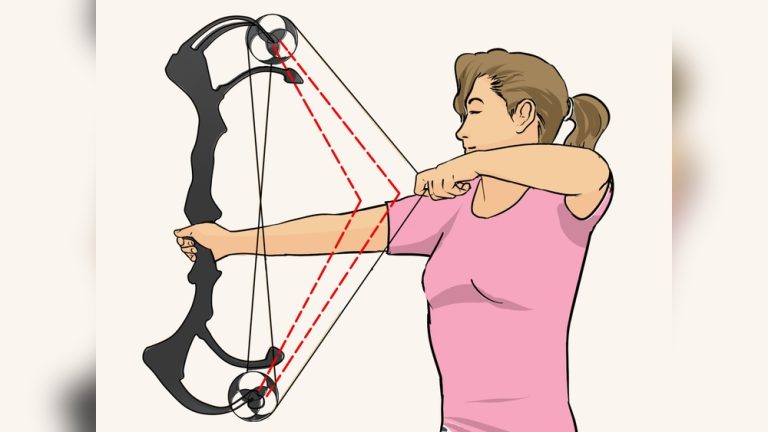
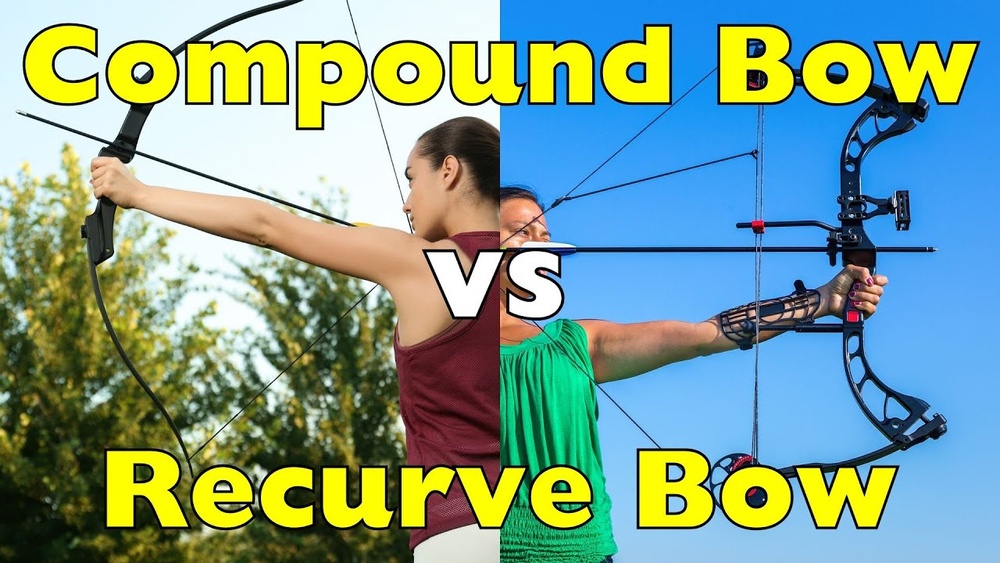
A compound bow is a modern style of bow that uses a system of cables and pulleys (known as cams) to bend the limbs. Invented in the 1960s, it revolutionized archery with its mechanical advantages. The main idea is simple: it stores more energy and allows you to hold and aim with less effort. This makes it popular in hunting and target shooting.
Key Features
- Cams and Pulleys: These create a mechanical advantage, reducing holding weight at full draw, called “let-off.”
- Rigid Construction: Compound bows often use carbon or aluminum for strength and lightness.
- Precision: Many come with sights, stabilizers, and release aids for accuracy.
How It Works
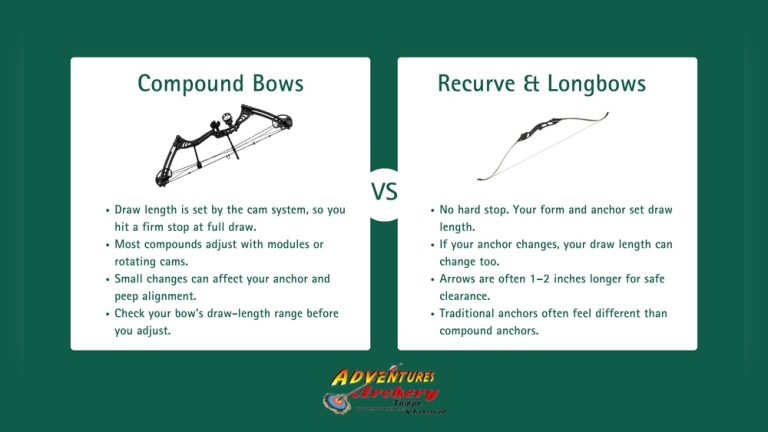
When you draw a compound bow, the cams rotate, making the limbs bend and store energy. Once you reach full draw, the let-off means you hold a much lighter weight, allowing you to aim calmly. For example, a 70-pound bow with 80% let-off means you only hold 14 pounds at full draw.
What Is A Recurve Bow?
A recurve bow is a traditional bow with limbs that curve away from the archer at the ends. This design gives the bow more power and speed than a straight-limbed bow. The recurve is the only bow type allowed in Olympic archery, making it a symbol of tradition and sport.
Key Features
- Simple Design: Just a riser (handle) and two limbs; no cams or pulleys.
- Curved Limbs: The ends curve away, storing more energy.
- Versatility: Used in target archery, hunting, and recreation.
How It Works
Drawing a recurve bow pulls the string directly, bending the limbs. The force required increases smoothly as you draw. This means you must hold the full draw weight while aiming, which requires more strength and control.
Head-to-head: Compound Bow Vs Recurve Bow
Let’s compare the two bows across several important factors.
| Feature | Compound Bow | Recurve Bow |
|---|---|---|
| Mechanics | Cams, cables, pulleys | Simple limbs and string |
| Draw Weight | Let-off reduces holding weight | Full draw weight held |
| Accuracy | Higher (mechanical aids) | Depends on skill |
| Maintenance | More complex, needs tuning | Simpler, easy to maintain |
| Use in Olympics | Not allowed | Official Olympic bow |
Performance And Accuracy
Compound Bow
Compound bows are famous for their accuracy. The let-off feature means you can aim for longer without shaking. Most come with peep sights, magnifying scopes, and stabilizers. This technology helps archers to consistently hit tight groups at long distances. In target archery competitions, compound bows often dominate because of their mechanical precision.
Recurve Bow
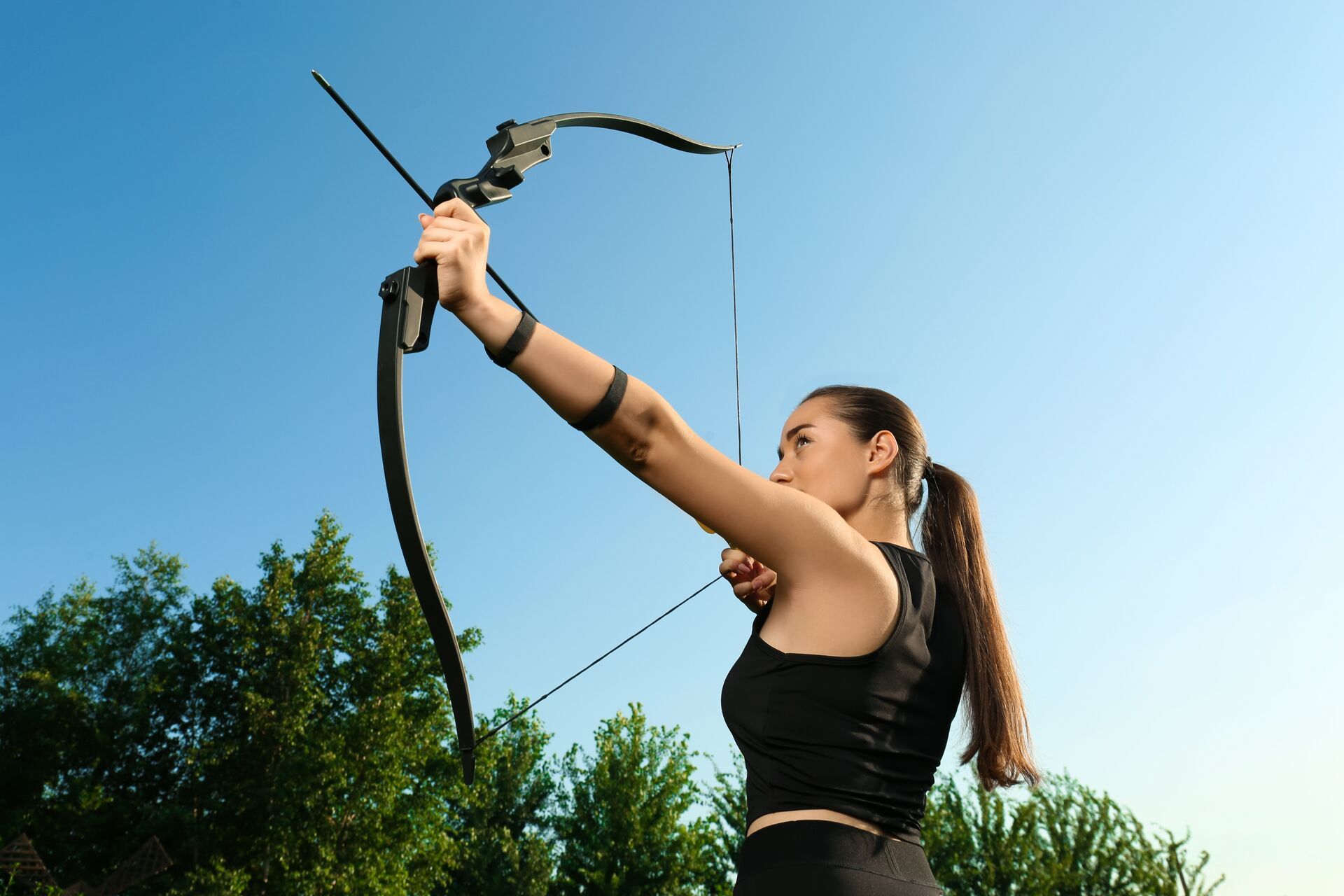
With a recurve bow, accuracy relies more on the archer’s form and consistency. There are fewer aids, usually just a basic sight or none at all. Olympic recurve archers train for years to master the repeatable form needed for high-level accuracy. The challenge is greater, but many archers find this rewarding.
Pro Tip: If you’re new, your groups (how close your arrows land) will usually be tighter with a compound bow. However, learning with a recurve builds foundational skills that transfer to any type of bow.
Credit: huntwise.com
Power And Speed
A common question: which bow shoots faster and harder? Generally, compound bows deliver higher arrow speeds and energy. The cam system stores and releases energy efficiently, so arrows fly faster for the same draw weight compared to a recurve.
A typical hunting compound bow can shoot arrows at 300-350 feet per second (fps), while most recurve bows for target shooting are in the 160-220 fps range. Faster arrows can mean flatter trajectories, making it easier to hit targets at varying distances.
Still, for many target sports, ultimate speed is less important than consistent form.
Ease Of Use And Learning Curve
Compound Bow
Many beginners find compound bows easier for consistent shooting because:
- The let-off means less strength is needed to hold the bow at full draw.
- Mechanical releases reduce finger tension and mistakes.
- Sights and peeps help with aiming.
However, setting up a compound bow requires more technical knowledge. There are more parts to adjust, draw length, let-off, peep sight alignment, and more. Tuning the bow for best performance often needs a bow shop or an experienced archer’s help.
Recurve Bow
A recurve bow is simpler to pick up and shoot, especially for basic practice or fun. There are fewer settings and accessories to worry about. But, you must build up the strength and technique to hold the draw weight and aim smoothly.
This process develops your archery fundamentals.
Example: When I first tried both bows, my arrows with the compound grouped tightly from the start. With the recurve, it took weeks to get consistent, but I learned much more about form, anchor points, and follow-through.
Maintenance And Durability
Compound Bow
The technology that makes compound bows powerful also adds complexity. Strings, cables, cams, and other moving parts need regular checks. If something goes wrong, you may need special tools or a professional to repair it.
- Strings and cables should be replaced every 2-3 years (depending on use).
- Cams must be kept in alignment.
- If a string breaks, a bow press is needed for safe replacement.
Recurve Bow
Recurve bows are simpler. With fewer parts, there’s less to go wrong. Most maintenance can be done at home:
- Wax the string regularly.
- Check limb bolts and screws for tightness.
- Replace the string as needed (simple process).
They’re also more forgiving if dropped or bumped, and spare parts are easy to find.
Cost And Value For Money
Bows range from affordable to expensive, but some general patterns exist.
| Bow Type | Entry Price (USD) | Mid-Range (USD) | High-End (USD) |
|---|---|---|---|
| Compound Bow | ~$300 | $500-$1000 | $1500+ |
| Recurve Bow | ~$100 | $250-$700 | $1200+ |
Compound bows often cost more due to their complex design and accessories. Upgrading sights, releases, or stabilizers adds to the price. Recurve bows are usually cheaper, especially for entry-level models. You can also start basic and add accessories as skills improve.
Warning: Don’t choose a bow just for the lowest price. A poorly made bow (compound or recurve) is hard to shoot and not enjoyable. Try several in-person if possible, and talk to experienced archers.
Best Uses And Applications
Compound Bow
- Hunting: The speed, let-off, and accuracy of compound bows make them the top choice for most hunters. Quiet releases and high power improve chances in the field.
- Target Archery: Many competitions have compound divisions. The mechanical advantage gives a level playing field for those with less upper body strength.
- 3D Archery: Moving through outdoor courses with life-size targets is popular, and the compound bow’s speed helps estimate unknown distances.
Recurve Bow
- Olympic and Traditional Archery: Only recurve bows are used in the Olympics. They’re also favored in historical reenactments and for practicing “barebow” skills (shooting without sights).
- Backyard and Recreation: Simpler setup means you can start shooting quickly. Light recurve bows are great for children and beginners.
- Bowfishing: Many bowfishing rigs use basic recurves for their rugged simplicity.
Customization And Accessories
Compound bows allow for heavy customization, sights, stabilizers, arrow rests, and more. Adjusting draw weight and length is possible with most models, letting you “grow” with the bow as your skills improve.
Recurve bows can be customized too, but the scope is smaller. Add-ons include sights, clickers (for draw consistency), and stabilizers. However, the focus remains on the archer’s skill.
Pro Tip: Avoid adding too many accessories at first. Focus on core technique, then add gear as your consistency improves.
Portability And Storage
Weight and size matter, especially if you hike to your shooting spot.
- Compound bows are heavier, averaging 3.5, 5 pounds (without accessories). Their rigid shape makes them less compact.
- Recurve bows can be lighter and often break down into three parts for easy transport. This is a plus for travel and storage.
Example: On a backpacking trip, I packed a takedown recurve in my bag. The compound bow wouldn’t fit without a bulky case.
Legal And Competition Considerations
If you dream of Olympic glory, the choice is clear: only recurve bows are allowed. Most local and national target competitions have separate divisions for compound and recurve. Some traditional events ban compounds.
For hunting, laws vary by state and country. Most allow compound bows, but some game species have draw weight minimums or equipment rules. Always check local regulations.
You can find more about archery competition rules at the World Archery Federation website.

Credit: www.youtube.com
Choosing The Right Bow For You
No single bow is “better” for everyone. Think about these factors:
- Purpose: Are you interested in target shooting, hunting, or both?
- Experience Level: Beginners may find compounds easier for accuracy, but recurves teach fundamental skills.
- Budget: Compounds cost more, especially with accessories.
- Maintenance Willingness: Compounds need more care; recurves are simpler.
- Physical Strength: Compounds help if holding heavy draw weights is tough.
- Competition Goals: Want to shoot Olympic-style? Go recurve.
Warning: Many archers switch bow types as their interests and skills change. Your first bow isn’t your last.
Non-obvious Insights: What Beginners Miss
- Let-off Isn’t Always Best: The let-off in a compound bow helps with aiming, but it can also mask poor form. Some archers develop bad habits because the bow is so forgiving at full draw. Starting with a recurve can build better technique.
- Tuning Matters More Than Price: A well-tuned $200 bow will shoot better than a $1,000 untuned one. Learn to tune your bow or work with a shop.
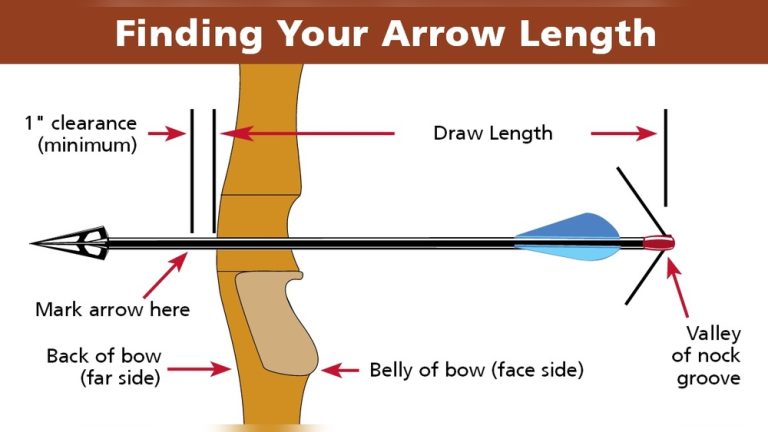
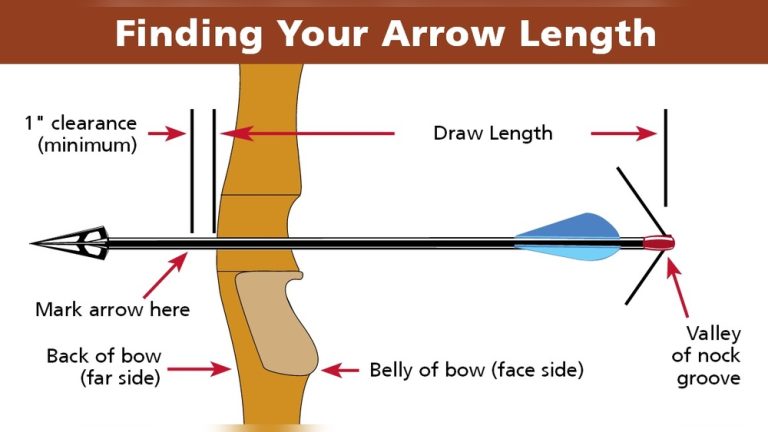
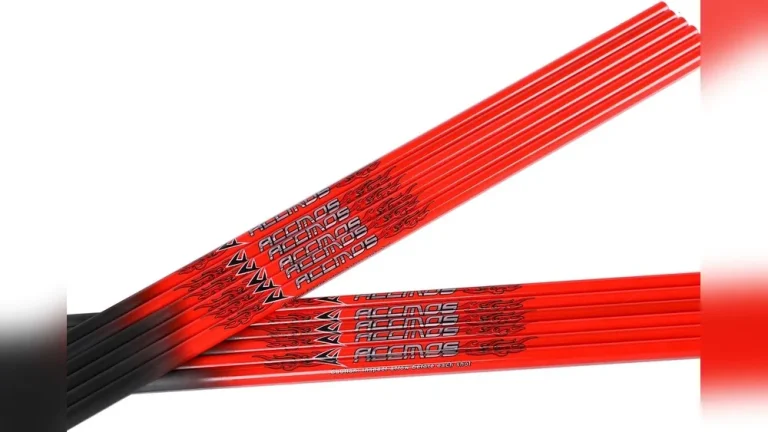
- Arrow Selection Is Critical: Both bow types require matching arrows to draw length and weight. Using the wrong arrows hurts accuracy and safety.
- Bow Fit Is Personal: Two archers of the same height might need different bow sizes. Always test bows in person if possible before buying.

Credit: www.survivalarcherysystems.com
Common Mistakes To Avoid
- Choosing Too Much Draw Weight: Beginners often pick bows that are too powerful, leading to bad habits and even injuries. Start lighter and move up as you gain strength.
- Ignoring Draw Length: Both bow types must fit your arm span and shooting style. An incorrect draw length causes poor accuracy and discomfort.
- Skipping Lessons: Even with simple recurves, professional instruction early on will save months of frustration.
- Overbuying Accessories: Fancy gear doesn’t help if your form is poor. Focus on the basics first.
Real-world Experiences
When they try compound bows later, their accuracy jumps quickly. On the other hand, those who start with compounds often shoot well fast, but struggle if they switch to recurve and have to rely more on technique.
One beginner I worked with chose a compound bow for hunting. The technical setup was daunting at first, but after some lessons, he was shooting tight groups out to 40 yards. Another student went with a recurve for backyard fun, she loved the simplicity and eventually joined a local club for Olympic-style archery.
Environmental Impact
Both bow types are reusable and have a low carbon footprint compared to firearms. However, compound bows use more synthetic materials (aluminum, plastics), while recurves can be made almost entirely from wood and natural fibers. For those seeking a traditional, eco-friendly approach, recurves have the edge.
Summary Table: Compound Vs Recurve At A Glance
Here’s a quick reference comparing major points.
| Aspect | Compound Bow | Recurve Bow |
|---|---|---|
| Accuracy | High (with aids) | Depends on form |
| Power/Speed | Greater, faster arrows | Moderate, smoother |
| Maintenance | Complex | Simple |
| Price Range | Higher | Lower |
| Learning Curve | Short, but technicalSimilar Posts |