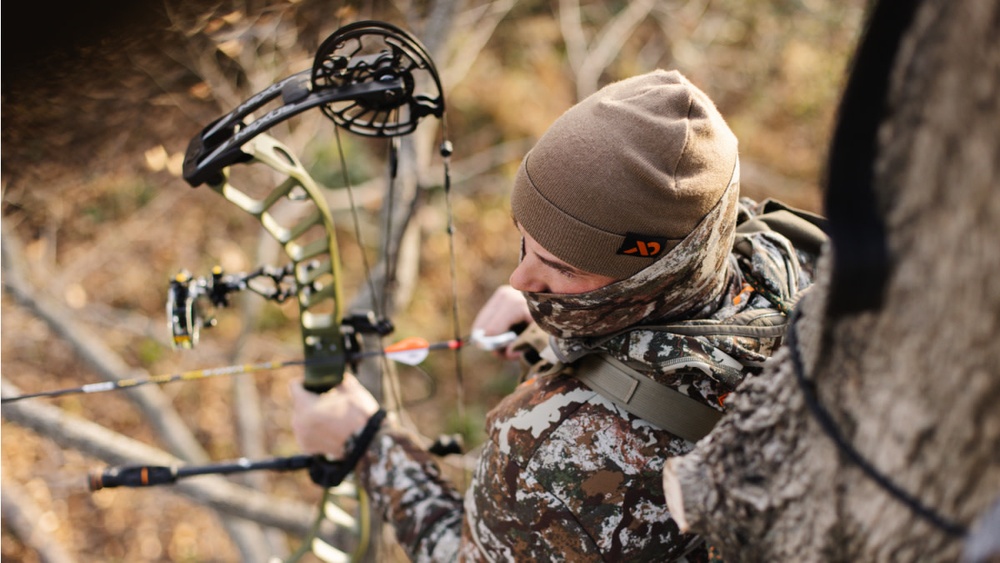
Bow Vs Compound Bow for Deer Hunting: Which Is Best?
Choosing the right bow for deer hunting can feel overwhelming. For many, it comes down to two major types: the traditional bow (also called “recurve” or “longbow”) and the compound bow. Both have strong supporters, but which is truly better for deer hunting? The answer depends on your needs, skill level, hunting style, and even personal feelings about the hunt itself. This guide breaks down how these two bows compare for deer hunting, using real-world examples, practical advice, and insights that many beginners miss. By the end, you’ll know which bow will give you the best experience in the field.

What Sets A Traditional Bow Apart From A Compound Bow?
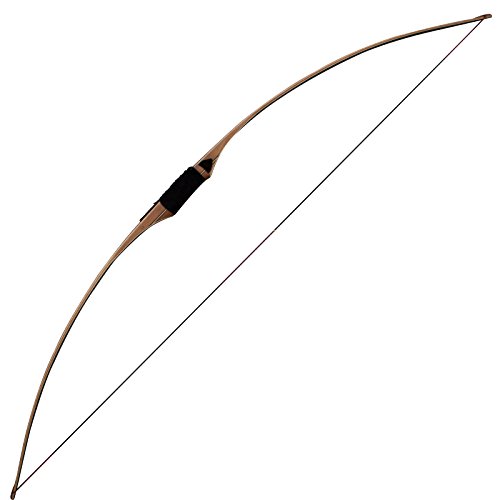
Traditional bows are simple, elegant, and rooted in history. They include recurve bows, which have limbs that curve away from the archer, and longbows, which are straight and tall. There are no pulleys or cables, just a bow, string, and arrow. Many hunters are drawn to the pure experience and challenge of mastering a traditional bow.
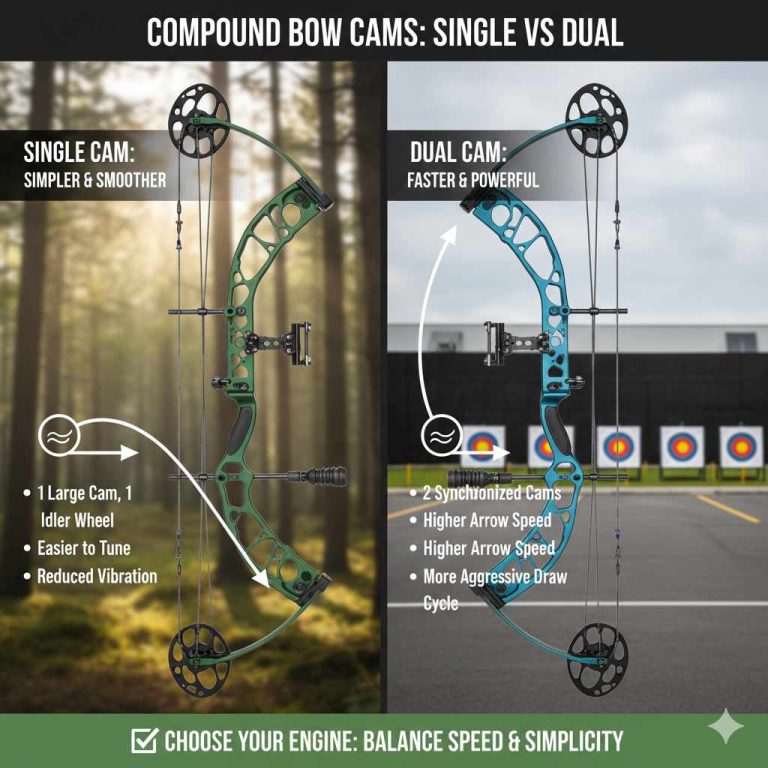
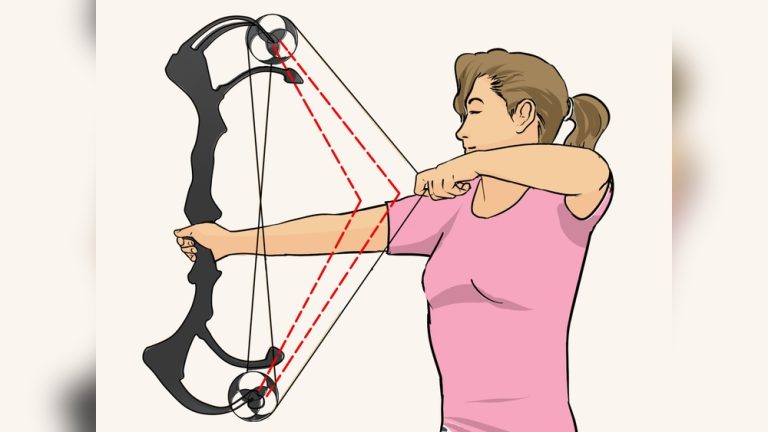
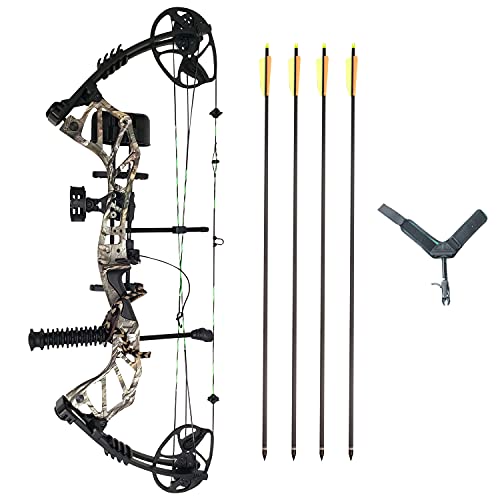
A compound bow uses a system of cams and pulleys. This design makes it easier to hold the bow at full draw, which means less muscle fatigue and more time to aim. Compound bows also allow for more precise tuning and are often more powerful for their size.
Here’s a quick visual comparison:
| Feature | Traditional Bow | Compound Bow |
|---|---|---|
| Draw Weight | Constant | Let-off (easier at full draw) |
| Accuracy | Skill-based | More forgiving |
| Maintenance | Low | Moderate/High |
| Learning Curve | Steep | Gentler |
| Weight | Lighter | Heavier |
Key Considerations For Deer Hunting
Legal Requirements
Before choosing a bow, always check your local hunting regulations. Many states set minimum draw weights for deer hunting. For example, some require bows with at least 40 pounds of draw weight for ethical kills. Compound bows often meet these rules more easily, but many modern recurve bows also qualify.
Accuracy And Effective Range
A critical factor in hunting is the effective range, how far you can shoot and still make a clean, ethical kill. Compound bows usually have a longer effective range due to their design. Skilled archers with a compound bow can shoot 40, 50 yards or more with confidence.
With a traditional bow, the practical range is often 20, 30 yards, especially for beginners.
Example: If you hunt in dense woods where shots are close, a traditional bow’s shorter range may not be a disadvantage. But if your hunting land has open fields, a compound bow’s reach can be a big advantage.
Power And Penetration
Penetration is crucial for deer hunting. You need enough force to drive the arrow through the deer’s hide and into vital organs. Compound bows generally deliver more kinetic energy for the same draw weight because of their mechanical advantage and efficiency.
This means better penetration, especially at longer distances.
Pro Tip: If you choose a traditional bow, practice with heavier arrows and razor-sharp broadheads. These can help improve penetration, even with a lower draw weight.

Credit: nabowhunter.com
The Hunting Experience: Tradition Vs. Technology
The Feel Of The Hunt
Many hunters choose a traditional bow because of the challenge and connection to the past. Shooting a recurve or longbow requires more skill, patience, and practice. Every shot feels earned. There’s a certain pride in harvesting a deer using the same style of bow used by hunters for centuries.
On the other hand, the compound bow offers a modern, efficient experience. Its let-off allows you to hold at full draw for longer, giving you more time to aim and wait for the perfect shot. Many hunters enjoy the confidence and consistency that a compound bow brings.
Learning Curve
A traditional bow demands more from the archer. Hitting the target consistently takes months (or years) of regular practice. There are no sights, so you must learn instinctive shooting, focusing on the target and letting your body “feel” the right shot.
Compound bows are easier for beginners to pick up. The mechanical design, sights, and release aids make accurate shooting more accessible. In my experience, most new hunters can become accurate enough for hunting with a compound bow after just a few weeks of focused practice.
Maintenance And Durability
Traditional bows are simple. There’s not much that can break, and maintenance is minimal, just waxing the string and checking for cracks. Compound bows have more parts: cams, cables, and often adjustable sights. This means more maintenance and a higher chance that something could go wrong in the field.
However, compound bows are built tough. With proper care, they can last for years. The key is regular inspection, especially before and after the hunting season.
Comparing Deer Hunting Performance
Accuracy Under Pressure
When a deer steps into view, your heart races. This is when the bow’s design matters most. Compound bows make it easier to stay at full draw, giving you extra time to settle your shot. The sights help you aim precisely, even if you’re nervous.
Traditional bows require you to draw, aim, and shoot in a smooth motion. You must rely on muscle memory and instinct. For many, this is part of the fun, but it also means more room for error when adrenaline is high.
Portability And Maneuverability
If you hunt from a tree stand or in thick brush, bow size matters. Traditional bows are usually lighter, but they can be long and awkward in tight spaces. Compound bows are heavier but more compact, especially when unstrung.
Here’s how the sizes usually compare:
| Bow Type | Average Length (inches) | Average Weight (lbs) |
|---|---|---|
| Recurve Bow | 58, 62 | 2, 3 |
| Longbow | 66, 72 | 1.5, 2.5 |
| Compound Bow | 30, 34 | 3.5, 5 |
Noise And Stealth
Deer are wary. Even a small noise can spook them. Compound bows, with their moving parts, can be louder than traditional bows. Some models make a noticeable “twang” when shot. Many hunters use dampeners to reduce noise.
Traditional bows are naturally quieter. Their simple design means less vibration and less noise, which can be a real advantage in close encounters.
Customization And Accessories
Compound bows are highly customizable. You can add sights, arrow rests, stabilizers, quivers, and even lighted nocks. This allows you to adjust the bow to your exact preferences and hunting style.
Traditional bows are simple, with few options for add-ons. Some hunters use stick-on arrow rests or string silencers, but most keep things basic.
Example: If you have poor eyesight, a compound bow with a peep sight and fiber optic pins can make aiming much easier. If you enjoy the simplicity and challenge, a bare recurve bow might be more satisfying.
Cost And Value
The price of a bow can range from under $100 to well over $1,000. Compound bows are usually more expensive, especially when you add accessories.
Here’s a general price comparison:
| Bow Type | Entry-Level Price | Mid-Range Price | High-End Price |
|---|---|---|---|
| Recurve/Longbow | $100, $250 | $250, $500 | $500, $900 |
| Compound Bow | $300, $500 | $500, $900 | $900, $1,500+ |
Traditional bows are less expensive to maintain. There are fewer parts to replace, and you can often restring them yourself. Compound bows require professional tuning and may need new strings or cables every couple of years.
Pro Tip: Don’t let price alone decide for you. Try both bow types at a local shop or range before buying. The bow that feels best in your hands is usually the right one.
Common Mistakes When Choosing A Bow For Deer Hunting
- Ignoring Draw Weight: Some hunters pick a bow that’s too heavy or too light. Make sure you can pull the bow back smoothly and hold at full draw.
- Skipping Practice: Even the best bow won’t make up for lack of practice. Both types demand time to master, but traditional bows need even more regular use.
- Buying for Looks: A cool-looking bow isn’t always the best performer. Focus on fit, feel, and function.
- Not Checking Legal Requirements: Always confirm that your bow meets local hunting laws for draw weight and arrow type.
- Over-accessorizing: With compound bows, beginners often add too many accessories. Start simple, then add gear as your skills grow.
First-hand Experience: What Surprised Me
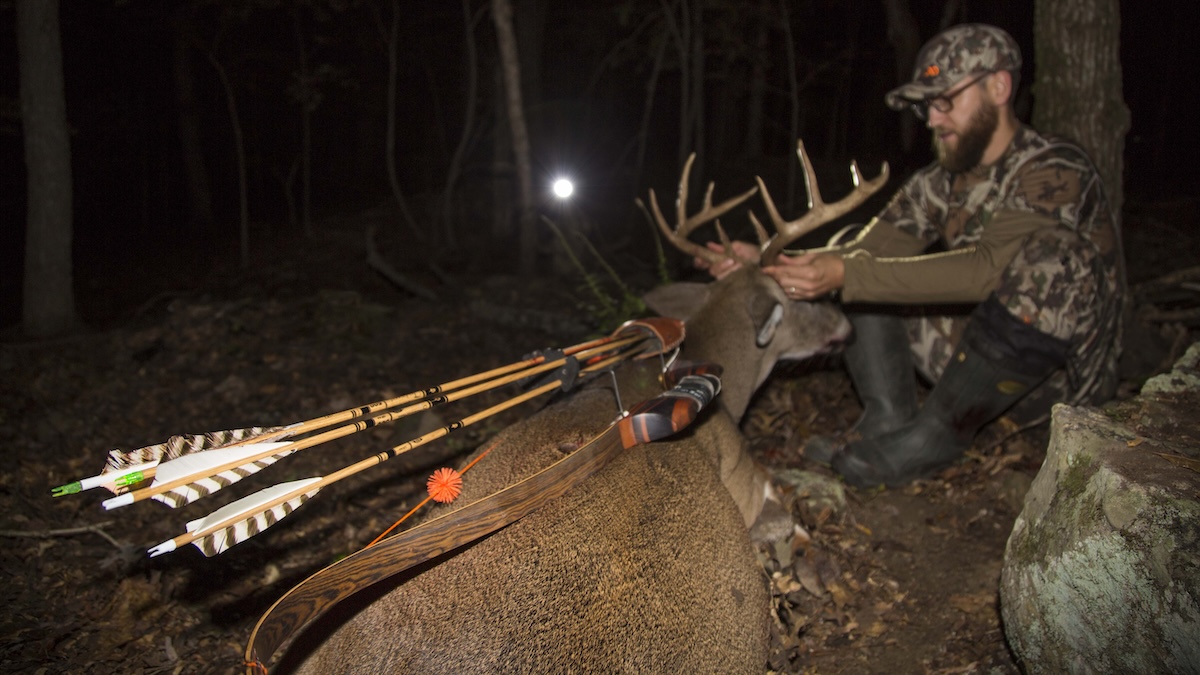
When I first tried both bows, I expected the compound bow to be easier, and it was, at least at first. My groups were tighter, and I felt confident shooting at longer ranges. But after hunting with a traditional bow, I found a deeper connection to the hunt itself.
Every deer I took with a recurve felt like a bigger achievement. However, I also missed a few good opportunities that I would have made with a compound bow.
One thing that surprised me was how sensitive compound bows are to tuning. Even a small change in the arrow rest or string can affect accuracy. Traditional bows, on the other hand, seemed more forgiving as long as my form was good.
Credit: www.themeateater.com
Which Bow Is Best For Beginners?
If you’re new to hunting or archery, a compound bow is usually the better starting point. The let-off, sights, and mechanical advantages help you shoot accurately sooner. This means more ethical shots and a better chance of success in your first season.
Traditional bows are perfect for those who enjoy a challenge, like to practice often, and value tradition over technology. They also teach you good shooting habits, which can help you master any type of bow later.
Advanced Insights: What Beginners Often Miss
- Consistency matters more than speed. Many new hunters chase high arrow speeds, especially with compound bows. But consistent shooting form and practice are far more important for clean kills.
- Arrow selection is critical. Both bow types require arrows matched to the bow’s draw weight and your draw length. The wrong arrow can ruin accuracy and reduce penetration. Always get help from a pro when selecting arrows.
- Weather can affect performance. Compound bows can be more sensitive to cold or wet weather, as cables and cams may behave differently. Traditional bows are affected too, but usually less so.
- Muscle fatigue is real. With a traditional bow, you must hold the full draw weight as you aim. This can make your arms shake, especially under stress. Compound bows help prevent this, which can be a big deal when the moment of truth arrives.

Credit: huntwise.com
Environmental And Ethical Factors
Some hunters prefer traditional bows for ethical reasons. A shorter range means you must get closer to the deer, which can lead to more selective shots and fewer wounded animals. However, a poorly practiced archer with a traditional bow can be less ethical than a well-trained compound shooter.
Compound bows can encourage longer shots. While this is not always bad, it can lead to more wounded deer if the shooter isn’t experienced at those distances. No matter which bow you choose, practice until you are confident in making a clean, quick kill every time.
Current Trends In Deer Hunting Bows
The archery market has seen increased interest in traditional bows, partly due to social media and popular hunting shows. Many hunters are returning to traditional gear for the challenge and satisfaction it brings.
At the same time, compound bows continue to evolve. Modern models are lighter, quieter, and more efficient than ever before. Some even feature integrated rangefinders and electronic sights, though these are banned in some states.
According to the Archery Trade Association, compound bows still make up the majority of new bow sales in the US, but interest in traditional bows has been growing steadily over the past decade.
If you want to learn more about current bowhunting laws and trends, the National Bowhunter Education Foundation website is a great place to start: National Bowhunter Education Foundation.
Summary: Which Bow Should You Choose?
- Pick a compound bow if you want quicker results, longer range, more accuracy, and don’t mind extra maintenance.
- Go with a traditional bow if you value challenge, simplicity, history, and the feeling of a true “one-on-one” hunt.
- Always check local laws, and get professional help with setup and arrow selection.
- Practice is more important than gear. The best bow is the one you shoot most confidently and accurately.
No bow will guarantee a deer, but the right choice for you will make every hunt more enjoyable and rewarding.
Frequently Asked Questions
How Often Should I Practice Before Deer Season With Each Type Of Bow?
With a compound bow, practicing 2, 3 times per week for 30, 45 minutes is usually enough to become accurate out to 30, 40 yards. For a traditional bow, daily practice is recommended, especially for beginners, as instinctive shooting relies more on muscle memory and repetition.
Can I Use The Same Arrows For Both Compound And Traditional Bows?
No, arrows must be matched to both the bow type and draw weight. Compound bows often use stiffer, lighter arrows designed for higher speeds, while traditional bows typically perform better with heavier, more flexible arrows. Always have your arrows checked by a pro to ensure safety and accuracy.
Are There Specific Safety Issues Unique To Each Bow Type?
Compound bows have more moving parts, so regular inspection is important to catch frayed cables or cracked cams. Dry firing (shooting without an arrow) can severely damage a compound bow. With traditional bows, always inspect the limbs for cracks and never store them strung for long periods.