Barebow Vs Compound Bow: Which Archery Style Suits You Best?
Archery is a sport and skill that goes back thousands of years. From ancient hunting tools to Olympic competition, the bow has evolved in amazing ways. Today, two popular styles stand out: barebow and compound bow. Many new archers wonder which is better, what are the key differences, and which suits their needs. If you are choosing your first bow, or want to understand both styles, this guide will give you clear, practical answers.
As someone who has coached beginners and tested both types, I know how confusing the choice can seem. Each style has unique strengths and challenges. Your decision will shape your learning, enjoyment, and even your results in target shooting or hunting. Let’s break down everything you need to know about barebow vs compound bow.


What Is A Barebow?
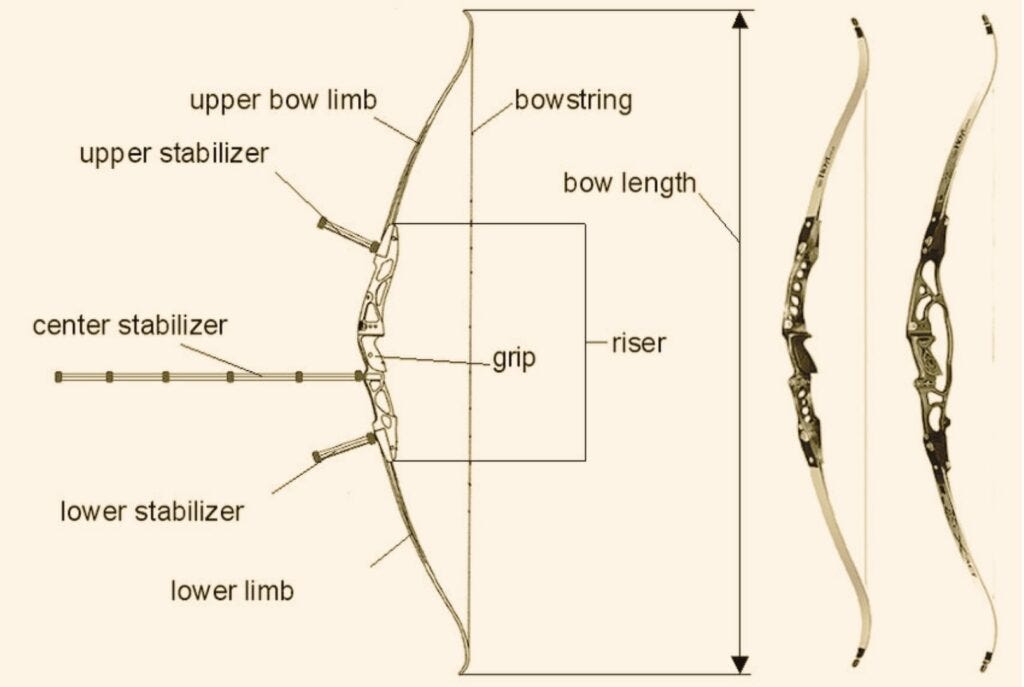
A barebow is the simplest form of modern bow. It is usually a recurve or longbow, but without extra accessories like sights, stabilizers, or release aids. In barebow archery, you rely on your own skill to aim and shoot.
Barebow is popular in traditional archery and some competitive classes, like World Archery’s barebow division. The focus is on instinctive or “gap” shooting, where you use the arrow tip or feel to aim instead of mechanical sights.
Key Features Of Barebow
- Simple design: Few or no accessories. Just bow, string, and arrows.
- No sight or stabilizer: You aim using feel, not devices.
- Finger release: You draw and release the string with your fingers.
- Recurve or longbow: Most barebows are recurve for competitions.
Barebow Materials And Build
Barebows are often made from wood, laminated composites, or carbon. The limbs curve back (recurve) to store more energy. The grip is simple and ergonomic. Because you shoot with your fingers, the bow must be tuned for smooth release.
Example: In my experience, learning barebow builds strong technique. You must focus on body position and anchor points, as there is little “forgiveness” from technology.
What Is A Compound Bow?
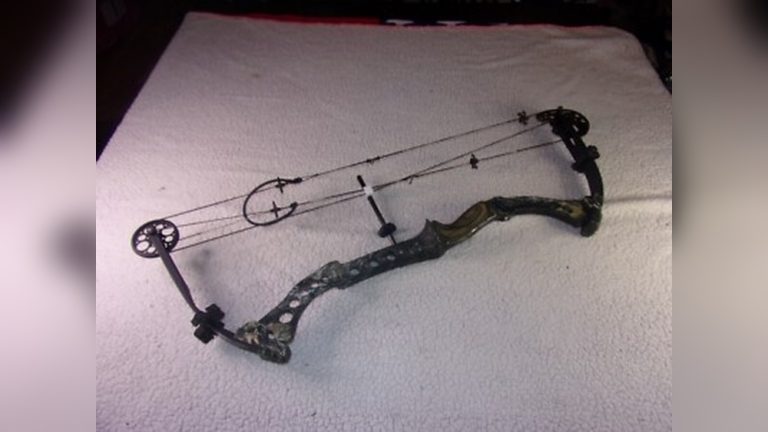
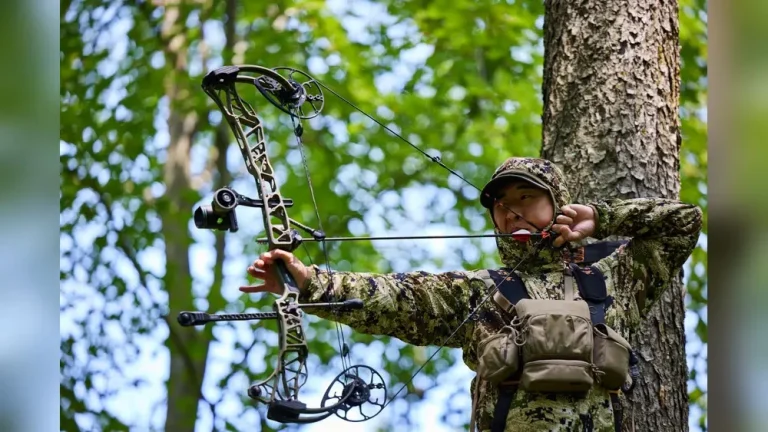
The compound bow is a modern bow design that uses pulleys, called cams, and cables. This system makes the bow easier to draw and hold at full draw, while storing more power. Compound bows are the most popular choice for hunting and target shooting in the United States.
Key Features Of Compound Bow
- Cams and cables: Increase energy and reduce draw weight at full draw.
- Sights and stabilizers: Most compounds use pin sights, scopes, and balancing rods.
- Release aid: You usually use a mechanical release for clean shots.
- Adjustable draw length and weight: More flexibility for different shooters.
Compound Bow Technology
Most compound bows are made from strong aluminum alloys, carbon fiber, and advanced plastics. The limbs are short and stiff. Cams can be round or elliptical, each affecting speed and smoothness.
Pro Tip: If you want maximum accuracy with less physical strain, the compound bow’s let-off (reduced holding weight) is a big advantage.
Main Differences Between Barebow And Compound Bow
Understanding the core differences helps you choose the right type. Here’s a direct comparison:
| Feature | Barebow | Compound Bow |
|---|---|---|
| Aiming | Instinctive or with arrow tip | Sight (pin/scope) and peep |
| Release | Fingers | Mechanical release aid |
| Draw Weight at Full Draw | 100% of set weight | Let-off (as low as 15, 20% of set weight) |
| Accessories | Few or none | Many (sights, stabilizers, dampeners) |
| Learning Curve | Steeper at first | More forgiving |
| Maintenance | Simpler | More complex |
Learning Curve And Skill Development
Barebow: Building Fundamentals
Starting with barebow means you learn all the basics from the ground up. You build strong form, control, and aiming instincts. Every mistake is visible, so you get instant feedback. Many coaches recommend barebow for beginners to create solid technique.
However, the progress can feel slow. Hitting the bullseye takes practice. There are no sights to correct your aim, and shooting is affected by small errors in your grip or anchor point. This is why barebow is sometimes called “archery in its purest form.
”
Compound Bow: Faster Results
Compound bows help beginners hit the target sooner. The sight and let-off make it easier to hold steady and aim well. The mechanical release means fewer string contact problems. This reduces frustration and builds confidence quickly.
But, some archers develop “crutches”, they rely on technology and may not learn strong fundamentals right away. If you start with compound, it’s wise to pay attention to your form and not just the gadgets.
Example: I’ve seen new archers shoot tight groups with a compound bow their first day. But with barebow, their progress takes more time, yet their technique is often better in the long run.
Accuracy And Performance: Which Is Better?
Accuracy Potential
Compound bows, with their sights and release aids, offer higher accuracy for most people. At the elite level, compound archers regularly shoot perfect or near-perfect scores in competitions. The mechanical advantage of cams, the let-off, and stabilizers all reduce human error.
Barebow accuracy relies 100% on the archer’s body and practice. The lack of sights means aiming is less precise, especially at longer distances. Still, skilled barebow shooters can achieve excellent results, especially at short and medium ranges.
Speed And Power
Compound bows shoot arrows faster, often 300, 350 feet per second (fps), depending on the model and setup. This speed gives a flatter trajectory and less arrow drop, which helps with long-distance accuracy and hunting.
Barebows usually shoot slower, 170, 210 fps, because they have no cams and use lighter limbs. This means more arrow drop over distance, so you need to adjust your aim carefully.
Competition Results
In world archery tournaments, compound shooters regularly score higher. For example, at the World Archery Championships, compound scores are often 10, 20% higher than barebow scores at the same distances. This reflects the mechanical advantages of the compound design.
Cost Differences: What To Expect
Barebow Costs
Barebows are simple and often less expensive. A good entry-level recurve barebow can cost between $150 and $300, including basic accessories. High-end models for competition can reach $700, $1,200, especially with custom limbs and risers.
Maintenance is also lower. Fewer moving parts mean less that can break or need adjustment.
Compound Bow Costs
Compound bows are more complex and pricier. Entry-level models start around $300, $500, but mid-range bows with good cams and tuning options can run $600, $1,500. Add sights, stabilizers, arrows, and a release aid, and the full setup can exceed $2,000.
Maintenance can cost more, too. Cams, cables, and strings wear out and must be replaced regularly by a pro shop.
Pro Tip: If you want to upgrade slowly, barebow is easier. You can add better limbs or a new string over time. With compound, upgrading usually means buying a whole new bow.
Hunting: Which Bow Is Better?
Compound Bow For Hunting
The compound bow dominates in bowhunting. Its power and accuracy make it ideal for ethical, clean kills. The let-off means you can hold at full draw longer while waiting for a perfect shot.
Compound bows also shoot flatter, so small distance errors matter less. Many US states set a minimum draw weight for hunting (often 40, 45 lbs), which compounds easily achieve.
Barebow For Hunting
Some hunters use barebows, especially traditionalists. You must get closer to the animal, as the lower speed and lack of sights make long shots risky. Barebow hunting requires excellent stalking and shooting skills.
Warning: If you are new to hunting, a compound bow is usually safer and more effective. Many beginners find it hard to take ethical shots with a barebow.
Target Shooting And Competition
Barebow Competition
Barebow has a strong following in traditional and field archery. The World Archery Federation and the International Field Archery Association have barebow divisions. Rules limit the use of stabilizers and sights.
Distances are usually shorter than Olympic recurve or compound events. Scoring is challenging, and skill is rewarded.
Compound Competition
Compound archery is an official World Archery class. Top shooters use advanced sights, release aids, and specialized arrows. Competitions are often at 50 or 60 meters, with precise scoring rings.
Compound archers dominate in indoor target, 3D archery, and field events due to their equipment’s accuracy.

Credit: www.youtube.com
Maintenance And Durability
Barebow: Low Maintenance
Barebows are tough and simple. They need regular string waxing, checking for limb cracks, and occasional tuning. You can do most maintenance yourself with basic tools.
If you shoot a wooden barebow, avoid moisture and extreme heat, as these can warp the limbs. Composite and metal risers are more resistant.
Compound Bow: Higher Maintenance
Compound bows need more care. Strings and cables wear quickly due to high tension. Cams must be aligned, axles lubricated, and the bow should be checked for cracks or damage often.
Most adjustments require a bow press, which is a special tool found at pro shops. Tuning a compound bow is more technical and time-consuming.
Pro Tip: If you travel or shoot in rough conditions, a barebow is less likely to fail in the field.
Which Bow Is Better For Beginners?
Choosing between barebow and compound often depends on your goals.
- For pure learning: Barebow builds strong fundamentals, but progress may feel slower.
- For quick results: Compound bows are more forgiving and easier to aim, which helps beginners see success fast.
- For young shooters: Compound bows with adjustable draw weights can grow with the archer, but barebows are lighter and simpler.
- For those on a budget: Barebow is usually more affordable.
Warning: Many beginners buy a high-poundage bow they cannot control. Always start with a lower draw weight (20, 30 lbs) and focus on good form.
Real-world Use And Popularity
Barebow is more common in Europe and among traditional archers. Its appeal is in the skill and “feel” of shooting, not in technology.
Compound bows are the standard for hunting in North America and dominate competitive shooting in the US. Their popularity is due to their power, speed, and technical options.
Common Myths About Barebow And Compound Bows
- “Compound bows are only for experts.” In fact, compounds are designed to help all levels shoot better. The sight and let-off help beginners as much as pros.
- “Barebow is outdated.” Not true. Barebow is growing, especially in traditional and field competitions.
- “You can’t hunt ethically with a barebow.” Some skilled archers do hunt with barebows, but it’s harder and not recommended for most beginners.
- “All bows are the same, just shaped differently.” The mechanics and shooting experience are very different, as covered above.
Credit: medium.com
Table: Quick Pros And Cons
Here is a side-by-side look at the main pros and cons of each style:
| Barebow | Compound Bow | |
|---|---|---|
| Pros | – Simple design – Lower cost – Strong fundamentals – Low maintenance | – High accuracy – Easy aiming – Powerful and fast – Great for hunting |
| Cons | – Steep learning curve – Less accurate over distance – Slower arrow speed | – Expensive – Complex maintenance – Heavier – Needs more tuning |
How To Choose: Questions To Ask Yourself
- What is your main goal? (Target shooting, hunting, competition, fun)
- Do you like technology, or prefer simplicity?
- What is your budget?
- How much time do you want to spend on maintenance?
- Are you interested in traditional archery culture?
- How important is quick progress for you?
If you want a modern, high-tech experience with the best accuracy, go compound. If you love the idea of mastering the basics and shooting with just your skill, barebow is a rewarding choice.
Environmental Impact
Both bow types are more environmentally friendly than guns, but there are some differences. Barebows made from wood or bamboo are biodegradable. Compounds use more metal and plastic, which are less “green” but last longer.
Arrows for both types are typically aluminum or carbon, but traditionalists may use wooden arrows for barebow.
Safety Considerations
- Always use the correct draw weight for your strength.
- Inspect your bow for damage before each session.
- Use proper backstops and targets.
- Never dry-fire (shoot without an arrow) any bow, especially compounds, as this can cause damage.

Credit: aschamoaks.com
Table: Who Should Choose Which Bow?
To help you decide, here’s a quick summary of which archers benefit most from each style:
| Archer Type | Barebow | Compound Bow |
|---|---|---|
| Beginner | Yes, builds technique | Yes, easy to aim |
| Hunter | Possible, but challenging | Best choice |
| Traditionalist |