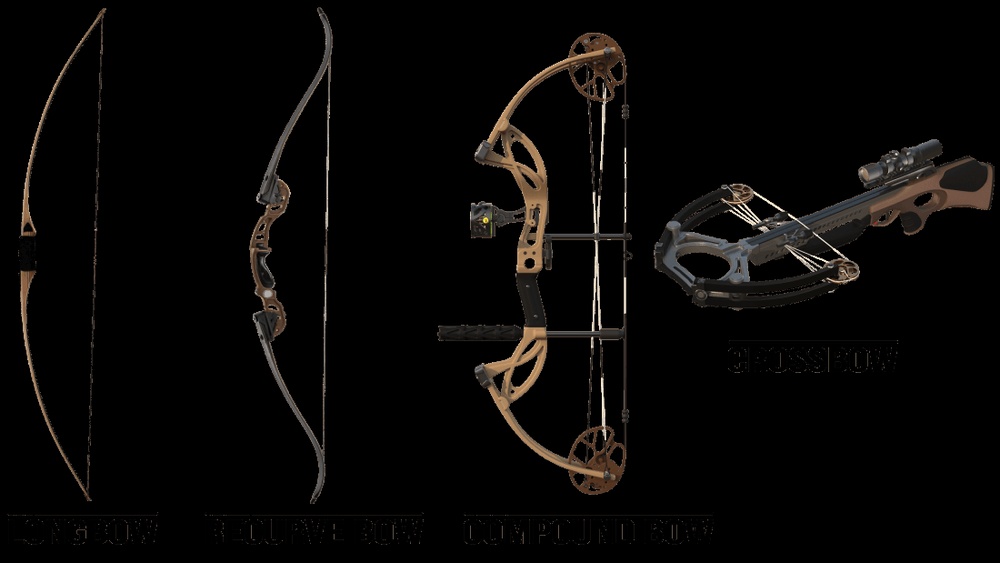
Compund Bow Vs Traditional Bow Thehunter: Ultimate Comparison Guide
Archery is an ancient skill that has fascinated people for thousands of years. Today, two main types of bows draw attention: the compound bow and the traditional bow. Both have strong supporters in the hunting world. Whether you’re a new hunter or an experienced archer, understanding the real differences between these bows can help you make better choices in the field. This article explores their design, performance, advantages, and challenges, so you can decide which fits your needs best.


What Makes A Compound Bow Unique?
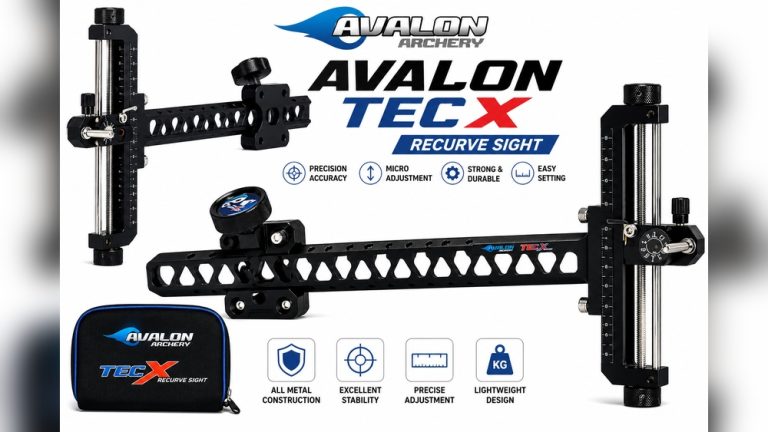
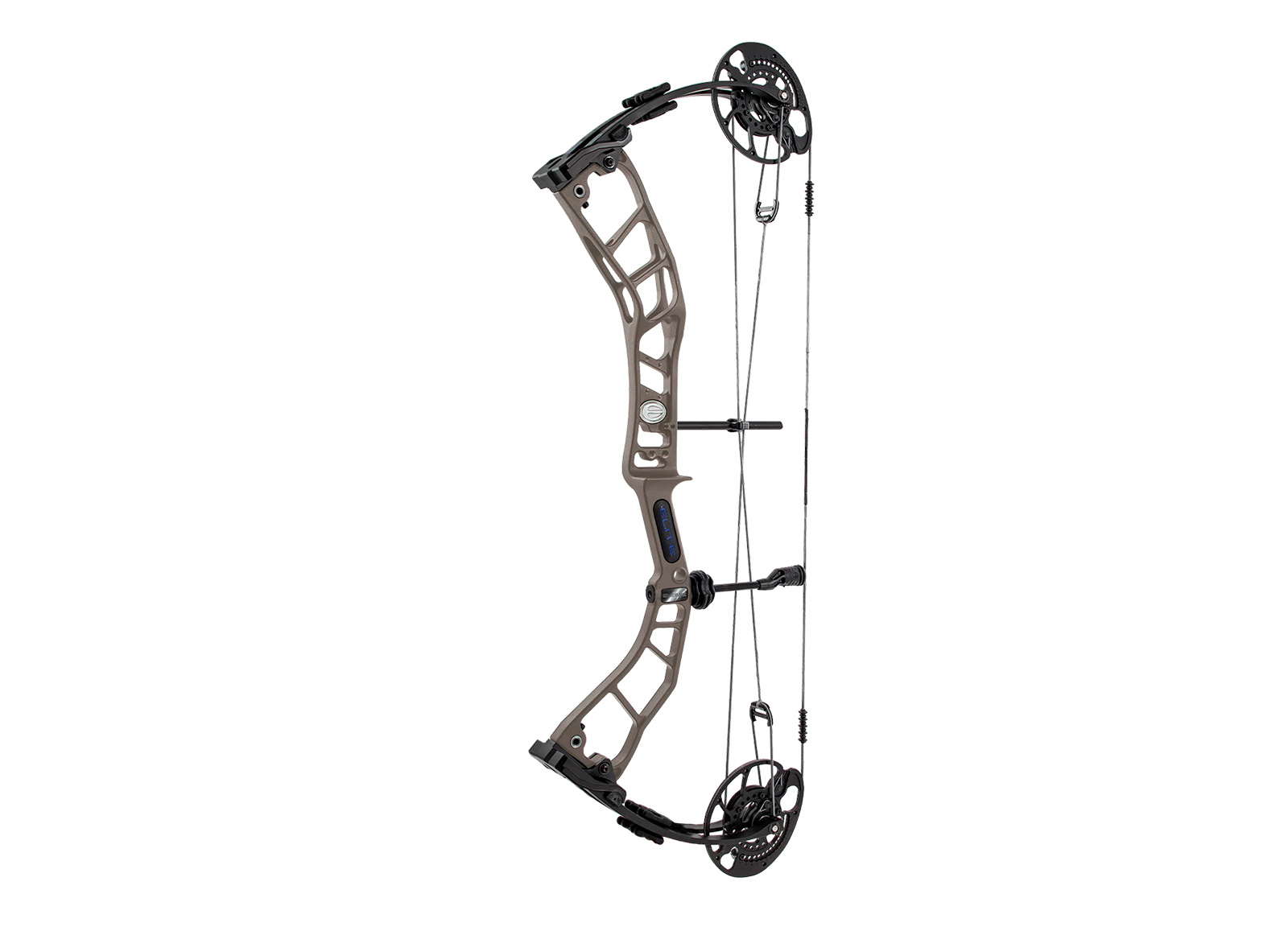
Compound bows are a modern invention, first appearing in the 1960s. Their most obvious feature is the use of pulleys (cams) and cables. These parts work together to make the bow easier to draw and hold at full draw.
The key advantage is let-off. This means when you pull the string, the cams reduce the weight you feel at full draw. For example, if you set a compound bow to 70 pounds, you might only hold 15, 20 pounds at full draw. This lets you aim more steadily and shoot with less fatigue.
Compound bows are also highly adjustable. You can change the draw weight and draw length to match your body and strength. This flexibility helps hunters of all sizes and abilities.
The Essence Of Traditional Bows
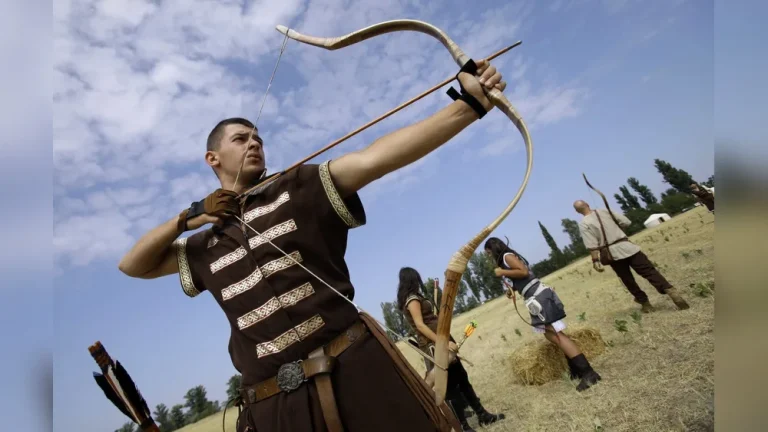
Traditional bows include recurves and longbows. These are the classic designs used for centuries. They have no pulleys, cables, or advanced sights, just a simple bow and string.
Traditional bows are loved for their simplicity and direct connection to archery’s roots. Shooting a traditional bow requires skill and practice, as there is no let-off and the archer holds the full draw weight. Many hunters appreciate the challenge and the quiet, smooth release.
The traditional bow’s lightweight build makes it easy to carry during long hunts, and its simple setup means fewer things can break or go wrong.

Credit: www.onxmaps.com
Key Differences At A Glance
To quickly compare the two, here’s a table showing their main differences:
| Feature | Compound Bow | Traditional Bow |
|---|---|---|
| Mechanics | Cams, cables, pulleys | Simple limbs & string |
| Let-off | Yes (up to 85%) | No |
| Accuracy | High, aided by sights | Depends on skill |
| Maintenance | Requires tools/knowledge | Minimal, simple fixes |
| Learning Curve | Shorter for beginners | Longer, more practice needed |
| Weight | Heavier (due to hardware) | Lighter |
Performance In The Field
Speed And Power
Compound bows are designed for speed and energy. Their cams store more energy and release it efficiently, sending arrows faster and flatter. This means they can shoot heavier arrows at higher speeds, increasing the chance for a quick, ethical kill.
Traditional bows, while capable, usually shoot slower. The arrow drops more over distance, which makes judging range more important. For close-range hunting, this isn’t a big issue, but at longer ranges, the compound bow clearly has an edge.
Accuracy And Range
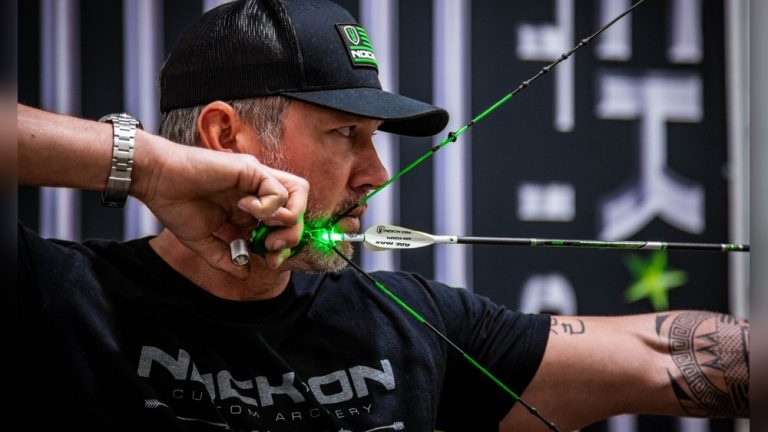
One of the main reasons hunters choose compound bows is their repeatable accuracy. Peep sights, pin sights, and release aids help you aim with precision. The let-off also lets you hold and aim longer, steadying your shot.
With a traditional bow, you must rely on instinctive shooting, learning to judge distance and aim without aids. This takes time and regular practice. When mastered, some hunters can shoot with amazing accuracy, but it’s a steeper path to get there.
Noise And Stealth
Traditional bows are often quieter. Their simple design produces less vibration and noise, which is important when stalking wary game. Compound bows can be quiet too, but their moving parts may need extra dampeners or regular maintenance to stay silent.
Pro Tip: Even the quietest bow can be loud if not tuned well. Wax your strings and check for loose parts before every hunt.
Maintenance And Durability
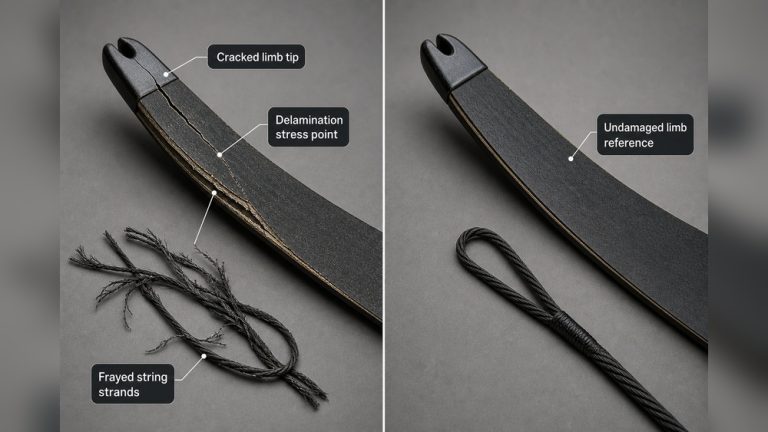
Compound bows require regular maintenance. The cams and cables need tuning, and strings must be replaced every few years. If something breaks in the field, repairs may need special tools, a challenge if you’re hunting far from home.
Traditional bows are much simpler. If the string breaks, you can often carry a spare and replace it by hand. There’s less that can go wrong, and you can fix most problems with basic knowledge.
In my experience, a traditional bow is more forgiving in harsh conditions like rain, snow, or extreme cold. Compounds can freeze up or get debris in their mechanisms, which might affect their performance.
Skill Development And Learning Curve
Compound bows are beginner-friendly. The let-off, sights, and mechanical release help new shooters achieve good accuracy quickly. This can boost confidence, especially for those just starting.
Traditional bows demand more practice. With no sights or mechanical help, you must learn to judge distance and develop muscle memory. While this can be challenging, many archers find it deeply rewarding. The process builds discipline and patience.
Credit: beardedbutchers.com
Hunting Applications
Game Size And Species
Compound bows are popular for hunting large game like deer, elk, and even bear, thanks to their power and accuracy at range. Their energy helps ensure quick, ethical kills.
Traditional bows are often used for smaller game or close-range hunting. Some skilled hunters do take large game with traditional bows, but it requires more careful shot placement and getting closer to the animal.
Terrain And Conditions
The weight and size of a compound bow can be a drawback in dense woods or when stalking quietly. Traditional bows, being lighter and simpler, are easier to maneuver in thick brush or on long treks.
However, for open country or stand hunting, the extra range and accuracy of a compound bow are clear advantages.
Cost And Value
Here is a side-by-side look at typical costs:
| Type | Initial Cost | Maintenance/Upkeep | Accessories Needed |
|---|---|---|---|
| Compound Bow | Higher ($400, $1,500+ for quality models) | Moderate, parts replacement | Sights, release, stabilizer, case |
| Traditional Bow | Lower ($150, $800 for quality models) | Minimal, string replacement | Quiver, finger tab/glove |
A compound bow costs more upfront and over time, as accessories and maintenance add up. Traditional bows offer a simpler, less expensive entry point and fewer things you must buy.
Common Mistakes When Choosing A Bow
- Ignoring Fit and Draw Length: Many new hunters pick a bow based on price or looks, not realizing that the wrong draw length or weight can make shooting uncomfortable and less accurate.
- Underestimating Maintenance: Compound bows need regular tuning. Beginners sometimes overlook this and run into problems during hunting season.
- Overestimating Power Needs: Some think more draw weight is always better. In reality, a draw weight you can handle smoothly is more important for accuracy and safety.
- Skipping Practice: Especially with traditional bows, some hunters don’t practice enough, expecting good results without building muscle memory.
Pro Tip: Visit an archery shop for a professional fitting. Test both bow types with different draw weights and accessories before buying.
Which Bow Is Right For You?
Compound Bow Suits You If:
- You want maximum accuracy and range.
- You prefer modern technology and adjustment options.
- You plan to hunt larger game or in open country.
- You want to shorten the learning curve.
Traditional Bow Fits If:
- You value simplicity and a deeper connection to the sport.
- You enjoy the challenge of mastering instinctive shooting.
- You hunt in thick woods or cover long distances on foot.
- You want a lower-cost, reliable setup.
Credit: www.disport.it
Real-life Example: Switching From Compound To Traditional
When I first started hunting, I used a compound bow. The let-off and sights helped me shoot accurately within a few months. But after years, I tried a traditional recurve bow. The first weeks were hard, my groups were wider, and I felt less confident.
But as I practiced, I found a new rhythm. Hunting with the recurve made me move closer to animals and focus more on my skills.
The biggest surprise? I enjoyed the process more, even though I missed more shots at first. Both bows have a place in the field, but the experience is truly different.
Compound Vs Traditional: Key Factors For Hunters
Here’s a final table summarizing the most important factors:
| Factor | Compound Bow | Traditional Bow |
|---|---|---|
| Setup Time | Longer (tuning, accessories) | Short (string and shoot) |
| Weather Resistance | Can be affected by cold/wet | Handles rough conditions well |
| Portability | Heavier, bulkier | Lighter, easy to carry |
| Learning Satisfaction | Quick results | Deep personal growth |
| Legal Considerations | Some states have restrictions | Few restrictions |
Non-obvious Insights Most Beginners Miss
- The let-off on a compound bow doesn’t only help with aiming, it also allows you to hold your draw longer while waiting for the perfect shot. This is vital when game animals hesitate or move slowly.
- Traditional bows often force you to get much closer to your target, which changes your entire hunting strategy. This teaches patience and better stalking skills, an advantage that carries over even if you switch back to a compound bow later.
- Compound bows can lose tune during travel or after many shots. Always check your settings before a hunt, even if you haven’t changed anything.
- Many traditional bows work with almost any arrow spine (flexibility), while compound bows are pickier, wrong arrows can damage the bow or hurt accuracy.
Environmental And Ethical Considerations
Both bow types can be used ethically, but the hunter’s skill is the deciding factor. Compound bows make it easier to achieve clean kills at longer ranges. Traditional bows, because of their lower power, require the hunter to be closer and more careful with shot placement.
Some hunters prefer traditional bows for the minimal impact, less gear, less noise, and a smaller environmental footprint. Compounds, with their mix of metals and plastics, are less “green,” but they also allow more people to hunt effectively, which can help with wildlife management.
Safety And Legal Points
Compound bows have a higher risk of injury if used incorrectly, especially if the archer tries to draw too much weight. Dry-firing (shooting without an arrow) can seriously damage a compound bow and hurt the shooter. Traditional bows are more forgiving but still require respect and caution.
Legal restrictions vary. Some states regulate minimum draw weights or have specific seasons for each bow type. Always check your local laws before hunting.
For more on bow hunting regulations, see the official resource from the National Park Service.
Frequently Asked Questions
What Is The Main Difference In Shooting Technique Between Compound And Traditional Bows?
Compound bows use mechanical aids like sights and release aids, making the shooting process more technical but easier for beginners. Traditional bows rely on instinctive shooting, using your eyes, muscle memory, and practice to aim without any sights. This means the archer must build a strong feel for distance and shot placement, which takes more time to develop.
Can You Hunt All Game Animals With Both Types Of Bows?
Yes, but there are practical limits. Compound bows are suitable for all North American game animals due to their power and range. Traditional bows can be used for any legal game, but larger animals require close shots and precise placement.
Some regions also have rules on which bows can be used for certain species, so check local laws.
How Do Weather Conditions Affect Compound And Traditional Bows?
Extreme cold or wet weather can affect compound bows more, as water or ice can impact cams and strings. Traditional bows, especially those made of modern materials, are less affected by weather changes. However, wooden traditional bows can warp if soaked or not cared for properly.
Is It Harder To Switch From Compound To Traditional Bow Or Vice Versa?
Most archers find it harder to switch from compound to traditional. The lack of let-off, sights, and mechanical release means you must learn new skills and build more strength. Going from traditional to compound is usually easier, since you gain mechanical advantages and aiming aids.
Are There Health Or Physical Benefits Unique To Traditional Bow Shooting?
Shooting a traditional bow builds upper body strength, balance, and coordination more than compound bows, since you hold the full draw weight and use instinctive aiming. This can provide a better workout and improve focus. Always start with a manageable draw weight to avoid injury.
Choosing between a compound and traditional bow is not just about technology, it’s about your hunting style, goals, and what you want from the experience. Both have unique strengths and challenges. Whether you’re drawn to the precision and power of a compound bow, or the simplicity and tradition of a classic bow, what matters most is practice, respect for the craft, and ethical hunting.
The right bow is the one that makes you a better, more thoughtful hunter.