Ancient Horn Bow Vs Compound Bow: Which Is Best for Archers?
The story of the bow is a journey through human creativity, survival, and mastery. Among the most famous bows are the ancient horn bow and the modern compound bow. These two designs are separated by thousands of years, but both changed the way people hunt and fight. While the ancient horn bow was a symbol of power for nomadic warriors, the compound bow is a favorite for modern archers and hunters. Understanding the differences between these two bows helps us see how technology and tradition shape archery today.


What Is An Ancient Horn Bow?
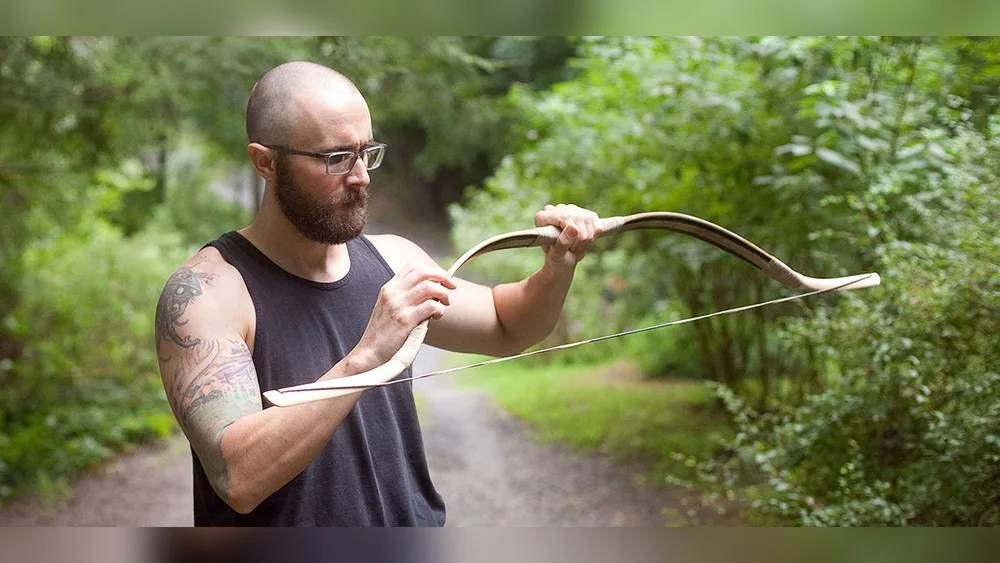
The ancient horn bow is a traditional weapon used by cultures like the Mongols, Turks, and Scythians. These bows are called “composite” because they use different materials, mainly wood, horn, and sinew, glued together for greater strength. The horn, usually from animals like water buffalo, is placed on the belly (the side facing the archer). Sinew, from animal tendons, goes on the back. The wooden core provides structure. This design allows the bow to store more energy than a simple wooden bow.
Horn bows are famous for their short, recurved shape. This curve helps shoot arrows with great speed and power, even though the bow itself is short. That made them perfect for horseback archers who needed to shoot quickly while riding.
Key facts about ancient horn bows:
- Used by steppe warriors for over 2,000 years
- Typical draw weights: 70, 160 pounds (varied by culture and use)
- Effective range: Up to 350 meters (for skilled archers)
- Short length: Usually 110, 130 cm (43, 51 inches)
What Is A Compound Bow?
The compound bow is a modern invention, first introduced in the 1960s by Holless Wilbur Allen. It uses a system of pulleys (cams) and cables to make drawing the string easier as you pull it back. This “let-off” allows the archer to hold the string with less effort, making it easier to aim.
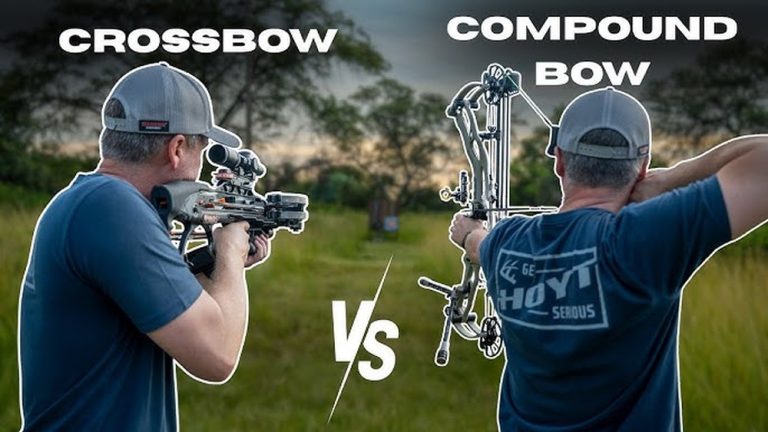
Compound bows are made from modern materials like aluminum, carbon fiber, and fiberglass. They are designed for accuracy, speed, and ease of use. Many include sights, stabilizers, and release aids for better performance.
Key facts about compound bows:
- Modern design, popular since the late 20th century
- Typical draw weights: 40, 80 pounds (adjustable)
- Let-off: Up to 80% (means holding only 20% of peak weight at full draw)
- Effective range: About 90 meters for hunting, longer for target shooting
- Usually 85, 110 cm (33, 43 inches) axle-to-axle
Materials And Craftsmanship
Ancient Horn Bow Construction
Making a horn bow is complex. Craftsmen layer horn, wood, and sinew using animal glue. The process can take months or even years due to slow drying times and careful shaping. Each material has its role:
- Horn: Stores energy and resists compression
- Wood: Gives flexibility and shape
- Sinew: Adds strength and resists stretching
The bow must be protected from moisture, as animal glue and natural materials can be damaged by water. Horn bows are often decorated with painted designs or covered in leather.
Compound Bow Manufacturing
Compound bows are built with modern technology. Most parts are machine-cut for precision. Key materials include:
- Aluminum or carbon fiber riser (the handle)
- Fiberglass or carbon limbs
- Steel or synthetic cables and cams
The use of synthetic materials means compound bows are more resistant to weather. They require less maintenance and are more consistent from one bow to another.
Example: When I visited an archery factory, I saw how each compound bow was checked by computer-controlled machines to ensure quality. In contrast, traditional horn bows are measured and shaped by hand, with each one slightly unique.
Performance And Shooting Experience
Draw Weight And Let-off
Draw weight is how much force you need to pull back the string. Horn bows can be very strong, sometimes over 100 pounds, but the archer must hold this weight the whole time while aiming. Compound bows start heavy, but thanks to the let-off from the cams, the holding weight at full draw can be just a fraction of the peak.
| Feature | Horn Bow | Compound Bow |
|---|---|---|
| Draw Weight | 70, 160 lbs | 40, 80 lbs (adjustable) |
| Let-Off | 0% | Up to 80% |
| Effort at Full Draw | Full weight | Only 20% of max |
Speed And Power
Horn bows are fast, especially for their size. They can shoot arrows at high speeds, sometimes estimated at 160, 200 feet per second (fps). However, modern compound bows often reach 300+ fps because of improved materials and design.
Pro Tip: Speed is not everything. The right arrow weight and point selection matter as much as bow speed for hunting or target shooting.
Accuracy And Ease Of Use
Horn bows require great skill. The archer must master instinctive aiming, control the heavy draw weight, and handle the bow’s short length. This makes them challenging for beginners. Compound bows, with their sights and let-off, are easier for most people to shoot accurately, even with less practice.

Credit: warfarehistorynetwork.com
Range And Effective Use
Maximum Range
Horn bows can shoot arrows long distances. Skilled Mongol archers in history could hit targets at 300 meters, though effective hunting range was much shorter, usually under 60 meters.
Compound bows have a shorter maximum range due to heavier arrows and lower trajectory, but their effective range for hunting is often 40, 90 meters. For target archery, some compound bows can shoot with accuracy at 100 meters or more.
Use In Hunting And Warfare
Horn bows allowed ancient warriors to shoot from horseback, giving them a huge advantage in battles on the open steppe. They could fire quickly and move fast. Hunters used horn bows for deer, boar, and even large animals like buffalo.
Compound bows are used mainly for hunting and sport. Hunters like their accuracy, power, and ease of use. Modern compound bows are legal for hunting in most US states, with regulations on draw weight and arrow type.
Durability And Maintenance
Ancient Horn Bow Care
Horn bows are sensitive to humidity and temperature. Too much moisture can weaken the glue, and extreme dryness can crack the horn or sinew. Owners must store them in controlled conditions and sometimes oil the bow to keep it healthy.
Compound Bow Upkeep
Compound bows are much easier to maintain. They resist weather, need only simple cleaning, and occasional checks on strings or cables. If a part breaks, it can be replaced. Compound bows can last for decades with regular care.
Warning: Never dry-fire (shoot without an arrow) either type of bow. This can damage the limbs or break the bow.

Credit: www.youtube.com
Shooting Techniques And Learning Curve
Horn Bow Skills
Shooting a horn bow uses thumb draw, gripping the string with the thumb and sometimes using a special ring. This style is different from the three-finger draw used in Western archery. It takes time to learn proper form, instinctive aiming, and fast reloading from horseback.
Compound Bow Techniques
Compound bows use the three-finger draw or a mechanical release aid. Most archers use a peep sight and front sight for aiming. The let-off lets archers spend more time aiming, so accuracy comes faster with practice. Many beginners shoot well within weeks.
Example: I once taught a friend to shoot both types. With the compound bow, he was hitting a target at 20 yards after just a few tries. With the horn bow, it took much longer to control the shot and hit the same target.
Cost And Accessibility
Horn Bow Price And Availability
Authentic horn bows are expensive. Handmade bows can cost $800, $2,500 or more, depending on craftsmanship and decoration. They are often custom-made and hard to find outside specialty shops or historical reenactment groups.
Compound Bow Costs
Compound bows are widely available. Entry-level models can start around $300, with high-end bows reaching $1,500 or more. Many shops offer packages with everything needed to start. Used bows are also common, making it easier for beginners to enter the sport.
Cultural And Historical Impact
Horn Bows In History
Horn bows are famous for their role in the rise of Mongol Empire, Ottoman Turks, and other nomadic cultures. They were seen as symbols of status and skill. Historical texts describe amazing feats, like hitting targets at 300 meters or shooting multiple arrows in seconds.
Compound Bow’s Modern Influence
The compound bow has changed modern archery. It made the sport more accessible and helped more people try hunting and target shooting. The design led to new competitions and records in both speed and accuracy.
| Aspect | Ancient Horn Bow | Compound Bow |
|---|---|---|
| Era | Antiquity, 1800s | 1960s, Present |
| Primary Users | Nomads, cavalry, hunters | Hunters, sport archers |
| Symbolism | Power, tradition | Innovation, precision |
| Legal Use | Reenactment, tradition | Widely legal for hunting |
Pros And Cons Of Each Bow
Ancient Horn Bow
Pros:
- Powerful for size
- Great for horseback use
- Deep historical and cultural meaning
- Impressive craftsmanship
Cons:
- Hard to master
- Sensitive to weather
- Expensive and rare
- Heavy draw weight
Compound Bow
Pros:
- Easier to use and aim
- Lighter holding weight at full draw
- Weather-resistant and durable
- Widely available and affordable models
Cons:
- More parts to maintain
- Heavier (with accessories)
- Requires tools for tuning
- Lacks traditional look and feel

Credit: classic-bow.com
When To Choose Each Bow
If you want a traditional experience or enjoy the beauty of hand-made tools, the horn bow is unmatched. It connects you to ancient history and the skill of old-world archers. But be ready for a steep learning curve and higher care needs.
If your goal is performance, ease, and accuracy, the compound bow is the smart choice. It fits beginners and experienced archers who want the best technology. For hunting or competitive archery, compound bows are often required due to their consistency and safety features.
Pro Tip: Try both types if possible. Some archery ranges offer traditional days, letting you feel the difference before you invest in your own equipment.
Real-world Use Cases
Horn Bow Enthusiasts
Today, horn bows are used by:
- Historical reenactors and martial artists
- Traditional archers who want to master ancient techniques
- Collectors who appreciate unique craftsmanship
Compound Bow Users
Compound bows are common among:
- Hunters needing accuracy and power
- Sport archers in target or 3D competitions
- Beginners learning archery quickly
Myth-busting: Common Misconceptions
- Horn bows are weak because they are short.
- False. Their design stores huge energy for their size.
- Compound bows are only for experts.
- Not true. Many beginners learn faster with compounds because of sights and let-off.
- Modern bows always outperform old designs.
- In some situations, like horseback shooting, horn bows are still unmatched.
Environmental And Ethical Considerations
Horn bows use animal products, horn, sinew, glue, which raises ethical questions for some people. Sourcing these materials today is regulated in many countries. Compound bows use synthetic materials, which can be recycled, but manufacturing does have a carbon footprint.
If you care about sustainability, look for bows made with ethical sourcing or recycled materials. Some companies are now making eco-friendly accessories for compound bows.
Comparing Key Features Side By Side
Here’s a quick visual comparison of the most important features:
| Feature | Ancient Horn Bow | Compound Bow |
|---|---|---|
| Learning Curve | Steep, requires practice | Gentle, easier for beginners |
| Maintenance | High, sensitive to weather | Low, weather-resistant |
| Customization | Limited | High (sights, stabilizers, rests) |
| Historical Value | High | Low |
| Performance Consistency | Varies by bow | Very consistent |
| Price Range | $800, $2,500+ | $300, $1,500+ |
Frequently Asked Questions
What Is The Main Advantage Of A Horn Bow Over A Compound Bow?
The horn bow is lighter and more compact, making it ideal for shooting on horseback and rapid firing. Its historical value and hand-made artistry also appeal to collectors and traditional archers.
Are Horn Bows Still Used In Modern Competitions?
Horn bows are used in traditional archery events and historical reenactments. Some countries, like Korea, hold special tournaments for traditional bows. However, they are not common in Olympic or mainstream target archery competitions.
Can I Use A Compound Bow In Any Weather?
Yes, compound bows are built with weather-resistant materials, so rain and humidity usually do not affect them. However, extreme temperatures can affect string tension, so regular checks are still important.
Which Bow Is Better For Hunting Large Game?
The compound bow is usually preferred for hunting large game in modern times. It offers greater accuracy, power, and the ability to use heavier arrows with