Ark Bow Vs Compound Bow: Which Is Best for Your Next Hunt?
Choosing the right bow can shape your entire archery experience. For beginners, the choice often comes down to two main types: the Ark bow and the compound bow. Both have strengths, weaknesses, and unique features. Whether you’re interested in target shooting, bowhunting, or just learning a new skill, understanding the differences between these bows is crucial. This guide compares the Ark bow and compound bow across all the key factors: design, use, accuracy, maintenance, cost, and more. By the end, you’ll know which bow fits your needs and skill level best.


What Is An Ark Bow?
The term Ark bow is not as widely known as “recurve” or “longbow,” but in many regions and games (like ARK: Survival Evolved), people use “Ark bow” to refer to a traditional bow style. In real-world archery, the closest match is the recurve bow or sometimes a simple longbow.
An Ark bow is typically a straightforward piece of curved wood or composite material, strung with a single string. It relies on the archer’s strength for both drawing and holding the bowstring. There are no mechanical parts, cams, or pulleys.
Key Features Of Ark Bows
- Simple design: One piece or a few pieces, no complex mechanisms.
- Manual draw: The full weight of the bow is held by the archer while aiming.
- Smooth draw cycle: The resistance increases steadily as you pull back.
- Lightweight: Usually easier to carry.
- Quiet shot: Less vibration and sound than bows with moving parts.
Ark bows are popular for traditional archery and are often used in Olympic competitions (as recurve bows). They’re also common in archery clubs and beginner classes.
What Is A Compound Bow?
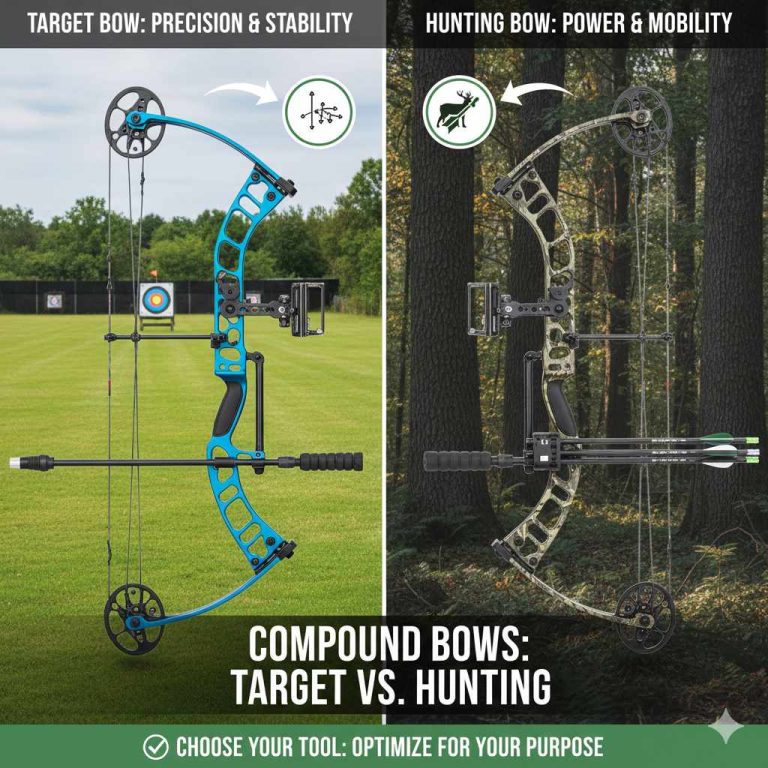
A compound bow is a modern innovation. It uses a system of pulleys (called cams) and cables to create a “let-off,” which means the bow holds part of the draw weight for you. This mechanical advantage makes it easier to aim and hold the string at full draw.
Key Features Of Compound Bows
- Cams and pulleys: Reduce the holding weight at full draw.
- Rigid riser and limbs: Often made from aluminum or carbon fiber.
- Precision sights: Many compound bows have advanced sighting systems.
- Arrow rest and stabilizers: Extra components for accuracy.
- Adjustable draw weight: Can be tuned for different users.
Compound bows are common in hunting, target archery, and competitive shooting.
Design Differences
Understanding how each bow is built helps you see why they feel so different.
| Feature | Ark Bow | Compound Bow |
|---|---|---|
| Main Material | Wood, composite, or fiberglass | Aluminum, carbon fiber, composite |
| Number of Parts | 1, 3 (one-piece or takedown) | Many (riser, limbs, cams, cables, etc.) |
| String Type | Single string | String with cables |
| Weight | Light (1, 3 lbs) | Medium to heavy (3, 6 lbs) |
| Accessories | Minimal (rest, basic sight) | Many (advanced sights, stabilizers, releases) |
Ark bows have a classic shape and are easy to understand visually. Compound bows look more technical and can seem intimidating at first, with all their moving parts.
Draw And Shooting Experience
The feel of each bow during use is quite different. This affects comfort, aiming, and fatigue.
Drawing The Bow
With an Ark bow, you pull and hold the full draw weight. If the bow is rated at 40 pounds, you hold all 40 pounds while aiming. The tension increases smoothly as you draw back.
For compound bows, the draw starts heavy but becomes lighter as the cams rotate. A 60-pound compound bow with 70% let-off means you only hold 18 pounds at full draw. This makes it easier to aim and stay steady.
Shooting And Release
Ark bows offer a fast, direct shot with minimal vibration. The archer’s release technique is important, a poor release can affect accuracy, since there’s no mechanical aid.
Compound bows allow you to use a mechanical release aid, which helps with consistency. The arrow leaves the bow with high speed and less human error.
Pro Tip: If you have shoulder or arm fatigue, a compound bow’s let-off can help you shoot longer without getting tired.
Accuracy And Performance
Both bows can be accurate, but how you achieve accuracy is different.
Ark Bow Accuracy
- Depends on skill: The archer’s form, release, and aim are critical.
- Limited by sights: Basic or no sighting systems.
- Shorter effective range: Most comfortable and accurate up to 40, 50 yards for beginners.
- Wind and weather: Lighter arrows are more affected by conditions.
Compound Bow Accuracy
- Mechanically assisted: Let-off and release aids boost consistency.
- Advanced sights: Multiple pins or even digital systems for precise aiming.
- Longer effective range: Many shooters can accurately hit targets at 60, 100 yards.
- Heavier arrows: Less affected by wind, more stable in flight.
In my experience, beginners find it easier to hit targets with a compound bow at longer ranges. However, mastering an Ark bow builds strong fundamental skills.
Maintenance And Durability
Taking care of your bow keeps it safe and working well. The two types need different levels of attention.
Ark Bow Maintenance
- Simple care: Wipe down after use, keep dry, check the string for wear.
- String replacement: Easy to do yourself.
- Few moving parts: Less can go wrong.
Compound Bow Maintenance
- More complex: Check cams, cables, screws, and limbs regularly.
- String and cable replacement: May need a bow press or professional help.
- Tuning required: Sights, rests, and timing need to be checked.
Compound bows are more durable in some ways, but if a cable or cam fails, you may need specialized repair.
Example: If you drop an Ark bow in mud, cleaning it is simple. For a compound bow, mud in the cams or cables can cause bigger issues.
Cost Comparison
Budget is a major factor for many archers. The price ranges can be quite different.
| Bow Type | Entry-Level Price | Mid-Range Price | High-End Price |
|---|---|---|---|
| Ark Bow (Recurve) | $100, $200 | $250, $600 | $800, $1,500+ |
| Compound Bow | $300, $500 | $600, $1,200 | $1,500, $2,500+ |
Ark bows are often cheaper, especially for beginners. Compound bows cost more due to their engineering and extra accessories.
Warning: Don’t buy a compound bow that is too advanced for your level. High-tech models can be harder to maintain and adjust.
Suitability For Different Users
Who should choose which bow? It depends on your goals, body strength, and preferences.
Beginners
If you’re just starting out, the Ark bow is straightforward and forces you to learn proper technique. It’s less expensive and forgiving if you make mistakes. Many youth archery programs use this type.
Hunters
Hunters often prefer compound bows because of their power, accuracy, and easier aiming. The let-off lets you stay at full draw longer, which is helpful when waiting for game.
Sport And Competition
Both bows are used in competitions, but at high levels, Olympic archery uses recurves (Ark bows), while many field and 3D shoots favor compounds.
Physical Strength
If you have injuries or less upper body strength, the let-off of a compound bow is a major advantage.
Customization And Accessories
Modern archers often add gear to their bows. The two types offer very different experiences.
Ark Bow Add-ons
- Arrow rest: Simple, often just a shelf or stick-on.
- Sight: Basic pin or notch, or none at all.
- Stabilizer: Optional, usually short.
- String silencer: Reduces noise.
Compound Bow Add-ons
- Multi-pin sights: For different distances.
- Release aid: Mechanical trigger for consistent shots.
- Stabilizer system: Can be long and adjustable.
- Peep sight: Small ring in the string for precise aiming.
- Drop-away rest: Moves away as you shoot.
Compound bows are built for customization, while Ark bows keep things simple.
Learning Curve And Skill Building
How hard is it to master each bow? The answer depends on what you want to achieve.
Learning The Ark Bow
- Steep initial learning: You must develop strength and form.
- Focus on fundamentals: Teaches you how to shoot well without aids.
- Progress is rewarding: Each improvement feels earned.
Learning The Compound Bow
- Easier to shoot well early: Let-off, sights, and release aid boost early accuracy.
- More to learn later: Tuning, maintenance, and accessory use are complex.
- Less physical stress: Lower holding weight at full draw.
Many experienced archers recommend starting with an Ark bow to build a strong foundation, then moving to a compound if you want more features.

Credit: www.youtube.com
Real-world Examples
Let’s look at typical scenarios where each bow shines.
Scenario 1: Backyard Target Practice
An Ark bow is perfect. It’s quiet, simple, and fun for casual shooting. You only need a target and a safe space.
Scenario 2: Hunting Deer
A compound bow gives you extra power, accuracy, and the ability to hold at full draw while waiting for the right moment. Many states in the US require a minimum draw weight for hunting, which compounds easily meet.
Scenario 3: Olympic-level Competition
Only recurve bows (Ark bows) are allowed in the Olympics. They require top-level skill and precision.
Scenario 4: Youth Archery Program
Most programs start kids on Ark bows. The simple mechanics help them focus on form and safety.
Common Mistakes To Avoid
- Over-bowing: Choosing a bow with too high a draw weight. Start light and work up as you build strength.
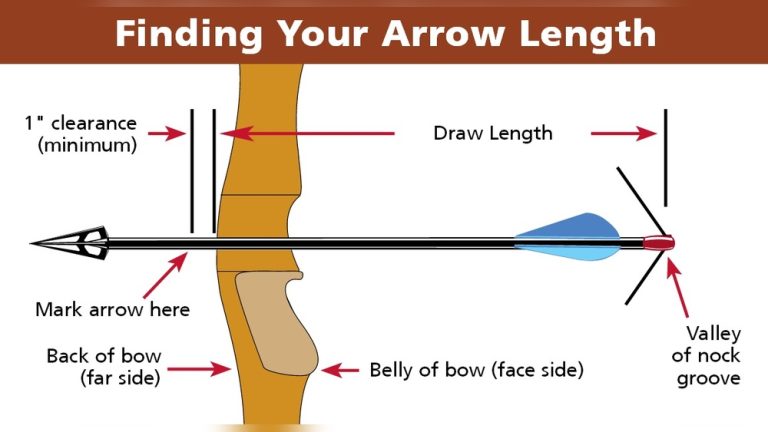
- Ignoring fit: Every bow needs to fit your draw length and strength. Get measured at a pro shop if possible.
- Skipping maintenance: Even simple bows need care. Always check your string and limbs for damage.
- Not practicing form: Especially with a compound bow, it’s easy to rely on technology. Still, good form is essential for safe, accurate shooting.
Pro Tip: Always use arrows that match your bow’s draw weight and length. Using the wrong arrows can cause poor performance or damage.
Environmental Impact And Sustainability
Most Ark bows are made from wood and natural materials, making them more eco-friendly. Compound bows use metals and synthetics, which have a larger manufacturing footprint. However, both types can last for years with good care.
Safety Tips
No matter which bow you choose, safety is critical.
- Inspect your equipment before each use.
- Never dry fire (shoot without an arrow), this can break any bow.
- Use a proper backstop for your targets.
- Always point the bow in a safe direction.
- Wear arm guards to prevent string slap.

Credit: www.youtube.com
Choosing The Right Bow For You
To make the best choice, ask yourself:
- What is my main goal (hunting, sport, recreation)?
- Do I prefer tradition or technology?
- How much am I willing to spend?
- Am I ready to maintain a more complex bow?
- Do I want to focus on building skill, or do I want more help from my equipment?
If possible, visit a local archery shop and try both types. Feel the draw, test your aim, and ask for advice. Many shops offer rentals or beginner classes.
Quick Reference: Ark Bow Vs Compound Bow
This summary table highlights the most important differences.
| Aspect | Ark Bow | Compound Bow |
|---|---|---|
| Ease of Use | Harder for beginners | Easier for beginners |
| Maintenance | Low | High |
| Accuracy | Depends on skill | More consistent |
| Customization | Minimal | Extensive |
| Cost | Lower | Higher |
| Hunting | Possible, but less common | Preferred choice |
| Competition | Olympics, target | Field, 3D |
| Learning Curve | Steep at first | Easier start, more complex later |

Credit: www.youtube.com
Frequently Asked Questions
What Is The Main Advantage Of A Compound Bow Over An Ark Bow?
The biggest advantage is the let-off created by the cams and pulleys. This lets you hold less weight at full draw, making it easier to aim and shoot accurately, especially over long periods or at greater distances.
Can You Use The Same Arrows For Both Ark Bows And Compound Bows?
Not always. Compound bows shoot arrows at higher speeds,