Accuracy Distance of Recurve Bow Vs Compound Bow: Ultimate Guide
Choosing the right bow can shape your entire archery experience. If you’re looking for the most accurate bow for long distances, you’ll likely compare the recurve bow and the compound bow. These two types are the most popular in target archery, hunting, and even the Olympics. But how do they really perform when accuracy and distance matter most?
This article will give you a clear, practical comparison of recurve and compound bows. You’ll learn how each one works, what affects their accuracy, real-world maximum distances, and which type might be better for your goals. Along the way, I’ll share insights most beginners miss, and back up facts with real-world data and examples.
Whether you’re starting archery or aiming to upgrade your gear, you’ll find answers here.


Understanding Recurve And Compound Bows
Before comparing accuracy and distance, it’s essential to know how these bows are built and how they work.
What Is A Recurve Bow?
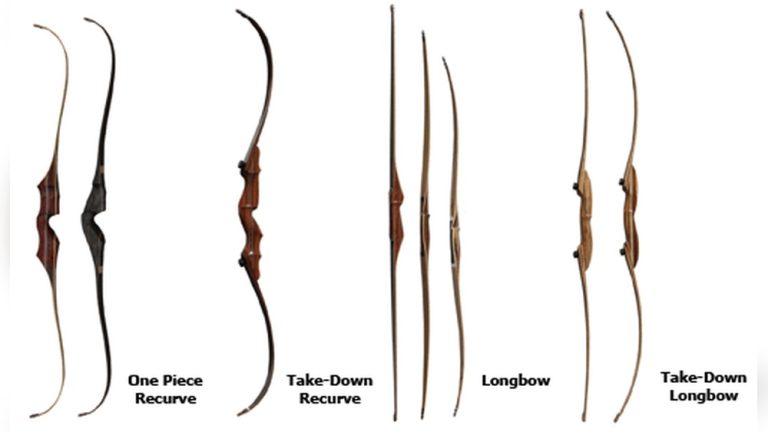
A recurve bow has curved tips at both ends that bend away from the archer. This design stores more energy and delivers it more efficiently to the arrow. Most recurve bows are simple, with a riser (the handle), limbs, a string, and sometimes an arrow rest or sight.
Recurve bows are traditional. They’re used in the Olympics and many archery clubs worldwide. Their simplicity appeals to those who love skill-based shooting.
What Is A Compound Bow?
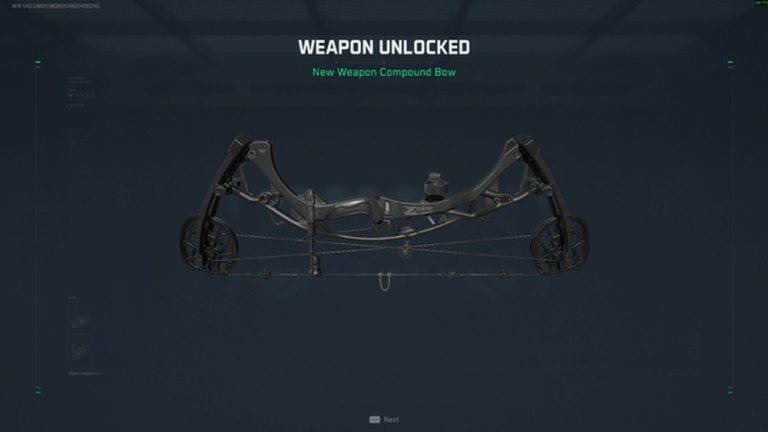
A compound bow uses cables and pulleys (called cams) to bend the limbs. This system makes the bow easier to hold at full draw and increases arrow speed. Compound bows often have advanced sights, stabilizers, and release aids for better accuracy.
Compound bows are popular in hunting and target shooting because they’re powerful and highly adjustable.
How Mechanics Affect Accuracy
The main structural difference is the let-off feature on compound bows. At full draw, the cams reduce the holding weight by 65, 85%. This means you can aim longer with less muscle fatigue. Recurve bows don’t have let-off, so you must hold the full draw weight.
Compound bows also have mechanical release aids, which reduce inconsistencies from finger release. Recurves rely on finger release, which can introduce small errors.
Factors That Impact Accuracy And Distance
Accuracy and distance depend on more than just the bow type. Let’s break down what matters most.
Arrow Speed
Arrow speed is usually measured in feet per second (fps). Compound bows often shoot arrows 20, 50 fps faster than recurve bows of similar draw weight. More speed means a flatter trajectory and less time for wind or gravity to change the arrow’s path.
Draw Weight And Length
- Draw weight: Higher draw weight means more energy, but can be harder to control. Compound bows allow higher weights with less effort at full draw.
- Draw length: Longer draw length means more power, but must fit the archer’s body.
Archer Skill
No matter the bow, archer skill is the largest factor. Good form, consistent anchor points, and proper release make a huge difference. Compound bows are more forgiving for beginners, thanks to their technology.
Environmental Conditions
Wind, humidity, and temperature affect both bows. However, faster arrows (from compounds) are less affected by wind drift.
Accessories
- Sights: Compound sights are often more advanced, with magnification and micro-adjustments.
- Stabilizers: Both types can use stabilizers, but compounds benefit more due to their heavier setups.
- Release aids: Used mainly with compounds, they reduce human error.

Credit: www.outdoorlife.com
Maximum Effective Distance: Recurve Vs. Compound
Now, let’s look at real-world numbers. How far can each bow shoot accurately, and what’s the maximum range?
Maximum Range
Both bows can shoot arrows hundreds of yards, but maximum range is not the same as effective, accurate range.
| Bow Type | Maximum Shooting Distance (approx.) | Maximum Effective Accuracy Distance |
|---|---|---|
| Recurve | Up to 300, 350 yards (274, 320 meters) | 70 meters (Olympic standard) |
| Compound | Up to 400, 500 yards (366, 457 meters) | Up to 90 meters (WA standard) |
Pro Tip: Maximum range means the farthest an arrow can physically fly. *Effective range* is the farthest you can expect consistent accuracy.
Olympic And Competition Standards
- Recurve: In the Olympics, competitors shoot at 70 meters (about 77 yards).
- Compound: In World Archery competitions, compound shooters compete at 50 or 90 meters (55 or 98 yards).
Real-world Accuracy
Most average archers can shoot accurate groups with a recurve at 30 and 50 meters. Skilled compound shooters can hold tight groups at 60, 90 meters.
Example: At 70 meters, Olympic recurve archers can hit a target the size of a DVD consistently. Compound archers, with their mechanical aids, can hit even smaller targets at similar or longer distances.
Comparing Accuracy: Recurve Bow Vs Compound Bow
Let’s compare accuracy in practical situations: target archery, field archery, and hunting.
Target Archery
Compound bows dominate accuracy at long distances. The release aid, let-off, and advanced sights mean less human error. World records in target archery are often set with compounds.
Recurve bows require more skill and physical strength. Small mistakes in form or release can send arrows off target.
Field Archery
In field archery, archers shoot at different distances and angles. Compound bows give a clear advantage at longer ranges due to their flatter arrow trajectory and advanced aiming systems. However, recurve bows can be lighter and easier to carry through rough terrain.
Hunting
Most hunters prefer compound bows for distance shots. Their power and accuracy at 40, 60 yards make them the standard for ethical hunting. Recurve bows are used for close-range hunting, usually under 30 yards, where skill and stealth matter more.
Group Size Comparison
Group size measures how close your arrows land to each other. Smaller groups mean higher accuracy.
| Bow Type | Typical Group Size at 50m (experienced archer) |
|---|---|
| Recurve | 4, 8 inches (10, 20 cm) |
| Compound | 2, 4 inches (5, 10 cm) |
What Makes Compound Bows More Accurate At Distance?
Several features explain why compounds outperform recurves for distance shooting.
Let-off And Holding Stability
With up to 85% let-off, compound archers can aim longer without fatigue. This leads to steadier holds and more time for precise aiming.
Release Aids
Mechanical release aids greatly reduce the chance of “plucking” the string or inconsistent finger release. This means arrows fly straighter and more consistently.
High Arrow Speed
Compound bows shoot arrows faster (often over 300 fps) than recurve bows (usually 170, 220 fps). Faster arrows mean less drop and less wind drift at long range.
Advanced Sights
Compound sights can include magnification, adjustable pins, and even bubble levels. This helps archers fine-tune their aim for distance shots.
Bow Tuning
Compounds have more adjustment options. You can tune the cams, draw length, and peep sight position to fit your exact shooting style.
Where Recurve Bows Excel
Despite the advantages of compounds, recurves have their strengths, especially at shorter distances and in certain situations.
Simplicity And Reliability
Recurve bows have fewer moving parts. There’s less that can break or go out of tune, making them reliable in the field and easy to maintain.
Skill Development
Shooting a recurve bow sharpens your technique. You learn proper form, anchor points, and release. Many coaches recommend starting with a recurve to build a strong foundation.
Weight And Portability
Recurves are often lighter, making them easier to carry for long distances or during long competitions.
Traditional And Olympic Archery
If you want to compete in the Olympics, you’ll need to master the recurve. Its challenge is part of its appeal.

Credit: adventuresarchery.com
Common Beginner Mistakes When Comparing Bows
Beginners often make wrong assumptions about what affects accuracy and distance. Here are common beginner mistakes:
- Choosing based on maximum range, not effective accuracy: Many think the bow that shoots farther is always better. But most archers never shoot at maximum range. Consistent accuracy at your target distance is more important.
- Ignoring fit and draw length: A bow that’s too big or too small for you will always be inaccurate. Get measured for proper draw length.
- Using incorrect arrows: Arrow spine and weight must match your bow’s power. Using the wrong arrows ruins accuracy.
- Neglecting tuning: Both bow types need to be tuned. Even small adjustments can change group size.
- Underestimating practice: No bow can overcome lack of practice. Compounds are more forgiving, but skill still matters most.
How To Choose: Recurve Or Compound For Distance Accuracy
Your choice should fit your goals, body type, and interests.
When To Pick A Recurve Bow
- You want to learn pure archery skills
- You plan to shoot Olympic-style target archery
- You prefer traditional shooting and simpler gear
- You’ll be shooting mostly under 50 meters
When To Pick A Compound Bow
- You want maximum accuracy at longer distances (50 meters and beyond)
- You plan to hunt at varying ranges
- You prefer modern technology and customization
- You have trouble holding heavy draw weights
Trying Both
Whenever possible, try both types before buying. Most archery shops or clubs will let you rent or borrow bows. Focus on how each feels at full draw and how steady you can aim.

Credit: adventuresarchery.com
Side-by-side Comparison: Recurve Vs Compound For Accuracy Distance
Here’s a quick summary to help you compare.
| Feature | Recurve Bow | Compound Bow |
|---|---|---|
| Max Effective Accuracy Distance | 70 meters (Olympic) | Up to 90 meters (WA standard) |
| Typical Arrow Speed | 170, 220 fps | 250, 340 fps |
| Let-Off | None | 65, 85% |
| Release Aid | Finger release | Mechanical release |
| Ease of Tuning | Basic adjustments | Highly tunable |
| Weight | Lighter | Heavier |
| Maintenance | Simple | Complex |
| Best For | Skill development, traditional archery | Accuracy at distance, hunting |
Non-obvious Insights About Accuracy And Distance
Many archers miss these details when comparing bows:
- Arrow weight matters more than you think: Lighter arrows fly faster but lose energy quickly and can be blown off course by wind. Heavier arrows keep momentum and are less affected by wind, especially at long distances.
- Consistency beats raw power: A recurve bow in skilled hands can outperform a poorly tuned compound at moderate distances. Consistent form, anchor point, and follow-through matter more than peak arrow speed.
- Sight picture is different: Compound sights often have magnification, which can show you small aiming errors you’d never notice with a recurve.
- Mental fatigue plays a role: Holding a heavy draw on a recurve for long sessions can lead to mental errors, especially in competition. Let-off on compounds reduces this risk.
Latest Trends And Technology In Bow Accuracy
Archery has seen new materials and technology that improve accuracy and distance for both bow types.
Recurve Bows
- Carbon fiber limbs: Lighter and more stable, reducing vibration.
- Micro-adjustable risers: Let you fine-tune balance and alignment.
Compound Bows
- Binary cam systems: Offer smoother draws and better synchronization.
- Laser range-finding sights: Some advanced sights can measure distance and adjust aim automatically (where legal).
*Example:* Testing a modern compound with a laser sight tightens groups at 60 meters noticeably, even with only a few practice shots.
For the latest in bow technology, you can check updates from organizations like World Archery.
Frequently Asked Questions
How Much Does Wind Affect Recurve And Compound Bows At Long Distances?
Wind affects both, but recurve arrows (slower, often lighter) drift more than compound arrows. Compound arrows’ higher speed helps them cut through mild winds, but strong gusts can still move any arrow off target. Practice in wind and use heavier arrows for long-range accuracy.
Can A Beginner Shoot Accurately At 70 Meters With A Recurve Bow?
A beginner will find it very difficult. Most new archers start at 10, 20 meters and work up. Olympic-level accuracy at 70 meters takes years of practice and coaching. Start close, build good form, and increase distance over time.
Are Compound Bows Allowed In The Olympics?
No, only recurve bows are permitted in Olympic archery. Compound bows are used in other world competitions like World Archery events, but not the Olympics.
What Is The Best Arrow For Long-distance Accuracy?
Choose arrows with a spine (stiffness) matched to your bow’s draw weight and length. For distance, slightly heavier arrows are more stable and lose less energy in flight. Use quality carbon or aluminum-carbon arrows for consistent results.
How Often Should I Tune My Bow For Best Accuracy?
Check your bow’s tuning at least every few months, or before