Cabke vs Bow String on Compound Bow: Key Differences Explained
Modern archery is a blend of tradition, technology, and precision. If you shoot a compound bow, you know the importance of every part working together. But not every archer realizes just how different the cable and bowstring are, or how much these differences affect your shooting experience. Whether you’re a beginner or have been shooting for years, understanding the role of the cable versus the bowstring can help you tune, maintain, and choose your equipment more wisely.
This guide breaks down the main differences between cables and bowstrings on a compound bow, explains how each works, and shares practical advice for care, replacement, and troubleshooting. We’ll also look at how these components impact accuracy, speed, and reliability.
By the end, you’ll have a clear view of what matters most for your own archery journey.


What Are The Cable And Bowstring On A Compound Bow?
A compound bow’s design is more complex than a simple traditional bow. The bowstring and cable(s) are both vital, but they play different roles.
- The bowstring is the main string running from one cam (or wheel) to the other. It’s the part you pull back and release to shoot the arrow.
- The cable(s) are extra cords that connect the cams or wheels but don’t touch the arrow. They help the cams rotate together, manage let-off (the reduced holding weight at full draw), and store extra energy.
Most compound bows use either a dual-cam or single-cam system. Dual-cam bows have two cams and usually two cables, while single-cam bows may have one main cable.
Example: When you draw a compound bow, you pull the bowstring. As you do, the cables move as well, helping the cams to rotate smoothly. This coordination is why compound bows can offer high speed with less effort compared to traditional bows.
Key Differences Between Cable And Bowstring
Understanding the differences between these two components helps you make better choices for maintenance, repair, and upgrades.
Function
The bowstring launches the arrow. It is directly in contact with the arrow nock and your fingers or release aid. The bowstring must be smooth, strong, and consistent to ensure accurate shots.
The cable does not touch the arrow. Instead, it controls the movement of the cams or wheels, storing and releasing energy efficiently. Proper cable function is crucial for consistent draw cycles and synchronization.
Material And Structure
Both cables and bowstrings are made from high-strength synthetic fibers like Dyneema or Spectra. However, bowstrings often have extra servings (protective windings) at contact points, while cables may be served their whole length due to the friction against cable slides or rollers.
Wear And Tear
Bowstrings wear out mainly from friction with the arrow, nocking points, and release aids. Cables wear from cam rotation and, in some bows, sliding against cable guards.
Length And Placement
Bowstrings are longer and run the full length from cam to cam. Cables are generally shorter and may run from one cam to the opposite limb or cam, depending on the bow’s design.
Here’s a simple comparison:
| Aspect | Bowstring | Cable |
|---|---|---|
| Contact with Arrow | Yes | No |
| Main Purpose | Launch arrow | Control cams |
| Typical Wear Points | Nocking point, release area | Cam grooves, cable slide/roller |
| Replacement Frequency | More frequent | Less frequent |
How The Bowstring Impacts Performance
The bowstring is more than just a connector between the cams. Its quality and condition directly affect your performance.
Arrow Speed
A well-maintained bowstring ensures consistent arrow velocity. A worn, stretched, or frayed string can rob your bow of speed and cause unpredictable shots.
Accuracy
Bowstring consistency is vital for grouping arrows tightly on target. Changes in string length (from stretching or “creep”) can change your point of impact. Even a tiny change in string condition can shift your arrow group by inches at 20 yards.
Noise And Vibration
Some bowstrings are designed to reduce noise and vibration. Modern materials and string silencers help, but a dry or damaged string will always be louder and more “twangy. ”
Pro Tip: Wax your bowstring regularly, but avoid over-waxing, which can attract grit and cause premature wear.
Tuning And Maintenance
If you notice your peep sight turning or your bow feeling “off,” the bowstring could be stretching. Many archers check brace height and axle-to-axle length every few months to catch string stretch early.
The Role Of Cables In Compound Bows
Cables are less visible but just as important. Their health and setup have a big impact on how your bow feels and shoots.
Cam Synchronization
For dual-cam bows, both cams must rotate together to ensure a smooth draw and accurate arrow flight. The cables link the cams, keeping them in sync. If one cable stretches more than the other, the cams get out of time, causing tuning problems and poor accuracy.
Let-off And Draw Cycle
Cables play a key role in delivering let-off, the reduced holding weight at full draw. A properly set cable system makes drawing easier and more comfortable, especially on longer practice sessions.
Durability And Lifespan
Cables usually last longer than bowstrings because they don’t contact the arrow or release aid. Still, they experience friction at the cable slide or roller and in cam grooves. Inspect these areas regularly for wear.
Cable Tuning
Advanced archers sometimes twist or untwist cables to fine-tune cam timing. This is a precise process and best done with a bow press and careful measurement.
Example: In my experience, a small cable adjustment (just one or two twists) can make the difference between a bow feeling jumpy and one that holds steady at full draw.
Common Problems And How To Spot Them
Knowing the symptoms of cable or bowstring issues can save you from missed shots or, worse, bow damage.
Bowstring Problems
- Fraying or fuzziness: Look for broken fibers, especially at the nocking point.
- Peep sight rotation: Means the string is twisting or stretching.
- Separation at servings: Can cause inconsistent arrow flight.
- Dryness or loss of color: Indicates the need for waxing or replacement.
Cable Problems
- Fuzzing at the cable slide/roller: Friction burns or broken fibers.
- Uneven cam rotation: Cams out of sync, often due to cable stretch.
- Serving separation: Especially in high-friction areas.
- Visible wear or flattening: Where the cable rides in cam grooves.
When To Replace
Most bowstrings last 1, 2 years with regular use, while cables can last up to 3 years. However, heavy shooters or those in harsh climates may need to replace both more often.
Warning: Never shoot a bow with a damaged string or cable. Failure can cause injury or damage your bow.
How To Choose The Right Bowstring And Cable
Picking the right bowstring and cable is about more than just matching the length.
Material Choices
- Fast Flight/BCY 452X: Popular for speed and stability.
- Dacron: Traditional, but rarely used on modern compounds.
- Vectran, Dyneema, Spectra: High strength, low stretch.
Strand Count
More strands mean more durability but can add weight and reduce speed. Most compound bowstrings use 14, 24 strands, depending on draw weight.
Pre-stretched Vs. Standard
Pre-stretched strings/cables hold their length better and need less break-in. Most custom string makers offer pre-stretched options.
Color And Serving
While color is often personal preference, bright serving colors can help you spot wear early.
Manufacturer Recommendations
Always check your bow manufacturer’s specs for correct string and cable lengths and types. Using the wrong specs can hurt performance or even cause bow failure.
Here’s a quick comparison of common materials:
| Material | Stretch | Durability | Common Use |
|---|---|---|---|
| BCY 452X | Very low | High | Compound bows |
| Fast Flight | Low | Medium | Recurve/Compound |
| Dacron | High | Medium | Traditional bows |
Installation And Maintenance: Key Steps
Replacing or maintaining cables and bowstrings can feel intimidating. But with the right tools and care, it’s manageable.
Installation
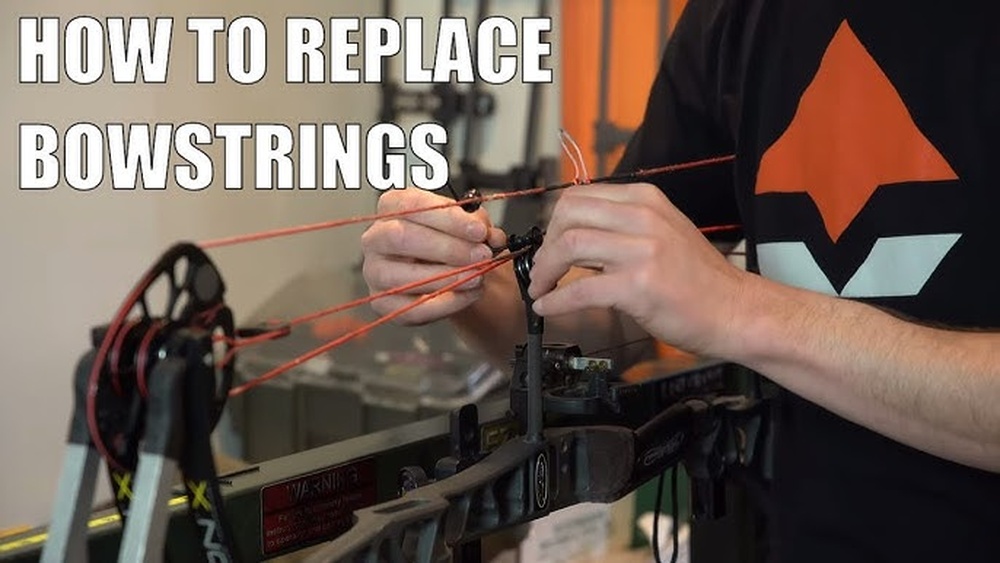
- Use a bow press. Never attempt to remove or install strings/cables on a compound bow without one.
- Check specs. Match the new string/cable to the manufacturer’s length and type.
- Install carefully. Follow a step-by-step guide or consult a pro shop.
- Check cam timing. After installation, check that cams are in sync.
Maintenance
- Wax regularly. Apply bowstring wax every few weeks or after heavy use. Focus on exposed fibers, but avoid the servings.
- Inspect. Look for fraying, serving separation, or color change.
- Clean. Wipe away dirt or old wax with a soft cloth.
- Check brace height/axle-to-axle. Measure often to spot stretch early.
Common Mistakes
- Over-waxing: Too much wax can attract dust, causing more wear.
- Ignoring serving separation: Small gaps can quickly grow and damage strings/cables.
- Skipping regular checks: Problems caught early are much cheaper and safer to fix.
Performance: Cable Vs Bowstring
How much does the cable versus the bowstring really matter for performance? Both play different but essential roles.
Speed And Power
The bowstring is the main factor in arrow speed. A clean, well-maintained string transmits energy to the arrow efficiently.
Cables, while not directly launching the arrow, keep cams in sync and manage the “feel” of the draw. If cables are worn or stretched, your bow loses efficiency, speed, and can even feel rough at full draw.
Tuning And Consistency
Bowstrings affect nocking point, peep sight alignment, and overall consistency. Cables affect cam timing, let-off, and draw length.
For best performance, both need to be in top shape. Many pro archers replace both together to avoid tuning headaches.
Noise
Bowstrings are the bigger source of noise, especially if dry. Cables can add noise if they rub the cable slide or roller or if servings are damaged.
Cost And Replacement
Bowstrings generally cost less than a full set of cables but need more frequent replacement. Custom sets (string plus cables) can range from $60, $150 depending on material and maker.
Here’s a quick reference on maintenance and replacement:
| Component | Average Lifespan | Replacement Cost | Common Issues |
|---|---|---|---|
| Bowstring | 1, 2 years | $30, $60 | Fraying, stretching, serving wear |
| Cable | 2, 3 years | $40, $90 | Fuzzing, stretch, serving separation |
Real-world Examples And Insights
It’s easy to overlook cables because they’re less visible than the bowstring. But many archers, including myself, have seen big improvements in accuracy and draw smoothness after replacing worn cables, even if the bowstring still looked “okay. ”
Another overlooked factor: humidity and temperature can affect both cables and strings. Synthetic fibers absorb very little moisture, but extreme heat or cold can change their feel. If you shoot year-round, check your setup more often during season changes.
Pro Tip: After replacing a bowstring or cable, shoot at least 50, 100 arrows to let everything settle (“shoot-in period”). This helps the fibers seat properly and reduces changes later.
Should You Replace Both Or Just One?
If you see damage to the bowstring, should you replace only the string or the cables too? For most archers, replacing both together is best. This keeps the system balanced and avoids sudden tuning problems. However, if the cables are in excellent condition, some shooters choose to replace only the string.
Example: When I tested replacing only the bowstring on a well-used bow, my cam timing shifted slightly. The bow still shot, but tuning was harder, and my groups opened up. Replacing both brought everything back into alignment.
Upgrades: Custom Strings And Cables
Custom strings and cables are popular with advanced shooters. They offer better materials, custom colors, and pre-stretching for stability. While factory strings are decent, a custom set can give you a slight edge in performance and reliability.
What To Look For In A Custom Set
- Consistent serving tension
- Pre-stretched fibers
- Accurate length (within 1/16 inch)
- High-quality materials
One of the best ways to compare options is by checking forums and reviews for real-world feedback. Companies like ABB (America’s Best Bowstrings) and Winners Choice are respected for their quality.
If you want to go deeper into materials and construction, the Wikipedia article on bowstrings has excellent technical information.
Frequently Asked Questions
What’s The Easiest Way To Spot Cable Wear On My Compound Bow?
Look at the points where the cable slides or rolls. If you see fuzzing, flattened areas, or broken servings, it’s time to consider replacement. Use a flashlight to check grooves in the cams, since wear here is often missed.