Compound Bow Cable vs String: Key Differences Explained
Compound Bow Cable Vs String: What Every Archer Should Know
Choosing the right parts for your compound bow is not just about the bow itself, cables and strings play a major role in your shooting accuracy, safety, and maintenance routine. Many archers, especially beginners, find the difference between the compound bow cable and the bowstring confusing. Getting it wrong can lead to poor performance, unnecessary repairs, or even injury. This article explains the differences, similarities, and key factors you need to know when considering compound bow cable vs string. Whether you’re new to archery or looking to get more from your gear, you’ll find clear answers, practical examples, and tips from real experience.


What Is A Compound Bow String?
The bowstring is the main string you pull back when shooting a compound bow. This is the part your fingers (or release aid) touch every time you shoot. It runs directly between the two cams or wheels at the ends of the limbs.
Modern bowstrings are made of synthetic materials like Dyneema or Spectra. These fibers are strong, lightweight, and have very little stretch, which helps with consistent shooting. A typical compound bowstring will have the following features:
- Center serving: A tough wrap in the middle, where you nock the arrow and release it, to prevent wear.
- End servings: Wrappings at the ends where the string loops around the cams.
- Peep sight and D-loop: Small accessories installed on the string for aiming and attaching your release.
The bowstring transfers all the energy when you release the arrow, making it one of the most critical parts for accuracy and speed.
What Are Compound Bow Cables?
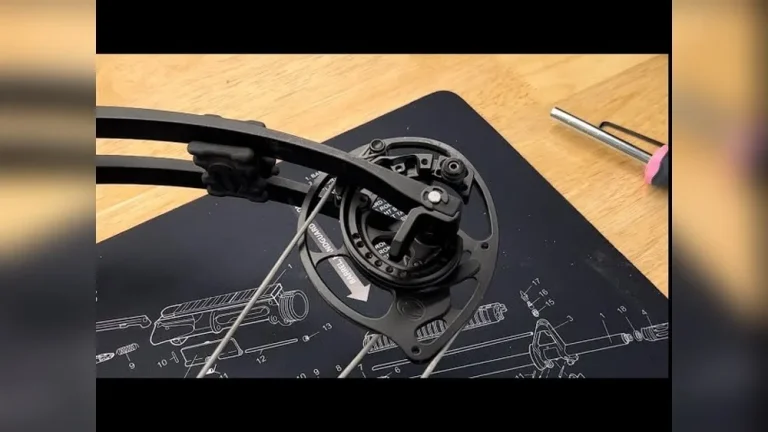
Cables are the other set of strings you see on a compound bow, but they do not touch your fingers during a shot. Instead, cables run from the cams or wheels to the opposite limb or cam. Their job is to help the cams rotate and keep the bow’s timing perfect.
There are usually two types of cables on a compound bow:
- Control cable: Maintains cam synchronization and helps control the bow’s draw cycle.
- Bus cable: Connects limbs through the cams to balance energy and keep the bow stable.
Like bowstrings, cables are made from high-strength synthetic fibers. However, cables are often thicker and more tightly served because they take a lot of stress with each shot.
Pro Tip: Many beginners assume all the “strings” on a compound bow are interchangeable, but cables and strings have different lengths, attachment points, and roles. Using them incorrectly can damage your bow.
Key Differences: Compound Bow Cable Vs String
Understanding the differences between cables and strings will help you maintain your equipment better and improve your shooting consistency.
| Feature | Bowstring | Cable |
|---|---|---|
| Location | Directly between cams, you pull it to shoot | Runs from cam to limb or cam to cam, not touched by archer |
| Main Function | Transfers energy to the arrow | Controls cam movement and bow timing |
| Common Materials | Dyneema, Spectra, BCY 452X | Similar synthetic fibers, often thicker and more served |
| Wear & Tear | Wears at the center and ends, needs regular inspection | Wears mostly at contact points with cams |
| Replacement Interval | Every 1-2 years (average use) | Every 2-3 years (average use) |
How They Work Together
Both cables and strings are crucial for a compound bow to function. If the string is loose or damaged, your arrow won’t fly straight. If a cable is out of sync, the cams will rotate unevenly, causing accuracy problems. Both require regular maintenance, but they age and wear differently.
Materials: Strength And Stretch Matter
The choice of material for both cables and strings affects performance, durability, and feel. Most modern compound bows use synthetic fibers, but not all fibers are the same.
Common Bowstring And Cable Materials
- Dyneema: Lightweight, minimal stretch, resists weather.
- Spectra: Strong, stable, used in high-performance bows.
- BCY 452X: Popular blend, combines durability and low creep (stretch over time).
- Vectran: Often blended with other fibers for extra strength.
Example: A bowstring made of Dyneema will hold its shape and tension better in humid or rainy conditions than older Dacron strings.
Why Stretch Matters
A bowstring or cable that stretches too much will lose power and accuracy. High-quality materials have “low creep,” meaning they hold their length and tension for thousands of shots. Cheaper materials stretch more quickly, which can affect your bow’s tuning and require more frequent adjustments.
Pro Tip: If you notice your shots are suddenly inconsistent, check both string and cable tension. Often, unnoticed stretch is the cause.
Maintenance: Keeping Your Bow In Shape
Both the bowstring and cables need care, but they require slightly different routines.
Bowstring Maintenance
- Wax regularly: Use synthetic bowstring wax every few weeks to keep fibers flexible and prevent fraying.
- Inspect for wear: Look for loose strands, fuzz, or broken fibers, especially at the center serving and ends.
- Replace when needed: Most archers replace their bowstring every 1-2 years, or after 5,000-10,000 shots.
Cable Maintenance
- Check for serving separation: The serving (wrapping) can separate at contact points, leading to fraying.
- Look at the yoke (if present): The “yoke” splits one end of the cable, watch for twists or uneven wear.
- Replace every 2-3 years: Cables last a bit longer than strings but should still be checked at least every season.
Warning: Do not use regular oil or grease on bowstrings or cables; it attracts dirt and can weaken the fibers.
Signs Of Damage
If you see any of these, replace the string or cable right away:
- Fraying, loose threads
- Flat or shiny spots
- Broken strands
- Serving separating
Example: One archer noticed a single frayed strand during a routine check. Two weeks later, the string snapped during practice, causing a painful wrist injury. Regular checks can prevent this.
Installation And Tuning: Getting It Right
Installing or changing a bowstring or cable is not as simple as swapping a guitar string. Compound bows are under high tension, and incorrect installation can ruin your bow.
Do-it-yourself Or Pro Shop?
- DIY: Experienced archers with a bow press and the right tools can change strings and cables themselves.
- Pro shop: Beginners should always use a professional shop. They have the right tools and can tune the bow after installation.
Tuning After Replacement
Whenever you change a string or cable, your bow will need to be tuned:
- Check cam timing: Cams must rotate together for accurate shooting.
- Paper tune: Shoot through paper to check for “bullet holes” (clean arrow tears).
- Adjust peep sight and D-loop: These may shift after a new string is installed.
| Task | Bowstring | Cable |
|---|---|---|
| DIY-Friendly? | Possible with experience | Riskier, easier to get wrong |
| Requires Bow Press? | Yes | Yes |
| Tuning Needed? | Always | Always |
Pro Tip: Always mark your cam positions before removing old strings or cables. This helps you return the new setup to the same tuning faster.
Impact On Performance: Accuracy, Speed, And Feel
How do the string and cables actually affect your shooting? Many archers focus on the bow itself, but these parts change how the bow feels and performs.
Bowstring Effects
- Arrow speed: The string’s weight and stretch affect arrow velocity. A lighter string increases speed but may wear faster.
- Noise and vibration: High-quality strings reduce noise and hand shock.
- Consistency: Well-made strings help your shots group tighter at long distances.
Cable Effects
- Draw cycle: Cables control how smooth or stiff the draw feels.
- Cam timing: Uneven cables lead to “cam lean” or “out-of-sync” cams, causing inconsistent arrow flight.
- Holding weight: Adjusting cable tension can change how much force you need to hold at full draw.
Real-world Example
Two identical bows, one with old, stretched cables and one with new, well-tuned cables, show that new cables produce a smoother draw and improve accuracy by almost an inch at 30 yards. Many archers overlook cables, but their effect is just as important as the string.

Credit: www.ebay.com
Choosing The Right Replacement: What Matters Most
When it’s time to replace your bowstring or cables, don’t just buy the cheapest set online. Here’s what to consider:
- Material quality: Look for trusted brands using BCY or similar top fibers.
- Exact length: Each bow model has specific string and cable lengths, check your manual or bow sticker.
- Pre-stretched: Good strings and cables are pre-stretched by the maker to minimize creep.
- Color: While cosmetic, some colors fade faster in sunlight.
Example: A friend once ordered cables that were 1/4 inch too short. The bow wouldn’t tune, and the cams were out of sync. Always double-check specifications.
Mistakes To Avoid
- Mixing up string and cable lengths, they are not interchangeable.
- Buying from unknown brands with no reviews.
- Ignoring the need for tuning after installation.
Upgrades: Aftermarket Strings And Cables
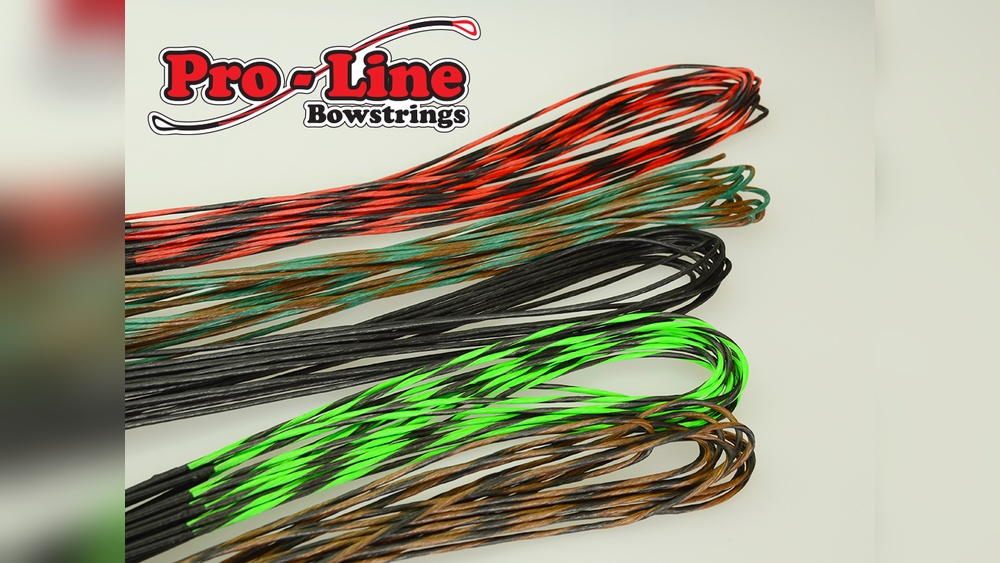
Many archers upgrade to custom or “aftermarket” strings and cables for better performance. These upgrades often feature:
- Tighter servings: Less separation and wear.
- Custom colors: Personalize your bow.
- Advanced fibers: Less stretch, more consistency.
However, beware of flashy marketing. Some upgrades only offer minor improvements unless your current strings or cables are worn out.
Cost: What To Expect
Prices vary widely. Factory strings and cables can cost $30, $100 each, while custom sets may run $100, $200. The price depends on:
- Material quality
- Brand reputation
- Number of servings and color options
- Labor for installation (if using a pro shop)
Spending a bit more for quality saves money long-term, as you get more shots before replacement and fewer tuning headaches.
Common Beginner Questions: Strings And Cables
How Do I Know If My Bowstring Or Cable Needs Replacing?
If you see visible wear, fraying, or serving separation, it’s time to replace. If your bow suddenly shoots differently, check both string and cables for stretch or damage.
Can I Shoot If One Cable Looks Worn But Not Broken?
No. Damaged cables can snap under the high forces of a shot, risking injury and bow damage.
Should I Replace Strings And Cables Together?
It’s a good idea. New strings stretch differently than old cables, and vice versa. Replacing both helps your bow stay in tune longer.
How Do Weather Conditions Affect Strings And Cables?
Extreme heat, cold, or humidity can affect string and cable tension. High-quality synthetic fibers resist these changes better than older materials.
Where Can I Find Official Length Specs For My Bow?
Check the manufacturer’s manual, website, or sticker on the bow limb. Never guess, the wrong length can ruin your bow’s performance.
Real-life Scenarios: Compound Bow Cable Vs String
To bring the differences to life, here are a few situations I’ve seen:
- Sudden drop in accuracy: A friend’s arrows started drifting left. His bowstring looked fine, but the control cable was stretched. Replacing the cable fixed the problem instantly.
- Broken serving: Another archer noticed his center serving was unraveling during a tournament. He had a spare bowstring and swapped it out in five minutes, avoiding a missed round.
- Noise increase: My own bow became noisier after 18 months of use. The culprit was a worn bowstring, not the cables. A new string reduced noise and hand shock immediately.
These examples show why regular checks and understanding the difference between cables and strings are so important.
The Role Of Bow Presses And Tools
Changing strings and cables safely requires a bow press, a device that relaxes the limbs and lets you remove tension. There are different types:
- Manual presses: Portable, cheaper, take more time.
- Shop presses: Faster and more secure, used by professionals.
Never try to change cables or strings without a bow press. Bows are under hundreds of pounds of tension, removing parts without proper tools is dangerous.
When To Seek Professional Help
If you’re unsure about:
- Correct string/cable lengths
- Proper installation steps
- Tuning your bow after installation
. . . use a pro shop. Most shops will install and tune your new set for a small fee, giving peace of mind and better performance.
Pro Tip: Ask the technician to show you how to inspect your string and cables during routine maintenance.
Environmental Factors: Sun, Rain, And Storage
Leaving your bow in hot cars or direct sunlight can weaken both strings and cables over time. UV rays break down fibers, and heat can cause them to stretch. Always store your bow in a cool, dry place.
If your bow gets wet, wipe it dry immediately. Water can work into fibers and cause mildew or weaken the servings.
Innovations: What’s New In Bow Strings And Cables?
Recent years have seen improvements in fiber blends, serving materials, and pre-stretching techniques. Some companies now offer:
- Weather-resistant coatings: Repel water and dirt.
- Laser-measured lengths: For perfect fit every time.
- Colorfast dyes: Strings that stay bright longer.
These innovations help archers shoot more consistently with less maintenance. For more on advanced materials, visit the Wikipedia page on bowstrings.
Frequently Asked Questions
How Often Should I Wax My Compound Bow String And Cables?
Wax your bowstring every 2-4 weeks, or after heavy use. Cables can be waxed less often, but check them regularly