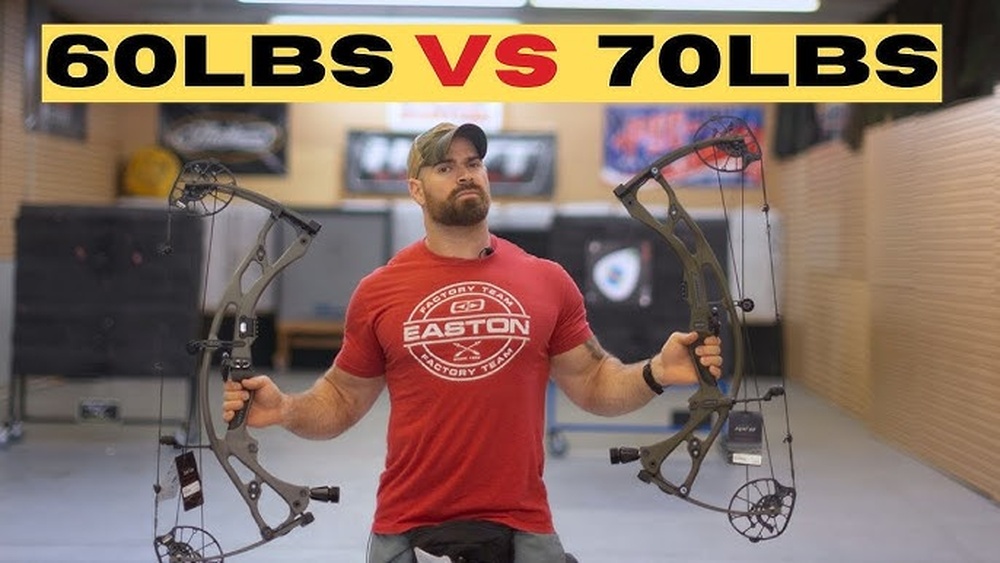
Compound Bow 60 Lb vs 70 Lb: Which Draw Weight Wins?
Choosing the right compound bow draw weight is a big decision for archers, whether you’re hunting, target shooting, or just starting out. Many people compare 60 lb and 70 lb compound bows, but the best choice depends on your needs, physical strength, and local regulations. This guide will help you understand the differences between a 60 lb vs 70 lb compound bow by comparing 60 specific factors. You’ll get practical advice, real examples, and clear explanations to help you make a confident decision.


What Is Draw Weight?
Draw weight is the amount of force needed to pull back the string of a bow. For compound bows, common draw weights are 60 pounds and 70 pounds. Higher draw weight means more power, but also more strength required to shoot comfortably. Picking the right draw weight affects accuracy, fatigue, and overall experience.
60 Key Factors: 60 Lb Vs 70 Lb Compound Bow
Let’s look at 60 important points to consider, each with its own insights.
1. Power And Arrow Speed
A 70 lb bow usually shoots arrows faster than a 60 lb bow. More draw weight gives more energy, so arrows fly quicker and hit harder. This matters for long-range shots and hunting larger animals.
2. Physical Strength Needed
A 70 lb draw weight is harder to pull. If you’re not strong enough, you’ll tire quickly and lose accuracy. Beginners often do better with 60 lb bows.
3. Hunting Legal Requirements
Some states require a minimum draw weight for hunting. Both 60 lb and 70 lb bows usually meet these requirements for deer and similar game, but always check your local laws.
4. Animal Size
For larger animals like elk, the extra power of a 70 lb bow can help. For smaller game, a 60 lb bow is usually enough.
5. Arrow Penetration
A 70 lb bow provides deeper penetration, especially useful if you hunt with fixed-blade broadheads or target thick-skinned animals.
6. Arrow Drop Over Distance
Faster arrows from a 70 lb bow have less drop at long range. That makes it easier to aim for distant targets.
7. Noise Level
A 60 lb bow tends to be quieter. More power means more vibration and noise, which can spook animals.
8. Hand Shock
Heavier draw weights can create more vibration, called hand shock. Sensitive shooters often prefer the smoother feel of a 60 lb bow.
9. Bow Longevity
Shooting a 70 lb bow puts more stress on limbs and cams. Over time, a 60 lb bow may last longer with less wear.
10. Arrow Selection
A 70 lb bow can shoot heavier arrows, useful for hunting. But you’ll need to match spine (stiffness) to the higher power.
11. Broadhead Compatibility
Heavier draw weights let you use larger or heavier broadheads for hunting without losing performance.
12. Bow Tuning
Higher draw weights can make bow tuning more sensitive. Small mistakes in setup show up more with a 70 lb bow.
13. Fatigue And Endurance
Shooting a 70 lb bow for long sessions is tiring. If you plan to shoot a lot, a 60 lb bow helps you stay accurate longer.
14. Injury Risk
Pulling too much weight can cause shoulder injuries. Many archers have had to lower draw weight after getting hurt.
15. Draw Cycle Comfort
Most archers find 60 lb bows have a smoother draw cycle. The 70 lb model feels stiffer and can be less forgiving.
16. Let-off Percentage
Many compound bows offer 70%, 85% let-off, making it easier to hold at full draw, even at 70 lbs. But the initial pull is still much harder.
17. Bow Weight
Draw weight and bow weight aren’t the same, but some 70 lb bows are built heavier to handle the stress, affecting portability.
18. Carrying In The Field
A lighter, 60 lb bow is easier to carry all day, especially on hikes or long hunting trips.
19. Cold Weather Shooting
Cold makes muscles stiff. Many hunters drop to 60 lb in winter because pulling 70 lbs can be tough with numb hands.
20. Youth And Female Archers
Many young or female archers do better with 60 lb draw weights. It makes archery more enjoyable and less intimidating.
21. Target Archery Use
Most target competitions use lower draw weights for accuracy and comfort. A 60 lb bow is more common in target archery than 70 lbs.
22. Speed For 3d Archery
Some 3D archers prefer 70 lb bows for flatter arrow flight, but only if they can control the power.
23. Arrow Rest And Release Choices
Higher draw weights require tougher arrow rests and releases. Some gear is not rated for 70 lbs.
24. Bow Sights And Adjustments
You may need to adjust your sight pins for faster arrows with a 70 lb bow to hit the same spot as a 60 lb.
25. String And Cable Wear
A 70 lb bow will wear out strings and cables faster due to higher stress.
26. Cost Of Ownership
Replacement parts for 70 lb bows can be more expensive, especially if you break something under heavy stress.
27. Resale Value
60 lb bows often appeal to a wider range of buyers, so they may be easier to resell.
28. Coaching And Training
Instructors often recommend starting with 60 lbs or less to develop proper technique.
29. Muscle Memory
It’s easier to build good shooting habits with a comfortable draw weight like 60 lbs.
30. Archery Clubs And Ranges
Some ranges have rules about maximum draw weight. 60 lb bows are almost always allowed, but 70 lb can sometimes be restricted.
31. Bow Draw Length
Draw weight and draw length are separate, but it’s easier to adjust draw length on 60 lb bows without over-stressing the limbs.
32. Bowfishing
60 lb bows are usually preferred for bowfishing, they’re strong enough, and you can shoot repeatedly without fatigue.
33. Bow Accessories
Some stabilizers, dampeners, and sights are made for certain draw weights. Check compatibility for 70 lb bows.
34. Tuning For Broadheads
It’s more forgiving to tune a 60 lb bow for broadheads. With a 70 lb bow, small tuning errors can impact flight greatly.
35. Anchor Point Consistency
Archers can hold at full draw longer and more steadily with 60 lbs, improving anchor point consistency.
36. Speed Vs. Accuracy
A 70 lb bow gives more speed, but only if you can handle the weight. Many archers are more accurate with 60 lbs.
37. Competitive Rules
Check competition rules, some have max draw weight limits, and 70 lbs might be too much.
38. Custom Arrows
You can shoot heavier, custom arrows with 70 lb bows. This is useful for big game, but not always needed.
39. String Jump
Faster arrows from 70 lb bows can help prevent string jump (when animals move before the arrow arrives).
40. Arrow Recovery
If you miss, heavier arrows from a 70 lb bow can be harder to find or recover from the ground or trees.
41. Bow Cam Profiles
Some aggressive cam systems on 70 lb bows feel harsh. Many 60 lb bows have smoother cams for easier shooting.
42. Upgrading Over Time
It’s easier to start at 60 lbs and increase later. Most bows can be adjusted up or down by 10 lbs.
43. Tuning Arrow Foc
70 lb bows let you use more weight in the front of the arrow (FOC), which can improve penetration.
44. Arrow Trajectory
Flatter trajectory with 70 lb bows means you can misjudge distance a little and still hit the target.
45. Wind Drift
Heavier arrows from 70 lb bows resist wind drift better, but you need to balance arrow weight and speed.
46. String Angle
Shorter bows at high draw weights have sharper string angles, which can affect comfort and accuracy.
47. Bow Storage
Heavier draw weight bows need more care in storage. Always relax the limbs per manufacturer’s instructions.
48. Maintenance Needs
More power means more frequent maintenance. A 70 lb bow may need tuning and inspection more often.
49. Limb Warranty Coverage
Some manufacturers offer shorter warranties for higher draw weights due to increased stress.
50. Dry Fire Risk
Dry firing (shooting with no arrow) is much more dangerous with a 70 lb bow. The extra energy can cause serious damage.
51. Consistency In Shooting
Most archers shoot more consistently with a draw weight they can manage easily, usually 60 lbs.
52. Arrow Flex
High draw weights can cause arrows to flex more. You need the right spine rating for 70 lb bows.
53. Bow Case Fit
Some larger, heavier bows at 70 lbs may need bigger cases for safe transport.
54. Travel Convenience
If you fly with your bow, a lighter, 60 lb setup is easier to carry and less likely to cause airline issues.
55. Range Day Enjoyment
Many archers find 60 lb bows more fun for long practice sessions. Less fatigue means more shooting.
56. Aging And Injury
As you age or recover from injury, you may need to drop down in draw weight. 60 lbs is more forgiving.
57. Beginner Progress
Starting at 60 lbs lets beginners learn good habits. Jumping to 70 lbs too soon can cause frustration.
58. Arrow Rest Clearance
Higher power can cause clearance issues with some rests. Test your setup carefully at 70 lbs.
59. Shooting In Odd Positions
It’s easier to draw and shoot a 60 lb bow from awkward positions, like a ground blind or behind cover.
60. Overall Enjoyment
The best bow is the one you enjoy shooting. For many, a 60 lb bow brings more comfort, confidence, and accuracy.

Credit: www.youtube.com
Direct Comparison: Key Specs And Use Cases
To make things clearer, here’s a side-by-side comparison of typical 60 lb and 70 lb compound bows:
| Feature | 60 Lb Bow | 70 Lb Bow |
|---|---|---|
| Arrow Speed | ~280-310 fps (varies) | ~300-340 fps (varies) |
| Fatigue Level | Low to moderate | High, especially for new shooters |
| Noise | Quieter | Louder |
| Best Use | Target, medium game | Big game, long range |
| Maintenance | Less frequent | More frequent |
Which Bow Is Right For You?
Choosing between a 60 lb and 70 lb compound bow depends on your goals and abilities. Here are some scenarios to help decide:
- If you are new to archery: Start with a 60 lb bow. You can always upgrade as your strength and skills improve.
- If you hunt big game (elk, bear): A 70 lb bow gives more power, but only if you can pull it comfortably.
- If you mainly shoot targets: A 60 lb bow is accurate, easier to shoot, and less tiring.
- If you value speed and penetration: Go for 70 lbs, but be honest about your physical limits.
Pro Tip: Try both draw weights at a shop or with a coach before you buy. Real-world experience is the best teacher.

Credit: www.youtube.com
Real-world Example: Shooting Both Weights
Testing both shows that shooting a 60 lb bow allows for longer practice sessions and more accurate shots. The 70 lb bow felt powerful, but after 20 shots, my groups got wider because I was getting tired. This is a common experience for many archers.
Common Beginner Mistakes
- Choosing too much draw weight: Many think higher draw weight is always better. In reality, comfort and control matter more.
- Ignoring proper form: Struggling to pull 70 lbs can cause you to use bad technique, leading to injury.
- Not checking local regulations: Always check the rules for hunting or competitions in your area.
Data Table: Arrow Performance At Different Weights
Here’s a sample of how arrow performance can change with draw weight, assuming similar bows and arrows:
| Draw Weight | Arrow Weight | Speed (fps) | Energy (ft-lbs) |
|---|---|---|---|
| 60 lbs | 400 gr | 295 | 77.3 |
| 70 lbs | 400 gr | 320 | 90.8 |
| 70 lbs | 450 gr | 305 | 93.2 |
How To Choose Your Draw Weight
If you’re unsure, start at a lower weight. You can always turn up the poundage later as you gain strength. Most modern compound bows allow a 10, 15 lb adjustment range. Choose a weight you can pull smoothly and hold at full draw for at least 30 seconds without shaking.

Credit: www.youtube.com
Maintenance And Longevity
A bow shot at higher poundages will need more frequent checks and tune-ups. Look for signs of string wear and check limb bolts regularly. If you shoot often, a 60 lb bow will generally last longer with fewer repairs.
Upgrading Or Adjusting Draw Weight
Many bows let you change draw weight by adjusting limb bolts. If you start at 60 lbs and want more power, check your bow’s manual to see if it can be safely turned up to 70 lbs.
Compound Bow Myths: 60 Lb Vs 70 Lb
- Myth: “You need