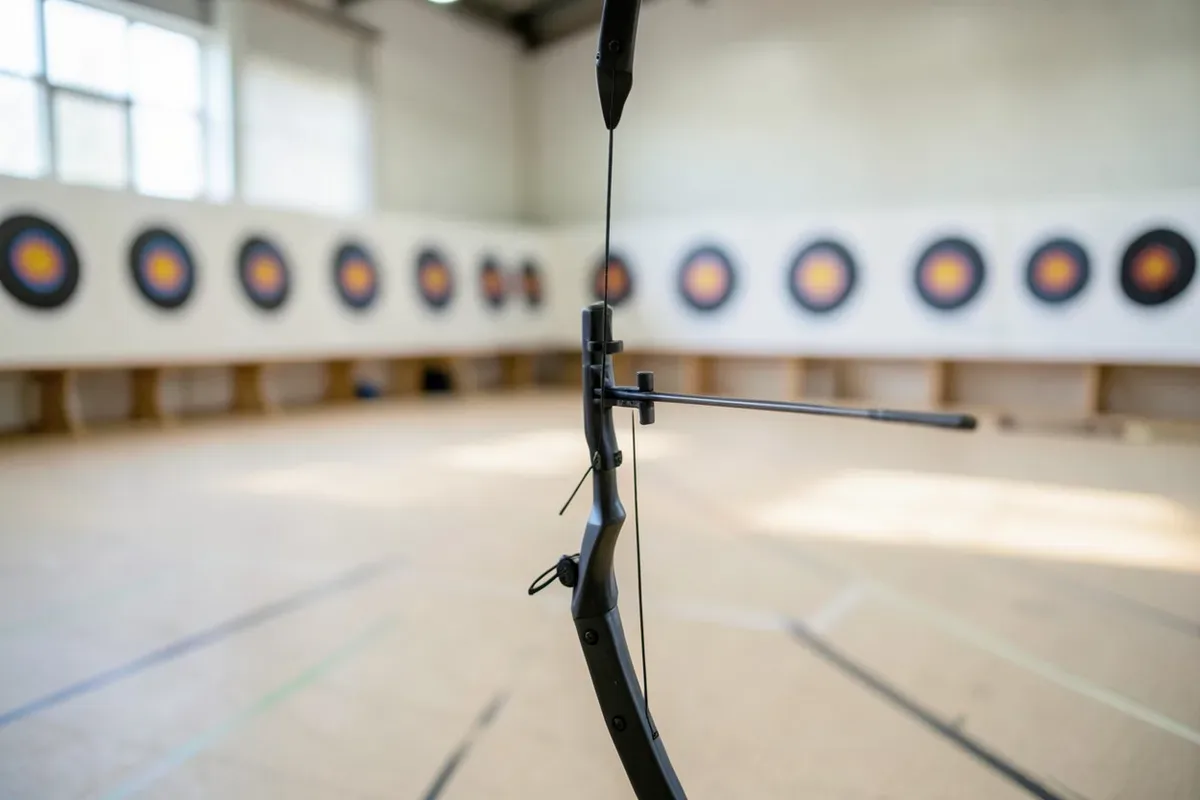
Difference in Dry Firing Vs. Shooting: Essential Guide
Dry firing a bow without an arrow means you skip practice, while shooting a bow with an arrow is the real deal. Dry firing can damage your bow, so it’s best to avoid it. This guide explains both safely and effectively.

Thryndal
Dry-Fire-Training-System, Electronic Target Kit for Safety Aiming…
- VERSATILE TRAINING: Dry fire training system allows for safe and effective target practice without live ammunition, perfect for sk…
- COST-EFFECTIVE: Save money on ammunition and range fees while maintaining your aim proficiency with regular practice sessions
- CONVENIENT SETUP: Easy-to-use target system can be quickly installed in your home or designated practice area for immediate traini…
As an Amazon Associate I earn from qualifying purchases.
For a related aiming question, Difference in Aim 100gr vs 125gr: Essential helps readers compare the next accuracy detail.
Welcome, fellow archery enthusiasts! Are you new to the wonderful world of bows and arrows, or maybe just looking to sharpen your skills? It’s completely normal to wonder about the best ways to practice. You’ve probably heard terms like “dry firing” and “shooting.” These sound similar, but they are quite different, and understanding that difference is super important for you and your bow. Don’t worry, it’s not complicated at all! We’ll walk through what each one means, why it matters, and how you can get the most out of your practice time safely. Ready to hit the bullseye with confidence? Let’s dive in!
Dry Firing vs. Shooting: What’s the Big Deal?
As you start your archery journey, you’ll quickly realize that practice is key to improvement. But how you practice matters a lot. This is where understanding the difference between dry firing and shooting comes into play. Think of it like learning to drive: you might practice steering in a stationary car, but you can’t truly learn to drive without actually hitting the road.
What is Dry Firing?
Dry firing is the act of drawing a bowstring back and releasing it without an arrow nocked. It might seem like a quick way to go through the motions of shooting, but it’s something you should generally avoid.
When you draw a bow, the energy you put into pulling the string back is stored in the limbs of the bow. This stored energy is then transferred to the arrow when you release the string, propelling it forward. If there’s no arrow to absorb that energy, the force has nowhere to go. Instead, it gets sent back into the bow’s components. This can put a lot of sudden stress on the limbs, the string, and other parts of the bow. Think of it like snapping a rubber band—it’s fine. Now imagine snapping a thick bungee cord without anything attached to it; the sudden recoil could damage the cord itself or anything nearby. Similarly, dry firing can cause cracks in the limbs, damage the string or cam system, or even cause the bow to fail unexpectedly. This is why it’s often called “the enemy of the bowstring and limbs.”
What is Shooting?
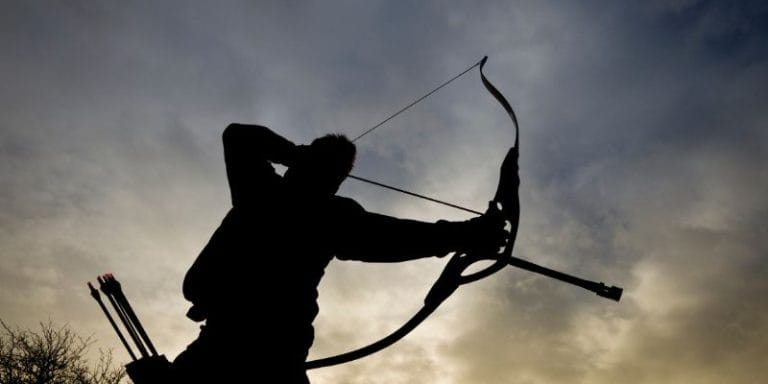
Shooting, in archery terms, means drawing the bowstring back and releasing it with a properly nocked arrow. This is the intended way to use your bow, whether for target practice, hunting, or competition.
When an arrow is nocked and seated correctly on the string and rest, it acts as an energy absorber. As you draw the bow, potential energy builds up. When you release the string, this potential energy is transferred to the arrow. The arrow then converts this energy into kinetic energy as it flies towards the target. This process is smooth and controlled, designed specifically for the bow’s operation. The arrow’s mass and flight dissipate the energy safely and efficiently, just as the bow was designed to do. This is the full, intended cycle of shooting, which is crucial for both the longevity of your equipment and the accuracy of your shots.
Why the Difference Matters: Safety and Equipment Longevity
Understanding the difference isn’t just about knowing terms; it’s about protecting your investment in your archery equipment and ensuring your safety. Archery equipment can be quite sophisticated, and improper use can lead to costly repairs or even dangerous failures.
Risks of Dry Firing
As mentioned, dry firing can cause significant damage to your bow. The sudden release of energy without an arrow can:
- Crack or delaminate bow limbs.
- Damage or break the bowstring.
- Damage cams or other parts of the bow.
- Cause the riser to flex excessively.
- Lead to a catastrophic failure of the bow, which could injure the shooter or bystanders.
Even a single instance of dry firing can be enough to cause damage, especially on modern compound bows which store a lot of energy. For recurve and longbows, while they might be a bit more forgiving than high-energy compound bows, dry firing can still weaken the limbs over time, significantly reducing their lifespan and performance.
Benefits of Proper Shooting Practice
Engaging in proper shooting practice, always with an arrow, offers numerous benefits:
- Builds muscle memory: Repeating the correct draw, aim, and release cycle strengthens the muscles used in shooting, making your form more consistent.
- Improves accuracy: Actually shooting arrows gives you feedback on how your form affects your shot placement.
- Develops proper technique: You learn to manage the draw weight, anchor point, and release smoothly.
- Ensures equipment safety: You’re using the bow as intended, prolonging its life and maintaining safety.
- Provides a realistic training experience: It replicates the actual conditions you’ll face when shooting at targets or hunting.
Safe Alternatives to Dry Firing
So, if dry firing is off the table, how can you practice the mechanics of shooting without actually loosing an arrow every single time? There are safe and effective ways to build your form and confidence.
Using a Bow Square or Alignment Tool
A bow square, often called a bow press alignment tool or measuring tool, is a simple device that is invaluable for bow tuning and ensuring your setup is correct. While not directly a practice tool for shooting motion, it’s crucial for setting up your bow correctly so that shooting is safe and accurate. For example, ensuring your nocking point is set correctly is vital. An incorrect nocking point can lead to arrow contact with the arrow rest or riser, especially during the shot, which can damage both the arrow and the bow, and negatively impact accuracy.
You can find detailed guides on how to use a bow square on reputable archery resource sites. For instance, sites like the USA Archery website often have resources on equipment setup and maintenance that touch upon the importance of proper alignment.
Dry Fire “Safeties” (Use with Extreme Caution!)
Some bows come with, or can be fitted with, devices that act as a “dry fire safety.” These are typically small components that cushion the impact if the string is released. However, these are not a foolproof solution and should never be relied upon to prevent damage. They are a last resort for accidental dry fires, not a method for intentional practice.
For most beginner archers, it’s far safer and more productive to simply avoid dry firing altogether. The risk of damaging your bow outweighs any perceived benefit of practicing without an arrow.
Mechanical Release Aids and String Slings
For compound bow shooters, using a mechanical release aid can help develop a consistent back-tension release. Practicing drawing and releasing with a release aid, even without an arrow sometimes, can be less stressful on the bow string compared to a finger release. However, the bow still stores all its energy when the string is let down. A string sling, often used with finger shooting, helps prevent the string from snapping back too violently if accidentally released, but again, this is a safety feature, not a practice tool.
The Best Practice: Arrow Nocking and Drawing
The most recommended way to practice your shooting form without actually sending arrows downrange repeatedly (saving on arrow wear and target wear) is to practice the draw cycle with an arrow nocked.
Here’s how you can do it safely:
- Nock an arrow: Ensure the arrow is properly seated on the string and the arrow rest, with the nock clipped onto the nocking loop or string.
- Point in a safe direction: Always aim at a safe target or the ground in front of you.
- Draw the bow: Slowly draw the bowstring back to your anchor point.
- Hold and check form: Focus on your stance, grip, and draw. Make sure you feel solid.
- Let down slowly: Gently and smoothly release the draw weight by lowering the string back to the un-drawn position. Do this very carefully, allowing the riser and limbs to absorb the energy gradually.
This “let-down” practice helps build strength and control without releasing the string. It mimics the drawing motion and reinforces good habits. Many archery coaches recommend this as a primary way to practice form when arrow usage is a concern.
Key Differences Summarized
To make it crystal clear, let’s look at the core differences in a straightforward way.
| Feature | Dry Firing | Shooting |
|---|---|---|
| Arrow Nocked | No | Yes |
| Energy Transfer | To the bow components (damaging) | To the arrow (propels it) |
| Safety | High risk of equipment damage and injury | Safe when practiced correctly |
| Purpose | Generally avoided; can be used for very specific, controlled (and often risky) tuning | Practicing form, accuracy, developing skills, hunting, competition |
| Effect on Bow | Can cause cracks, breaks, and stress | Designed for this process; requires maintenance |
How to Practice Archery Safely and Effectively
Now that you understand the difference, let’s focus on building your archery skills the right way. Safety and consistent practice are your best friends here.
1. Master Your Stance and Grip
Before you even think about drawing the bow, get your stance and grip right. Stand with your feet shoulder-width apart, creating a stable base. Your body should be perpendicular to the target. Your grip on the bow should be relaxed, not a death grip. Imagine holding a bird; you want to hold it firmly enough that it doesn’t fly away, but gently enough that you don’t crush it. This relaxed grip prevents torque, which can send your arrow flying off course.
2. Learn the Draw Cycle
This is where consistent practice comes in handy. Use the “nock and let-down” method described earlier. Focus on:
- Smooth Draw: Draw the bowstring back smoothly, using your back muscles, not just your arms.
- Consistent Anchor Point: Find a comfortable and repeatable place on your face where you bring the string hand to. This is your anchor point. It should be the same every time.
- Back Tension: Feel the energy building in your shoulder blades. This is crucial for a stable shot.
3. Develop a Clean Release
The release is arguably the most critical part of shooting accurately. Avoid “plucking” the string forward. Instead, think about “squeezing” the trigger with your back muscles or cleanly letting the release aid do its job. For finger shooters, gently relax the fingers that are holding the string, allowing the bow’s energy to do the work.
4. Focus on Follow-Through
Don’t drop your bow arm immediately after the release. Continue to hold your form, as if you were still holding the bow drawn. This follow-through helps ensure that the bow’s movement during string release doesn’t affect the arrow’s flight.
5. Use Proper Equipment and Accessories
Ensure your bow is set up correctly for you. This includes draw length, draw weight, and proper arrow spine. Using a bow tuning guide or consulting with a local archery pro shop can be incredibly helpful. They can help ensure your arrow rest, nocking point, and sights are all aligned correctly. For instance, the National Field Archery Association (NFAA) provides resources and guidance that can help archers of all levels understand equipment best practices.
6. Consider a Bow Sling
A bow sling is a strap that attaches to the stabilizer or riser of your bow and loops around your wrist. It prevents the bow from falling if you lose your grip during the shot, but more importantly, it allows you to relax your bow hand completely during the shot, encouraging better follow-through and reducing tension.
If you’re using a compound bow with a mechanical release, many release aids have a wrist strap that serves a similar purpose in preventing accidental drops.
7. Regular Inspection of Your Bow
Make it a habit to inspect your bow before and after each shooting session. Look for any signs of wear and tear, especially on the string, cables, and limbs. If you spot any damage, do not shoot the bow until it has been inspected and repaired by a qualified technician. This proactive approach is a key part of safe archery and preventing what could have been a dry-fire-induced failure during actual shooting.
Frequently Asked Questions
Can I dry fire a bow with a release aid?
No, even with a release aid, dry firing a bow is very risky. While a release aid can help with a cleaner shot, the fundamental problem remains: the bow’s stored energy has nowhere to go but back into its components, potentially causing damage.
How do I know if I’ve accidentally dry fired my bow?
You might hear a louder than usual “thwack” or “snap” sound. You may also feel an unusual jolt through the bow. Visually inspect your bow, especially the limbs and string, for any signs of cracking, fraying, or damage.
Are all bows equally susceptible to dry fire damage?
Modern compound bows, which store a lot of energy, are generally more susceptible to catastrophic damage from dry firing than traditional recurve or longbows. However, all bows can be damaged or weakened by dry firing.
What if I need to de-stress my bow without shooting an arrow?
The safest way to reduce the tension on your bow without dry firing is to use a bowstringer to unstring the bow if you need to store it for an extended period. For practicing the draw motion, use the controlled “nock and let-down” technique described earlier.
Can my insurance cover damage from dry firing?
Typically, damage caused by user error, such as dry firing, is not covered by standard bow insurance or warranties. It’s always best to check your specific policy details, but prevention is the most reliable approach.
Is it ever okay to dry fire to check something on my bow?
In very rare, controlled situations, a practiced archer might intentionally dry fire a bow to check the timing of cams or other specific tuning procedures, often with the bow partially drawn and with specific dampening devices in place. However, this is highly discouraged for beginners and should only be performed by experienced archers who fully understand the risks and have the correct equipment.
Conclusion
Understanding the critical difference between dry firing and shooting is fundamental for every archer, from the absolute beginner to the seasoned veteran. Dry firing is a practice that carries significant risks of damage to your valuable equipment and potential safety hazards, while shooting is the intended, safe, and effective way to develop your skills and enjoy archery. By prioritizing safe practices, such as learning the proper draw cycle with an arrow nocked and using controlled let-downs, you build a strong foundation for accuracy and longevity of your bow.
Remember, your bow is a precision instrument designed for a specific purpose. Treat it with care and respect, always practice safely, and you’ll find that your archery journey is not only more enjoyable but also more rewarding. So, grab your bow, nock an arrow, and let’s get to practicing the right way!
Related pick: Check today's price on Amazon