Right-Hand vs Left-Hand Bow: Your Dominant Eye Decides
Your dominant eye decides right-hand vs left-hand bow, not your writing hand: right-eye dominant archers use a right-hand bow, left-eye dominant archers use a left-hand bow. Matching a bow to your writing hand instead of your dominant eye is the most common reason beginners struggle with consistent aim. This guide covers the dominant-eye test, what each setup looks and feels like, and a step-by-step way to choose your first bow.
This guide is part of our Archery basics: beginner guide to bows and shooting series.

As an Amazon Associate I earn from qualifying purchases.
For a closely related bow or archery topic, Difference Between Crossbow and Bow: A Deep Dive for Enthusiasts gives readers a useful next step.
For a closely related bow or archery topic, Difference Between Rage and Rage Crossbow: Essential gives readers a useful next step.
For a related arrow setup, Difference Between Crossbow and Compound Bow Broadheads: Essential gives readers another detail to check before shooting.
For a closely related bow or archery topic, Archero 2 Beam Staff Vs Longbow: Essential Showdown gives readers a useful next step.
For a closely related bow or archery topic, Difference In Crossbow Bolt Length: Essential gives readers a useful next step.
Welcome, future archer! Ever felt a little lost standing at the archery range, trying to figure out which bow is the right one for you? It’s a common question, and one of the first things you’ll need to understand to get started. Don’t worry; it’s simpler than it sounds! Choosing between a right-hand and left-hand bow is all about your natural comfort and how you aim. Getting this right makes a huge difference in how much you enjoy the sport and how quickly you improve. We’ll break down exactly how to figure this out, step-by-step, so you can hit the bullseye with confidence. Ready to take your first shot at understanding bow orientation? Let’s dive in!
Understanding Bow Hand Orientation: Right vs. Left Dominance
Archery, like many sports, relies heavily on your natural dominance. For bows, this means figuring out which hand you use to aim with and which to draw the bowstring. Most people have a dominant eye and a dominant hand that work together. When you draw a bow, your drawing hand (the one that pulls the string back) will typically be on the opposite side of your dominant eye. This might seem a little backward at first, but it’s how we naturally aim.
For example, if you are right-eyed, you will likely be a right-handed archer, meaning you’ll hold the bow in your left hand and draw the string with your right hand. Conversely, if you are left-eyed, you’ll probably be a left-handed archer, holding the bow in your right hand and drawing with your left.
How to Determine Your Dominant Eye
Your dominant eye is the eye that your brain prefers to use for focusing and depth perception. It’s the key to figuring out which hand to use for your bow. Here are a few simple tests you can do:
The Triangle Test
- Extend your arms straight out in front of you.
- Form a triangle with your hands by bringing your index fingers and thumbs together.
- Sight through this triangle at a distant object.
- Close your left eye. If the object stays centered, you are likely right-eye dominant.
- Now, close your right eye. If the object moves or disappears from the triangle, you are definitely right-eye dominant.
- If closing your right eye kept the object centered, you are left-eye dominant.
This is the same test used for aligning peep sights — see our guide to how eyes line up with peep sights once you have your bow set up.
The Pointing Test
- Extend one arm straight out in front of you and make a fist with your thumb pointing up.
- Without moving your arm, close one eye, then the other.
- The eye you keep open when the object remains steady and centered is your dominant eye.
It’s important to note that your dominant eye doesn’t always match your dominant hand. Many people are cross-dominant, meaning their dominant eye and dominant hand are on opposite sides. For archery, however, your dominant eye is the most critical factor in determining your bow orientation.
How to Determine Your Drawing Hand
Once you know your dominant eye, determining your drawing hand is straightforward. As a general rule, you aim with your dominant eye, and your drawing hand is the opposite hand.
- If you are right-eye dominant: You will be a right-handed archer. This means you will hold the bow in your left hand and draw the bowstring with your right hand.
- If you are left-eye dominant: You will be a left-handed archer. This means you will hold the bow in your right hand and draw the bowstring with your left hand.
Try holding a pencil or a similar object in your hand and pointing at something across the room. Which hand feels most natural for this action? While this can be a secondary indicator, the eye dominance test is the most accurate for archery.
If after these tests you’re still unsure, or if you find you have very little difference between either eye, it’s always a good idea to try shooting both styles with a coach present. Some people find that even if they are right-eye dominant, shooting a left-handed bow feels more comfortable and produces better results, especially if they have any previous injuries or training that leans towards a particular side.
What is a Right-Hand Bow?
A right-hand bow, often referred to as a “right-handed bow,” is designed for archers who are right-eye dominant. When shooting a right-hand bow:
- You will hold the bow in your left hand.
- You will draw the bowstring back with your right hand.
- Your left arm will extend towards the target.
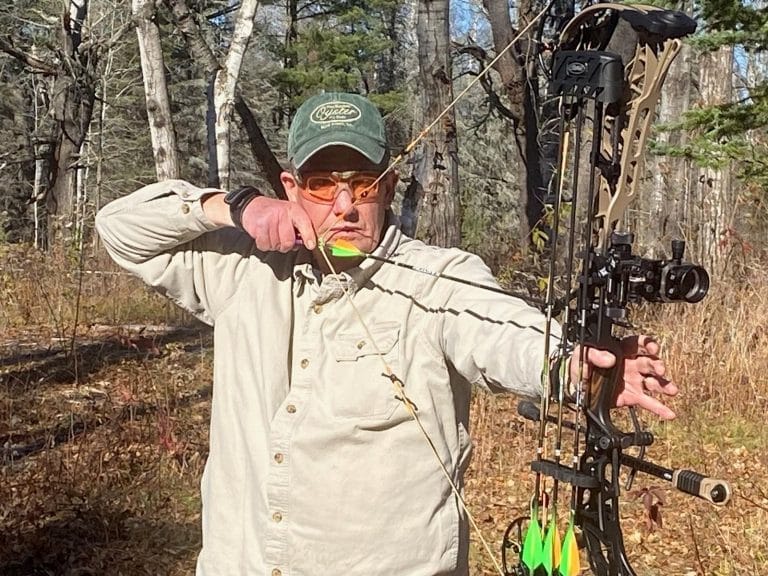
- Your right arm will pull the string back towards your cheek or jaw.
The terminology can sometimes be confusing because the “hand” in “right-hand bow” refers to the drawing hand, not the hand that holds the bow. So, a right-hand bow is for a traditionally right-handed shooter.
Anatomy of a Right-Hand Bow
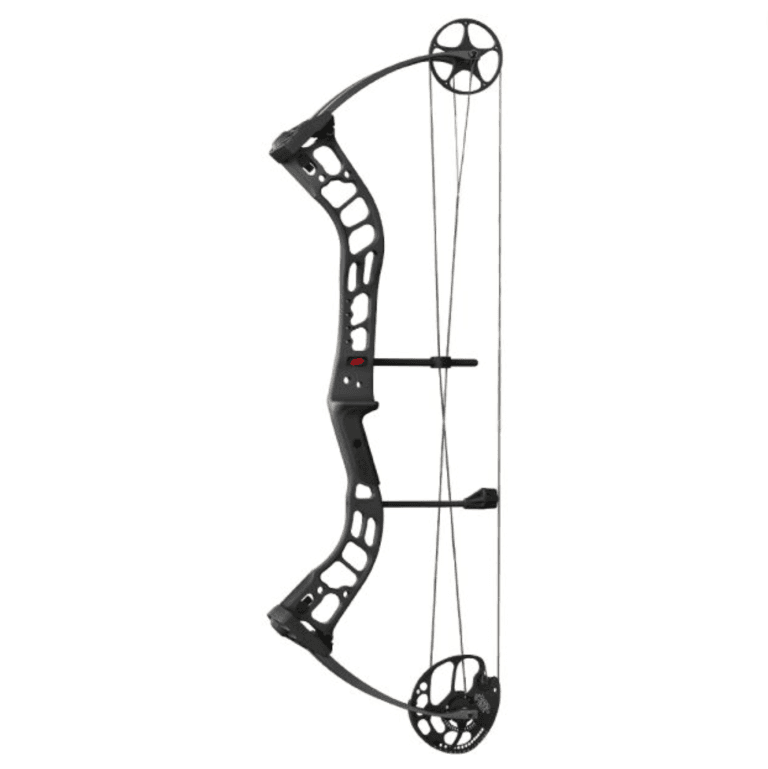
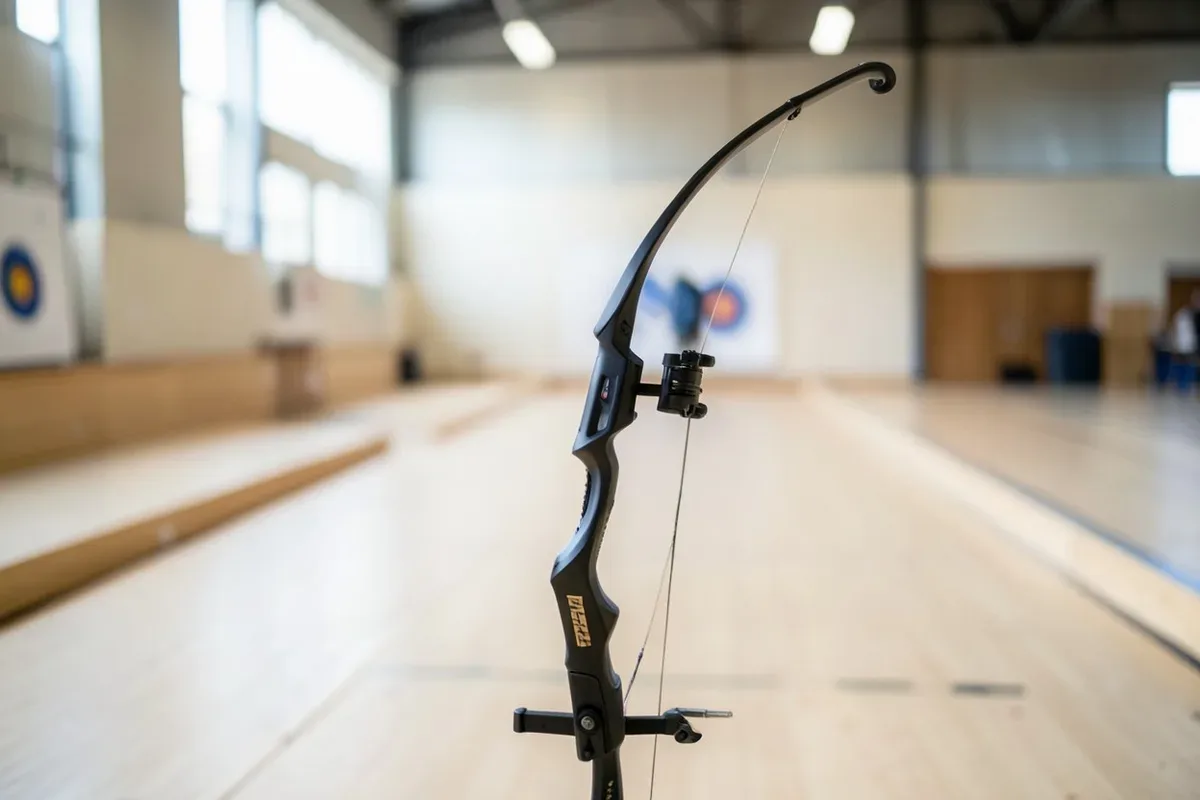
While the fundamental components are the same for all bows, a right-hand bow will have its sight, arrow rest, and other accessories mounted on the left side of the riser (the central grip part of the bow). This positioning is intended to work in harmony with the archer’s dominant right eye.
- Riser: The grip of the bow, typically held in the left hand for a right-handed shooter.
- Limbs: The flexible parts that store energy, attached to the riser.
- String: Connects the limbs and is drawn by the right hand.
- Arrow Rest: Located on the left side of the riser, it supports the arrow.
- Sight: Mounted on the left side to aid aiming.
What to Expect When Shooting a Right-Hand Bow
For a right-handed archer, using a right-hand bow feels natural. The bow balances comfortably in the non-dominant left hand, while the dominant right hand smoothly draws the string. Your dominant right eye aligns behind the arrow, using the sight for aiming. This coordination allows for a stable stance and a clean release, which are key to accuracy.
What is a Left-Hand Bow?
A left-hand bow, also known as a “left-handed bow,” is designed for archers who are left-eye dominant. For these archers:
- You will hold the bow in your right hand.
- You will draw the bowstring back with your left hand.
- Your right arm will extend towards the target.
- Your left arm will pull the string back towards your cheek or jaw.
Again, the “hand” designation on the bow refers to the hand that draws the string. Therefore, a left-hand bow is for a typically left-handed shooter, meaning left-eye dominant.
Anatomy of a Left-Hand Bow
A left-hand bow has its accessories—sight, arrow rest, etc.—mounted on the right side of the riser. This orientation is perfect for a left-eyed archer.
- Riser: The grip, held in the right hand for a left-handed shooter.
- Limbs: The energy-storing components.
- String: Pulled back by the left hand.
- Arrow Rest: Positioned on the right side of the riser for the arrow.
- Sight: Mounted on the right side to assist aiming.
What to Expect When Shooting a Left-Hand Bow
For a left-handed archer, using a left-hand bow translates to a natural feeling of control and balance. The bow feels comfortable in the non-dominant right hand, and the dominant left hand draws the string with ease. The dominant left eye aligns with the arrow and sight, enabling precise aiming. This setup promotes a steady posture and a consistent release, which are vital for achieving good scores.
Left vs. Right Hand Bow: Key Differences Summarized
The fundamental difference between right-hand and left-hand bows is purely about handedness and eye dominance. It dictates which hand grips the bow and which hand draws the string, impacting the placement of accessories like the sight and arrow rest.
Here’s a quick breakdown of the primary differences:
| Feature | Right-Hand Bow | Left-Hand Bow |
|---|---|---|
| Dominant Eye Required | Right Eye Dominant | Left Eye Dominant |
| Hand to Hold Bow | Left Hand | Right Hand |
| Hand to Draw String | Right Hand | Left Hand |
| Accessory Placement (Sight, Rest) | Left Side of Riser | Right Side of Riser |
| Archery Terminology | “Right-handed archer” | “Left-handed archer” |
It’s crucial to remember that this isn’t about whether you write with your right or left hand. It’s about which eye you use to aim. Many people are surprised to learn they might shoot “opposite” to their writing hand. For instance, someone who writes with their left hand might be right-eye dominant and therefore a “right-handed” archer.
Choosing the Right Bow: A Step-by-Step Guide
Now that you understand the core concepts, let’s walk through exactly how to choose the right bow for you. This process ensures you start your archery journey with equipment that feels natural and promotes good technique from day one.
Step 1: Determine Your Dominant Eye
As we’ve discussed, this is the most critical step. Use the triangle test or the pointing test provided earlier. Perform them calmly and without trying to force an outcome. Trust your natural instincts.
Step 2: Identify Your Archery Hand
Based on your dominant eye:
- If your right eye is dominant, you are a right-handed archer. You’ll need a right-hand bow.
- If your left eye is dominant, you are a left-handed archer. You’ll need a left-hand bow.
Step 3: Consider Your Comfort and Feel
When you get a chance to hold a bow, pay attention to how it feels. Does holding the bow in your left hand (for a right-handed setup) feel stable? Does drawing the string with your right hand feel natural and controlled? For left-handed archers, the question is reversed: does holding with the right hand feel good? Does drawing with the left feel smooth?
The perfect bow won’t feel awkward or strained. It should feel like an extension of your body. Some beginner archery classes and shops offer try-out sessions where you can hold different bows. This is an invaluable experience to confirm your choice.
Step 4: Consult with an Expert
If you’re still uncertain, or if you have specific physical considerations (like past injuries), speak with an experienced archery instructor or a reputable archery shop employee. They can observe your stance and shooting motion and offer personalized advice. Organizations like the National Field Archery Association (NFAA) often have local chapters with experienced members who can offer guidance. You can find more information on their website, often in their resources or clubs section.
Step 5: Choosing Your First Bow (Beginner Considerations)
For beginners, simpler bow designs are often recommended.
- Recurve Bows: These are excellent for learning the fundamentals. They are relatively lightweight and don’t have many complex moving parts.
- Compound Bows: These use a system of pulleys and cables to reduce the effort needed to hold the bow at full draw. They are more powerful and accurate but also more complex and expensive. Most beginners start with a recurve to build foundational strength and technique.
When buying your first bow, ensure it’s also the correct draw weight and draw length for you. These are separate, but equally important, considerations. A bow that is too heavy or too long will hinder your progress and can cause injury. Most archery shops can help measure you for the correct draw length and recommend an appropriate draw weight. For more on selecting beginner equipment, resources from USA Archery often provide excellent starting points, detailing equipment standards and beginner programs.
Common Beginner Mistakes and How to Avoid Them
Starting archery is exciting, but it’s easy to stumble into a few common pitfalls. Understanding these ahead of time can save you frustration and help you progress smoothly.
Mistake 1: Using the Wrong Hand Orientation
This is what we’ve been talking about! Shooting with a bow that doesn’t match your drawing hand and dominant eye leads to inconsistent aim, discomfort, and can even cause shoulder or eye strain. Always confirm your eye dominance before buying or trying a bow.
Mistake 2: Choosing Too Much Draw Weight
It’s tempting to pick a bow with a high draw weight, thinking it will make you shoot faster or harder. However, a draw weight that’s too heavy will prevent you from drawing the bow back smoothly or holding it steady. This leads to poor form and inaccurate shots. Start with a lighter draw weight and focus on mastering your technique. You can always increase the draw weight as you get stronger.
Mistake 3: Mishandling the Bow String
When drawing the string, use the fingertips of your drawing hand (not the palm) to grip the string. For recurve bows, many archers use a three-finger European or American grip. For compound bows, a release aid is typically used, which attaches to the string via a loop. Always ensure the string isn’t twisted or damaged.
Mistake 4: Ignoring Safety Rules
Archery is a safe sport when proper safety protocols are followed. Never dry fire a bow (draw and release the string without an arrow on it), as this can damage the bow and cause injury. Always be aware of what is in front of and behind your target. Ensure everyone understands the commands on the range, like “nock, draw, shoot,” and “stand clear.” Always wear safety gear, especially eye protection.
Mistake 5: Not Practicing Consistently
Archery is a skill that improves with practice. Short, regular practice sessions are more beneficial than infrequent marathon sessions. Aim for consistency in your form and focus on one aspect of your technique at a time during practice.
Recap: Right-Hand vs. Left-Hand Bow Choice
The core takeaway is that your dominant eye dictates whether you’ll use a right-hand or left-hand bow. It’s not about which hand you write with, but which eye you use to aim. A right-hand bow is for a right-eyed dominant archer (drawing with the right hand, holding with the left), and a left-hand bow is for a left-eyed dominant archer (drawing with the left hand, holding with the right). Accessories like sights and rests are mounted on opposite sides of the bow’s riser to accommodate this orientation.
Choosing the correct bow orientation from the start is fundamental for building good habits, ensuring comfort, and maximizing your potential for accuracy and enjoyment in archery. Don’t hesitate to seek guidance from experienced archers or professionals. With a little bit of self-discovery and the right equipment, you’ll be well on your way to enjoying this rewarding sport.
Frequently Asked Questions (FAQ)
Q1: I write with my right hand, but I wink with my left eye. Which bow should I get?
This is a classic case of cross-dominance! In archery, your dominant eye is the most important factor. Since you wink with your left eye, you are likely left-eye dominant. Therefore, you should choose a left-hand bow. You will hold the bow in your right hand and draw the string with your left hand.
Q2: Can I try shooting a bow with my non-dominant hand?
While it’s possible to shoot with your non-dominant hand, it’s generally not recommended, especially for beginners. It will likely feel unnatural, awkward, and significantly hinder your progress and accuracy. It’s best to stick with equipment that aligns with your dominant eye and hand for a smooth learning curve.
Q3: How do I know if a bow is the right size for me?
Bow size is determined by your draw length and, for some bows, your height. Your draw length is the distance your drawing hand travels back when the bow is fully drawn. This is usually measured from your drawing
Related pick: Check today's price on Amazon