Different Form of Archery: Proven Essential Guide
The different forms of archery primarily include Recurve, Compound, and Traditional (Longbow/Barebow). Choosing the right style depends on your goals, whether you want Olympic competition, high speed for hunting, or a pure historical feel. This guide breaks down each type simply to help you start your journey safely and successfully.
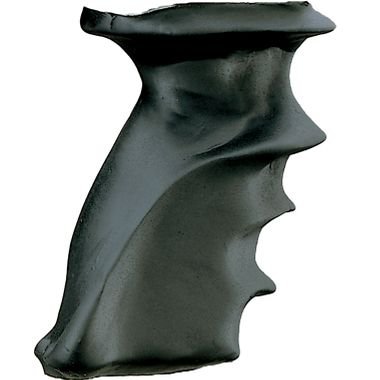
FORM-A-GRIP
FORM-A-GRIP Bow Grip Kit By Cir-Cut Archery…
- Customize You Bow Grip To Your Shooting Style
- ALSO GREAT FOR : FISHING RODS - HANDGUN GRIPS - GUN STOCKS
- Special 2 Part Moldable Epoxy Plastic
As an Amazon Associate I earn from qualifying purchases.
Hello there! I’m Salman Arfeen, and I’m thrilled you’re exploring the amazing world of archery. It is easy to feel overwhelmed when you first look at all the bows available—they look so different! You might wonder, “Which one is right for me?” That confusion is totally normal, but don’t worry.
Understanding the different forms of archery doesn’t have to be complicated. Each type offers a unique experience, whether you seek the precision of modern gear or the satisfying simplicity of classical bows. We will walk through the main styles step-by-step, keeping things simple and fun.
By the end of this guide, you will know exactly which direction you want to point your practice arrow. Ready to find your perfect bow? Let’s dive into the exciting world of different archery styles!
Understanding the Core: What Makes Archery Forms Different?
At its heart, aiming a bow remains the same: draw the string, aim, and release. However, the equipment used drastically changes the effort needed, the speed of the arrow, and the style of shooting required. These differences place the bows into distinct categories. For beginners, these categories are usually grouped by the bow’s design and complexity.
We focus on three main families today. Think of an archery family tree:
- Modern Bows: These use advanced materials and technology. They include Recurve and Compound bows.
- Traditional Bows: These are built like their historical counterparts, focusing on simplicity and the archer’s pure skill.
Let’s look closely at each player on the field.
Form 1: The Olympic Standard – Recurve Bows
The recurve bow is perhaps the most recognized style globally. If you have watched the Summer Olympics, you have seen the recurve in action. It gets its name from the ends of the limbs (the top and bottom parts of the bow) that curve away from the archer when unstrung.
This shape is not just for looks; it gives the bow extra power without increasing the draw weight too much. It is often the recommended starting point for beginners because it teaches fundamental shooting mechanics perfectly.
Why Choose a Recurve Bow? (Pros and Cons)
Recurves are wonderful tools for building solid form. They require you to use your back muscles consistently because they don’t use mechanical aids.
- Pros: Excellent for learning proper form, relatively simple maintenance, allowed in the Olympics, and very versatile (can be shot bare or with sights).
- Cons: Arrows often fly slower than modern compound bows, requires more physical strength to hold steady at full draw.
Recurve Sub-Styles: Barebow vs. Olympic Style
Even within the recurve family, you’ll find variations based on what accessories are allowed:
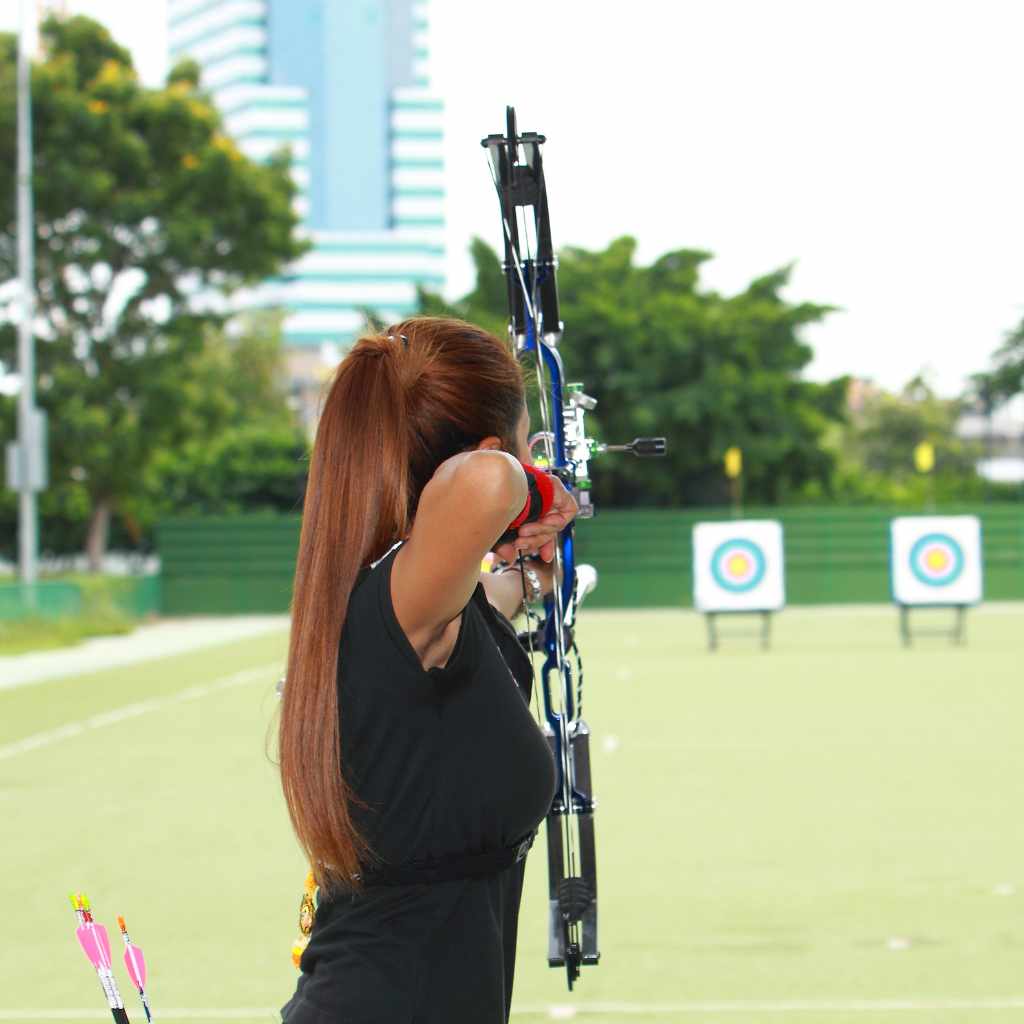
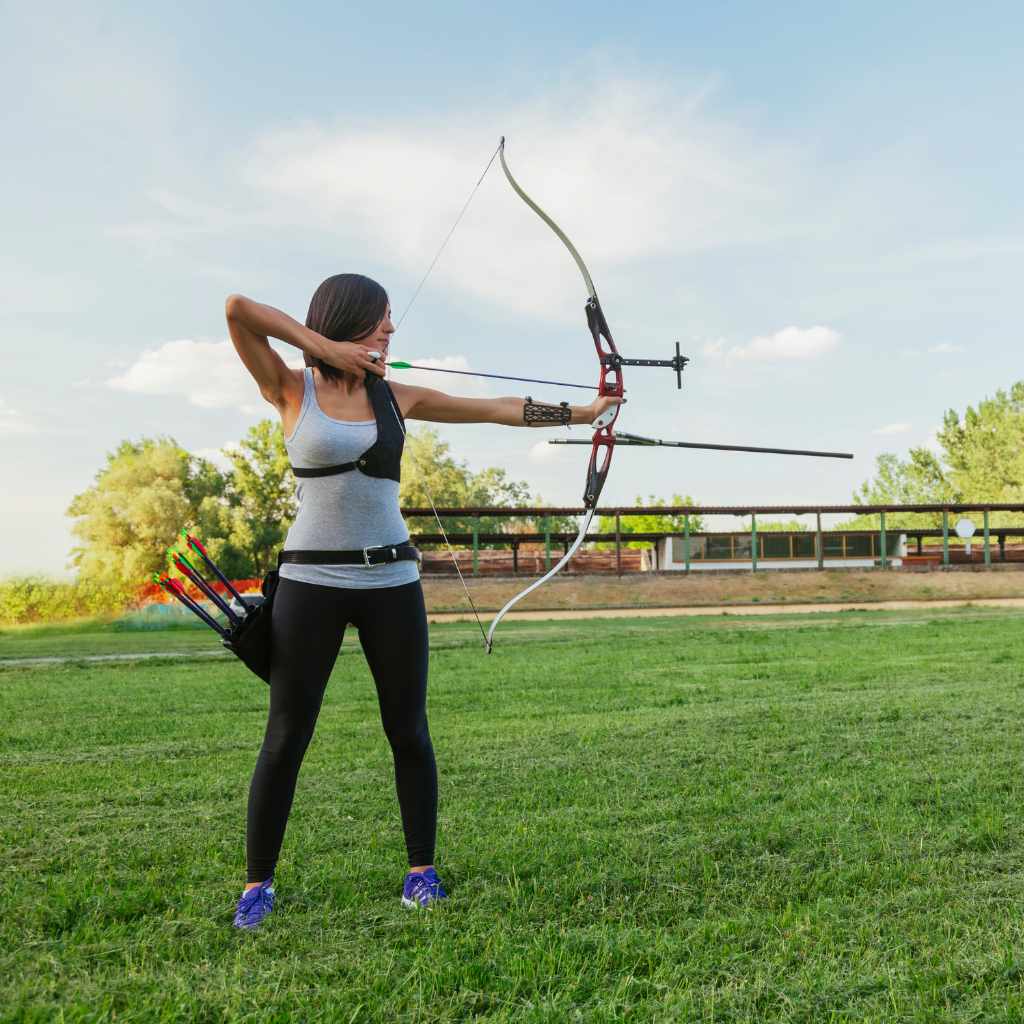
- Olympic Recurve (Freestyle): This is the fully equipped version. It uses a sight, stabilizers (rods to keep the bow steady), and sometimes a button/plunger to help the arrow fly straight. It demands the highest level of precision technique.
- Barebow Recurve: This style strips the bow down. No mechanical sights are allowed. Archers often use ‘gap shooting’ or ‘point-on’ methods. It requires incredible instinctive feel and practice. This is a growing discipline in many local clubs.
For a beginner interested in outdoor or field archery, starting without sights (barebow) is a fantastic, challenging, and rewarding path. If competitive shooting is your goal, you will likely start with a takedown recurve (where the limbs detach from the riser, or handle) as it is easy to transport and adjust draw weights as you get stronger.
Form 2: The Modern Marvel – Compound Bows
The compound bow is the powerhouse of modern archery. Introduced relatively recently compared to the longbow, it uses a system of cables and eccentric wheels, or cams, at the ends of the limbs. This system changes how the bow feels when you pull it back.
The key feature of a compound bow is the “let-off.” This means that once you pull the string all the way back (full draw), the cams mechanically reduce the holding weight significantly. If a bow has an 80% let-off, a 70-pound pull bow only requires 14 pounds of force to hold steady while you aim!
The Power of the Cam System
The cable and cam system makes the compound bow very fast and very easy to hold steady. This is why they are incredibly popular for hunting and target shooting where speed and accuracy at long distances matter most.
- Draw Cycle: Starts heavy, gets slightly lighter as you reach peak draw, and then significantly easier to hold due to the let-off.
- Speed: Generally shoots arrows much faster than a recurve or longbow of the same physical holding weight.
- Accuracy: Often easier for beginners to achieve consistency because holding steady at full draw is less taxing.
Compound Bow Advantages
Compound bows are equipped with many accessories standardly:
- Peephole Sights: Offer bright pins for precise aiming at different distances.
- Quivers: Attached directly to the bow for easy access.
- Arrow Rests: Sophisticated mechanisms hold the arrow perfectly steady before release.
- Release Aids: Most compound shooters use a mechanical release trigger rather than shooting off their fingers.
While immensely accurate, the reliance on cams and multiple components means maintenance can be slightly more complex than a simple wooden stick! If you are interested in hunting large game, the speed and holding ease of the compound often make it the preferred tool, especially in the United States (always check local hunting regulations, like those maintained by state wildlife agencies, before making equipment choices for hunting).
Form 3: The Historical Pure Shot – Traditional Archery (Longbow & Horsebow)
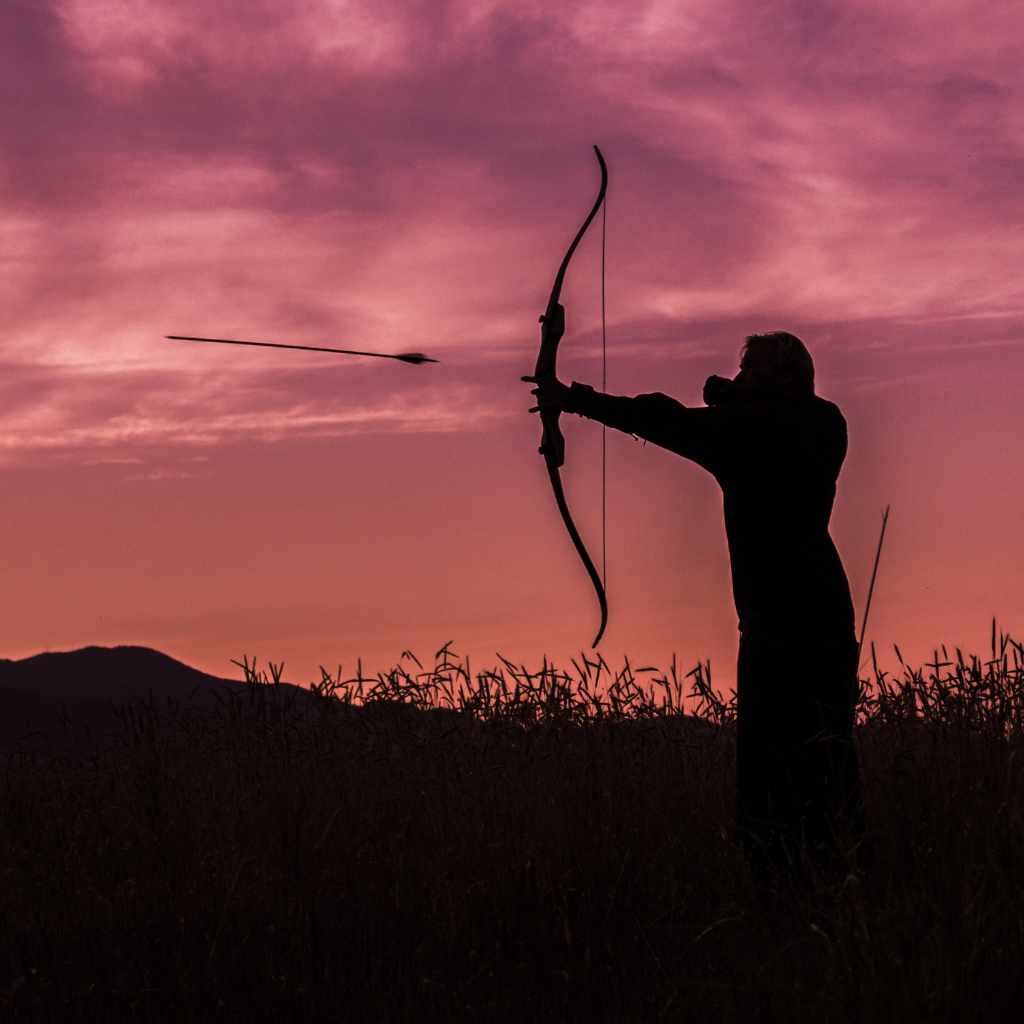
Traditional archery strips everything back to the basics. This is archery in its purest, most historical form. When you hear “Robin Hood shooting an arrow,” this is often the style they had in mind.
Traditional bows are characterized by their lack of mechanical aids. They do not have sights, advanced rests, or systems to reduce holding weight.
The English Longbow
The longbow is legendary. It is typically a single piece of wood (often Yew or Osage Orange, though modern versions use fiberglass or laminates) that is taller than the archer.
Shooting a longbow requires immense dedication to form. Because there are no sights, you must learn to instinctively place the arrow on the target. The draw weight for a competent archer can be very high (60 lbs or more), demanding significant upper body strength and precise form stabilization.
The Challenges of Traditional Shooting
This form is often the hardest for modern beginners because you develop muscle memory without any technological assistance.
| Feature | Impact on Beginner |
|---|---|
| No Sights | Requires extensive practice to “feel” the distance. |
| No Let-Off | Full draw weight must be held steady while aiming. |
| String Contact | Archers must learn proper finger protection (using hardened leather tabs or shooting gloves). |
Horsebows (Instinctive Shooting)
Sometimes grouped with traditional, horsebows (or Asiatic bows) are designed for speed and maneuverability, often being shorter than longbows. They are sometimes recurved (though not in the same way as a modern Olympic recurve) to maximize power from a short stature. These are designed primarily for shooting while mounted on horseback, emphasizing quick instinctive aiming.
If your primary goal is feeling connected to centuries of history or developing supreme instinctive aiming skills, traditional archery is your path. But be patient; your progress curve here will likely be slower than with a sight-equipped bow, but the sense of accomplishment is huge!
Equipment Breakdown: Key Differences at a Glance
To make it crystal clear, let’s summarize the machinery behind each style. This table helps in choosing your first purchase.
| Feature | Recurve Bow | Compound Bow | Traditional Longbow |
|---|---|---|---|
| Mechanism | Simple limbs curl away from the archer. | Cams and cables create a mechanical advantage (let-off). | Simple, single piece of wood or laminate. |
| Number of Parts | Low (Riser, Limbs, String). | High (Riser, Cams, Cables, Wheels, multiple accessories). | Very Low (One piece + String). |
| Holding Weight | Increases constantly as you draw. | Drops significantly at full draw (let-off). | Increases constantly as you draw. |
| Sights Allowed | Yes (Olympic) or No (Barebow). | Yes (Standard, highly adjustable). | No (Instinctive only). |
| Primary Use | Olympics, Field Archery, General Target Practice. | Hunting, 3D Target Shooting, Competition. | Historical Reenactment, Pure Instinctive Shooting. |
Choosing Your Archery Form: A Beginner’s Decision Tree
Making the jump from reading about these bows to actually choosing one can feel monumental. Here is a straightforward way to think about your goals right now. Ask yourself these simple questions:
Step 1: What is my primary goal?
- Goal A: I want to shoot in the Olympics or aim for the highest modern precision. -> You should start with a Takedown Recurve Bow.
- Goal B: I want to use the fastest, most technologically advanced bow, possibly for hunting or extreme distance shooting. -> You should start with a Compound Bow.
- Goal C: I want the purest challenge, connecting with history, and learning aiming without technology. -> You should start with a Barebow Recurve or a simple Longbow.
Step 2: What is my physical condition and patience level?
Be honest about your strength. Starting with a bow that is too heavy will build bad habits and cause injury. A general rule for beginners is to select a draw weight where you can comfortably hold the bow at full draw, aim for 10 seconds, and release cleanly, without shaking.
Many reputable sources suggest starting weights around 18–25 lbs for adult beginners, regardless of the style!
If you have less initial patience for slow progress, the Compound or sighted Recurve will offer faster initial results because the aiming mechanism is more forgiving. If you have the patience for slow, deliberate form correction, Traditional is a joy.
Step 3: Where can I practice locally?
This is crucial! Look up local archery clubs or ranges. What bows do they teach with? Most quality beginner courses use takedown Recurve bows because they are safe, easy to teach fundamental form, and allow instructors to swap out limbs easily as you grow stronger.
If 90% of the local community shoots compound, joining up will be easier if you start there, but if you plan intense coaching, follow what the coach recommends.
If you are interested in advanced safety and range management training, organizations often provide excellent resources. For instance, the National Archery in the Schools Program (NASP) often focuses heavily on modified recurve styles for student safety and quick learning.
Getting Started Safely: Form is More Important Than Form (Style)
No matter which of the three forms you choose, safety and good form are non-negotiable. A poorly executed shot from a $3000 compound bow is still less effective—and far more dangerous—than a well-executed shot from a $100 recurve.
Universal Archery Safety Rules
These apply to every single form of archery:
- Never “Dry Fire”: Do not draw and release the string without an arrow loaded. This releases massive, uncontrolled energy into the bow structure, which can cause the bow to violently break, potentially sending shards toward your face or hand.
- Check Your Equipment: Before every session, look for nicks, cracks, or fraying strings, especially on your limbs and cables.
- Know Your Backstop: Always ensure your target has a safe backstop (like a proper archery curtain or thick foam butt) that can stop the arrow even if you miss the target completely. Never shoot towards a road, houses, or busy areas.
- Maintain Line of Sight: When shooting with others, never cross the shooting line in front of someone who is drawing their bow or has nocked an arrow.
Building the Foundation: The Universal Stance
Before focusing on sights or cams, focus on your body. All high-level archery relies on a stable, balanced foundation:
- Stance: Feet should be shoulder-width apart, perpendicular (at a 90-degree angle) to the target line. A square-to-the-target stance is the safest starting point.
- Grip: Hold the bow grip lightly. You want to avoid “torquing” (twisting) the bow upon release, which throws the arrow left or right. The pressure should be mainly on the fleshy part of the hand below the thumb.
- Anchor Point: This must be consistent. It is the point where the drawing hand consistently touches the face (e.g., the corner of your mouth, under your jawbone). Every shot must touch this exact spot.
Deep Dive: Advanced Considerations for Each Discipline
Once you master the basics, you might find yourself drifting toward specialization. Here are things to keep in mind as you progress within your chosen form.
Recurve Advancement
For Olympic Recurve, the focus shifts heavily to specialized equipment tuning. You will learn about tiller height, brace height, and arrow spine selection. You use sophisticated stabilizers to minimize any movement while holding. Consistency comes from microscopic tuning of the bow setup to match your specific draw length and style.
Many archers seeking precision find themselves exploring techniques like “thumb ring shooting” (a traditional Asian technique modified for modern recurves) or developing extremely precise string alignment for instinctive/barebow shooting.
Compound Specialization
In the compound world, tuning involves synchronizing the cams perfectly so that they “roll over” smoothly together, ensuring the cables don’t cause the arrow to steer sideways. You might spend hours adjusting the draw length cam modules and timing cables. The use of a mechanical release aid becomes critical here, requiring a different kind of controlled trigger squeeze or thumb press to avoid jerking the shot.
If you pursue competitive 3D archery (shooting at foam animal targets at varying distances), the speed of the compound allows for successful shots even with minor aiming errors, but this speed also magnifies tiny flaws in your release technique.
Traditional Mastery
Mastering the longbow is a journey into self-reliance. Because you rely only on your eye and body, success hinges on anchor consistency and back tension release. Many traditional archers find themselves drawn to specialized fields like historical reenactment or even primitive archery, where they craft their own arrows and bowstrings (a fascinating, albeit detailed, hobby!).
If you stick with the longbow, you must be vigilant about strengthening your core and back muscles to manage higher draw weights safely over long practice sessions.
Frequently Asked Questions (FAQ) for New Archers
Q1: Which form of archery is easiest for absolute beginners?
A: The Takedown Recurve Bow is generally easiest to learn on. It is simple, you shoot off your fingers (building better feel), and most clubs already have the right gear ready for instruction.
Q2: Do I have to use a mechanical release aid with a compound bow?
A: While you can shoot a compound bow using three fingers (like a recurve), most competitive and hunting shooters use a mechanical release aid. Shooting a stiff compound string using bare fingers can often cause significant finger pain.
Related pick: Check today's price on Amazon