Difference Between Aim and Objective (Plus Strategy)
An aim is your broad, long-term purpose, the why behind a project with no fixed deadline; an objective is a specific, measurable target with a timeline that moves you toward that aim; a strategy is the plan for hitting those objectives. Treating a vague aim as if it were a measurable objective is why so many goal-setting exercises stall out. This guide breaks down all three terms with real examples and shows how they work together.
What Is an Aim?
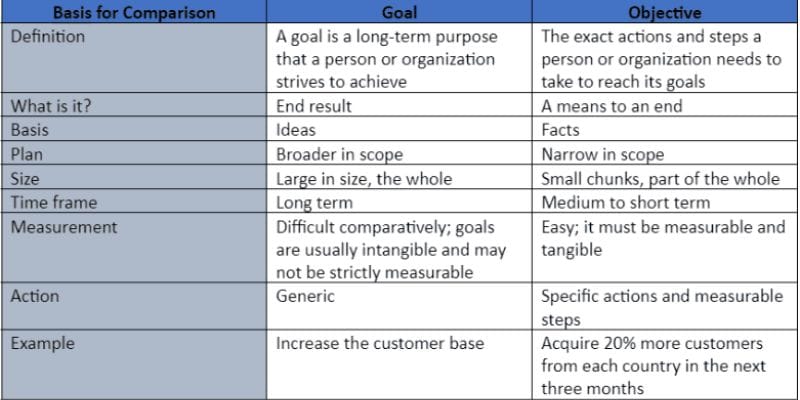
Let’s start with aim. When I think about an aim, I picture a big, inspiring idea that gives direction. It’s like the North Star for your goals. An aim is your overarching purpose or the “why” behind what you’re doing. It’s broad, a bit dreamy, and doesn’t get bogged down in specifics.
For example, when I started my Bow Advice blog, my aim was to help people make better decisions about archery gear. It wasn’t about hitting a certain number of readers or selling a specific product—it was about inspiring and guiding others. An aim is long-term and doesn’t usually have a deadline. It’s the vision that keeps you motivated.
Think of it like this: if you’re planning a road trip, your aim might be to explore new places and make memories. It’s not about the exact route or how many miles you’ll drive—it’s the big picture. A good aim answers the question, “What do I ultimately want to achieve?”
Here’s why aims matter:
- They give you a sense of purpose.
- They guide your decisions when things get tough.
- They keep you focused on the bigger picture.
But an aim alone isn’t enough. It’s too broad to act on directly, which is where objectives come in.
What Is an Objective?
Now, let’s talk about objectives. If an aim is the big dream, an objective is the stepping stone to get there. I like to think of objectives as specific, measurable goals that make your aim feel more real. They’re clear, focused, and usually have a timeline.
When I was building my blog, my aim was to help archers, but my objectives were things like “publish 10 high-quality posts in three months” or “grow my email list by 500 subscribers in six months.” These were concrete targets I could track and work toward.
Objectives are all about breaking your aim into bite-sized pieces. They answer the question, “What do I need to do to make my aim happen?” They’re specific, time-bound, and measurable, so you know when you’ve achieved them.
Here’s a quick way to spot an objective:
- It’s specific (e.g., “Increase website traffic by 20%”).
- It’s measurable (you can track progress).
- It has a deadline (e.g., “by the end of the year”).
For example, if your aim is to live a healthier life, an objective might be to “lose 10 pounds in three months” or “run a 5K in under 30 minutes by June.” These give you something clear to aim for (pun intended!).
What Is a Strategy?
Okay, now let’s get to strategy. This is where the rubber meets the road. A strategy is the plan you create to achieve your objectives and, ultimately, your aim. It’s the “how” of your plan. When I think about strategy, I imagine a roadmap that shows me the best way to get from point A to point B.
For my blog, one of my objectives was to grow my email list. My strategy was to create a free downloadable guide about choosing the right bow and promote it through social media and guest posts. That was the plan I put into action to hit my target.
A strategy is broader than a tactic (we’ll touch on that later) but more focused than an aim. It’s about choosing the right approach to make your objectives happen. For example, if your objective is to lose 10 pounds, your strategy might be to follow a low-carb diet and exercise three times a week. It’s the big-picture plan that guides your actions.
Here’s what makes a strategy stand out:
- It’s a thoughtful approach to achieving your objectives.
- It involves making choices about what to do (and what not to do).
- It’s flexible enough to adapt if things change.
How Do Aim, Objective, and Strategy Work Together?
Now that we’ve covered aim, objective, and strategy, let’s see how they fit together. I like to think of them as a team working toward the same goal. Your aim sets the direction, your objectives break it into manageable steps, and your strategy is the plan to make those steps happen.
Imagine you’re starting a small business selling handmade bows. Here’s how it might look:
- Aim: Build a thriving business that promotes archery and craftsmanship.
- Objective: Sell 100 bows in the first six months.
- Strategy: Launch an online store, run targeted ads on social media, and partner with local archery clubs.
Each piece builds on the others. Without an aim, your business might lack purpose. Without objectives, you wouldn’t know if you’re making progress. And without a strategy, you’d be stuck wondering how to get there.
To make this clearer, here’s a table comparing the three:
| Aspect | Aim | Objective | Strategy |
|---|---|---|---|
| Definition | The big-picture purpose or vision. | Specific, measurable goals. | The plan to achieve objectives. |
| Scope | Broad and long-term. | Specific and short- to medium-term. | Focused but flexible. |
| Example | Inspire people to love archery. | Gain 500 blog readers in 3 months. | Write SEO-optimized posts and share on social media. |
| Question It Answers | Why am I doing this? | What do I need to achieve? | How will I achieve it? |
| Timeframe | Long-term, often indefinite. | Short- to medium-term, time-bound. | Varies, but tied to objectives. |
This table helped me a lot when I was first figuring out these terms. It’s a quick way to see how they’re different but connected.
Why Understanding These Terms Matters
You might be wondering, “Why does this matter?” I get it—these words can feel like business jargon. But trust me, understanding the difference between aim, objective, and strategy can change how you approach your goals. When I started using these concepts in my blog planning, I went from feeling overwhelmed to having a clear roadmap.
Here’s why it’s worth your time:
- Clarity: Knowing your aim keeps you focused on what matters most.
- Progress: Setting objectives lets you track your success and stay motivated.
- Efficiency: A good strategy saves you time and energy by focusing on what works.
For example, when I was planning my blog’s growth, I realized I was jumping straight to tactics (like posting on social media) without a clear strategy. Once I defined my objectives and created a strategy, everything clicked. My efforts were more focused, and I saw better results.
The Role of Tactics in This Mix
I mentioned tactics earlier, and I want to touch on them briefly because they’re related to strategy. If a strategy is the big plan, tactics are the specific actions you take to make it happen. They’re the day-to-day steps.
For instance, if my strategy for growing my blog was to use social media, my tactics might include posting three times a week on Instagram or joining archery-related Facebook groups. Tactics are smaller, more immediate, and directly tied to your strategy.
Here’s a quick way to think about it:
- Strategy: Run a social media campaign to grow my blog.
- Tactics: Post a blog link on Twitter every Monday, share a video on Instagram, and comment on five archery forums.
Tactics are important, but they only work if they’re guided by a solid strategy that supports your objectives.
Common Mistakes to Avoid
When I first started learning about aims, objectives, and strategies, I made some mistakes. I want to share them so you can avoid them too.
- Confusing Aims and Objectives: I used to think my aim was to “get 1,000 blog readers.” But that’s an objective because it’s specific and measurable. My real aim was to inspire archers, which is broader.
- Skipping Strategy: I’d jump straight from objectives to tactics, like posting randomly on social media without a plan. A strategy would’ve helped me focus my efforts.
- Setting Vague Objectives: Early on, I’d set objectives like “grow my blog.” That’s too vague! Objectives need to be clear, like “publish 10 posts in a month.”
- Ignoring Flexibility: Sometimes, my strategy didn’t work as planned. I learned to tweak it instead of sticking to something that wasn’t working.
By keeping these in mind, you can set yourself up for success.
How to Apply This to Your Life
Now, let’s get practical. How can you use aim, objective, and strategy in your own life? Whether you’re planning a career move, a personal project, or even a hobby like archery, these concepts can help.
Here’s a step-by-step approach I use:
- Define Your Aim: Ask yourself, “What’s my big purpose?” Write it down in a sentence. For example, “I want to live a more active lifestyle.”
- Set Clear Objectives: Break your aim into specific goals. For example, “Run a 5K in six months” or “Go to the gym three times a week.”
- Create a Strategy: Decide how you’ll achieve those objectives. For example, “Join a running group and follow a training plan.”
- List Your Tactics: Write down the daily or weekly actions, like “Run 2 miles every Tuesday” or “Sign up for a local 5K race.”
When I applied this to my blog, it was a game-changer. I went from feeling scattered to having a clear plan that helped me grow my audience.
Real-Life Examples to Inspire You
Let me share a couple of examples to show how this works in different situations.
Example 1: Starting a Business
- Aim: Create a successful online store selling archery gear.
- Objective: Generate $10,000 in sales in the first year.
- Strategy: Build an e-commerce website and market through social media and archery events.
- Tactics: Post product photos on Instagram, attend local archery competitions, and offer a 10% discount for first-time buyers.
Example 2: Personal Fitness
- Aim: Feel stronger and more confident.
- Objective: Lift weights three times a week for three months.
- Strategy: Join a gym and follow a beginner’s strength-training program.
- Tactics: Schedule workouts on Monday, Wednesday, and Friday, and track progress in a journal.
These examples show how aim, objective, and strategy can work for any goal, big or small.
Wrapping It All Up
I hope you’re feeling clearer about the difference between aim, objective, and strategy. When I first dug into these terms, I realized they’re like a roadmap for success. Your aim is the destination, your objectives are the milestones, and your strategy is the route you take. Together, they help you turn big dreams into reality.
Whether you’re planning a business, a personal project, or just trying to improve your life, these concepts can guide you. Take a moment to think about your own aim. Then, break it into objectives and craft a strategy to make it happen. It’s not about being perfect—it’s about taking small steps toward something meaningful.
So, grab a notebook, jot down your aim, and start planning. You’ve got this! If you ever feel stuck, come back to this guide or drop a comment on my blog. I’m here to help you succeed.

FAQs
What’s the main difference between an aim and an objective?
An aim is your big-picture purpose, like wanting to inspire others. It’s broad and doesn’t have a deadline. An objective is a specific, measurable goal, like “reach 1,000 followers in six months.” It’s a step toward your aim.
Can a strategy change over time?
Yes, absolutely. A strategy is a plan, but it’s not set in stone. If something isn’t working, you can tweak it. For example, if social media ads aren’t driving traffic, you might switch to blogging or partnerships.
How do tactics differ from strategies?
A strategy is the overall plan to achieve your objective, like “use social media to grow my brand.” Tactics are the specific actions, like “post on Instagram three times a week.” Tactics are the small steps that make your strategy work.
Why is it important to have clear objectives?
Clear objectives help you measure progress and stay motivated. Without them, your aim might feel too big to tackle. For example, “get healthier” is vague, but “walk 10,000 steps daily” gives you something to track.
Can I have multiple aims at once?
Yes, but it’s best to focus on one or two aims to avoid feeling overwhelmed. Each aim can have multiple objectives and strategies. For example, you might aim to grow a business and improve your fitness, with separate plans for each.