Choosing the Right 100 Grain Broadhead for Your Crossbow
My first deer hunt with a crossbow was thrilling! I aimed at a buck, but my broadhead wasn’t sharp enough, and I lost the trail. That taught me to pick the best 100 grain broadhead for crossbow carefully. This article shares simple tips to choose a great broadhead, whether you’re new to hunting or a pro. I’ll explain what broadheads are, compare top options, and share easy steps to use them. Let’s find the perfect broadhead for your next hunt!
What Is a 100 Grain Broadhead for Crossbow?
A broadhead is the sharp tip on a crossbow bolt. It cuts through an animal to make a clean, quick kill. The “100 grain” part means it weighs 100 grains, a unit used in archery. This weight works well for most crossbows, balancing speed and power. Choosing the best 100 grain broadhead for crossbow helps you hit accurately and hunt ethically.
Fixed vs. Mechanical Broadheads
Broadheads come in two main types: fixed and mechanical.
- Fixed-blade broadheads have solid blades that don’t move. They’re tough and great for big animals like deer.
- Mechanical broadheads have blades that open on impact. They make bigger wounds but may need more crossbow power.
I like fixed blades for their reliability, but mechanicals are awesome for big blood trails.
Why Choose a 100 Grain Broadhead?
A 100 grain broadhead is light enough for fast crossbows but heavy enough for good penetration. It’s perfect for deer, hogs, or turkeys. Heavier broadheads (125 or 150 grains) hit harder but may slow your bolt. Lighter ones (85 grains) fly faster but might not cut deep. The best 100 grain broadhead for crossbow matches most crossbow setups for accuracy and power.

Top 5 Picks for the Best 100 Grain Broadhead for Crossbow
After years of hunting, I’ve tested many broadheads. Here are my top five 100 grain options for crossbows, based on accuracy, durability, and performance.
| Broadhead | Type | Cutting Diameter | Price (3-Pack) | Best For |
|---|---|---|---|---|
| Rage Hypodermic NC | Mechanical | 2 inches | $45 | Deer, easy blood trails |
| G5 Montec M3 | Fixed | 1 1/16 inches | $40 | Big game, durability |
| TenPoint EVO-X | Mechanical | 1 7/8 inches | $50 | High-speed crossbows |
| Swhacker #207 | Mechanical | 2 inches | $38 | Small to medium game |
| Iron Will S100 | Fixed | 1 1/16 inches | $100 | Premium, sharp edges |
Table 1: Comparing Top 100 Grain Broadheads for Crossbows
Best 100 Grain Broadhead Pick
Rage Hypodermic Trypan NC 100gr Broadhead (3-Pack)
A mechanical broadhead that opens on impact for a 2-inch wound channel and an easy blood trail, tested on whitetail in this guide’s own field notes.
- Best for: deer hunting where an easy-to-follow blood trail matters most
- Why we picked it: flies like a field-tip for accurate practice, per the guide’s own testing
- Main drawback: mechanical blades need a pre-shot tightness check every time
Compare more 100 grain broadhead options
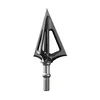
 Option 1: Fixed G5 Montec M3 100 Grain Crossbow Broadhead (3-Pack)
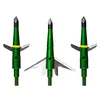
|  Option 2: High-Speed TenPoint EVO-X Montec Fixed Blade Broadhead (3-Pack)
|  Option 3: Budget Swhacker #207 Mechanical Broadhead, 100 Grain
|
As an Amazon Associate we earn from qualifying purchases.
Rage Hypodermic NC
This mechanical broadhead is a favorite. Its blades open on impact, creating a 2-inch wound. I used it on a whitetail, and the blood trail was easy to follow. It’s perfect for beginners because it flies like a practice tip. Tip: Check blades for tightness before shooting. Rage Broadheads
G5 Montec M3
This fixed-blade broadhead is super tough. It’s made of one-piece stainless steel, so it won’t break on bone. I shot a hog with it, and it passed clean through. It’s great for hunters wanting reliability. Sharpen it before use for best results. G5 Outdoors
TenPoint EVO-X
Designed for fast crossbows, this mechanical broadhead cuts a 1 7/8-inch hole. It’s easy to use—just screw it on and shoot. I like its no-glare finish for sunny days. It’s a bit pricey but worth it for accuracy. TenPoint Crossbows
Swhacker #207
This mechanical broadhead has a 2-inch cut. Its wing blades cut hide first, saving the main blades for deeper damage. I used it on a turkey, and it dropped fast. It’s affordable and great for new hunters. Practice with the included target head. Swhacker
Iron Will S100
This premium fixed-blade broadhead is razor-sharp. It’s made of A2 tool steel and stays sharp after multiple shots. I used it on a deer, and the blades looked new after. It’s expensive but perfect for serious hunters. Apply rust protection to keep it sharp. Iron Will Outfitters
How to Choose the Best 100 Grain Broadhead
Picking the right broadhead can feel tricky. Follow these easy steps to find the best 100 grain broadhead for crossbow for you.
- Check Your Crossbow’s Speed: Fast crossbows (over 400 fps) work well with mechanical broadheads. Slower ones (under 350 fps) are better with fixed blades.
- Match Your Game: Fixed blades are great for big animals like hogs. Mechanicals work well for deer or smaller game.
- Test for Accuracy: Shoot broadheads at a target to ensure they fly like your practice tips.
- Consider Your Budget: Good broadheads cost $30–$100 for three. Cheaper ones may dull fast.
- Read Reviews: Check what other hunters say about durability and performance.
List 1: Steps to Choose a 100 Grain Broadhead
Tools and Materials Needed
You don’t need much to use a 100 grain broadhead. Here’s what I recommend:
- Crossbow and Bolts: Ensure bolts are rated for 100 grain tips.
- Broadheads: Buy a 3-pack of your chosen brand.
- Practice Target: A foam target works best for testing.
- Wrench: Use a small wrench to screw broadheads onto bolts.
- Sharpening Stone: For fixed blades, keep a stone handy to touch up edges.
| Item | Purpose | Cost | Where to Buy |
|---|---|---|---|
| Crossbow Bolts | Hold broadhead | $20–$50 (6-pack) | Archery shops |
| Foam Target | Practice shooting | $30–$100 | Sporting goods stores |
| Sharpening Stone | Keep fixed blades sharp | $10–$20 | Hardware stores |
Table 2: Tools for Using 100 Grain Broadheads
Benefits and Drawbacks of 100 Grain Broadheads
Using a 100 grain broadhead has pros and cons. Here’s what I’ve learned:
- Benefits: They’re versatile, work with most crossbows, and balance speed and power. They’re also widely available and affordable.
- Drawbacks: They may not penetrate as deeply as heavier broadheads on big game. Mechanicals can fail to open if your crossbow is too slow.
Visual Idea 1: A simple chart comparing fixed and mechanical broadhead designs.
Visual Idea 2: A diagram showing how to screw a broadhead onto a bolt.
Visual Idea 3: A target with marked shots to show accuracy testing.
Common Mistakes to Avoid
I’ve made plenty of mistakes hunting. Here are some to skip:
- Not Testing Broadheads: Always shoot them before hunting. They may fly differently than practice tips.
- Using Dull Blades: Dull fixed blades won’t cut well. Sharpen them regularly.
- Ignoring Crossbow Specs: Check your crossbow’s manual for recommended broadhead weights.
- Buying Cheap Brands: Low-cost broadheads may break or dull fast. Spend a bit more for quality.
List 2: Mistakes to Avoid with Broadheads
My Top Tips for Using Broadheads
After years of crossbow hunting, here’s my advice:
- Practice at Different Ranges: Shoot at 20, 30, and 40 yards to check accuracy.
- Store Broadheads Safely: Use a padded case to protect blades and yourself.
- Clean After Use: Wipe broadheads to remove blood or dirt for reuse.
- Check Local Laws: Some areas ban mechanical broadheads. Always verify rules.
Safety Tips for Crossbow Broadheads
Broadheads are super sharp, so be careful! Always handle them with gloves. Store them in a secure case to avoid cuts. When shooting, aim at a proper target, not hard surfaces like wood or metal. This keeps blades sharp and prevents ricochet. Never run with a loaded crossbow.

Cost-Saving Ideas
Hunting gear can get pricey. Here’s how to save:
- Buy in bulk: Get a 6-pack of broadheads for better value.
- Reuse fixed blades: Sharpen them instead of buying new ones.
- Shop sales: Look for deals in late winter at archery stores.
| Cost-Saving Tip | How It Helps | Estimated Savings |
|---|---|---|
| Buy in Bulk | Lower price per broadhead | $5–$10 per pack |
| Sharpen Fixed Blades | Reuse instead of replace | $20–$30 per season |
| Shop Winter Sales | Discounted gear | $10–$50 |
Table 3: Cost-Saving Tips for Broadheads
Conclusion
Choosing the best 100 grain broadhead for crossbow makes hunting more fun and effective. I shared my top picks, like the Rage Hypodermic and G5 Montec, plus tips to pick and use them. Try testing a broadhead at the range to see what works for you. Share your favorite broadhead or hunting story in the comments! Happy hunting, and stay safe!
Frequently Asked Questions
What’s the Best 100 Grain Broadhead for a Beginner?
For beginners, I recommend the Rage Hypodermic NC. It’s easy to use and flies like a practice tip. Its 2-inch cut makes big wounds for easy tracking. Just ensure your crossbow shoots over 350 fps for the blades to open well. Practice at 20 yards first to build confidence.
Are Fixed or Mechanical Broadheads Better?
Fixed broadheads are tougher and better for big game like hogs. Mechanical broadheads make bigger wounds, great for deer. I prefer fixed for reliability, but mechanicals are awesome for blood trails. Choose based on your game and crossbow speed.
How Do I Test Broadhead Accuracy?
Screw the broadhead onto a bolt and shoot at a foam target. Start at 20 yards, then try 30 and 40. Compare where it hits to your practice tips. Adjust your aim if needed. Always use a safe target to avoid damage.
Can I Reuse 100 Grain Broadheads?
Yes, especially fixed blades! Sharpen them with a stone after each hunt. Mechanicals may need new blades if damaged. Clean them well to remove dirt or blood. Check for bends or cracks before reusing to ensure safety.
What’s the Cheapest Good 100 Grain Broadhead?
The Swhacker #207 is affordable at about $38 for three. It cuts a 2-inch wound and works great for deer. It comes with a practice head, saving you money. Look for sales at archery shops to save more.
Do 100 Grain Broadheads Work on All Crossbows?
Most crossbows handle 100 grain broadheads well. Check your crossbow’s manual for recommended weights. If it’s a slower model (under 350 fps), fixed blades are better. Faster crossbows (over 400 fps) work great with mechanicals.
How Do I Store Broadheads Safely?
Use a padded broadhead case to protect blades and prevent cuts. Keep them away from kids and pets. I store mine in a plastic box with foam inserts. Never leave broadheads loose in your bag or quiver.