Difference Between Bow Rake and Level Rake: Your Guide to Choosing the Right Tool
My first attempt at leveling a garden bed was a mess! I grabbed a flimsy leaf rake, thinking it could handle dirt. Nope! It bent in minutes. That’s when I discovered the difference between bow rake and level rake. These tools are game-changers for gardening and landscaping. In this guide, I’ll break down what each rake does, how to use them, and which one suits your yard. Whether you’re a beginner or a pro, you’ll find simple tips and fun projects to try!
What Are Bow Rakes and Level Rakes?
A bow rake and a level rake sound similar, but they’re built for different jobs. Both are sturdy garden tools with metal tines, unlike flimsy leaf rakes. Let’s dive into what makes each special.
Bow Rake Basics
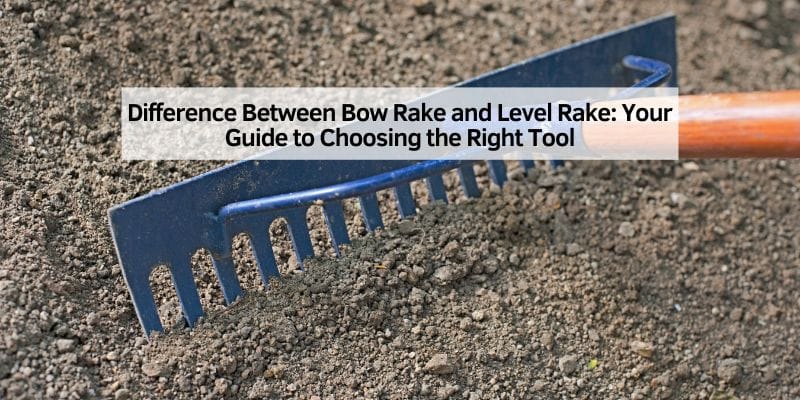
A bow rake has short, strong metal tines (about 3 inches long) attached to a straight head. Curved “bows” connect the head to the handle, giving it springy strength. It’s perfect for tough tasks like breaking up hard soil or spreading mulch.
Level Rake Basics
A level rake, often called a flathead rake, looks similar but has a flat edge opposite the tines. This flat side is great for smoothing surfaces. It’s ideal for leveling soil or spreading gravel evenly.
Why They Matter
Choosing the right rake saves time and effort. A bow rake digs deep, while a level rake smooths things out. Knowing the difference between bow rake and level rake helps you pick the best tool for your project.
Comparing Bow Rake vs. Level Rake
Let’s break down how these rakes stack up. Here’s a simple table to show their key differences:
Table 1: Bow Rake vs. Level Rake Comparison
| Feature | Bow Rake | Level Rake |
|---|---|---|
| Tines | Short, sturdy, curved | Short, sturdy, straight or curved |
| Head Design | Curved bows for strength | Flat edge for smoothing |
| Best For | Breaking soil, spreading mulch | Leveling soil, smoothing surfaces |
| Weight | 1–5 lbs | 1–5 lbs |
| Cost | $20–$40 | $20–$40 |
Caption: This table highlights the main differences to help you choose the right rake for your garden tasks.
Visual Idea
A diagram showing a bow rake’s curved supports vs. a level rake’s flat edge would make their designs crystal clear.
How to Use a Bow Rake: Step-by-Step
Bow rakes are workhorses for tough jobs. Here’s a simple guide to using one for breaking up soil in a flower bed:
- Clear Debris: Use the tines to pull away sticks or rocks.
- Break Soil: Push the tines into hard dirt and pull to loosen clumps.
- Spread Material: Flip the rake to spread mulch or compost evenly.
Tip: Don’t overload the tines with heavy dirt—it’s a rake, not a shovel!
Project Example: Prepping a Flower Bed
Last spring, I used a bow rake to prep a flower bed. I broke up hard soil, removed rocks, and spread compost. It was a breeze! The bow rake’s sturdy tines made quick work of the job.
How to Use a Level Rake: Step-by-Step
Level rakes shine for smoothing surfaces. Here’s how to use one to level a gravel path:
- Spread Material: Use the tines to distribute gravel evenly.
- Smooth Surface: Flip the rake to the flat side and pull to level.
- Check Evenness: Step back to ensure the path looks smooth.
Tip: Work in small sections for a super-flat finish.
Project Example: Leveling a Gravel Path
I leveled a backyard path with a level rake last summer. The flat edge smoothed the gravel perfectly, making it look pro. It was way easier than using a shovel!
Benefits and Drawbacks
Both rakes are awesome, but they have pros and cons. Here’s a quick look:
Table 2: Pros and Cons of Bow and Level Rakes
| Rake Type | Benefits | Drawbacks |
|---|---|---|
| Bow Rake | Great for tough soil, durable, versatile | Can be heavy, not ideal for light tasks |
| Level Rake | Perfect for smoothing, easy to use | Less effective for breaking hard soil |
Caption: This table shows why each rake suits specific tasks, helping you decide which to grab.
Visual Idea
A side-by-side image of a bow rake breaking soil and a level rake smoothing gravel would show their uses clearly.
Tips from My Experience
After years of gardening, I’ve learned a few tricks:
- Check the Handle: Fiberglass handles are light and strong. Wood feels classic but can splinter.
- Clean After Use: Rinse dirt off tines to keep them sharp.
- Start Small: If you’re new, try a small project like leveling a planter box.
Mistake to Avoid: Don’t use a bow rake for leaves—it’ll tear up your grass! I learned that the hard way.
Cost-Saving Ideas
Rakes can be pricey, but you can save money:
- Shop Sales: Look for deals at Home Depot or Lowe’s in spring.
- Buy Quality: A $30 sturdy rake lasts longer than a $10 cheap one.
- Borrow First: Ask a neighbor to try their rake before buying.
Table 3: Where to Find Affordable Rakes
| Store | Average Price | Notes |
|---|---|---|
| Home Depot | $25–$35 | Wide selection, frequent sales |
| Amazon | $20–$40 | Check reviews for quality |
| Local Hardware | $30–$45 | Support small businesses |
Caption: This table lists places to find budget-friendly rakes for your garden.
Safety Tips
Raking is easy, but stay safe:
- Wear Gloves: Protect your hands from blisters or splinters.
- Watch Your Back: Bend at the knees, not your waist, to avoid strain.
- Store Safely: Hang rakes to prevent tripping hazards.
Alternatives to Consider
If neither rake fits your needs, try these:
- Leaf Rake: Lightweight for leaves but weak for soil.
- Landscape Rake: Wider for big areas but less precise.
- Hand Rake: Great for small beds but slow for large tasks.
For more on rake types, check out Gardening Know How or Bob Vila.
Visual Idea
A chart comparing bow, level, and leaf rakes by task would help readers pick the right tool.
Frequently Asked Questions
What’s the Main Difference Between Bow Rake and Level Rake?
A bow rake has curved supports for breaking soil, while a level rake has a flat edge for smoothing surfaces like gravel or dirt.
Can I Use a Bow Rake for Leveling?
Yes, but it’s not the best. The bow rake’s tines dig well, but its curved design isn’t ideal for smoothing. Use a level rake for flat surfaces.
Which Rake Is Better for Beginners?
A level rake is easier for beginners. Its flat edge makes smoothing soil or gravel simple, and it’s less heavy than a bow rake.
Can a Level Rake Break Up Hard Soil?
Not really. A level rake smooths surfaces but struggles with tough soil. Use a bow rake for breaking up hard dirt or clumps.
How Much Do These Rakes Cost?
Both rakes cost $20–$40. Check Amazon or Home Depot for deals. Quality rakes last longer, so avoid super-cheap options.
Are Bow and Level Rakes the Same Thing?
No, they’re different. A bow rake has curved bows for strength, while a level rake has a flat edge for leveling. Both have sturdy tines.
Where Can I Learn More About Gardening Tools?
Visit sites like This Old House for tool guides. Local garden centers also offer great advice.
Wrapping It Up
The difference between bow rake and level rake comes down to their design and use. Bow rakes are tough for breaking soil and spreading mulch, while level rakes excel at smoothing surfaces. Try a fun project like leveling a gravel path or prepping a flower bed to see which works best! Have a favorite rake or a cool garden project? Share it with us! For more tips, explore Family Handyman. Happy raking!