Aluminum vs Carbon Arrows: Weight, Stiffness & Durability
Hey there, fellow archer! If you’re wondering whether to pick aluminum arrows or carbon arrows for your next shot, you’re in the right place. I’ve spent years shooting both types, experimenting in backyards, ranges, and hunting fields across the USA. Choosing the right arrow can make or break your performance, so let’s dive into the nitty-gritty of aluminum vs carbon arrows. I’ll break it down in simple terms, share my experiences, and help you decide what’s best for your bow. Ready? Let’s get started.
Understanding Arrow Materials
When I first got into archery, I didn’t think much about arrow materials. I just grabbed what looked cool at the store. But over time, I learned that the material of your arrow—aluminum or carbon—changes everything. It affects how your arrow flies, how long it lasts, and even how much you spend. Aluminum arrows are made from lightweight metal alloys, while carbon arrows use advanced composite materials. Both have their strengths, but they’re built for different needs. Let’s explore what makes each one tick.
The Case for Aluminum Arrows
I remember my first set of aluminum arrows. They felt solid in my hands, and I loved how they gleamed under the sun. Aluminum arrows have been around for decades, and they’re still a favorite for many archers. Why? They’re reliable, affordable, and versatile.
Aluminum arrows are made from a metal alloy, which gives them a consistent structure. They come in various sizes and thicknesses, so you can find one that matches your bow’s draw weight. I’ve used them for target shooting and small game hunting, and they’ve never let me down. One thing I love is their accuracy. Because they’re manufactured with tight tolerances, aluminum arrows fly straight and true. If you’re a beginner or shooting in a controlled range, this consistency is a big win.
Another plus is their durability. Aluminum arrows can take a beating. I’ve shot them into hard targets and even accidentally hit a tree once (oops!). They might bend, but they rarely break. And if they do bend, you can sometimes straighten them out with the right tools. This makes them forgiving for new archers who are still perfecting their aim.
But they’re not perfect. Aluminum arrows are heavier than carbon ones, which can slow down your shot. If you’re hunting and need speed, they might not be your best bet. Also, they can dent or bend over time, especially if you’re rough with them. Still, for the price, they’re hard to beat.

Why Choose Carbon Arrows?
Now, let’s talk about carbon arrows. When I switched to carbon, it felt like upgrading from a flip phone to a smartphone. These arrows are made from carbon fiber, a lightweight and super-strong material. They’re the go-to for many modern archers, especially hunters and competitive shooters.
The biggest advantage of carbon arrows is their speed. Because they’re lighter than aluminum, they fly faster out of the bow. I noticed this when I took my carbon arrows hunting. The extra speed meant my arrows hit harder and penetrated deeper, which is crucial for taking down game like deer or elk. If you’re into bow hunting, this is a game-changer.
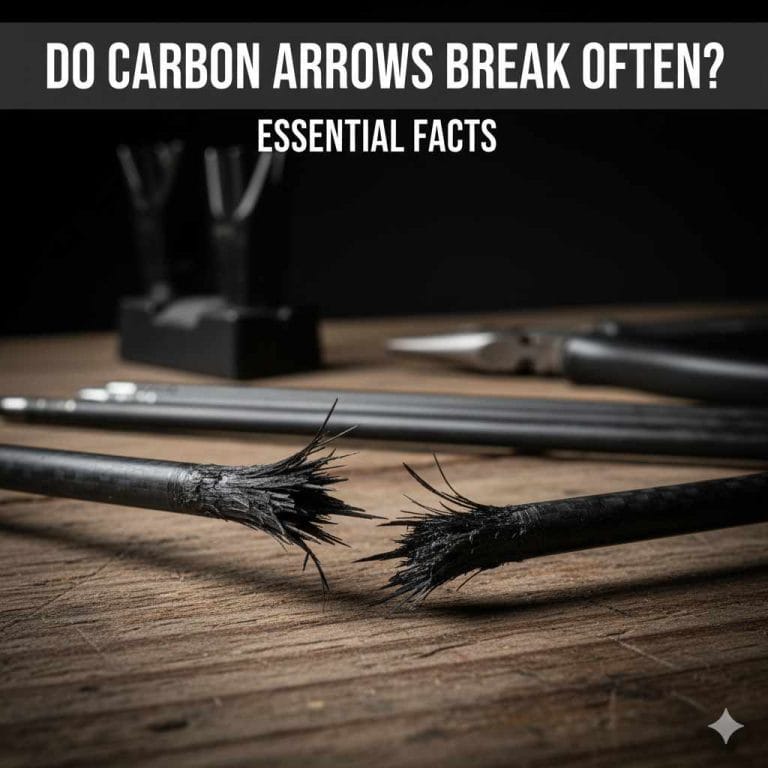
Another thing I love is their durability. Carbon arrows don’t bend like aluminum. They’re designed to withstand high-impact shots. I’ve fired them into tough targets and even rocky ground, and they usually come out fine. Sure, they can crack or splinter if you hit something really hard, but they’re tough as nails for most uses.
Carbon arrows also come in a range of spine ratings, which means you can fine-tune them to your bow’s setup. This flexibility makes them great for both compound and recurve bows. However, they’re pricier than aluminum. If you’re on a tight budget, the cost can sting. Also, you need to inspect them regularly for cracks, as a damaged carbon arrow can be dangerous to shoot.
Comparing Aluminum and Carbon Arrows
To make things easier, let’s put aluminum arrows and carbon arrows side by side. I’ve created a table based on my experiences to show how they stack up.
| Feature | Aluminum Arrows | Carbon Arrows |
|---|---|---|
| Weight | Heavier, can slow down shots | Lighter, faster shots |
| Durability | Can bend but rarely breaks; can be repaired | Very durable, but cracks if overstressed |
| Accuracy | Highly consistent, great for target shooting | Consistent, slightly less forgiving |
| Cost | More affordable, budget-friendly | More expensive, premium option |
| Speed | Slower due to weight | Faster, ideal for hunting |
| Maintenance | Easy to straighten if bent | Needs regular inspection for cracks |
| Best For | Beginners, target shooting | Hunting, competitive archery |
This table sums up what I’ve learned after years of shooting both types. If you’re just starting out or sticking to the range, aluminum arrows are a solid choice. If you’re hunting or competing, carbon arrows might give you the edge you need.
On stiffness specifically: carbon arrows of the same diameter are generally stiffer than aluminum, but aluminum offers more consistent spine across the whole shaft (equal stiffness in every plane, where carbon can flex slightly differently depending on direction). To match a carbon arrow’s spine rating with aluminum, you’d typically need a larger-diameter aluminum shaft, which also adds weight.
Accuracy: Which Arrow Hits the Mark?
When it comes to accuracy, both arrows can perform well, but they shine in different scenarios. Aluminum arrows are known for their precision. Their manufacturing process ensures each arrow is nearly identical, which means consistent flight paths. I’ve used aluminum arrows in local archery competitions, and they helped me hit tight groupings at 20 yards.
Carbon arrows, on the other hand, are also accurate but require more tuning. Because they’re lighter, they’re more sensitive to bow setup and form. When I first shot carbon arrows, my shots were a bit off until I adjusted my bow’s rest and nocking point. Once dialed in, they were just as accurate as aluminum, especially at longer distances. If you’re a seasoned archer with a well-tuned bow, carbon arrows can match or even outperform aluminum in accuracy.
Speed and Performance in the Field
Let’s talk about speed, because this is where carbon arrows really shine. When I’m hunting, I want my arrow to reach the target as fast as possible. A faster arrow means less time for the animal to move, improving your chances of a clean shot. Carbon arrows, being lighter, can achieve speeds that aluminum arrows struggle to match. I’ve clocked my carbon arrows at nearly 300 feet per second with my compound bow, while my aluminum arrows were closer to 260.
That said, speed isn’t everything. For target shooting, where distance and wind are less of a factor, aluminum arrows’ heavier weight can actually help. They’re less affected by crosswinds, which I’ve noticed during outdoor shoots on windy days. So, if you’re shooting in a controlled environment, aluminum’s weight can be an advantage.
Durability: Which Arrow Lasts Longer?
Durability is a big deal, especially if you’re shooting a lot. Aluminum arrows are tough in their own way. They can handle repeated shots into foam targets without much wear. If they bend, you can often fix them with an arrow straightener. I’ve got a set of aluminum arrows that’s been with me for years, and they’re still going strong.
Carbon arrows, though, are built for abuse. They don’t bend—they either survive the shot or crack. I’ve had carbon arrows survive hitting hard surfaces that would’ve ruined an aluminum arrow. But here’s the catch: you need to check carbon arrows for damage before every shot. A cracked carbon arrow can shatter when fired, which is dangerous. I always run my fingers along the shaft to feel for splinters or cracks. It’s a small hassle, but worth it for their toughness.
Cost: Budget vs. Premium
Let’s be real—cost matters. When I started archery, I didn’t have a big budget. Aluminum arrows were a lifesaver because they’re affordable. You can get a dozen aluminum arrows for $50-$80, depending on the brand. They’re perfect if you’re just getting into archery or don’t want to break the bank.
Carbon arrows are more of an investment. A good set can cost $100-$150 or more for a dozen. I remember hesitating when I bought my first set of carbon arrows, but the performance was worth it for hunting. If you’re on a budget, start with aluminum. If you can afford the upgrade, carbon arrows offer premium performance.
Best Uses for Each Arrow Type
So, which arrow is right for you? It depends on what you’re doing. Aluminum arrows are my go-to for target shooting and teaching new archers. Their affordability and accuracy make them ideal for beginners or casual shooters. I’ve taught friends and family with aluminum arrows, and they love how forgiving they are.
Carbon arrows are my choice for hunting and competitive shooting. Their speed and durability make them perfect for taking down game or hitting distant targets. When I’m out in the woods chasing whitetail, I trust my carbon arrows to get the job done.
Maintenance Tips for Long-Lasting Arrows
Taking care of your arrows is key to getting the most out of them. For aluminum arrows, check for bends after every session. A bent arrow won’t fly straight, and it can mess up your bow. I use a simple arrow straightener tool to fix minor bends. Also, clean the shafts with a soft cloth to keep them free of dirt.
For carbon arrows, inspection is everything. Before every shot, run your fingers along the shaft to check for cracks or splinters. If you notice any damage, don’t shoot that arrow. I also store my carbon arrows in a quiver to protect them from bumps. Both types benefit from proper storage—keep them in a cool, dry place to avoid rust or material breakdown.
Making Your Choice: Aluminum or Carbon?
Choosing between aluminum arrows and carbon arrows comes down to your goals, budget, and shooting style. If you’re new to archery, love target shooting, or want to save money, go with aluminum. They’re reliable, accurate, and won’t empty your wallet. If you’re hunting or competing and need speed and durability, carbon arrows are the way to go.
I’ve loved shooting both types over the years. My aluminum arrows taught me the basics, while my carbon arrows helped me bag my first buck. Whichever you choose, make sure they match your bow’s specs and your shooting needs. A well-tuned arrow makes all the difference.

Conclusion
Wow, we’ve covered a lot! Choosing between aluminum vs carbon arrows isn’t just about picking one over the other—it’s about finding what fits your archery journey. I’ve shared my experiences, from backyard target practice to thrilling hunts, and I hope it’s helped you see the strengths of both. Aluminum arrows offer affordability and accuracy, perfect for beginners or range shooters. Carbon arrows bring speed and durability, ideal for hunters and competitors. Think about your goals, check your budget, and pick the arrow that feels right. Ready to take your shot? Head to your local archery shop or browse online to find the perfect arrows for you. Happy shooting!
FAQs
What’s the Main Difference Between Aluminum and Carbon Arrows?
The main difference is the material. Aluminum arrows are made from metal alloys, making them heavier and more affordable. Carbon arrows use carbon fiber, which is lighter and faster but more expensive. Your choice depends on whether you prioritize cost or speed.
Are Carbon Arrows Better for Hunting?
Yes, carbon arrows are often better for hunting. Their lighter weight gives them more speed, which means better penetration and accuracy for game like deer or elk. I’ve found them reliable in the field.
Can Beginners Use Aluminum Arrows?
Absolutely! Aluminum arrows are great for beginners. They’re affordable, durable, and forgiving, which makes them perfect for learning the ropes at the range.
How Do I Know If My Carbon Arrow Is Damaged?
Run your fingers along the shaft to feel for cracks or splinters. Look closely for any signs of damage. If you spot cracks, don’t shoot the arrow—it could shatter and cause injury.
Which Arrows Are More Accurate?
Both can be accurate, but aluminum arrows are slightly more consistent due to their uniform manufacturing. Carbon arrows can match that accuracy with proper bow tuning, especially for long-range shots.
Are Carbon Arrows Worth the Extra Cost?
If you’re hunting or competing, carbon arrows are worth it for their speed and durability. For casual target shooting, aluminum arrows might be enough, saving you money.
How Often Should I Replace My Arrows?
It depends on use. Check aluminum arrows for bends and carbon arrows for cracks after every session. Replace any damaged arrows immediately. With proper care, both can last years.