Aluminum vs Carbon Arrows: Which Reigns Supreme?
Carbon arrows are lighter and faster with better durability against breaking (though they can splinter if hit at a bad angle), while aluminum arrows are more consistent shot-to-shot, easier to tune, and bend rather than shatter on a bad hit. Neither is universally “better” — hunters and long-range shooters usually favor carbon for speed and wind resistance, while target archers often value aluminum’s uniformity and lower cost.

SUNYA
SUNYA Archery 24PCS Compound Bow Arrows for…
- 24 pcs arrows set. Shaft Length: 30in, Full Length: 31.5in. Fit for most compound bow which draw weight 40-60 LBS. 4 colors vane e…
- Comes with the most common 100-grain arrow tip which is tightened enough and could be replaced by other types easily.
- An special O ring to keep the tip secure on the arrow to avid tip loose when pulling out from the arrow target. An aluminum ring o…
As an Amazon Associate I earn from qualifying purchases.
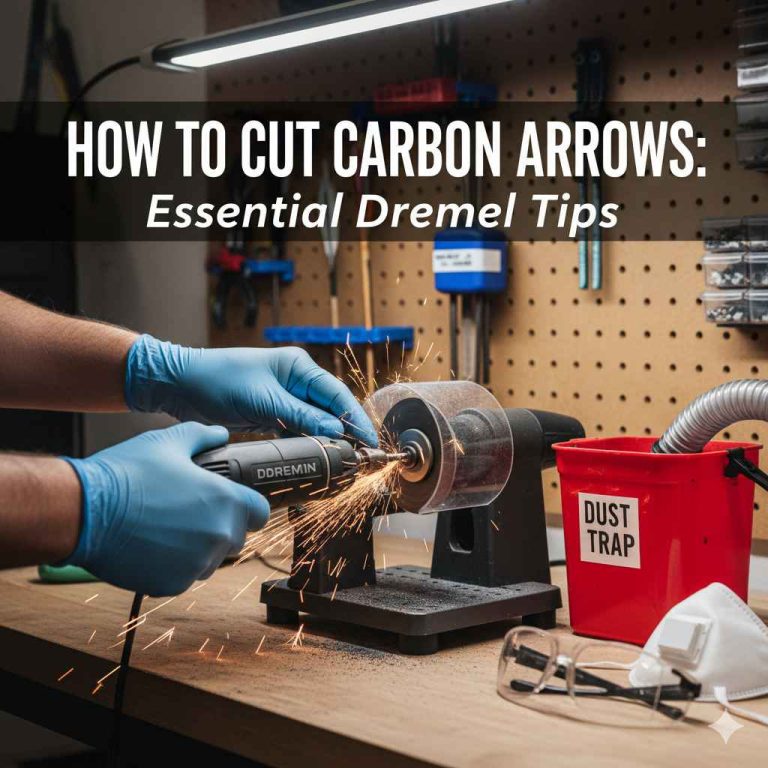
For a related arrow setup, How to Cut Your Own Carbon Arrows: Essential gives readers another detail to check before shooting.
Why Your Arrow Choice Matters
When I first started archery, I didn’t think much about arrows. I grabbed whatever was cheapest and called it a day. Big mistake! The material of your arrow affects everything—accuracy, speed, durability, and even how your bow feels when you release. Aluminum and carbon arrows each have their strengths and weaknesses, and understanding them can elevate your game. I’ve shot both types in tournaments, hunting trips, and backyard practice, and I’ve learned that no single arrow is “the best.” It’s about what suits you. Let’s dive into the details and see what makes each one tick.
What Are Aluminum Arrows?
Aluminum arrows have been around for decades, and they’ve earned their place in archery history. These arrows are made from lightweight, high-strength aluminum alloys. When I first held an aluminum arrow, I was surprised by how solid yet light it felt. They’re crafted with precision, and their uniform structure makes them a favorite for target archers.
Aluminum arrows come in various diameters and wall thicknesses, which you can choose based on your bow’s draw weight and your shooting style. I’ve always appreciated how consistent they are. Every arrow in a set feels identical, which is crucial when you’re aiming for tight groupings on the target.
Advantages of Aluminum Arrows
Let’s talk about why aluminum arrows might catch your eye. First, they’re incredibly consistent. Manufacturers can produce aluminum arrows with tight tolerances, meaning each arrow is nearly identical in weight and straightness. I’ve shot aluminum arrows in indoor tournaments, and their predictability helped me nail those bullseyes.
Another big plus is their affordability. Compared to high-end carbon arrows, aluminum ones are often easier on the wallet. When I was a broke college student, aluminum arrows were my go-to because I could get a dozen without breaking the bank.
They’re also durable in their own way. Aluminum arrows can bend, sure, but they don’t splinter or crack like carbon arrows might. I’ve bent a few arrows after missing the target and hitting a tree stand, but I could often straighten them out and keep shooting. Plus, aluminum arrows are easier to tune. You can cut them to your desired length and adjust the point weight to match your bow setup perfectly.
Disadvantages of Aluminum Arrows
But aluminum arrows aren’t perfect. One downside I’ve noticed is their weight. They’re heavier than carbon arrows, which can slow down your shot. When I switched to a lighter carbon arrow for hunting, I noticed my arrows flew faster and hit harder.
Another issue is that aluminum arrows can bend permanently if you’re not careful. I’ve had a few arrows get ruined after a bad shot into a hard surface. They’re not as forgiving as carbon arrows in terms of impact resistance. Also, aluminum arrows can be affected by temperature changes. On cold days, I’ve felt them get a bit stiffer, which can slightly alter their performance.

What Are Carbon Arrows?
Now, let’s talk about carbon arrows. These are the modern darlings of the archery world. Made from carbon fiber, these arrows are lightweight, strong, and designed for speed. The first time I shot a carbon arrow, I was blown away by how fast it zipped through the air. It felt like my bow had suddenly gained superpowers.
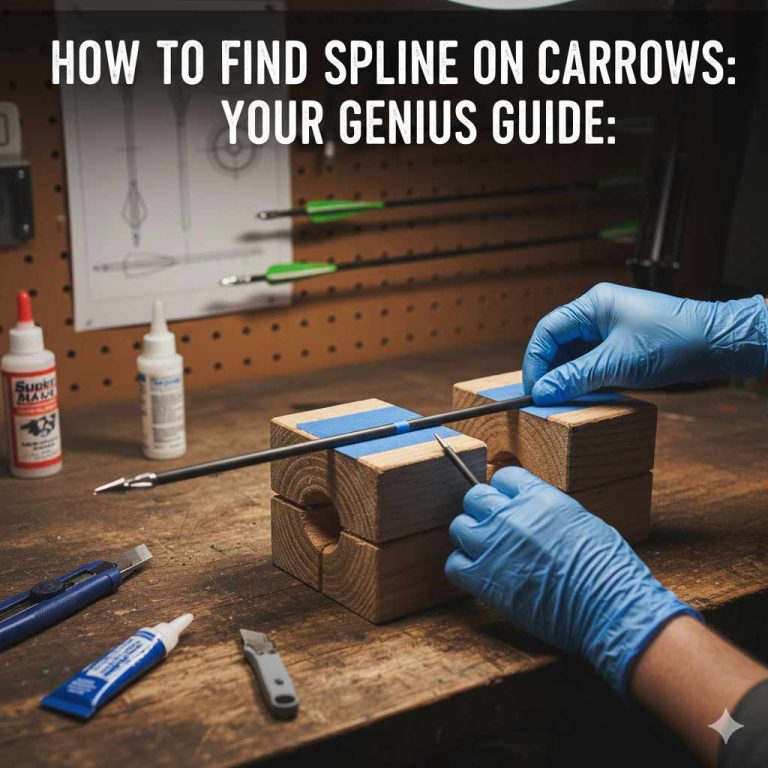
Carbon arrows are constructed by layering carbon fiber, which gives them incredible strength without adding much weight. They come in a range of spine ratings (a measure of stiffness), so you can find one that matches your bow’s draw weight and your shooting style.
Advantages of Carbon Arrows
Carbon arrows shine when it comes to speed and penetration. Because they’re lighter than aluminum, they fly faster, which is a huge advantage for hunters like me who need that extra punch to take down game. I’ve used carbon arrows on deer hunts, and their deep penetration never fails to impress.
Another big plus is their durability. Carbon arrows can take a beating. I’ve shot them into hard targets, and while they might scuff or lose a nock, they rarely break. This durability makes them ideal for rugged outdoor conditions, like when you’re trekking through the woods or shooting in windy weather.
Carbon arrows also have a smaller diameter compared to most aluminum arrows. This means less wind drift, which I’ve found super helpful when shooting long distances outdoors. The smaller profile also helps with penetration, especially for hunting.
Disadvantages of Carbon Arrows
Carbon arrows aren’t flawless, though. One thing I’ve learned the hard way is that they’re pricier. A good set of carbon arrows can cost significantly more than aluminum ones. When I first upgraded to carbon, I winced at the price tag, but I justified it because of the performance boost.
Another issue is that carbon arrows can splinter or crack if they hit something hard at the wrong angle. I’ve had a couple of arrows shatter after hitting a rock hidden in the grass. Inspecting them before each shot is a must to avoid dangerous mishaps. Also, tuning carbon arrows can be trickier. Their stiffness (spine) needs to match your bow perfectly, or you’ll get inconsistent shots. It took me a few tries to get my carbon arrows dialed in.
Aluminum vs Carbon Arrows: A Side-by-Side Comparison
To make things easier, let’s compare aluminum and carbon arrows head-to-head. I’ve put together a table based on my experiences to highlight the key differences:
| Feature | Aluminum Arrows | Carbon Arrows |
|---|---|---|
| Weight | Heavier, slower flight | Lighter, faster flight |
| Durability | Can bend but easy to straighten | Resistant to bending, may splinter |
| Cost | More affordable | More expensive |
| Consistency | Highly consistent, tight tolerances | Consistent but requires careful tuning |
| Penetration | Good penetration | Excellent penetration due to smaller diameter |
| Best Use | Target archery, beginners | Hunting ?”Hunting, long-range shooting |
| Wind Resistance | More affected by wind | Less affected due to smaller diameter |
This table sums up what I’ve learned from shooting both types. Aluminum arrows are great for precision and budget, while carbon arrows excel in speed and rugged durability. Your choice depends on what you value most.
My Personal Experience with Both
I’ve spent years shooting both aluminum and carbon arrows, and each has its place in my quiver. When I started, aluminum arrows were my go-to for target practice. Their consistency helped me build confidence as a beginner. I could shoot tight groups at 20 yards without spending a fortune. But as I got into hunting, I switched to carbon arrows for their speed and penetration. I remember my first hunt with carbon arrows—the arrow zipped through the air and dropped a deer faster than I expected.
That said, I still keep aluminum arrows for indoor shooting. They’re reliable, and I don’t worry about splintering when I’m shooting at close-range foam targets. My advice? Try both if you can. Borrow a friend’s arrows or buy a small set of each to see what feels right for your bow and style.
Which Is Better for Beginners?
If you’re just starting out, aluminum arrows might be your best bet. They’re affordable, consistent, and forgiving for new archers who are still perfecting their form. I started with aluminum arrows, and they helped me focus on my technique without worrying about damaging expensive arrows. Plus, they’re easier to tune for beginners who might not have a pro shop nearby.
Carbon arrows, on the other hand, are great once you’ve got some experience. Their speed and durability are awesome, but they require more knowledge to tune properly. If you’re a beginner on a tight budget, stick with aluminum until you’re ready to invest in carbon.
Which Is Better for Hunting?
For hunting, I lean toward carbon arrows. Their lightweight design and small diameter make them ideal for deep penetration and long-range shots. When I’m out in the field, I need an arrow that can handle tough conditions and still deliver a clean, ethical kill. Carbon arrows have never let me down in this department.
That said, aluminum arrows can work for hunting, especially for smaller game or shorter distances. Their heavier weight can still provide good kinetic energy, but they don’t match carbon’s speed and wind resistance. If you’re hunting in open, windy areas, carbon is the way to go.
Maintenance and Care Tips
No matter which arrow you choose, taking care of them is key. For aluminum arrows, I always check for bends after each session. A bent arrow can ruin your accuracy, so I use a straightener tool to fix minor dents. I also wipe them down to prevent corrosion, especially after shooting in humid conditions.
For carbon arrows, I inspect the shafts for cracks or splinters before every shot. A damaged carbon arrow can be dangerous, so I’m extra careful. I also store them in a quiver or case to protect the fletchings and nocks. Both types benefit from a quick clean with a damp cloth to remove dirt or target material.
Cost Considerations
Let’s talk money. Aluminum arrows are generally cheaper, with a dozen costing anywhere from $50 to $100, depending on the brand and quality. Carbon arrows, especially high-end ones, can set you back $100 to $200 for a dozen. I’ve found that investing in quality arrows pays off in the long run, but if you’re just practicing or shooting casually, aluminum arrows give you great bang for your buck.
If you’re on a budget, start with aluminum. If you’re serious about hunting or competitive shooting, carbon arrows might be worth the splurge. I’ve mixed and matched over the years, keeping aluminum for practice and carbon for serious hunts.
Environmental Impact and Sustainability
One thing I’ve started thinking about more is the environmental side of archery. Aluminum arrows are recyclable, which is a plus for eco-conscious archers. The mining and production of aluminum, though, can have a significant environmental footprint. Carbon arrows, made from petroleum-based carbon fiber, aren’t easily recyclable, and their production process is energy-intensive.
I try to extend the life of my arrows by maintaining them well. Re-fletching damaged arrows instead of tossing them saves money and reduces waste. If sustainability matters to you, aluminum might edge out slightly, but both materials have their environmental trade-offs.

Final Thoughts
Choosing between aluminum and carbon arrows comes down to your needs, budget, and shooting style. I’ve loved both for different reasons. Aluminum arrows are my trusty, budget-friendly companions for target practice and indoor shooting. Their consistency and ease of tuning make them perfect for beginners or casual archers. Carbon arrows, on the other hand, are my go-to for hunting and long-range shooting. Their speed, durability, and wind resistance give me an edge in the field.
There’s no wrong choice here. If you’re new to archery, start with aluminum to build your skills without spending too much. If you’re chasing speed and performance, carbon arrows will take your shots to the next level. I recommend trying a few of each to see what feels best with your bow. Archery is all about finding what works for you, and the right arrow can make every shot feel like magic.
Frequently Asked Questions
Are aluminum arrows better than carbon arrows?
It depends on your needs. Aluminum arrows are more affordable and consistent, making them great for beginners and target archery. Carbon arrows are lighter, faster, and more durable, ideal for hunting and long-range shooting. I’ve used both and suggest trying them to see what suits your style.
Can I use aluminum arrows for hunting?
Yes, aluminum arrows can work for hunting, especially for smaller game or shorter distances. However, carbon arrows are often preferred for hunting due to their speed and deeper penetration. I use carbon for big game hunts but keep aluminum for practice.
How do I know if my arrows are damaged?
For aluminum arrows, check for bends or dents that affect straightness. For carbon arrows, inspect for cracks or splinters, especially near the nock or point. I always run my fingers along the shaft before shooting to catch any damage.
Which arrows are easier to tune?
Aluminum arrows are generally easier to tune because you can cut them to precise lengths and adjust point weights. Carbon arrows require careful spine matching to your bow’s draw weight. I found aluminum simpler when I was starting out.
Are carbon arrows worth the extra cost?
If you’re hunting or shooting long distances, carbon arrows are often worth the investment for their speed and durability. For casual target shooting, aluminum arrows are more cost-effective. I use both depending on the situation to balance cost and performance.
Related pick: Check today's price on Amazon