How to Make an Outdoor Archery Range: Full Setup Guide
To make an outdoor archery range, pick a safe backstop location, define shooting lanes at set distances, and use a target material rated for your bow’s power, like foam blocks or straw bales. Skip a proper backstop and a missed shot can travel well past your property line. This guide covers site selection, backstop building, and the local rules to check first.
The Golden Rule: Safety First, Fun Always
Before we even look at measuring tape, we must talk about safety. An archery range is only as good as its safety measures. Arrows are fast and powerful, even from a beginner’s recurve bow. We must ensure that if you miss the target, the arrow stops safely and reliably.
Understanding Your Local Rules (The Non-Negotiable First Step)
The most crucial step happens before you buy a single piece of wood or bale of straw. You must check your local laws and homeowner association (HOA) rules. In many areas, certain types of projectile launching equipment are restricted, especially in residential zones. This step prevents huge headaches later on.
- Check Municipal Codes: Contact your local city or county planning department. Ask specifically about discharging bows and arrows on private property. Some areas require specific acreage or distance from property lines.
- HOA Regulations: If you live in a managed community, check your Covenants, Conditions, and Restrictions (CC&Rs). They often have strict rules about noise and outdoor activities.
- Neighborly Courtesy: Even if it’s legal, have a friendly chat with immediate neighbors. Let them know your plans, the safety measures you are taking, and when you plan to shoot. Open communication goes a long way!

Phase 1: Site Selection and Range Layout
Choosing the right location dictates the rest of your setup. We are looking for space, safety barriers, and a clear line of sight to your target lane.
Measuring Your Space and Setting the Distance
The required distance depends entirely on your equipment. A beginner shooting a low-poundage youth bow needs less space than someone shooting a powerful compound bow for hunting practice. You need a clear, unobstructed lane leading straight to your backstop.
Here are some common distances for different types of practice. Remember, these are minimums—more distance is always safer. If you are using broadheads (hunting tips), do not shoot them into homemade backstops; use professional bag targets designed for them.
| Bow Type/Shooter Level | Recommended Minimum Lane Length (Feet) | Recommended Minimum Lane Length (Yards) | Common Practice Distance |
|---|---|---|---|
| Beginner/Youth (Under 20 lbs) | 50 feet | 17 yards | 10 – 15 yards |
| Intermediate Recurve/Longbow (30-45 lbs) | 100 feet | 33 yards | 20 – 30 yards |
| Compound/Advanced (50+ lbs) | 180 feet | 60 yards | 40 – 50 yards |
For safety, you need a clear area behind and to the sides of your target. This safety zone, often called the “arrow containment area,” should be at least 10 feet wide on either side of your intended shooting line.
Establishing the Shooting Line (The “T”)
This is where you stand to shoot. Keep it simple. You can mark it with two small cones, painted rocks, or even a piece of painted lumber laid across the ground.
- Determine Feet: Decide where you want your shooting line to be relative to your target.
- Mark the Center: Place a marker at the exact center point between the left and right boundary markers.
- Set the Distance: Use a long measuring tape to measure carefully from the shooting line directly to where your target will sit.
- Marking Lanes (Optional but recommended): If multiple people will shoot at once, use stakes or tape to mark individual shooting positions (lanes) along the line. Aim for at least 4 feet of space per person.
Phase 2: Building the Ultimate Backstop
The backstop is the single most critical safety component. Its job is to stop fast-moving arrows completely, ideally without damaging the arrow shaft or tip too much. Never rely on trees, fences, or simple blankets; they are not reliable backstops.
Best Outdoor Range Target Pick

Morrell Yellow Jacket Dual Threat Foam Target Block
A high-density foam target block rated up to 380 FPS, matching this guide’s own recommendation for a commercial backstop over homemade materials.
- Best for: a durable, self-healing backstop that handles field points and most broadheads
- Why we picked it: rated for fast modern bows, no plywood-sandwich building required
- Main drawback: pricier than a DIY plywood backstop, though far less labor
Compare more options
 Option 1 Delta McKenzie Speedbag 20in Field Point Bag Target
| 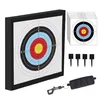 Option 2 SPG EVA Foam Backyard Archery Target
| 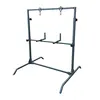 Option 3 Highwild Archery Target Stand for Bag Targets
|
As an Amazon Associate we earn from qualifying purchases.
Choosing Your Backstop Material
The best home backstops are layered or specifically designed to absorb kinetic energy. Here are the most common homeowner-friendly, reliable options:
1. Commercial Foam or Bag Targets
If budget allows, this is the easiest and best method for most backyard ranges. Professional targets are designed with overlapping layers of high-density foam or specialized fibers that safely arrest the arrow. They reliably stop arrows from even the fastest compound bows.
2. Plywood and Stopping Material Sandwich
This is a popular DIY cost-saver. You create a box or frame and fill it with materials that compress upon impact.
What You Need:
- Sturdy Lumber (e.g., 2x4s) for the frame.
- Two sheets of exterior-grade plywood (3/4 inch thick).
- Stopping material (see below).
Best DIY Stopping Materials:
- Layered Carpet Scraps: Check local carpet stores for discarded remnants. Shingles of carpet, stacked tightly, work incredibly well.
- Bales of Straw or Hay: These must be densely packed. A single loose straw bale will let arrows pass through. You need several bales stacked deeply, ideally three to four bales deep. (Note: Hay/straw decomposes over time and needs replacement.)
- Expanded Polyethylene Foam: Often found as dense insulation sheets. This material is excellent but can be more expensive initially.
For a robust DIY backstop, research structures like the “Bag-in-a-Box” design, which maximizes stopping power by forcing the arrow through several layers of resistant material. For detailed construction plans, consulting guides from reputable outdoor safety organizations, like those provided by the National Archery in the Schools Program (NASP) safety guidelines, can provide engineering principles adapted for safe DIY builds.
Constructing the Backstop (Step-by-Step)
If you are building a plywood sandwich style:
- Build the Box: Construct a wooden frame large enough to hold your target bale or carpet stack. Make sure it is deep enough to handle the maximum draw weight you will be using (aim for at least 18-24 inches of compressed material depth).
- Attach the Back Plywood: Screw one piece of plywood securely to the back of the wooden frame. This is the absolute last barrier.
- Fill and Compress: Pack your stopping material (carpet or foam) tightly inside the box. Compression is key! If it’s loose, the arrow keeps going.
- Attach the Front Plywood: Screw the second sheet of plywood over the front. You can leave a target-sized opening cut out, or you can shoot through a small hole you cut, which helps keep the inner materials contained.
- Secure on Site: Place the entire structure firmly on the ground. For added safety, brace it using stakes driven into the ground behind the frame so it cannot tip forward when struck by an arrow.
Phase 3: Target Setup and Distance Marking
With the safety barrier in place, it’s time to set up what you are actually shooting at—the targets.
Target Placement and Types
For casual practice, you generally don’t need a full 3D animal target immediately. Simple paper targets stapled to foam blocks or actual paper faces placed on hay are perfect.
Tip: Always use targets that clearly contrast with the background. Bright colored paper is easier to see, even from a distance.
- Secure the Target Face: If using a foam block or bale stack, use strong clips or heavy-duty staples to fix your paper target face directly onto the surface. Ensure the face is straight and flat.
- Consider Multi-Distance Markers: If your range is long enough (e.g., 30 yards), mark where the 10-yard target sits, where the 20-yard target sits, and where the 30-yard target sits. This saves time resetting for varied practice drills.
- Using the Target Butt: If using a professional bag target, place it flush against your backstop structure. If using straw, place the target face on the front-most bale layer.
Marking the Lanes for Distance Shooting
To build consistent muscle memory, you must know exactly how far you are shooting. Use durable markers along the entire lane length.
Consider using small, brightly colored stakes or flags to visually mark every 5 or 10 yards along the ground, right up to your shooting line (the “T”). When you are standing on the 20-yard marker, you know the target is precisely 20 yards away.
A well-marked range allows you to easily transition practice drills. You can systematically practice: “I will shoot 5 arrows at 15 yards, then move back to the 20-yard marker and shoot 5 more.” Accuracy depends on consistent distance.
Phase 4: Range Containment and Clear Boundaries
A designated range needs clear visual boundaries. This is crucial for informing anyone nearby—especially children or pets—that an active shooting area is present.
Defining the Firing Line and Safety Zones
Think of your range in three distinct zones:
| Zone | Purpose | Recommended Boundaries |
|---|---|---|
| Zone 1: The Ready Area (Behind the Archer) | Where archers wait for their turn or string their bows. | Must be clear of tripping hazards. Maintain at least 10 feet behind the shooting line. |
| Zone 2: The Shooting Line (The “T”) | The fixed spot where the arrow is nocked and released. | Clearly marked with tape or lumber. Only one archer shoots at a time. |
| Zone 3: The Arrow Containment Area | The space between the shooter and the backstop, including the sides. | Marked with visible boundary flags or rope lines at least 10 feet wide on either side of the target line. |
Installing Visual Safety Barriers
Even if your backstop is perfect, you need barriers to prevent an arrow that misses wildly (a “hanger” or severe lateral miss) from leaving the range area.
Creating Side Barriers
If your space is less than ideal, you may need side containment. This is especially true if you have wooded areas or fences nearby that break easily.
You can construct simple, temporary privacy fence panels using netting or heavy plastic mesh attached to temporary posts. The goal isn’t to stop a direct hit, but to catch an errant arrow that drifts sideways.
- Use sturdy wooden posts set deep into the ground (consult resources for proper footing if they are tall, like those recommended by the CDC on safety setups, though applied here to home use).
- Tightly string heavy-duty netting or thick camouflage netting between the posts along the entire length of the shooting lane on both sides.
Signage is Essential
Create clear, visible warning signs. Post them at EVERY entry point to the range area.
Sign Text Examples:
- WARNING: ARCHERY IN USE!
- KEEP OUT: For Authorized Archers Only.
- DO NOT ENTER RANGE WHILE ARROWS ARE DOWNRANGE.
Phase 5: Maintenance and Range Care
A home range requires regular upkeep to remain safe and effective. Ignoring maintenance is like ignoring safety gear—it leads to failure.
Target Inspection and Rotation
Your target material wears out. Arrows create holes!
- Daily Check: Before you put your bow away, briefly inspect the target face. If you see major gaps leading straight through to the plywood or bales, stop shooting immediately.
- Rotate: If you are using foam blocks or a large bag target, rotate it frequently. This exposes a fresh, undamaged surface to your next practice session.
- Replace Faces: Change your paper target face when the center “8” or “10” ring becomes too tattered to read accurately.
Backstop Deep Maintenance
If you built a DIY backstop out of straw or carpet:
- Straw: Straw bales will weather and compress unevenly. Plan to replace the entire bale stack every 1-2 seasons, depending on how often you shoot and how much rain it takes.
- Carpet: Carpet shards decompose slowly, but dirt and dust penetrate the layers. Periodically, you may need to open the box and “fluff” or layer new carpet pieces on top to maintain density.
Clearing and Ground Safety
Never leave arrows lying randomly on the ground. This is a major tripping hazard and an invitation for someone to step on a head that might later be pulled out incorrectly.
When you are done shooting, walk the retrieval path slowly and deliberately. Check the grass for any arrows that may have fallen short or bounced sideways. Use specialized arrow pullers, if possible, to avoid wear and tear on your fingers and bowstring when pulling arrows from dense targets.
Equipment Considerations for Your New Range
The range is built, but what equipment works best for a home setup?
Arrow Choice Matters
For backyard practice, most beginners use carbon or aluminum arrows tipped with Field Points (target tips). These are designed to safely penetrate common target materials and are often easier to retrieve than broadheads.
Important Note on Broadheads:
Never use hunting broadheads on a homemade backstop (straw, carpet, wood). Broadheads are designed to tear tissue; in a target, they cause catastrophic damage to the material, often rendering the bale unusable after just a few hits, and they pose a massive risk if the arrow breaks apart upon impact.
Mat vs. Ground Shooting
If your ground surface is uneven, rocky, or soft (muddy), it is almost impossible to shoot consistently. Even if you have a large lawn, the ground can shift the arrow slightly as you let go.
Solution: Use a simple arrow mat or shooting platform. This is usually a small, flat piece of plywood or rubber mat placed right behind the shooting line “T.” It gives you a stable footing, ensuring you are always standing in the exact same spot for consistent aiming.

FAQ: Beginner Archery Range Setup
Q1: How much space do I really need for a beginner’s range?
A beginner shooting a low-poundage bow (20 lbs or less) should aim for a minimum clear, safe distance of 50 feet (about 17 yards) to the backstop. Crucially, you also need 10-20 feet of clear, contained space on EITHER side of your target line.
Q2: Can I just use old refrigerator boxes as a backstop?
No, this is unsafe. Cardboard boxes, even stacked high, are not dense enough to reliably stop arrows, especially from modern bows. They create a false sense of security. Always use approved materials like dense foam, layered carpet, or professional targets designed to absorb kinetic energy.
Q3: Do I need specialized tools to build a simple DIY backstop?
For a basic plywood sandwich backstop, you will need a drill, screws, a saw (to cut plywood or your frame wood), and a reliable measuring tape. If you are using straw bales, you might need heavy-duty ratchet straps to compress them tightly within the frame.