How Do You Pick Your Bow Draw Weight
Selecting the right bow draw weight is a decision that shapes your archery experience, affecting accuracy, comfort, safety, and long-term performance. Whether you’re just starting or refining your setup for hunting or competition, finding your ideal draw weight can mean the difference between frustration and fulfillment.
Too heavy, and you risk fatigue or injury; too light, and you may not achieve your goals. Understanding the nuances ensures you enjoy the sport while progressing steadily.
Many archers, from beginners to seasoned competitors, struggle to balance ambition with reality when choosing draw weight. Factors such as physical strength, bow type, intended use, and even local regulations all play a role. In this comprehensive guide, you’ll discover how to assess your personal needs, compare options, and make a confident, informed choice, backed by expert advice and real-world examples.
Key Takeaways
- Draw weight directly impacts your shooting accuracy, safety, and enjoyment.
- Consider your physical strength, experience level, and intended use when selecting draw weight.
- Different bow types (recurve, compound, longbow) have unique draw weight characteristics and requirements.
- Testing multiple weights and using proper measurement techniques leads to the best personal fit.
- Legal requirements and ethical considerations are crucial for hunters and competitors.
- Gradual progression and listening to your body help prevent injuries and maximize improvement.

Credit: www.battlbox.com
Understanding Bow Draw Weight
What Is Bow Draw Weight?
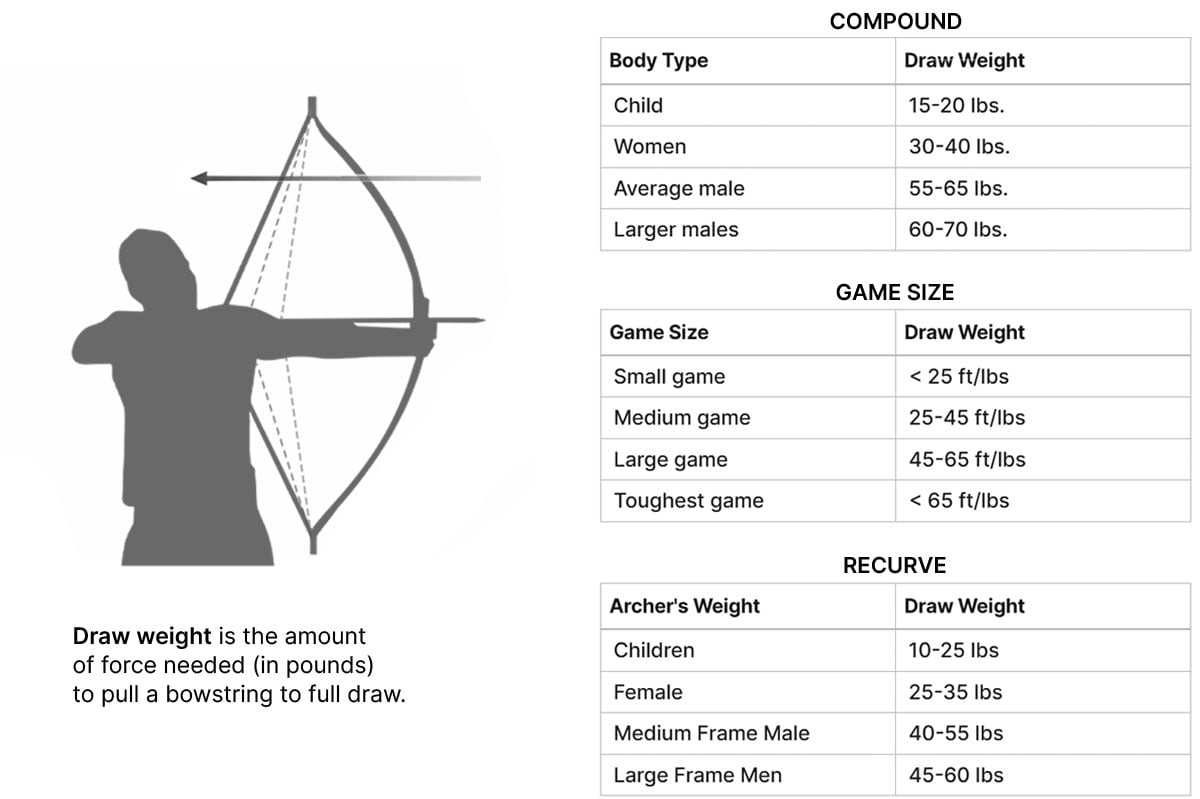
Bow draw weight refers to the amount of force, measured in pounds, required to pull a bowstring to its full draw. It’s a key specification listed on every bow, typically indicated on the lower limb. This measurement is critical because it determines how much energy the bow can transfer to an arrow.
For example, a 40-pound draw weight means it takes 40 pounds of force to pull the string back to the designated draw length (usually 28 inches for adult bows). Draw weight is not only about power, it’s about what you can handle repeatedly and consistently.
How Draw Weight Affects Performance
The chosen draw weight influences several vital performance factors:
- Arrow speed and trajectory: Higher draw weights launch arrows faster and flatter, which can be beneficial for hunting or long-range shooting.
- Penetration: Especially important in hunting, higher draw weights drive arrows deeper into targets.
- Fatigue and consistency: Too much draw weight can lead to shaky shots, short practice sessions, or even repetitive strain injuries.
- Accuracy: Comfort and control enable consistent anchor points, leading to tighter groups.
Standard Draw Weight Ranges
Bow draw weights vary by both bow type and intended user:
| User Type | Recurve Bow | Compound Bow | Longbow |
|---|---|---|---|
| Youth (8-12 yrs) | 10, 18 lbs | 10, 25 lbs | 15, 20 lbs |
| Teens (13-17 yrs) | 15, 25 lbs | 20, 40 lbs | 20, 30 lbs |
| Adult Beginners | 18, 28 lbs | 30, 50 lbs | 25, 40 lbs |
| Adult Experienced | 28, 40 lbs | 40, 70 lbs | 35, 55 lbs |
Why The Right Draw Weight Matters
Choosing the right draw weight is not just about hitting the target, it’s also about safety, injury prevention, and sustainable progress. Archers using excessive weight often develop poor form, struggle with fatigue, and may abandon the sport. Conversely, too little weight can mean underpowered shots that lack range or penetration, especially for hunting applications.
Factors That Influence Your Ideal Draw Weight
1. Physical Strength And Conditioning
Your muscle strength and overall conditioning are the foundation for draw weight selection. Archery relies heavily on the back, shoulder, and arm muscles, which may not be well-developed in those new to the sport.
- If you work in an office or haven’t exercised regularly, start at the lower end of the recommended range.
- Regular exercise, especially weight training, can gradually increase your capacity for higher draw weights.
- Age and gender can influence starting points, but individual differences are significant.
Example: A 35-year-old female beginner who swims regularly may handle a 25-pound recurve comfortably, while a sedentary 50-year-old male might struggle with the same weight.
2. Experience Level
Novices should always err on the side of lighter draw weights to develop good shooting form. As skills and strength improve, gradually increasing draw weight is safer and more effective.
- Beginners: Prioritize technique and endurance over power.
- Intermediate and advanced archers: Increase draw weight only when current weight feels easy to control for long sessions.
Pro Tip: Never sacrifice form for power. Form errors at low draw weights become amplified at higher weights, leading to frustration or injury.
3. Intended Use: Target, Field, Or Hunting
Your archery goals matter:
- Target archery: Consistent accuracy is more important than power. Most target archers use 18, 36 lbs for recurve, 30, 45 lbs for compound.
- Field archery: Requires moderate power for varied distances and terrain.
- Bowhunting: State regulations often mandate minimum draw weights (typically 40 lbs for deer, 50 lbs for larger game). Sufficient power is needed for ethical, humane kills.
Always check local laws and guidelines. The National Shooting Sports Foundation offers a state-by-state guide.
4. Bow Type
Different bows deliver power differently at the same draw weight:
- Recurve bows: Linear draw curve, weight increases steadily as you pull.
- Compound bows: Let-off mechanism reduces holding weight at full draw, allowing higher peak weights with less strain.
- Longbows: Similar to recurves, but often less efficient, requiring higher draw weights for the same performance.
Example: A 50-lb compound bow with 80% let-off feels like holding only 10 lbs at full draw, while a 50-lb recurve means holding the full weight.
5. Draw Length
Draw weight is specified at a standard draw length (usually 28 inches for adults). If your draw length is shorter or longer, the actual draw weight will be lower or higher, respectively.
- For every inch shorter than 28″, subtract about 2, 3 lbs.
- For every inch longer, add 2, 3 lbs.
Pro Tip: Measure your true draw length before finalizing your bow purchase.
6. Injury History And Health Considerations
Previous injuries, especially to the shoulder, back, or elbow, significantly affect what you can safely handle. Consult a medical professional or physical therapist if you have concerns. Never push through pain.
7. Legal And Ethical Requirements
For hunting, most states and provinces specify a minimum draw weight to ensure humane harvests. Always verify requirements with your local wildlife agency.
Example: Colorado requires a minimum of 35 lbs draw weight for deer hunting, while Alaska mandates 50 lbs for moose.
Credit: www.sportsmans.com
How To Measure And Test Your Draw Weight
Determining Your Draw Length
Accurately measuring your draw length ensures the listed draw weight matches what you’ll actually pull.
- Stand with arms extended to the sides, palms forward.
- Measure fingertip-to-fingertip span in inches.
- Divide by 2.5 for your approximate draw length.
Example: 70-inch arm span ÷ 2.5 = 28-inch draw length.
Testing Draw Weight In Practice
Visit an archery shop or range to physically test different draw weights before committing. Most shops have several bows set up for this purpose.
- Draw and hold each weight for at least 30 seconds.
- Repeat for 10, 15 cycles to simulate practice sessions.
- Note any strain, shaking, or difficulty maintaining form.
Pro Tip: If you can draw and shoot 30 arrows comfortably with good form, the weight is appropriate. If you tire or lose form after a few shots, drop down in weight.
Using A Bow Scale
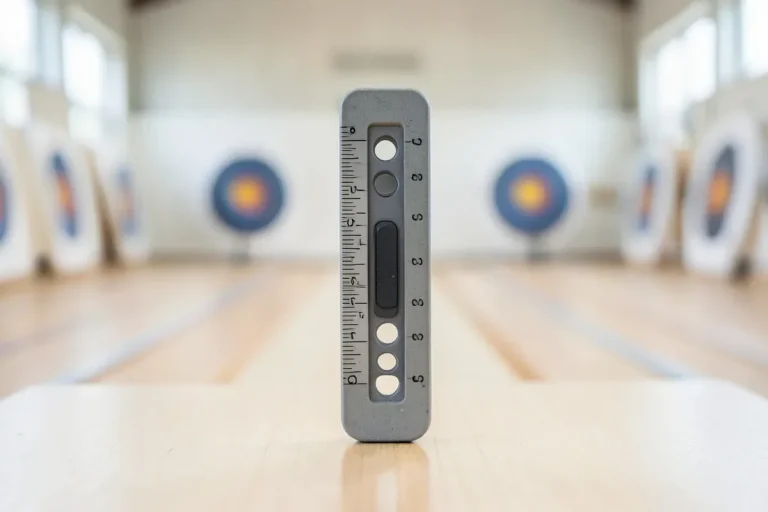
A bow scale measures actual draw weight at your draw length. These are inexpensive and available at most archery retailers.
- Attach the scale to the bowstring.
- Pull to full draw length and read the measured weight.
This step is especially important for traditional bows, which may not have labeled weights or may have been modified.
Comparing Bow Types And Draw Weight Feel
Different bow types feel distinct at the same rated draw weight, mainly due to factors like let-off and draw curve.
| Bow Type | Draw Weight (lbs) | Holding Weight at Full Draw | Typical User Experience |
|---|---|---|---|
| Recurve | 30 | 30 lbs | Linear pull, full weight held at anchor |
| Compound (80% let-off) | 50 | 10 lbs | Heavy initial pull, easy to hold at full draw |
| Longbow | 35 | 35 lbs | Smooth but requires full strength at anchor |
Real-world Example: Testing At A Pro Shop
While a 40-lb recurve may feel manageable for a few shots, fatigue typically sets in after shooting about a dozen arrows. Dropping to a 28-lb model allowed me to shoot with perfect form for over 50 arrows, improving accuracy and enjoyment.

Credit: legendarchery.com
Step-by-step Guide To Picking Your Draw Weight
1. Assess Your Strength And Experience
- Beginners: Start at the lower end of your age and gender range.
- Intermediate or athletic: Consider moving up 5, 10 lbs, but only if you can maintain form.
Example: A 20-year-old male beginner might start at 25 lbs for recurve target shooting, while a female with moderate strength could try 18, 22 lbs.
2. Define Your Purpose
- Target shooters: Focus on comfort and form. Draw weights between 18, 36 lbs are common.
- Bowhunters: Match or exceed legal minimums (often 40 lbs or more). Consider the game species, larger animals require more power.
3. Measure Draw Length And Adjust Accordingly
- Use the arm span method or visit a pro shop for precise measurement.
- Adjust weight recommendations based on your actual draw length.
4. Test Bows In Person
- Draw and hold different weights.
- Shoot multiple arrows to gauge fatigue and consistency.
- Don’t be tempted to choose a heavier bow just to “grow into it.”
5. Consider Bow Type
- Compound bows allow higher draw weights due to let-off.
- Traditional bows (recurve, longbow) require more caution as holding weight equals draw weight.
6. Factor In Accessories
Some accessories, like heavy stabilizers or sights, may slightly affect your ability to draw and hold the bow comfortably. Take your full setup into account.
7. Reevaluate Regularly
As you gain strength and experience, reassess your draw weight. Gradual increases are safe and effective.
Warning: Avoid rapid jumps in draw weight, which increase the risk of injury and poor shooting habits.
Step-by-step Checklist
- Measure your draw length.
- Estimate starting draw weight based on strength and experience.
- Define your shooting goals (target, hunting, competition).
- Test bows in person.
- Prioritize comfort and form.
- Factor in bow type and accessories.
- Reassess periodically.
Common Mistakes And How To Avoid Them
1. Overestimating Strength
Many new archers overestimate their ability, choosing a bow that is too heavy. This leads to poor form, muscle strain, and reduced accuracy. Always start lighter, you can increase weight as your technique and strength improve.
2. Ignoring Form And Technique
Proper form is the foundation for success. A heavy bow that compromises form will hold you back, regardless of its power. Focus on:
- Consistent anchor point
- Smooth release
- Controlled follow-through
3. Neglecting Draw Length
Failing to measure your draw length can result in an inappropriate draw weight, making your bow harder or easier to draw than expected. Always check your draw length before finalizing a bow.
4. Disregarding Legal Requirements
Hunting with insufficient draw weight is illegal and unethical. Always verify local regulations and choose a bow that meets or exceeds minimums.
5. Failing To Progress Gradually
Attempting to increase draw weight too quickly can cause injuries and frustration. Incremental increases of 2, 5 lbs at a time are safest.
Example: Avoiding The Plateau
A friend started archery with a 35-lb recurve, struggling for months without improvement. When he switched to a 25-lb bow, his form improved, and within weeks he was shooting tighter groups and enjoying longer practice sessions. Gradually, he worked back up to 35 lbs with confidence.
Real-world Examples And Case Studies
Case Study 1: Youth Archer Progression
A 12-year-old beginner started with a 15-lb recurve. After six months of practice, she moved up to 20 lbs, maintaining proper form and enjoying the challenge. Her steady progression allowed her to compete in local tournaments without strain or injury.
Case Study 2: Adult Bowhunter Transition
A 40-year-old male, experienced in weightlifting but new to archery, wanted to hunt deer. He began with a 25-lb recurve to master technique, then transitioned to a 45-lb compound bow for hunting, benefiting from the compound’s let-off. He passed his state’s bowhunter education course and ethically harvested his first deer.
Case Study 3: Injury Rehabilitation
An experienced female archer returned to the sport after a shoulder injury. She started with a 15-lb bow under her physical therapist’s guidance, gradually increasing to 28 lbs over a year. Her patience and adherence to medical advice prevented re-injury and restored her competitive edge.
Bow Draw Weight Recommendations By User Profile
| User Profile | Recommended Draw Weight | Rationale |
|---|---|---|
| Youth Beginner (10, 14 yrs) | 10, 18 lbs | Safe, manageable, builds confidence |
| Adult Beginner (Male) | 20, 28 lbs | Allows focus on form, prevents fatigue |
| Adult Beginner (Female) | 15, 25 lbs | Accommodates typical muscle strength |
| Target Competitor | 26, 40 lbs | Optimizes consistency and endurance |
| Bowhunter (Deer) | 40, 55 lbs | Meets legal/ethical minimums for penetration |
| Bowhunter (Elk/Larger Game) | 50, 70 lbs | Ensures humane kill and sufficient penetration |
Progression: When And How To Increase Draw Weight
Signs You’re Ready To Increase
- You can shoot 50, 100 arrows per session without fatigue.
- Your groups are tight, and your form is solid.
- You no longer feel challenged by your current draw weight.
Safe Progression Strategies
- Increase by no more than 2, 5 lbs at a time.
- Use limb upgrades (for takedown bows) or adjust draw weights (on compounds) incrementally.
- Continue regular form checks and feedback.
Training To Support Higher Draw Weights
- Incorporate resistance exercises targeting the back, shoulders, and arms.
- Use bow training aids or stretch bands to simulate the draw motion.
- Maintain flexibility and recovery routines.
Pro Tip: Listen to your body. If you notice pain, reduce draw weight and consult a professional before continuing.
Equipment Adjustments And Customization
Adjustable Compound Bows
Modern compound bows offer a wide range of draw weight adjustment, often 10, 20 lbs, via limb bolts. This makes compounds ideal for beginners or growing archers, allowing the bow to “grow” with you.
- Adjustments typically require an Allen wrench.
- Always make adjustments evenly on both limbs.
Recurve And Longbow Limb Swaps
Takedown recurves and some longbows allow you to swap out limbs to change draw weight. This is cost-effective compared to purchasing a new bow.
Arrow Selection And Draw Weight
Arrow spine (stiffness) must match your draw weight for optimal flight. Too stiff or too weak arrows can cause erratic shots.
- Use manufacturer charts to match arrow spine to draw weight and length.
- Many archery shops provide arrow selection services.
Accessories For Comfort
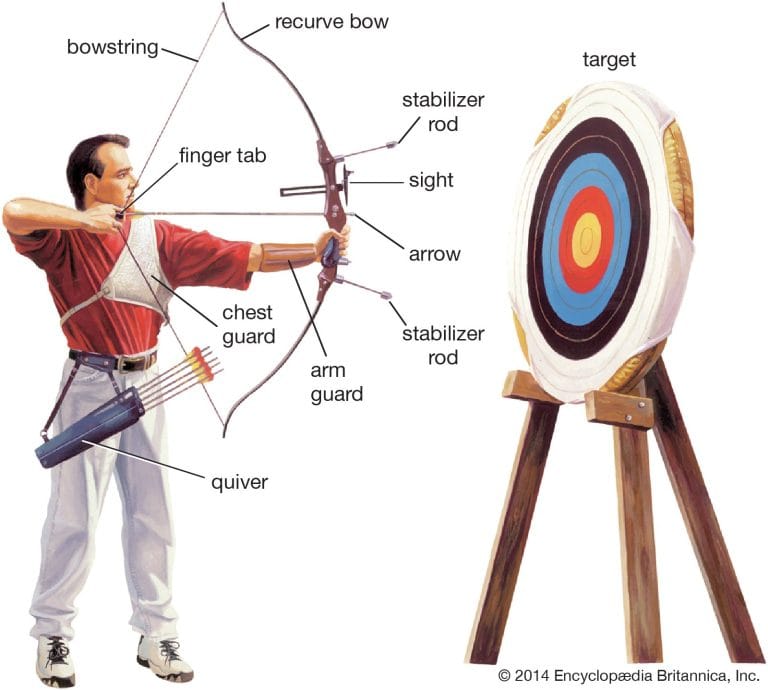
- Finger tabs or gloves reduce finger fatigue at higher draw weights.
- Stabilizers help balance the bow as draw weight increases.
- Proper grip and stance become increasingly important as weight rises.
Example: After increasing from 30 to 40 lbs, I invested in a thicker finger tab and a longer stabilizer, which significantly improved my comfort and consistency.
Frequently Asked Questions
What If My Draw Weight Feels Too Heavy After Several Months?
If your draw weight begins to feel excessive, it may be due to overtraining, fatigue, or changes in physical health. Take a break, reduce weight, and focus on recovery. Persistent issues should be evaluated by a healthcare professional. Sometimes, even experienced archers need to step down in weight to avoid chronic injuries.
Can I Use The Same Draw Weight For Both Target Shooting And Hunting?
It’s possible, but not always optimal. Target shooting typically prioritizes comfort and accuracy, so a lower draw weight may suffice. Hunting requires enough power for humane kills, which may necessitate a heavier draw. Consider having different setups or adjustable bows to meet both needs.
How Do I Know If My Bow’s Draw Weight Matches My Arrows?
Arrow manufacturers provide spine charts that correlate draw weight and arrow length to the correct arrow spine (stiffness). Using arrows that are too stiff or too weak for your bow can cause erratic flight and poor accuracy. Visit a pro shop or consult manufacturer guides to ensure a proper match.
Are There Exercises To Help Me Increase My Draw Weight Safely?
Yes. Strength training focusing on the shoulders, back, and arms can help. Exercises like rows, lat pulldowns, and resistance band pulls mimic the archery motion. Always progress gradually, warm up before shooting, and prioritize flexibility to reduce injury risk. For tailored plans, consult a certified trainer or physical therapist.
Do Different Brands Rate Draw Weight Differently?
While most reputable brands follow industry standards (measured at 28” draw length for adults), minor variations can occur due to manufacturing tolerances or measurement methods. Always test the bow with a bow scale at your draw length to verify actual draw weight.
If in doubt, consult with an archery technician or refer to the manufacturer’s specifications.
Selecting the right bow draw weight is a personal journey that balances your physical abilities, goals, and equipment. By understanding the factors involved, testing thoroughly, and progressing carefully, you’ll set yourself up for safe, enjoyable, and successful shooting. Invest time in proper measurement and don’t hesitate to seek expert guidance at your local archery shop or range. For further reading, the Wikipedia page on bow draw weight offers additional technical details. With the right approach, you’ll build skill, confidence, and lasting enjoyment in every arrow you release.