How to Choose a Youth Bow: Expert Tips for Perfect Selection
Choosing the right youth bow is more than just picking something off the shelf. For young archers, the right bow can mean the difference between frustration and fun, between giving up and growing into a lifelong passion. Whether your child is eager to try archery for the first time, or they’re ready for an upgrade from a simple toy, finding the correct youth bow requires careful thought.
Fit, safety, and enjoyment all depend on matching the bow to the archer’s size, strength, and interests.
With so many options, recurve, compound, traditional, and more, it’s easy to get overwhelmed. You might wonder about draw weight, adjustability, or how much to spend. As someone who’s helped many families get started, I know beginners often miss key details that can make a real difference.
In this guide, you’ll learn what really matters when choosing a youth bow, how to avoid common mistakes, and how to help a young archer start strong.
Understanding Types Of Youth Bows
Choosing the right type of bow is the foundation for success. Each bow type has different features, and not all are suitable for every young archer.
Recurve Bows
Recurve bows are often recommended for beginners. They’re simple, lightweight, and easy to maintain. Many archery clubs use them for training because they help teach basic form and technique without too many distractions. These bows have curved limbs that store more energy, making shooting easier with less draw weight.
Example: If your child is joining a school or club, a recurve is likely what they’ll start with.
Compound Bows
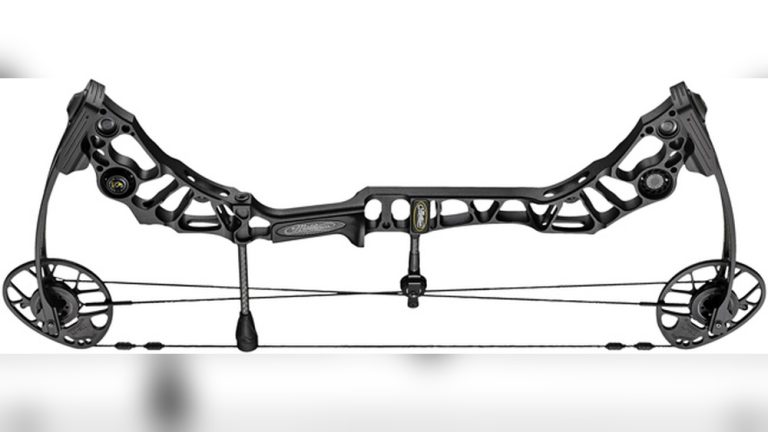
Compound bows use a system of cables and pulleys to make drawing easier. The “let-off” means the archer holds less weight at full draw, which can be more comfortable for longer practice sessions. Compounds are popular with hunters and those who want accuracy and power, but they’re more complex and require more maintenance.
Warning: Compound bows must be fitted carefully. The draw length and weight should match the archer exactly, or it can cause bad habits or even injuries.
Longbows And Traditional Bows
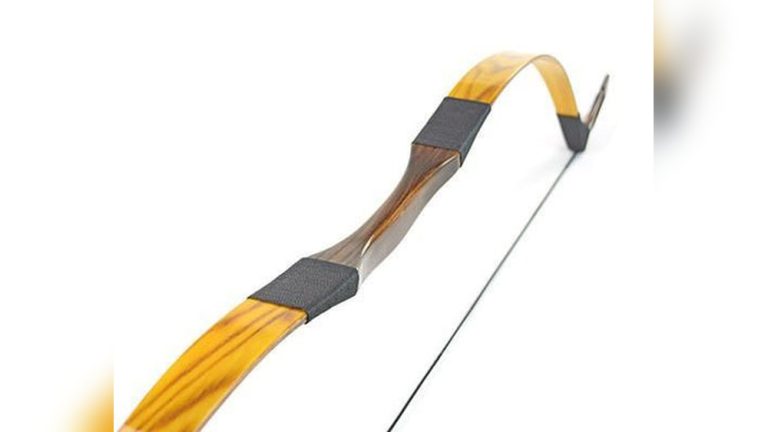
Longbows are simple, straight bows with no extra features. They’re lighter but less forgiving of poor form. While some young archers enjoy the traditional feel, these bows are best for kids who already have basic archery experience.
Toy And Beginner Sets
For very young children (ages 4-7), toy bows or beginner sets made from plastic or fiberglass are best. They’re safe, low-powered, and designed to spark interest without risk. As children grow in strength and skill, they can move up to more serious equipment.
Key Factors When Choosing A Youth Bow
Not every youth bow is created equal. Knowing which factors matter most will help you avoid common pitfalls.
Draw Weight
Draw weight is the amount of force needed to pull the bowstring back. Too much draw weight can make shooting difficult and unsafe. For most children under 12, a bow with 10-20 pounds draw weight is ideal. Teenagers can usually handle more, but it’s best to start light and increase as they build strength and confidence.
Pro Tip: If your child struggles to draw the bow smoothly or tires quickly, the draw weight is too high. Always prioritize comfort over power.
Draw Length
Draw length is how far the archer pulls back the string. It should match the archer’s arm length and body size. Bows with adjustable draw length are best for growing kids, so they don’t outgrow the bow too quickly.
A quick way to estimate draw length: Have the child stretch their arms out wide and measure fingertip to fingertip, then divide by 2.5. This gives a good starting point.
Bow Size And Weight
A bow that’s too heavy or long is hard to handle. The overall length (measured as “axle-to-axle” for compound bows, or tip-to-tip for recurves) should suit the archer’s height.
Example: A bow around 48-54 inches is good for most children under 12. Always check the manufacturer’s recommendations for age and size.
Adjustability
Kids grow fast, and their strength changes quickly. Look for bows with adjustable draw weight and length. This extends the life of the bow and saves money in the long run.
In my experience, adjustable bows are a better investment, especially if you’re not sure how fast your child will grow.
Handedness
Some bows are right-handed or left-handed. This refers to which hand holds the bow (not which is dominant for writing). Make sure to choose the correct model, as using the wrong one can feel awkward and affect accuracy.
Material And Build Quality
Durability matters. Fiberglass, laminated wood, and aluminum are common materials for youth bows. Avoid cheap plastic bows (except for very young children), as they can break easily and may not shoot well.
Safety Features
Look for rounded limb tips, finger guards, and safe arrow rests. For young beginners, these features prevent accidents and make practice more enjoyable.
Comparing Top Youth Bow Types
Here’s a simple comparison of the most common youth bow types:
| Bow Type | Best For | Pros | Cons |
|---|---|---|---|
| Recurve | Beginners, club use | Simple, low maintenance, affordable | Less power than compounds |
| Compound | Advanced youth, hunting | Powerful, adjustable, accurate | Heavier, more complex |
| Longbow | Traditional experience | Lightweight, classic design | Less forgiving, harder to master |
| Toy/Beginner Set | Young children (4-7) | Safe, very light draw weight | Not suitable for older kids |
How To Measure And Fit A Youth Bow
Proper fit is essential for safety and skill development. Here’s how to make sure you get it right.
Measuring Draw Length
- Have the child stand naturally and stretch their arms out to the sides.
- Measure from the tip of the middle finger on one hand to the other (wingspan).
- Divide this number by 2.5 to estimate draw length in inches.
Example: A wingspan of 50 inches gives a draw length of 20 inches.
Selecting The Correct Draw Weight
Start with the lowest setting if the bow is adjustable. Have the archer draw the bow several times. If they can’t do this smoothly at least 10 times, it’s too heavy.
Checking Bow Size
Match the bow’s length to the child’s height. Most manufacturers offer sizing charts, or you can use general guidelines:
- Under 4’6” tall: Bow length 48-54 inches
- 4’6” to 5’2”: Bow length 54-64 inches
Pro Tip: It’s better to choose a slightly shorter bow than one that’s too long, especially for beginners.
Trying Before Buying
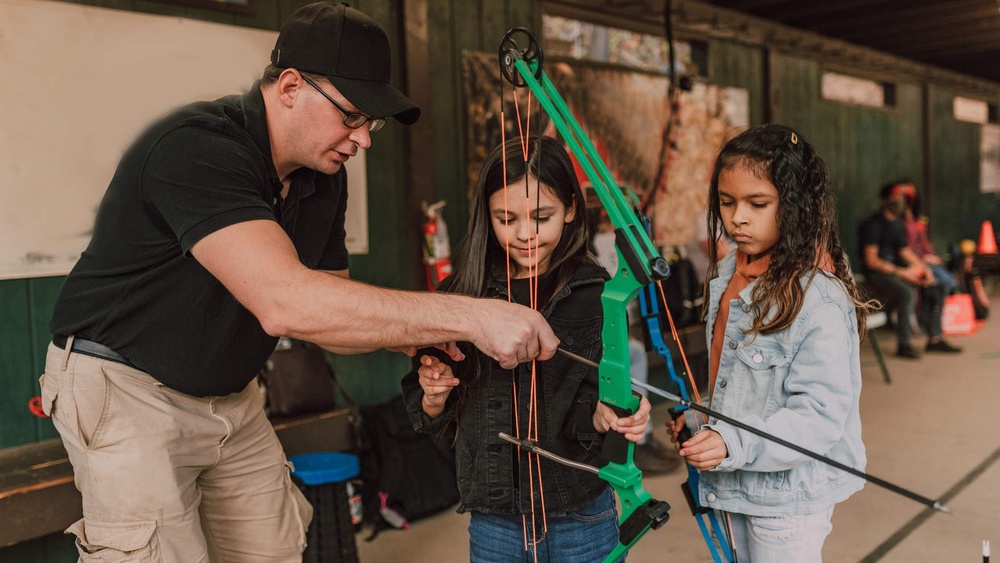
Whenever possible, visit an archery shop and let your child try several bows. This hands-on approach is the best way to ensure comfort and good fit.
Important Features To Look For
Beyond the basics, certain features make a big difference in usability and enjoyment.
Adjustability
Look for bows with easy-to-change draw weight and length. Some models use simple screws or cams. This flexibility means the bow will last through growth spurts.
Quality Arrow Rest
A good arrow rest holds the arrow steady and improves accuracy. Plastic rests are common on beginner bows, but some higher-quality models use metal for extra durability.
Comfortable Grip
A bow with a comfortable, non-slip grip is easier to hold and helps avoid hand fatigue. This is especially important for long practice sessions.
Simple Sight
Many youth bows come with a basic sight to help aim. While not essential for beginners, a sight can build confidence and make learning more fun.
Safety Accessories
Look for bows that include finger tabs, arm guards, or safety arrows. These add-ons protect young archers from string slap and other minor injuries.
Table: Key Youth Bow Features Comparison
To help you compare, here’s a quick look at key features for youth bows:
| Feature | Why It Matters | Best For |
|---|---|---|
| Adjustable Draw Weight | Grows with the child, prevents overexertion | All youth archers |
| Adjustable Draw Length | Ensures correct form, suits different sizes | Growing children |
| Quality Arrow Rest | Improves accuracy, reduces frustration | Beginners and intermediate |
| Comfortable Grip | Prevents slipping, reduces fatigue | All skill levels |
| Safety Accessories | Prevents injuries, builds confidence | Young beginners |
Setting A Budget And What To Expect
Price is always a factor, but spending more doesn’t always mean better results. Here’s what to consider when budgeting for a youth bow.
Entry-level Bows
Good-quality starter bows usually range from $30 to $120. These often include arrows and basic accessories. They’re perfect for first-time archers and casual use.
Mid-range Bows
For kids who want to practice regularly, $120 to $250 buys a more durable bow with better adjustability. These are often used in clubs or for more serious training.
High-end Youth Bows
Top youth compound or recurve bows can cost $250 to $400 or more. These feature advanced materials, precise adjustments, and may last several years if properly maintained.
Accessories
Don’t forget to budget for arrows, arm guards, finger tabs, and a case. Accessories can add $20, $100 or more, depending on quality and quantity.
Pro Tip: Start with fewer accessories. Upgrade as your child’s interest and skill grow.
Where To Buy And What To Ask
Finding the right store or supplier is as important as picking the bow itself. Local archery shops offer expert advice and fitting, while online stores offer convenience and variety.
Local Archery Shops
Advantages:
- Personalized fitting and advice
- Ability to test different bows
- Support from experienced staff
Questions to ask:
- Can my child try different draw weights and lengths?
- What safety gear do you recommend?
- Do you offer lessons or beginner classes?
Online Stores
Advantages:
- Wide selection, often lower prices
- User reviews for guidance
Cautions:
- Always double-check return policies
- Look for clear sizing and fitting charts
- Be careful with unknown brands
Used Equipment
Buying used can save money, but check for wear and damage. Avoid bows with cracks, frayed strings, or missing parts.
Common Mistakes To Avoid
Many parents and beginners make avoidable errors when choosing a youth bow. Here’s how to sidestep them.
Choosing Too Much Draw Weight
A common mistake is thinking more power means better shooting. In reality, too much draw weight leads to poor form, fatigue, and even injury.
Ignoring Adjustability
Kids grow quickly, and a bow that fits today may be too small in six months. Adjustable bows are a smarter investment.
Overlooking Safety
Skipping finger tabs, arm guards, or using adult arrows can result in painful experiences. Always prioritize safety gear.
Not Trying Before Buying
Ordering online without trying first can lead to a bow that’s uncomfortable or unsuitable. Visit a shop if possible.
Buying Based On Looks
Bright colors or “cool” designs don’t guarantee quality or fit. Focus on function, not appearance.
Encouraging A Positive Archery Experience
A youth bow is just the beginning. How you support your young archer shapes their experience.
Take Lessons
Professional instruction helps build good habits and keeps kids motivated. Many clubs offer beginner programs for youth.
Practice Together
Shooting as a family or with friends makes learning more fun. It’s also a good way to model safe habits.
Set Realistic Goals
Archery is a skill that takes time. Celebrate small improvements and keep sessions short and enjoyable.
Maintain The Equipment
Teach your child how to care for their bow, checking strings, cleaning, and storing safely. This builds responsibility and prolongs the life of the equipment.
Table: Youth Bow Sizing By Age And Height
To help match bow size with your child’s age and height, here’s a quick reference:
| Age | Height Range | Suggested Bow Length | Typical Draw Weight |
|---|---|---|---|
| 5-7 | Under 4’0” | 44-48 inches | 10-15 lbs |
| 8-12 | 4’0”, 4’6” | 48-54 inches | 15-20 lbs |
| 13-16 | 4’6”, 5’2” | 54-64 inches | 20-30 lbs |
| 16+ | 5’2” and up | 64 inches or more | 25+ lbs |
Frequently Asked Questions
What Is The Difference Between Youth Bows And Adult Bows?
Youth bows are designed for smaller bodies, with lower draw weights and shorter lengths. This makes them easier and safer for children to use. Adult bows are heavier, longer, and require more strength. Using an adult bow before a child is ready can cause frustration and even injury.