How to Choose Arrows Traditional Archery: Expert Tips for Beginners
Choosing the right arrows is one of the most important parts of enjoying traditional archery. Whether you’re just starting or looking to improve your skills, the type of arrow you use can change your shooting experience. The right arrow boosts accuracy, safety, and confidence. But with many materials, sizes, and features available, making a decision can feel confusing, especially for beginners.
Traditional archers use classic bows like longbows and recurves, not modern compound bows. This style is about skill, feel, and tradition. Your arrows must match your bow and shooting style. Many new archers focus on the bow, but arrows are just as critical.
A mismatched arrow can make aiming difficult, slow progress, or even damage your equipment.
In this guide, you’ll learn how to choose arrows for traditional archery. We’ll cover the basics and dig into details, like materials, spine, length, and points, so you can make a smart choice. You’ll also find practical tips, real examples, and answers to common questions that go beyond the basics.
If you want to shoot well and enjoy every session, this guide is for you.
Understanding Arrow Anatomy
Before you buy arrows, it helps to know the main parts. Every part affects how the arrow flies and performs.
- Shaft: The main body of the arrow. Most performance factors depend on the shaft.
- Point (Tip): The metal tip at the front. Different points are used for practice, hunting, or special targets.
- Nock: The small plastic piece at the back. It fits onto your bowstring.
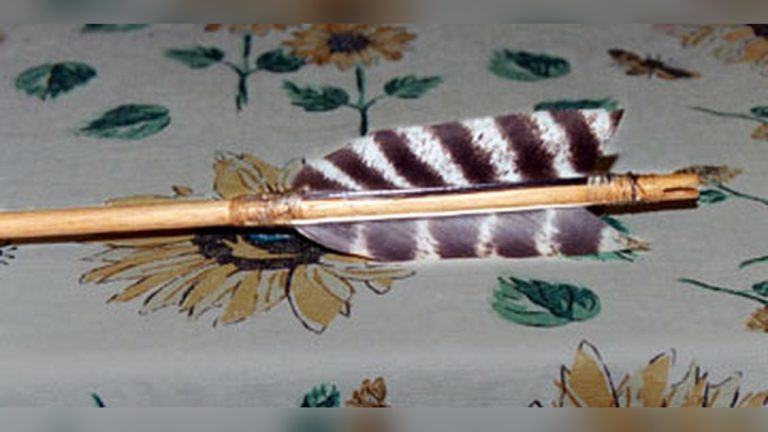
- Fletching: Feathers or vanes near the nock that guide the arrow in flight.
Each part comes in different styles and materials. Changing one part can change your shooting experience.
Arrow Materials: Wood, Carbon, Or Aluminum?
Material is one of the first choices you’ll make. Each type has strengths and weaknesses for traditional archery.
Wood Arrows
Wood is the classic choice. It’s traditional, natural, and feels authentic. Most traditional archers love wood arrows for their look and “feel. ” Popular woods include cedar, pine, and spruce.
- Pros: Authentic, easy to customize, works well with longbows and recurves.
- Cons: Can warp with moisture, less durable than modern materials, may vary in weight and straightness.
Example: When I started, I used cedar arrows with real turkey feathers. They flew beautifully but needed careful storage to stay straight.
Carbon Arrows
Carbon arrows are very popular today, even among some traditional archers. They are straight, consistent, and tough.
- Pros: Very durable, light, consistent in weight and spine, less likely to break.
- Cons: Less “traditional” feel, can be more expensive, sometimes hard to repair.
Aluminum Arrows
Aluminum was the main arrow material for decades. It’s still used by many archers who want a balance between tradition and technology.
- Pros: Consistent, easy to tune, can be reused after slight bends.
- Cons: Not as tough as carbon, heavier than carbon, can dent.
Comparison Of Arrow Materials
Here’s a quick look at how these materials compare for traditional archery:
| Feature | Wood | Carbon | Aluminum |
|---|---|---|---|
| Authentic Feel | High | Low-Medium | Medium |
| Durability | Low | High | Medium |
| Weight Consistency | Low | High | High |
| Cost | Low-Medium | Medium-High | Medium |
| Customizable | High | Medium | Medium |
Pro Tip: If you’re competing in historical events, check the rules, many require only wood arrows with natural fletching.
Choosing The Right Arrow Spine
Arrow spine is how much an arrow bends. It’s one of the most confusing topics for new archers, but also the most important. If your arrow is too stiff or too flexible, it won’t fly straight.
What Is Arrow Spine?
Arrow spine is measured by how much an arrow bends under a set weight. A lower number means a stiffer arrow. For example, a 500 spine is stiffer than a 700 spine. Each bow and draw weight needs a different spine.
Why Spine Matters
If you use an arrow that’s too stiff or too flexible, your shots will be off target. The wrong spine can make the arrow “kick” or wobble in flight. This is called the “archer’s paradox. ”
How To Choose The Right Spine
- Know Your Bow’s Draw Weight: Heavier bows need stiffer arrows.
- Check Arrow Length: Longer arrows act more flexible, so you may need a stiffer spine.
- Consider Point Weight: Heavier tips make the arrow act more flexible.
- Use a Spine Chart: Most archery shops and arrow makers offer charts to match your bow and arrow length with the right spine.
Example Spine Chart
Here’s a basic guide (always check the chart for your arrow brand):
| Bow Draw Weight | Arrow Length | Recommended Spine |
|---|---|---|
| 25-35 lbs | 28″ | 800 |
| 35-45 lbs | 28″ | 700 |
| 45-55 lbs | 28″ | 600 |
| 55-65 lbs | 28″ | 500 |
Pro Tip: Always test a few different spines if you can. Sometimes the “right” spine on paper doesn’t feel the best for you.
Determining Proper Arrow Length
Arrow length is not the same as your draw length, but they’re closely linked. Using the wrong length can be unsafe or make aiming difficult.
How To Measure Arrow Length
- Draw a bow with a helper watching.
- Have them mark the arrow at the front of the bow.
- Add 1, 2 inches for safety.
Most traditional archers use arrows about 1, 2 inches longer than their draw length. Never use arrows shorter than your draw, they can slip off the rest and cause injury.
Why Length Matters
If your arrows are too short, you risk shooting off the tip and hurting yourself. Too long, and the arrow becomes less stable and heavier.
Example: My draw length is 28 inches, but I shoot 29.5-inch arrows for a safe margin and better flight.
Arrow Weight And Its Effects
Arrow weight is measured in grains. Both the shaft and the point add up to the total weight. Traditional archers often use arrows weighing 8, 10 grains per pound of bow draw weight.
Light Vs. Heavy Arrows
- Light arrows fly faster but can be less stable and noisier.
- Heavy arrows are slower but hit harder and are quieter.
Some archers prefer heavy arrows for hunting because they penetrate better. For target practice, lighter arrows may be easier to handle, but don’t go too light, arrows that are too light can damage your bow.
Finding The Right Arrow Weight
Check your bow’s minimum arrow weight (often listed in the manual). Then, pick an arrow in the safe range for your bow and purpose.
Arrow Fletching: Feathers Vs. Vanes
Fletching helps the arrow fly straight. Traditional archers almost always use feathers, but plastic vanes are also available.
Feathers
- Pros: Lightweight, classic look, work well off the shelf or rest.
- Cons: Less durable in rain, can tear.
Vanes
- Pros: Durable, work in wet weather.
- Cons: Not traditional, may not clear the bow shelf well.
Pro Tip: If you shoot off the shelf (no arrow rest), always use feathers for better flight.
Arrow Points: Field, Target, And Broadheads
The arrow point affects penetration, accuracy, and use. Not all points are legal for all uses.
Field Points
Best for practice and targets. Easy to pull from foam and straw.
Target Points
Slightly sharper and longer than field points. Used in competitions.
Broadheads
Wide, sharp blades for hunting. Only use if allowed and with proper training.
Small Game And Blunt Points
Special points for hunting small animals or for “stumping” (shooting at tough objects).
Nocks: Getting The Right Fit
The nock holds the arrow on the string. Too tight or too loose, and your accuracy suffers.
- Tight nock: Hard to release, can cause a dry fire.
- Loose nock: Falls off the string, poor accuracy.
Test your nocks: the arrow should “click” onto the string but come off with a gentle tap.
Matching Arrows To Your Bow
Each bow is different. Even two longbows of the same draw weight may need different arrows. Here’s how to match arrows to your setup:
- Know your bow’s specs: Draw weight, draw length, and type.
- Pick a shaft material: Wood for tradition, carbon for durability, aluminum for balance.
- Select proper spine: Use a chart as a guide.
- Decide on length: Add 1, 2 inches to your draw length.
- Choose point weight: Heavier for hunting, lighter for target.
- Select fletching: Feathers for shelf shooters, vanes for rest shooters.
- Check nock fit: Test on your string.
Example: For a 40lb recurve with a 28-inch draw, a 29.5-inch cedar shaft with 100-grain field points and 4-inch feathers works well.
Tuning Arrows For Best Performance
Even the “right” arrows need fine-tuning. Tuning means adjusting your arrows for perfect flight.
Basic Arrow Tuning Steps
- Shoot groups: Try a few arrows of each type and watch how they fly.
- Check for fishtailing or porpoising: If arrows move left/right or up/down, adjust spine or point weight.
- Paper tune: Shoot through a paper target to see the tear pattern.
- Bare shaft testing: Shoot un-fletched arrows to see if they fly straight.
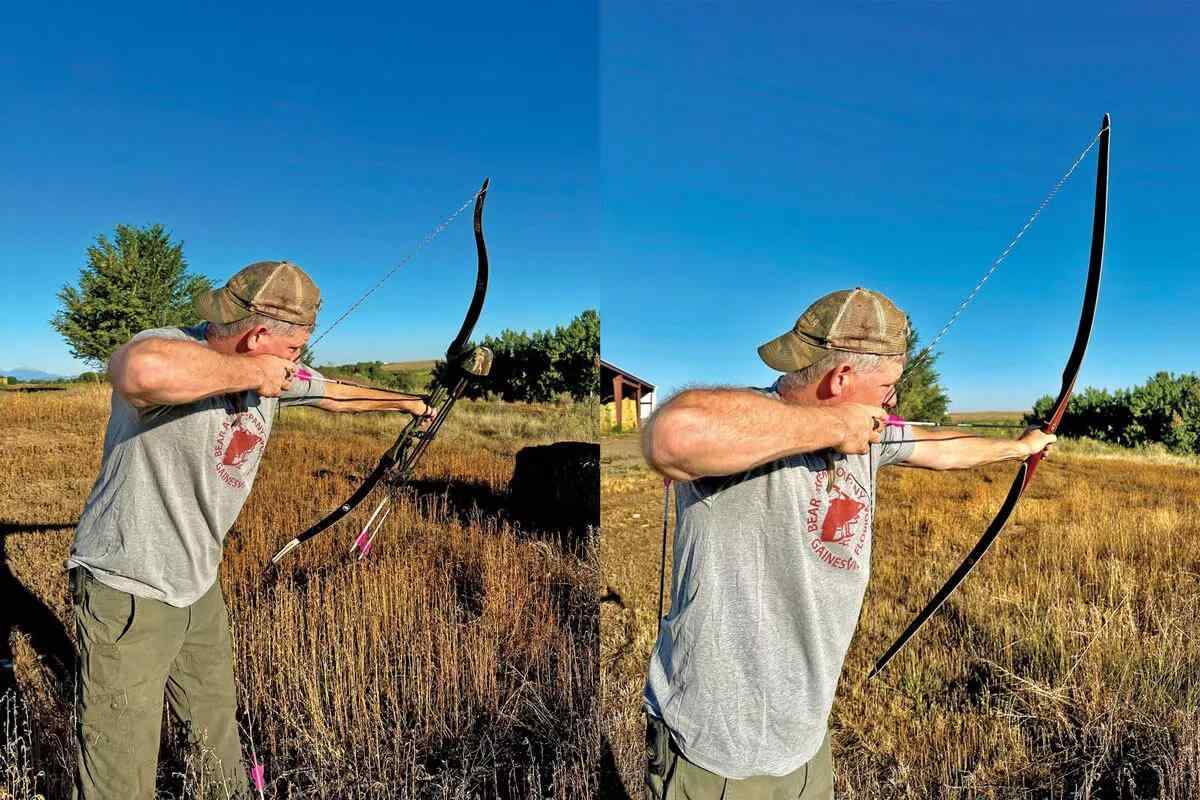
Making small changes can greatly improve your shooting. In my experience, changing point weight by just 25 grains made my arrows group much tighter.
Credit: www.bowhunter.com
Common Mistakes When Choosing Arrows
Many beginners make the same errors when buying arrows for traditional archery. Here are some to avoid:
- Ignoring spine: Picking arrows by length or color alone leads to poor flight.
- Buying arrows too short: Unsafe and risky.
- Over-focusing on speed: Heavier arrows are often better for traditional bows.
- Not testing different setups: Small changes can have big effects.
- Using plastic vanes off the shelf: Leads to clearance issues.
Pro Tip: Always buy a few extra arrows in different setups to test before committing to a full set.
How To Buy Arrows: Custom, Pre-made, Or Diy?
There are three main ways to get arrows:
Pre-made Arrows
Buy and shoot right away. Good for beginners, but not always matched perfectly to your bow.
Custom Arrows
Ordered to your specs, length, spine, fletching, and color. Best for serious archers.
Diy (do It Yourself)
Build from raw shafts. You can tune exactly, but it requires tools and practice.
Example: I started with pre-mades, but building my own arrows taught me more about tuning and what works for my shooting.

Credit: altraarrows.com
Arrow Maintenance And Storage
Taking care of your arrows means they last longer and shoot better.
- Store wood arrows flat to prevent warping.
- Check for cracks or splits before each use.
- Replace damaged nocks or fletching immediately.
- Keep carbon arrows clean and inspect for splinters.
Safety Tips For Traditional Archery Arrows
Safety should always come first:
- Never shoot a cracked or splintered arrow.
- Don’t use arrows that are too short for your draw.
- Store arrows in a dry place.
- Check nock fit regularly.
Warning: Using the wrong arrow can damage your bow or cause injury.

Credit: www.youtube.com
Comparing Arrows For Different Purposes
Traditional archers have many goals: target shooting, hunting, or historical reenactment. Your purpose affects your arrow choice.
| Purpose | Best Shaft Material | Recommended Point | Fletching |
|---|---|---|---|
| Target Practice | Carbon or Wood | Field/Target | Feathers |
| Hunting | Wood or Carbon | Broadhead | Feathers |
| Historical Reenactment | Wood | Field or Blunt | Feathers |
Pro Tip: Always check local laws for hunting or events. Some places have strict rules about arrow materials and points.
Where To Find Reliable Arrow Information
If you want to learn more, check out the Wikipedia entry on arrows for an in-depth look at arrow history, design, and use. Talking to local archery shops and joining traditional