What Are Arrow Rests and Why They Matter for Accuracy
Are Rests Arrow
Archery is more than just shooting arrows at a target. Success depends on many details, and one of the most important is the arrow rest. If you are new to archery or even have some experience, you may wonder: Are rests arrow? In other words, what exactly are arrow rests, why do they matter, and how do you choose the right one? This article will answer these questions and more, using clear language and real examples.
The arrow rest is a small but vital part of the bow. It supports the arrow before and during the shot. Choosing the right rest can improve your accuracy and consistency. On the other hand, using the wrong rest or setting it up incorrectly can ruin your aim and damage your arrows. Many archers overlook this part, but understanding it can make a big difference in your results.
This guide covers the main types of arrow rests, how they work, how to choose one, and common mistakes to avoid. It also includes comparisons, practical tips, and answers to questions beginners often ask. Whether you are a target shooter, a bowhunter, or just curious, you will find all you need to know about arrow rests below.
What Is An Arrow Rest?
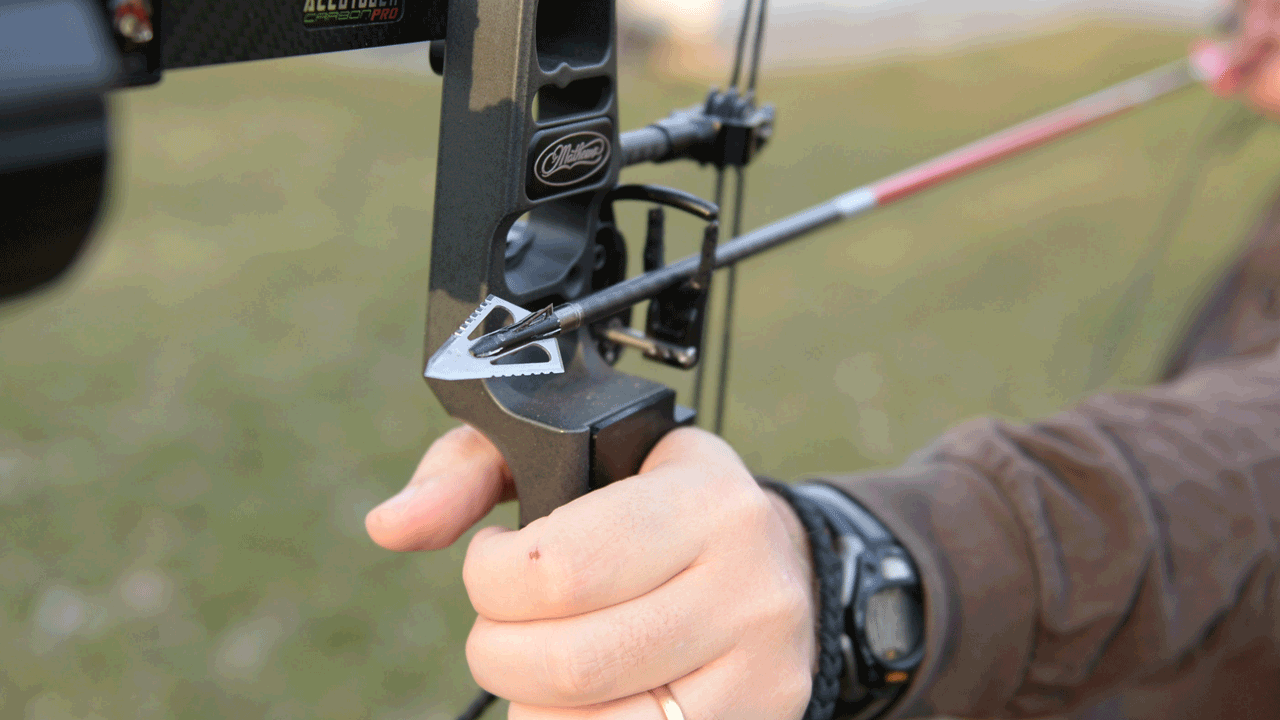
The arrow rest is a device attached to the bow’s riser, just above the grip. Its main job is to support the arrow until you release it. Without a rest, the arrow would fall off or behave unpredictably.
Some traditional bows, like longbows, do not use a separate rest; the arrow sits directly on the hand or shelf. However, most modern bows, recurve and compound, use some type of arrow rest for better control and accuracy.
Key Functions Of An Arrow Rest
- Support: Keeps the arrow in place before shooting.
- Guidance: Helps direct the arrow along the correct path.
- Consistency: Makes each shot more repeatable and accurate.
The rest may look simple, but its design affects how smoothly the arrow leaves the bow and how well it flies. A poor rest can cause the arrow to wobble, twist, or even fall off the bow.
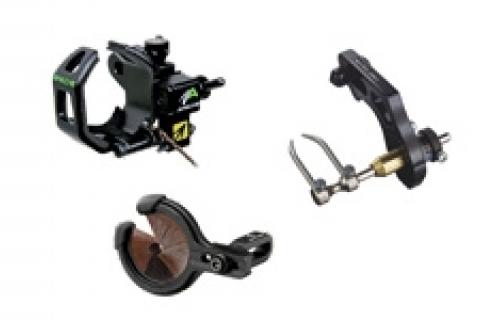
Credit: 1source.basspro.com
Types Of Arrow Rests
There are many kinds of arrow rests. The best choice depends on your bow type, shooting style, and personal preference. Let’s explore the most popular types and their main features.
1. Shelf Rests
Shelf rests are the simplest. Traditional bows often have a flat surface, called a shelf, where the arrow sits. Sometimes a small piece of leather or felt is added for protection.
- Pros: Very simple and durable, no moving parts.
- Cons: Less forgiving; requires good form.
These are common on longbows and some recurve bows. Many traditional archers prefer them for their simplicity.
2. Stick-on Rests
Stick-on arrow rests are popular with recurve shooters, especially beginners and Olympic archers. They stick to the side of the riser and often have a small arm or finger to hold the arrow.
- Pros: Lightweight, easy to install, affordable.
- Cons: Can wear out or break over time.
Most entry-level recurve bows come with a plastic stick-on rest. These are great for starting out but may need replacement with heavy use.
3. Plunger Rests
A plunger rest is used with a device called a plunger or button. This setup allows for fine tuning of the arrow’s flight.
- Pros: Very accurate, allows for adjustment.
- Cons: More expensive, requires some setup knowledge.
Olympic recurve archers often use this system. The plunger pushes against the arrow to help it leave the bow straight and reduce side-to-side movement.
4. Whisker Biscuit
The Whisker Biscuit is a round rest made of soft bristles. The arrow passes through the middle, supported by the bristles.
- Pros: Holds the arrow securely, good for hunting.
- Cons: Can slow the arrow slightly, bristles wear out over time.
Bowhunters like this rest because it holds the arrow in place, even if you move the bow around.
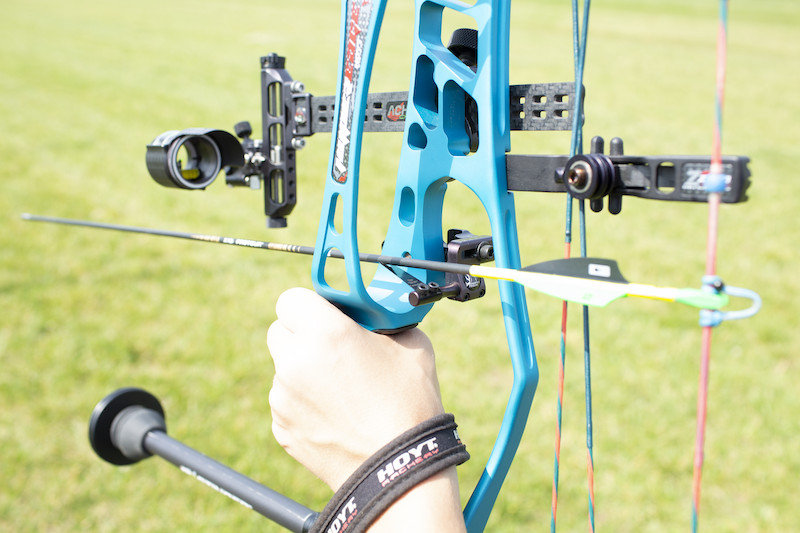
5. Drop-away Rests
Drop-away arrow rests hold the arrow in place before the shot, then drop out of the way when the string is released.
- Pros: Very accurate, reduces contact with the arrow.
- Cons: More complex, requires setup and tuning.
These are common on compound bows for hunting and target shooting. They help the arrow fly cleanly, with less interference.
6. Containment Rests
Containment rests use arms, fingers, or brushes to fully surround the arrow, holding it securely.
- Pros: Arrow cannot fall off, good for moving targets.
- Cons: Some types can interfere with arrow flight.
These are especially useful for beginners or anyone shooting from unusual positions.
7. Magnetic Rests
Magnetic arrow rests use a small magnet to hold the arm in place. When the arrow is released, the arm moves out of the way.
- Pros: Smooth release, low friction.
- Cons: Mostly for target recurve bows, not for hunting.
Used mainly in target archery, these rests are favored for their low impact on the arrow.
8. Flipper Rests
A flipper rest is a small wire or plastic piece that flips out of the way after the arrow passes.
- Pros: Simple, low cost, common in target shooting.
- Cons: Wire can bend, not for heavy arrows.
Flipper rests are often used with plungers for fine-tuned accuracy.
Comparing Arrow Rest Types
To help you understand the differences, here’s a side-by-side view of some popular arrow rests:
| Type | Best For | Pros | Cons |
|---|---|---|---|
| Shelf Rest | Traditional bows | Simple, durable | Less forgiving |
| Stick-On Rest | Recurve beginners | Easy, cheap | Wears out |
| Plunger Rest | Olympic recurve | Adjustable, accurate | Complex |
| Whisker Biscuit | Bowhunting | Secure, easy | Slows arrow |
| Drop-Away Rest | Compound bows | Accurate, clean shot | Needs tuning |
Credit: www.bowhunting.com
How Arrow Rests Affect Shooting
The choice of arrow rest can change how your arrows fly and how easy it is to shoot accurately. Here’s what happens if you use the wrong rest or set it up incorrectly:
- Poor Arrow Flight: Too much contact with the arrow can cause it to wobble.
- Lower Accuracy: Inconsistent launch means arrows miss the target.
- Arrow Damage: Hard or sharp rests can damage arrow fletching or shafts.
For example, if you use a Whisker Biscuit but your arrows are too large, the bristles will bend too much, causing arrows to fly off-target. Or if you use a drop-away rest and set it to drop too soon, the arrow will fall out or lose support mid-shot.
Pro Tip: Always match your rest to your arrow size and bow type. Even a small mismatch can cause problems.
How To Choose The Right Arrow Rest
Selecting the right arrow rest depends on several key factors. Here’s how to make the best choice.
1. Bow Type
- Traditional bows: Shelf or simple stick-on rests work best.
- Recurve bows: Stick-on, plunger, or magnetic rests are popular.
- Compound bows: Drop-away or containment rests are common.
2. Purpose
- Target shooting: Choose a rest that offers fine adjustment and minimal contact, such as a plunger or magnetic rest.
- Hunting: Choose a rest that holds the arrow securely, like a Whisker Biscuit or containment rest.
3. Arrow Size And Material
Thick arrows need wider rests. Carbon arrows may need softer rests to avoid damage.
4. Experience Level
- Beginners: Simple, durable rests are easier to use.
- Advanced archers: Adjustable rests allow for more tuning and accuracy.
5. Budget
Some arrow rests cost less than $10, while high-end models can cost $100 or more. Consider how much you want to spend for your needs.
Example: When I started archery, I used a basic stick-on rest. It was cheap and easy to use. As I improved, I switched to a plunger rest for better accuracy in competitions.
Setting Up And Tuning An Arrow Rest
Even the best rest will not work if it is not set up correctly. Here’s a basic guide to setup.
- Attach the rest: Follow the manufacturer’s instructions. Make sure it is level and secure.
- Set the center shot: Align the arrow so it points straight from the string through the rest.
- Check clearance: Make sure vanes or fletching do not hit the rest.
- Test shoot: Shoot a few arrows and look for strange sounds or flight patterns.
- Fine-tune: Adjust the rest position if arrows fly left or right, or if the arrow fishtails.
If you use a plunger or drop-away rest, you may need more detailed tuning. Many archery shops offer help with setup.
Common Arrow Rest Mistakes And How To Fix Them
Many archers make mistakes with their arrow rests. Here are some common problems and solutions.
1. Using The Wrong Rest For The Bow
Some rests are not made for certain bow types. For example, a Whisker Biscuit is not good for traditional bows.
Solution: Always check if the rest matches your bow.
2. Poor Installation
If the rest is crooked or loose, your arrows will not fly straight.
Solution: Use a bow square or ask an expert to check the alignment.
3. Arrow Contact
If the arrow hits the rest too much, it will not fly cleanly.
Solution: Try a different rest or adjust the rest and nocking point.
4. Using Worn-out Rests
Plastic rests and bristles wear out over time.
Solution: Replace worn rests regularly.
5. Ignoring Fine Tuning
Some archers never adjust their rest after installing it.
Solution: Experiment with small adjustments for better results.
Credit: archery360.com
Arrow Rest Materials And Durability
Arrow rests can be made from plastic, metal, rubber, or a mix of materials. Each has pros and cons.
- Plastic: Cheap and light, but can wear out quickly.
- Metal: Durable and precise, but can be heavy or expensive.
- Rubber: Gentle on arrows, but not as long-lasting.
Here’s a quick material comparison:
| Material | Durability | Cost | Best Use |
|---|---|---|---|
| Plastic | Low | Low | Beginners, practice |
| Metal | High | High | Competition, hunting |
| Rubber | Medium | Medium | All-around, arrow protection |
Pro Tip: If you shoot often, choose a metal or quality composite rest for longer life.
Maintenance And Care Tips
Proper care keeps your arrow rest working well. Here’s what to do:
- Check for damage: Look for cracks or worn areas often.
- Clean regularly: Remove dust, dirt, or feathers that build up.
- Replace parts: If your rest has moving parts, replace springs or bristles as needed.
- Store properly: Avoid dropping or crushing your bow.
A well-maintained rest lasts longer and gives better performance.
Non-obvious Insights About Arrow Rests
Many beginners do not realize how much the arrow rest affects their shooting. Here are two insights that are often missed:
- Arrow Rest Height Changes Arrow Flight: Even a small change in the height of your rest (up or down by 1 millimeter) can change your point of impact at 20 meters. If your arrows suddenly hit high or low, check your rest position before changing anything else.
- Vane Clearance Is Critical: Fletching contact with the rest is a leading cause of poor accuracy. To check, use powder or spray on your fletchings and shoot. Any mark on the rest means you need to adjust position or try a different rest style.
In my experience, just switching to a properly set up drop-away rest improved my group sizes by 20% at 30 meters. These small adjustments matter more than many realize.
Arrow Rests And Competitive Archery
In competitive archery, rules may limit which rests you can use. For example, in Olympic recurve competitions, only simple stick-on or plunger rests are allowed. Compound archery allows more variety, including drop-away and containment rests.
Choosing the right rest for your discipline is important. Check the rulebook before buying a new rest for competition.
Arrow Rests For Bowhunting
For bowhunters, the arrow rest must hold the arrow securely in any position. Animals may appear suddenly, and you do not want the arrow to fall off.
Popular choices:
- Whisker Biscuit: Holds the arrow well, even if you tilt the bow.
- Full containment rest: Surrounds the arrow completely.
Avoid rests that need careful arrow placement or that let arrows fall off easily. Noise is also a concern; choose a rest that is quiet and does not rattle.
Arrow Rests For Beginners
If you are just starting, keep it simple. A basic stick-on or containment rest is easy to use and forgiving. Do not worry about expensive or complex rests until your form is consistent.
Ask for help at your local archery shop. They can recommend a good starter rest and show you how to install it.
Arrow Rests And Arrow Selection
Your arrow rest must match your arrow type. Heavy arrows need strong rests. Thin carbon arrows may need a soft or narrow rest to avoid damage.
If you switch arrow types, check if your rest still works well. Sometimes you need to change or adjust your rest when you