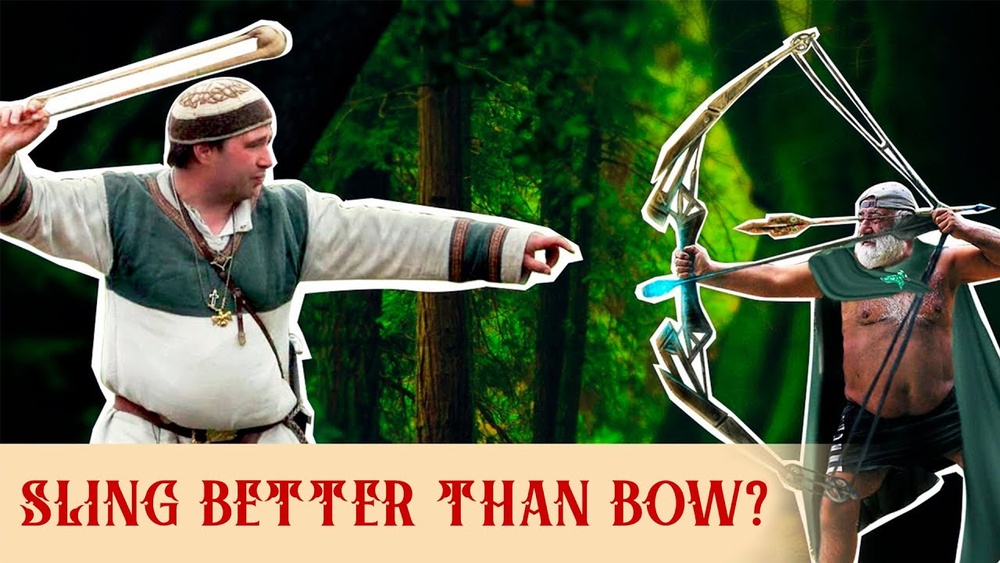
Is a Sling More Effective Than a Bow? Pros, Cons, and Myths
The sling and the bow are two of the oldest weapons used by humans. Both have shaped history, impacted warfare, and influenced hunting traditions around the world. But which one is more effective? This question is not as simple as it seems.
Effectiveness depends on many factors, including accuracy, range, power, training, and the context where each weapon is used.
To answer this, we’ll look at the technical differences, historical uses, practical advantages, and the challenges of mastering each weapon. We’ll compare data and real examples, clear up myths, and share insights from people who have used both tools. Whether you’re a history fan, an outdoor enthusiast, or simply curious, this article will help you understand the strengths and limits of the sling and the bow.
Understanding The Sling
The sling is a simple device made from a strip of cloth, leather, or cord. It has a pouch in the middle to hold a stone or projectile. The user swings the sling in a circle, then releases one end to let the stone fly. Despite its basic design, the sling can be a deadly weapon in skilled hands.
How The Sling Works
A sling uses the principle of centrifugal force. By spinning the sling, you build up speed in the projectile. When you let go, the stone travels at high speed toward the target. The motion is similar to a hammer throw in athletics.
Example: In ancient times, the sling was used by shepherds to protect flocks from predators. It was also used in battles, such as the famous story of David and Goliath.
Accuracy And Range
A well-trained slinger can hit targets at long distances. However, most beginners find it hard to aim with a sling. The projectile’s flight can be unpredictable, especially in windy conditions. Skilled users can achieve impressive accuracy, but it takes years of practice.
Pro Tip: If you’re just starting, try using larger stones and practice at close range. Over time, you’ll learn how to control the release and improve your aim.
Power And Damage
A sling can throw a stone fast enough to cause serious injury. Ancient records mention sling stones breaking bones and even killing armored soldiers. However, the power depends on the size and weight of the projectile, the length of the sling, and the strength of the user.
The Bow: A More Complex Weapon
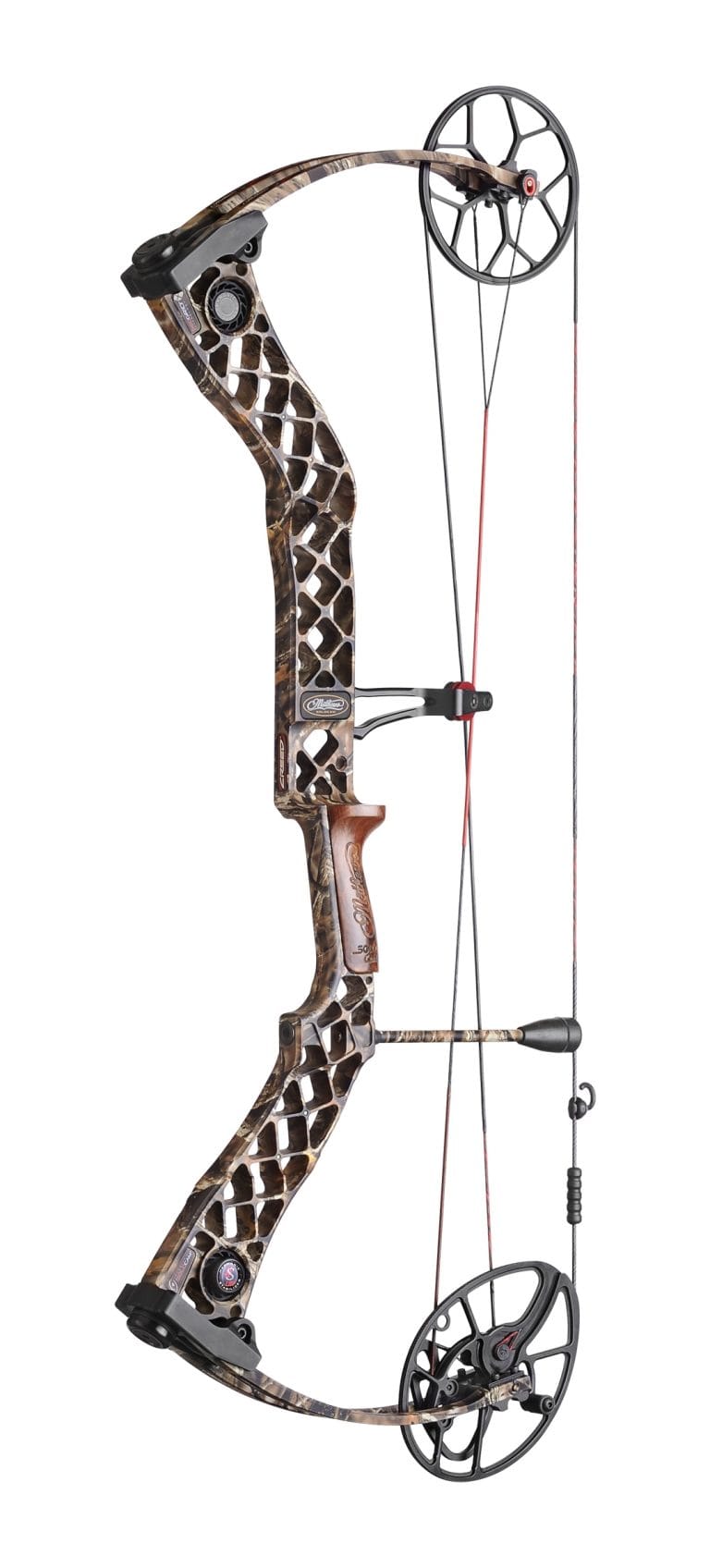
The bow is a curved piece of wood (or modern materials) with a string connecting the ends. The archer pulls the string back, stores energy in the bow, and releases it to shoot an arrow. Bows come in many types, including longbows, recurve bows, and compound bows.
How The Bow Works
When you draw the string, you bend the bow and store energy. Releasing the string transfers this energy to the arrow, sending it toward the target. The arrow is designed for flight, with fletching (feathers) to keep it stable.
Example: Bows have been used for hunting, sport, and war in cultures from Asia to Europe and the Americas.
Accuracy And Range
Most people find it easier to aim with a bow than a sling. The arrow’s flight is more predictable, and the bow has sights or guides to help with targeting. Some traditional bows can shoot over 200 yards, but effective hunting or combat ranges are usually much shorter.
Power And Damage
Arrows are sharp and can penetrate flesh, bone, and sometimes armor. Compared to a sling, a bow generally delivers more consistent power and accuracy. Modern compound bows are extremely powerful and accurate.
Comparing Sling And Bow: Technical Data
Let’s look at the key technical differences in a side-by-side comparison.
| Feature | Sling | Bow |
|---|---|---|
| Typical Range | Up to 150 yards (skilled users) | Up to 200+ yards (traditional bows) |
| Accuracy (beginner) | Low | Medium to high |
| Accuracy (expert) | Medium to high | High |
| Projectile Speed | 90-120 mph (stone) | 120-170 mph (arrow) |
| Training time for proficiency | Months to years | Weeks to months |
| Projectile cost | Stones/free | Arrows/costly |
| Weapon cost | Minimal | Varies (can be expensive) |
| Quietness | Very quiet | Quiet |
These numbers are based on historical records and modern tests. Notice the sling’s low cost and quietness, but also its steep learning curve.
Historical Context: Sling Vs Bow
Both weapons have rich histories, but their roles were different.
Sling In Ancient Warfare
The sling was used by armies in the Mediterranean, Middle East, and South America. Slingers could harass enemy troops from a distance, targeting exposed parts of armor or hitting horses. The Balearic Islands were famous for their expert slingers, who trained from childhood.
Slings were popular because stones were easy to find, and slings were cheap to make. However, slingers needed much training, and their projectiles were less effective against heavy armor.
Bow In Ancient Warfare
Bows became more common as armies realized their advantages. Archers could shoot accurately from behind cover, deliver volleys, and use specialized arrows. The English longbow was feared in medieval Europe for its power and range. Mongol horse archers changed the nature of warfare in Asia.
Bows required skilled craftsmen to make, but archers could be trained faster than slingers. Arrows could be made for specific purposes, such as armor-piercing or fire arrows.
Hunting And Survival Uses
When hunting or surviving in the wild, the effectiveness of sling and bow changes.
Sling For Hunting
The sling is good for small game and birds. It’s silent, so it won’t scare animals away. Stones are free, and you don’t need much gear. However, hitting moving targets is difficult, and you risk injuring animals without killing them instantly.
Bow For Hunting
The bow is better for larger animals. Arrows can deliver a killing shot more reliably. Bows can be used from a distance, and hunting bows are made for power and accuracy. Many survival experts prefer bows because they can be used for fishing as well (bowfishing).
Warning: Many places have laws about hunting with primitive weapons. Always check local rules before you try.
Skill And Training
How hard is it to master each weapon? Let’s break it down.
Sling Training
Learning to use a sling well takes patience. You need to practice regularly to develop muscle memory. The hardest part is controlling the release so the stone flies straight. Most beginners struggle to hit targets, and even experienced slingers need to train often.
Example: The Balearic slingers were famous for their skill, but they trained from childhood, often using slings to knock fruit from trees.
Bow Training
Bows are easier to learn for most people. Drawing the string and aiming is more intuitive. Modern bows have sights that help with accuracy. Archers can become competent in weeks, though true mastery takes years.
Pro Tip: If you want to improve quickly, use a light bow at first. Focus on form and consistency before moving to heavier bows.

Credit: www.youtube.com
Practicality And Portability
Let’s consider how easy it is to carry, maintain, and use each weapon.
Sling Practicality
Slings are extremely portable. You can carry one in your pocket. They require little maintenance and are not affected much by weather. If you lose your sling, you can make a new one easily.
Bow Practicality
Bows are larger and require careful handling. They can be damaged by water, heat, or rough use. Arrows need to be protected from bending or breaking. Bows need regular maintenance, especially wooden ones.
| Aspect | Sling | Bow |
|---|---|---|
| Weight | Light (few ounces) | Medium to heavy (2-6 lbs) |
| Size | Fits in pocket | Requires case or sling |
| Maintenance | Minimal | Regular upkeep |
| Weather sensitivity | Low | Medium to high |
Modern Uses And Popularity
Today, both sling and bow have found new roles.
Sling Today
The sling is mostly used for sport, historical reenactment, and survival training. Groups like the International Slinging Federation organize competitions. Some survivalists practice with slings because they are easy to make and use in emergencies.
Bow Today
Bows are popular in archery sports, hunting, and even therapy for mental focus. Modern bows include recurve and compound types, used in the Olympics and hunting. Archery clubs and ranges are common in many countries.

Credit: www.youtube.com
Cost And Accessibility
Let’s look at what it takes to get started with each weapon.
Sling Cost
You can make a sling from household materials. Stones are free. Even professionally made slings cost very little. This makes slings accessible to everyone.
Bow Cost
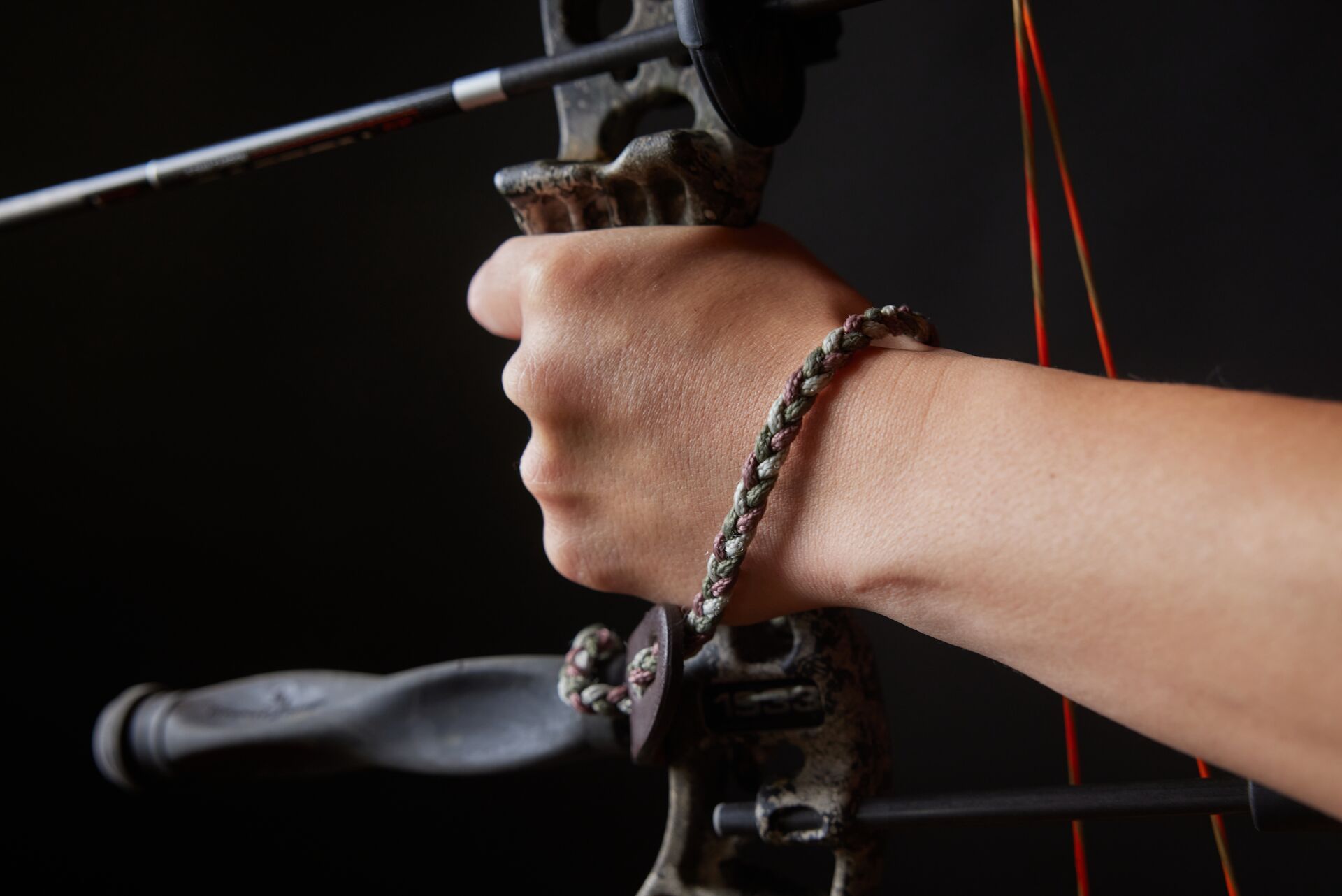
Bows range from inexpensive ($30 for a basic bow) to hundreds or thousands of dollars for advanced models. Arrows cost extra, and you may need accessories like arm guards, targets, and cases.
Example: When I tested both, I found that slings were easier to get started with, but bows gave faster results for hitting targets.
Safety And Legal Concerns
Both weapons are dangerous if used improperly.
Sling Safety
Slings can send stones at speeds that can seriously injure or kill. Always practice in open spaces and never aim at people or animals unless hunting is legal and ethical.
Bow Safety
Bows and arrows can be lethal. Most archery ranges have strict rules. Always use proper backstops and never shoot at hard surfaces.
Warning: Many cities and countries have laws about carrying or using bows and slings. Always check before you practice or hunt.
Sling Vs Bow: Which Is More Effective?
Now, let’s answer the main question: Is a sling more effective than a bow? The answer depends on what you mean by “effective.”
In Warfare
Bows generally replaced slings in organized armies because they were easier to train, more accurate, and could use specialized arrows. Slingers remained useful in certain roles, but archers were more versatile.
In Hunting
Bows are more effective for hunting, especially larger animals. Arrows are more reliable for clean kills. Slings can be used for small game but are less effective for bigger targets.
In Survival
Slings win for portability and cost. You can make a sling anywhere and find projectiles. Bows are better for all-around survival hunting but need more gear.
In Training
Bows are easier to learn, but slings offer a rewarding challenge for those who want to master a unique skill.
| Scenario | More Effective |
|---|---|
| War (ancient) | Bow |
| Small game hunting | Sling |
| Large game hunting | Bow |
| Survival portability | Sling |
| Training for beginners | Bow |
Non-obvious Insights For Beginners
- Release timing is everything for slings. Unlike a bow, where the arrow is guided by the string, the sling’s projectile depends on when you let go. This makes slings much harder to master but also allows unique throws, such as curved shots.
- Arrows are not just for piercing. In bow hunting, choosing the right arrow tip (broadhead, field point, etc.) Can change the effectiveness dramatically. Beginners often use the wrong tip for their target.
- Weather affects bows more than slings. Wooden bows can warp in humidity or heat, while slings work in almost any condition. This matters for outdoor survival.
- Slings can use many projectiles. You can throw marbles, lead balls, or even clay pellets. Bows need arrows, which are harder to make in the wild.
Real-world Examples
- The Roman army used slingers alongside archers for flexibility, but eventually favored bows for their greater range and power.
- The Balearic Islands still hold sling competitions, showing the skill passed down through generations.
- Modern archery is a sport with millions of participants, and hunting with bows is legal in many states.
Frequently Asked Questions
Credit: huntwise.com
What Is The Best Material For Making A Sling?
The best material depends on your needs. Leather is durable and flexible, making it ideal for the pouch. Strong cord, like paracord, works well for the arms. For beginners, using cloth or denim can help you practice without spending much.
Advanced slingers often use custom materials for better speed and control.
Can Slings Be Used For Fishing?
Yes, but it’s rare. Some survival experts use slings to stun fish in shallow water. However, bows are much more effective for fishing, especially bowfishing, where arrows are used to catch fish directly.
Are There Modern Competitions For Sling Users?
Absolutely. There are organized sling competitions in countries like Spain and Israel. These events test accuracy, distance, and speed. Rules vary, but the spirit is the same: to honor an ancient skill.
Is It Possible To Make Arrows In The Wild?
It is possible, but challenging. You need straight sticks, feathers, and sharp tips (stone or metal). Making effective arrows takes time and skill. Slings are easier to supply in the wild because stones are everywhere.
Which Weapon Is Quieter For Stealth Purposes?
Both are quiet, but the sling is nearly silent. You can use it without alerting animals or people nearby. Bows make a slight noise when the string releases, but it’s still low compared to modern firearms.
If you want to learn more about ancient weapons and their effectiveness, visit Wikipedia for detailed articles and historical references.
The sling and the bow each have unique strengths. Deciding which is more effective depends on your situation and goals. For raw power and accuracy, the bow is superior. For portability, cost, and stealth, the sling has advantages. In my experience, both are fascinating to learn and offer practical skills for history, sport,