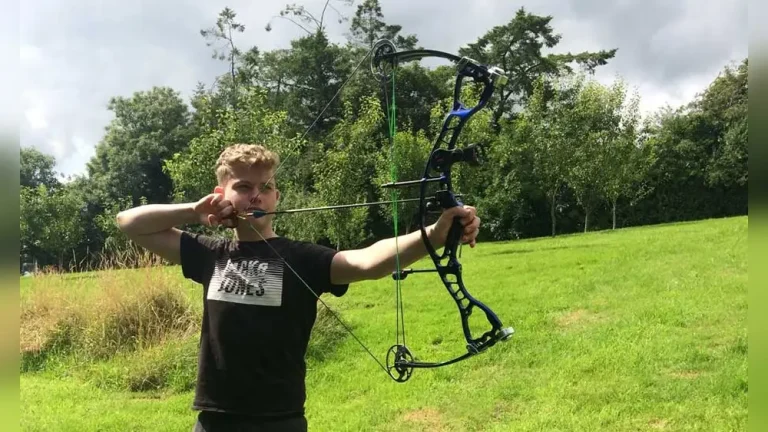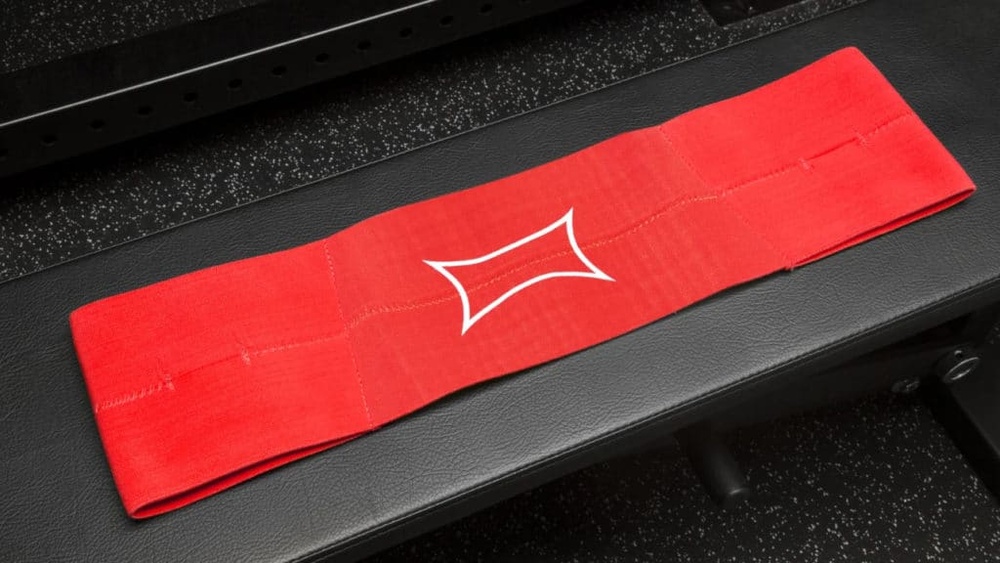
How To Attach Therabands To Sling Bow
Whether you’re a seasoned slingshot enthusiast seeking more power or a beginner curious about alternative archery, the sling bow offers an exciting blend of innovation and tradition. Combining the portability of a slingshot with the functionality of a bow, sling bows use elastic bands to launch arrows, creating a compact, versatile tool for target practice and small game hunting. The choice of band system is crucial for performance, and Therabands, elastic resistance bands popular in fitness, have emerged as a top choice for their power and stretch characteristics. But how do you correctly attach Therabands to a sling bow for optimal efficiency and safety?
The process is more nuanced than simply tying a knot. Improper attachment can reduce shooting power, cause premature band wear, or even result in safety hazards. This comprehensive guide walks you through every step of attaching Therabands to your sling bow, from selecting the right band type and understanding the mechanics, to step-by-step installation, tuning, and maintenance.
Along the way, you’ll find expert tips, comparison tables, and real-world examples, whether you’re retrofitting a classic slingshot or assembling a custom rig.
Key Takeaways
- Therabands are popular for sling bows due to their superior elasticity, customizable draw weights, and affordability.
- Proper attachment techniques, including folding, tying, and securing, directly impact shooting performance and band longevity.
- Band selection (width, thickness, and cut style) should match your draw weight needs and shooting style.
- Maintenance routines and safe handling practices are essential for maximizing the lifespan and safety of your Theraband sling bow setup.
- Real-world examples and data-driven tables in this guide help you choose and install Therabands confidently.
- FAQs at the end address advanced tips and troubleshooting not covered in the main sections.

Credit: www.alloutdoor.com
Understanding Sling Bows And Therabands
Before diving into attachment techniques, it’s essential to understand the mechanics and advantages of using Therabands with sling bows. This foundational knowledge ensures you make informed decisions throughout the setup process.
What Is A Sling Bow?
A sling bow is a hybrid tool that merges the slingshot’s compact frame with the ability to shoot arrows. Instead of launching steel balls or pellets, a sling bow uses special pouches and notches to nock and propel arrows. The power source remains elastic bands, but with modifications for arrow stability and trajectory.
Key features of sling bows:
- Portability and lightweight design
- Adaptable for various arrow types
- Suitable for target shooting and small game hunting
- Typically requires higher draw strength than a standard slingshot
Why Use Therabands?
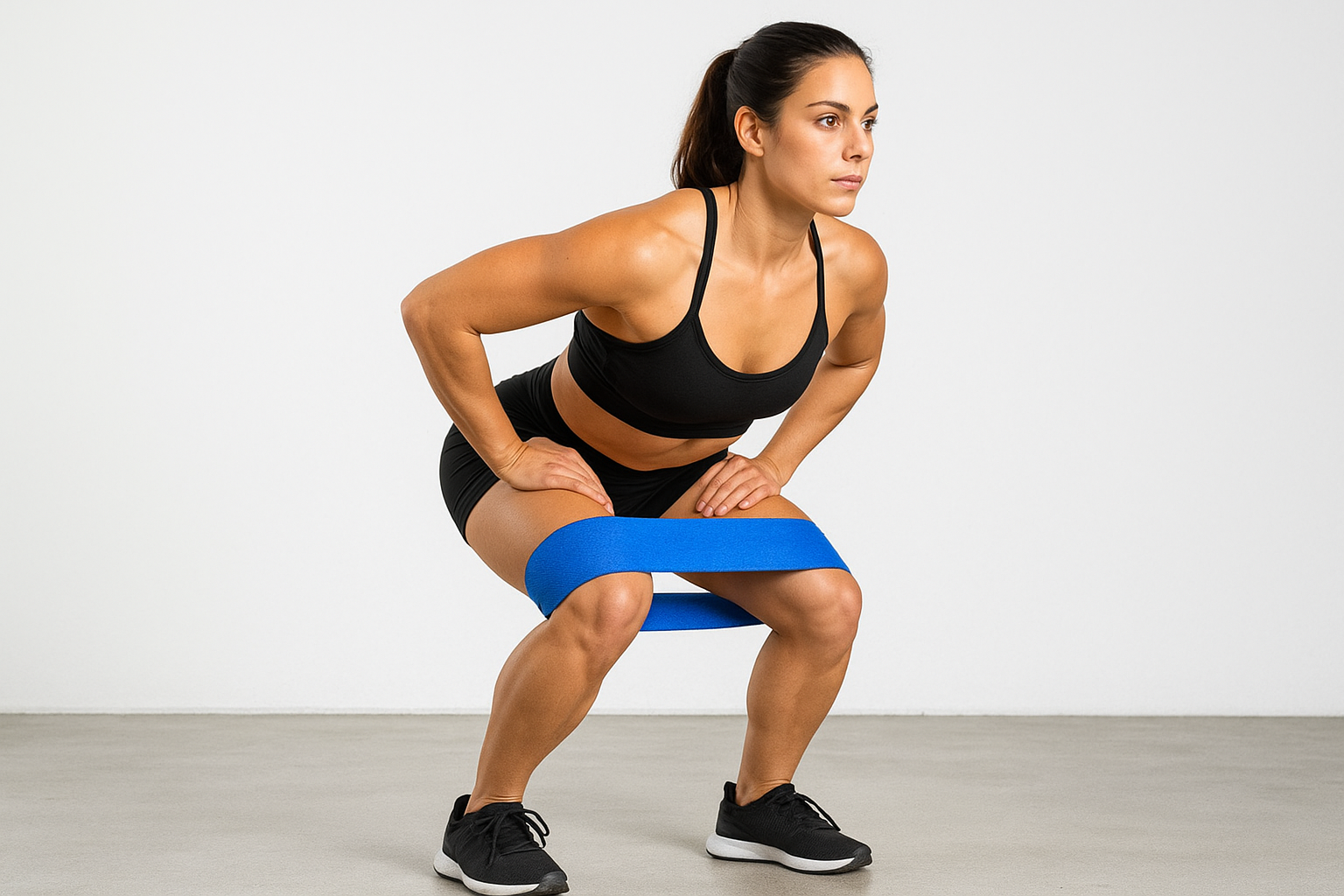
Therabands are flat, latex-based resistance bands originally designed for physical therapy. Their widespread adoption in the slingshot and sling bow community is due to:
- Superior elasticity: Enables higher arrow speeds
- Customizable draw weight: Easily cut to width for different power levels
- Availability and cost-effectiveness: Widely available and inexpensive compared to proprietary bands
- Consistent performance: Reliable snap-back properties for accurate shooting
Example: A study cited in the Wikipedia entry on slingshots notes that flat bands like Therabands can provide 15-30% higher velocities than tubular bands of similar pull weight.
Types Of Theraband And Their Properties
Therabands come in various colors, each denoting a different resistance level. For sling bow use, the most common choices are Gold, Blue, and Black, with Gold being the strongest.
| Theraband Color | Resistance Level | Typical Draw Weight (cut 1″ x 12″) | Recommended Use |
|---|---|---|---|
| Gold | Max | 30-40 lbs | Hunting, Heavy Arrows |
| Blue | High | 20-28 lbs | General Target, Medium Arrows |
| Black | Medium | 15-22 lbs | Light Target, Youth |
Pro Tip: In my experience, Gold Theraband offers the best balance of power and longevity for adult users, while Blue is a solid starting point for those prioritizing ease of draw.
Choosing The Right Band For Your Sling Bow
Select a Theraband based on:
- Draw weight suitable for your strength and intended use
- Band width and layering (single or double-layer) for desired speed and durability
- Cut style: Tapered (wider at fork, narrower at pouch) for speed, straight for longevity
Consider your arrow weight: heavier arrows require more powerful bands, while lighter arrows can use thinner bands for increased speed.
Credit: achillesfootandankle.com
Preparing Your Theraband And Sling Bow
Proper preparation is essential for both performance and safety. This section covers measuring, cutting, and prepping the bands, as well as readying your sling bow for attachment.
Measuring And Cutting Therabands
Start by determining the desired draw length, the distance you’ll pull from the pouch to full draw. Most adult users opt for a draw length of 28, 32 inches.
Steps:
- Measure out the length of Theraband required, typically 1.5, 2 times your draw length to account for stretching and attachment.
- Cut the width based on desired draw weight. For most setups, 0.75, 1.25 inches wide is typical.
- Decide on taper: Use a ruler and scissors to create a gradual taper, if desired, from 1.25 inches at the fork end to 0.75 inches at the pouch end.
Warning: Avoid jagged cuts, clean, straight edges reduce the risk of tearing.
Tools And Materials Needed
- Theraband strips (pre-cut or custom)
- Sharp scissors or rotary cutter
- Ruler or measuring tape
- Sling bow frame
- Pouch (often leather or synthetic)
- Binding material: Strong string, rubber bands, or zip ties
- Rubbing alcohol/wipes (for cleaning attachment points)
- Optional: Band tying jig for precision and consistency
Inspecting And Cleaning Your Sling Bow
Before attaching new bands:
- Inspect fork tips for sharp edges or burrs that could damage bands.
- Clean all surfaces with rubbing alcohol to remove oils and debris.
- Check pouch for wear, replace if cracked or stretched.
Example: A user reported that simply smoothing the fork tips with fine sandpaper increased band life by 25%, as it minimized micro-tears at the attachment point.
Pre-stretching And Conditioning Therabands
While not strictly required, gently pre-stretching new Theraband strips can reduce initial break-in and help identify defects.
How to pre-stretch:
- Hold each end and stretch the band to about 80% of its maximum length.
- Hold for 10-15 seconds, then release.
- Repeat 2-3 times for each strip.
Pro Tip: Lightly dusting bands with talcum powder can help prevent sticking and prolong elasticity, especially in humid environments.
Step-by-step Guide: Attaching Therabands To Your Sling Bow
This section details the most effective methods for securely attaching Therabands to both the fork tips and the pouch, maximizing power and ensuring safety.
Attaching To The Forks: Common Techniques
The fork tip is where your Theraband meets the frame. The goal is a secure, slip-free bond that doesn’t stress the latex.
1. Over-the-top (ott) Attachment
OTT is the most common method, where the bands lie over the top of the forks.
Steps:
- Lay the band flat on the fork tip, aligning the wide end with the edge.
- Wrap the band 1/2 inch over the tip.
- Use a strong string (e.g., waxed nylon) to wrap 4, 6 tight turns around the band and fork.
- Tie off with a double knot, ensuring the band is snug but not pinched.
- Trim excess and check for evenness.
Advantages:
- Maximizes shooting power
- Easiest for DIY repairs
2. Through-the-fork (ttf) Attachment
Less common for sling bows, TTF involves threading the band through a hole or notch in the fork.
Steps:
- Thread the band through the fork notch from front to back.
- Fold the band back along itself, doubling the attachment.
- Secure with a binding material, as above.
Advantages:
- Slightly smoother release for some shooters
- May reduce fork hits if properly aligned
3. Band Clamp Method
Some commercial sling bows feature band clamps or screw-on attachments.
Steps:
- Open clamp or unscrew attachment.
- Lay Theraband in place.
- Tighten clamp evenly, ensuring no pinching or bunching.
- Double-check for slippage by gently tugging the band.
Pro Tip: Clamps are excellent for frequent band changes and consistent alignment but check periodically for loosening.
Attaching The Theraband To The Pouch
The connection between the Theraband and the pouch is critical for arrow stability.
1. Wrap-and-tie
Steps:
- Insert the narrow end of the band through the pouch slit.
- Fold back about 1/2 inch of band over the pouch.
- Wrap tightly with string, using 4, 6 turns.
- Tie off securely and trim.
2. Loop-through Method
Steps:
- Fold the band end to form a small loop.
- Pass the loop through the pouch slit.
- Thread the band tail through the loop, creating a lark’s head knot.
- Pull snug, this self-tightens under tension.
Advantages:
- Quick to replace
- Even tension distribution
3. Adhesive Or Heat Shrink (advanced)
Some users use a dab of rubber cement or a small piece of heat shrink tubing to reinforce the tie. Only use adhesives compatible with latex to avoid degradation.
Ensuring Even Tension And Symmetry
After attaching both sides:
- Pull both bands to full draw and check that lengths are equal.
- Adjust ties as needed for symmetry.
- Test draw several times, uneven bands cause accuracy issues and increased wear.
Testing For Safety
Before firing arrows:
- Inspect all attachment points for slippage or gaps.
- Dry fire (without an arrow) at half and full draw.
- Listen for creaks or pops, these indicate weak ties.
Warning: Never use worn or cracked bands. Always wear eye protection when testing a new setup.
Credit: achillesfootandankle.com
Tuning, Adjusting, And Optimizing Performance
Once your Therabands are securely attached, fine-tuning can dramatically improve accuracy, efficiency, and comfort.
Adjusting Draw Length And Weight
- Increase power by shortening the band or using a wider cut.
- Decrease power for easier draw by lengthening the band or using a narrower cut.
- Experiment with single versus double-layer bands for your ideal balance of speed and control.
Example: A field test with identical arrows showed that a 1-inch wide Gold Theraband at 28-inch draw achieved arrow speeds 18% higher than a 0.75-inch Blue Theraband at the same draw length.
Band Tapering And Arrow Speed
Tapered bands (wide at fork, narrow at pouch) accelerate faster, delivering higher arrow speeds. Straight bands offer slightly more durability.
| Band Cut Style | Arrow Speed (fps, avg.) | Band Life (shots, avg.) |
|---|---|---|
| Tapered | 185 | 350 |
| Straight | 160 | 500 |
Arrow And Band Compatibility
For optimal results, match arrow weight to band strength:
- Heavy arrows: Use Gold or Blue Theraband, wider cuts.
- Light arrows: Black Theraband, narrower/tapered cuts.
Fine-tuning For Accuracy
- Adjust band angle and pouch alignment to ensure straight arrow flight.
- Mark band and fork positions for repeatable setups.
- Consider adding a simple sight or arrow rest for consistent aiming.
Maintenance And Replacement Schedule
- Inspect bands before every session for signs of wear, thinning, or cracks.
- Replace at the first sign of damage, failure during use can be hazardous.
- Store Therabands away from sunlight and ozone sources to prevent degradation.
Pro Tip: In humid climates, store bands in a sealed bag with desiccant to extend shelf life.
Real-world Examples And Case Studies
Learning from others’ experiences can clarify the process and help you avoid common pitfalls.
Example 1: Upgrading An Off-the-shelf Sling Bow
Scenario: A user replaces the stock tubes on a commercial sling bow with 1-inch Gold Theraband strips.
Process:
- Measured and cut bands to 20-inch length, 1-inch width.
- Used OTT attachment with waxed string, wrapped 5 times.
- Connected to leather pouch using the loop-through method.
- Achieved a 20% increase in arrow speed and smoother draw.
Example 2: Custom Diy Sling Bow Build
Scenario: An archer builds a frame from aluminum tubing and fits it with double-layer Blue Theraband.
Process:
- Fork tips filed smooth and cleaned.
- Bands cut to 1.25-inch fork width, tapered to 0.75-inch at pouch.
- Used band clamps for easy swapping.
- Tested multiple band lengths, settling on 24 inches for best power-to-effort ratio.
Example 3: Youth Sling Bow For Training
Scenario: Parent sets up a light-draw sling bow for a 12-year-old beginner.
Process:
- Chose Black Theraband at 0.75-inch width, 22-inch length.
- Used wrap-and-tie attachment with soft string.
- Paired with lightweight fiberglass arrows.
- Child able to practice safely and comfortably, with consistent 15-yard groupings.
Common Mistakes And How To Avoid Them
Even experienced users can make errors in band attachment. Here are prevalent pitfalls and solutions.
1. Using Old Or Damaged Bands
- Problem: Reduces power, increases risk of breakage.
- Solution: Always use fresh Theraband; inspect regularly.
2. Uneven Band Length Or Tension
- Problem: Causes arrows to veer off course.
- Solution: Carefully measure and compare both sides before finalizing attachment.
3. Overtightening Bindings
- Problem: Pinches and weakens latex, causing premature failure.
- Solution: Wrap snugly but not so tight as to deform the band.
4. Ignoring Fork Tip Condition
- Problem: Sharp edges cut bands under tension.
- Solution: Smooth all contact points with sandpaper or a file.
5. Improper Pouch Attachment
- Problem: Leads to slippage or uneven pulls.
- Solution: Double-check ties or knots for security and symmetry.
Pro Tip: Photograph your finished setup for future reference, this helps replicate successful builds or troubleshoot issues.
Safety Considerations And Best Practices
Sling bows can generate significant force. Following safety protocols is non-negotiable.
Personal Protective Equipment
- Eye protection: Always wear shatterproof safety glasses.
- Gloves: Consider light gloves to prevent blisters during long sessions.
Safe Shooting Habits
- Never aim at people, pets, or hard surfaces.
- Use a proper backstop for target practice.
- Only use arrows designed for sling bows to prevent accidental breakage.
Storage And Transport
- Unload and detach bands for long-term storage.
- Keep out of reach of children.
- Avoid storing bands in hot vehicles or direct sunlight.
Legal Considerations
Laws regarding sling bows and powerful slingshots vary by region. Consult local regulations before hunting or transporting your equipment.
National Shooting Sports Foundation: Safety Resources
Frequently Asked Questions
What Is The Ideal Theraband Length For My Sling Bow?
The ideal band length depends on your draw length and desired draw weight. A good starting point is 1.5, 2 times your full draw length. For example, if your draw is 28 inches, bands of 42, 56 inches (before attachment and stretch) work well. Shorter bands increase power but require more effort to draw.
How Often Should I Replace My Therabands?
Replace Therabands at the first sign of surface cracks, thinning, or loss of elasticity. With regular use, bands may last anywhere from 200 to 600 shots, depending on band type, draw weight, and environmental conditions. Storing bands away from sunlight and ozone sources extends lifespan.
Can I Use Double-layer Therabands For More Power?
Yes, double-layering Therabands increases draw weight and arrow speed, but also increases resistance. Ensure your sling bow frame and fork tips can handle the extra stress, and check that both layers are even to prevent imbalance.
Are Therabands Better Than Tubular Bands For Sling Bows?
Therabands (flat bands) generally offer higher arrow velocities and more customizable draw weights than round tubular bands. However, tubular bands may last longer and are easier to install for beginners. Choice depends on your priorities, speed or longevity.
How Do I Prevent Premature Theraband Breakage?
To prevent early breakage:
- Use clean, smooth fork tips.
- Avoid overtightening bindings.
- Store bands in a cool, dark place.
- Dust with talcum powder in humid climates.
- Avoid pulling past maximum stretch capacity.
Regular inspection and proper handling are the best ways to maximize Theraband life.
Mastering the attachment of Therabands to your sling bow unlocks a world of performance and customization. With careful selection, precise installation, and diligent maintenance, you can enjoy powerful, accurate, and safe shooting for hundreds of sessions. Whether you’re pursuing backyard target fun or serious field use, the techniques and insights shared here will keep your sling bow at its best, ready for your next adventure.