How To Bow Hunt Axis Deer
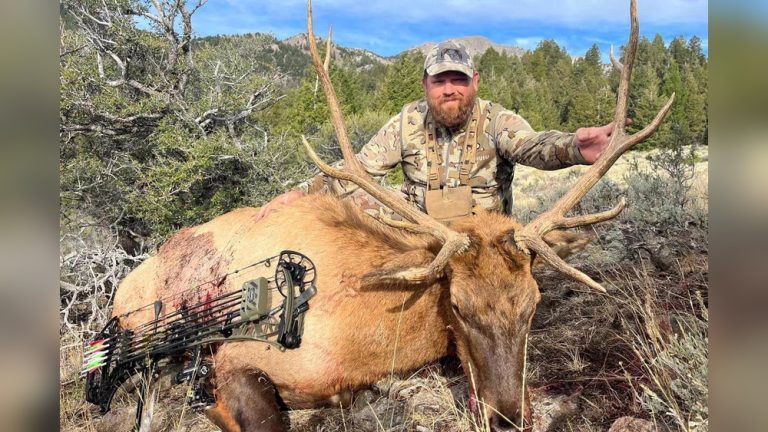
Bow hunting for axis deer, also known as chital, is one of North America’s most challenging and rewarding pursuits. With their keen senses, unpredictable behavior, and distinct herd dynamics, axis deer present a test that separates proficient archers from casual hunters.
Whether you’re drawn by the allure of their striking spotted coats or the gourmet venison they yield, mastering the art of bow hunting axis deer requires a deep understanding of their habits, precise equipment selection, strategic planning, and ethical hunting practices.
The rise of axis deer populations in Texas and Hawaii, fueled by both introductions and natural expansion, has created new opportunities, and new complexities, for bow hunters. Unlike whitetail deer, axis exhibit non-synchronous antler cycles and breed year-round, making them a unique quarry.
This article delivers a comprehensive, data-backed guide to every phase of the hunt, from scouting and gear selection to shot placement and recovery, ensuring you approach axis deer hunting with the expertise and preparation demanded by this elusive species.
Key Takeaways
- Axis deer are wary, herd-oriented, and breed year-round, requiring adaptive hunting tactics and ethical discipline.
- Proper bow selection, arrow setup, and scent management are critical for success due to the species’ heightened senses and unpredictable movement.
- Scouting and reading sign, including tracks, rubs, and vocalizations, are essential to understand axis deer patterns.
- Ambush strategies and spot-and-stalk techniques both have unique advantages; choosing the right one depends on terrain and deer behavior.
- Precise shot placement and ethical recovery ensure quick, humane harvests and minimize lost game.
- Understanding local regulations and private land access is vital; always consult state agencies and landowners before hunting.

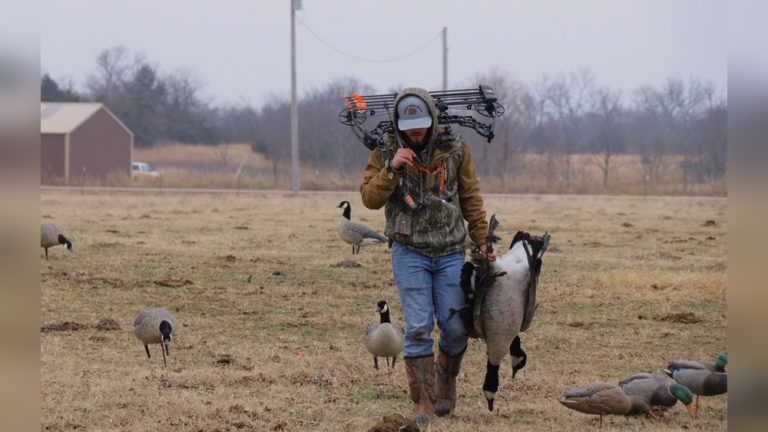
Credit: www.bowhunter.com
Understanding Axis Deer Behavior And Biology
Axis deer (Axis axis) were introduced to Texas in the 1930s and have flourished in the Hill Country and beyond. Their biology and behavior set them apart from native North American deer species, demanding specialized hunting approaches.
Year-round Breeding And Antler Cycles
Unlike whitetails, axis deer have asynchronous breeding cycles. Bucks may be in hard antler, velvet, or cast at any time of the year. This means rutting activity, vocalizations, and fawn drop occur throughout all seasons, complicating patterning efforts. In my experience, this unpredictability means bow hunters must scout year-round and remain flexible with stand placement and hunting dates.
Social Structure And Senses
Axis deer are herd animals, often traveling in groups of up to 15-30, led by vigilant does or mature bucks. Their eyesight rivals that of elk, and their hearing and sense of smell are similarly acute. One alarmed deer can send the entire herd fleeing, making silent movement and scent control crucial.
Feeding And Movement Patterns
Axis primarily feed on grasses, forbs, and browse. They prefer open woodlands, edges, and riparian corridors, moving frequently between bedding and feeding areas. Unlike whitetails, axis may feed during the day, especially when unpressured, but become increasingly nocturnal on high-pressure properties.
Real-world Example: Texas Hill Country Axis
A 2026 survey by the Texas Parks and Wildlife Department found axis densities exceeding 30 deer per square mile in some counties (Texas Parks and Wildlife). Hunters report mixed herds appearing on trail cameras at any hour, with bachelor groups of bucks observed in late summer. These patterns underscore the importance of trail monitoring and adaptive hunting.
Essential Bow Hunting Gear For Axis Deer
Effective axis deer bow hunting starts with precision equipment tailored to the animal’s size, anatomy, and temperament. Investing in the right gear improves your odds of a quick, ethical harvest.
Bow And Arrow Selection
Axis deer are slightly smaller than mature whitetails, with average bucks weighing 160-200 lbs. A compound bow with a draw weight of 50-65 lbs provides ample kinetic energy for pass-through shots at moderate distances. Recurve and longbows are also viable but demand greater accuracy.
Comparison Table: Bow Setup Recommendations
| Bow Type | Draw Weight (lbs) | Arrow Weight (grains) | Effective Range (yds) |
|---|---|---|---|
| Compound | 55-65 | 400-450 | 30-50 |
| Recurve | 45-55 | 450-500 | 15-30 |
| Longbow | 50-60 | 450-500 | 15-25 |
Broadheads And Arrow Setup
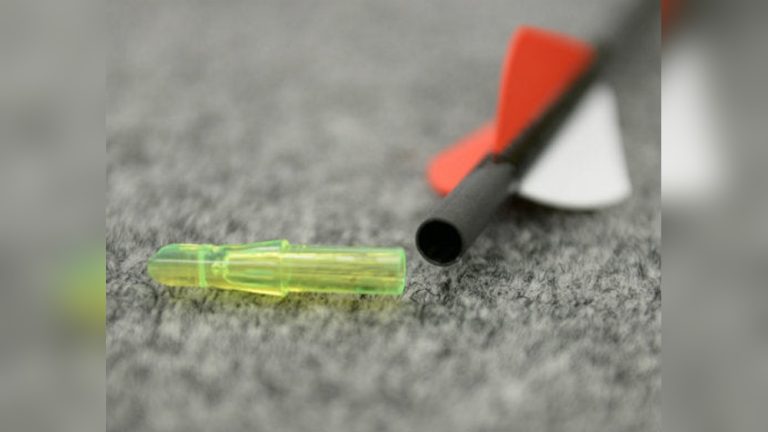
Axis deer have a relatively thin hide but dense muscle structure. Fixed-blade broadheads offer reliable penetration, while mechanical broadheads provide larger wound channels but demand precise shot placement. Arrows should be spined appropriately for your bow’s draw weight and tipped for total arrow weights above 400 grains for optimal penetration.
Clothing And Concealment
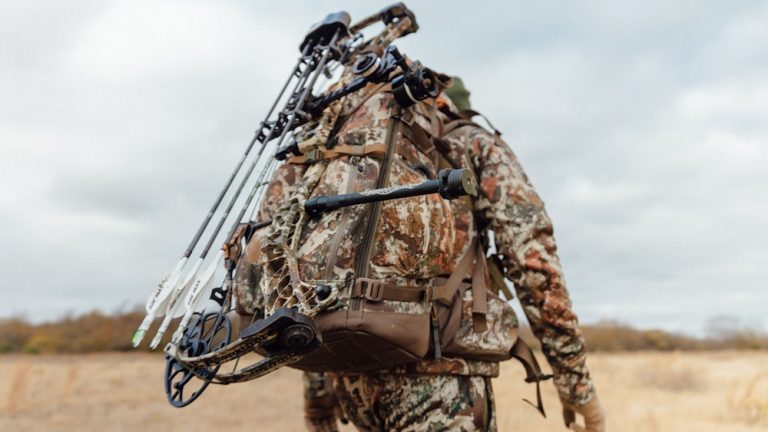
Camouflage patterns that mimic the central Texas or Hawaiian brush are ideal. Lightweight, breathable fabrics help in hot climates. Scent-blocking clothing and ozone generators are increasingly popular for minimizing human odor. Face masks and gloves further reduce visibility.
Accessories And Must-have Tools
- Rangefinder: For precise distance estimation, especially in open country.
- Binoculars: Essential for glassing herds from a distance.
- Tree stand or ground blind: Adapted to local terrain and vegetation.
- Wind checker: For monitoring wind direction at all times.
Real-world Example: Gear Tweaks For Success
A seasoned axis hunter in the Texas Hill Country switched from mechanical to fixed-blade broadheads after losing a buck to suboptimal penetration. The next season, using a 125-grain fixed blade and heavier arrows, he achieved a complete pass-through at 27 yards, resulting in a short tracking job and clean recovery.

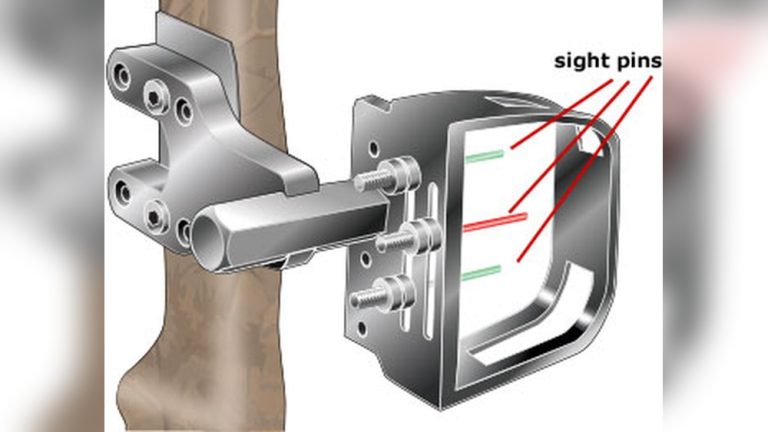
Credit: doublearrowbowhunting.com
Scouting And Locating Axis Deer
Scouting is the backbone of axis deer bow hunting. Axis are both adaptable and unpredictable, but with the right approach, you can consistently locate huntable herds.
Reading Sign: Tracks, Rubs, And Droppings
Axis tracks are smaller and more pointed than those of whitetails. Fresh tracks, often found near water, indicate recent activity. Bucks rub on saplings to mark territory, but these are less frequent than whitetail rubs. Droppings are pellet-shaped and typically scattered in feeding areas.
Trail Cameras And Digital Mapping
Deploying trail cameras along game trails, water sources, and feeding sites yields invaluable insights into herd size and movement. Set cameras at varying heights to capture both bucks and does. Digital mapping tools, such as onX Hunt or Google Earth, help identify likely bedding and travel corridors.
Water And Food Source Patterns
Axis deer rely heavily on water, especially during Texas summers. Keying in on stock tanks, creeks, and seeps increases encounter rates. They favor forbs and grasses, often grazing in meadows adjacent to dense cover. In drought conditions, artificial feeders or food plots can concentrate deer, but pressure can push them to nocturnal habits.
Example: Hawaii’s Maui Axis
On Maui, axis deer are often found near coastal pastures in the morning and move to upland forests by midday. Hunters have success glassing open fields at first light, then relocating to shaded timber edges for ambushes as the sun rises.
Pro Tip
When scouting, always approach potential bedding areas with the wind in your face and avoid repeated disturbance, axis deer quickly adapt to hunting pressure and will relocate at the first sign of danger.

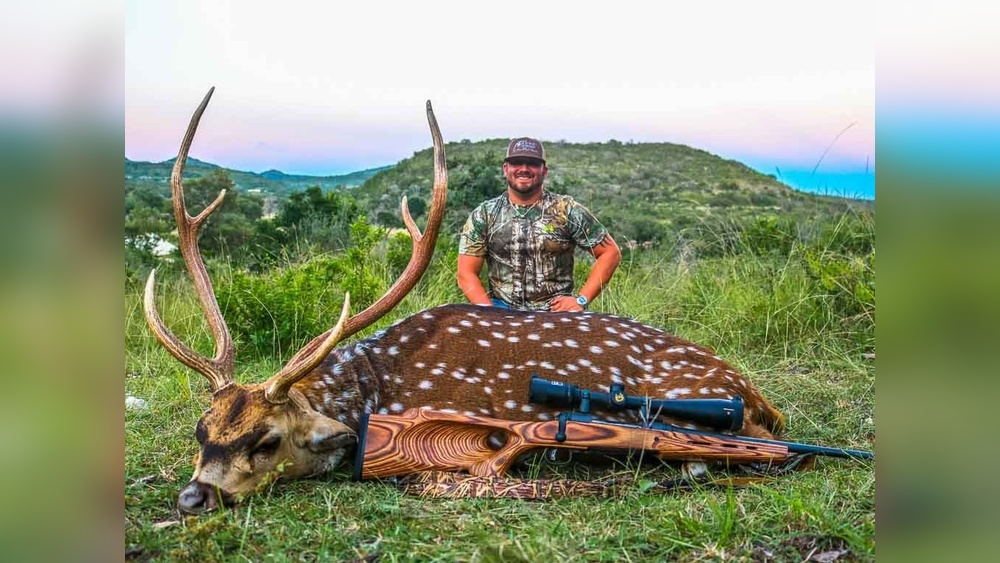
Credit: freerangeamerican.us
Stand Placement And Ambush Strategies
Careful stand or blind placement can mean the difference between a close shot and a distant glimpse. Axis deer’s group behavior and sharp senses demand extra attention to entry, exit, and concealment.
Tree Stands Vs. Ground Blinds
Tree stands provide a height advantage, reducing your scent footprint and increasing visibility over brushy terrain. However, in open country or where trees are sparse, ground blinds, either commercial or natural brush constructions, offer flexible concealment. Always brush in blinds thoroughly to break up outlines.
Entry And Exit Routes
Axis deer are notorious for patterning hunters. Use prevailing winds to your advantage and plan entry/exit routes that avoid crossing major trails or bedding areas. If possible, enter stands well before daylight and remain until mid-morning or later to catch late-movers.
Wind And Thermal Considerations
Always set up stands downwind of expected deer movement. In hilly terrain, thermals can shift wind direction as the day warms, so monitor conditions with a wind checker. If wind swirls, reposition or abandon the hunt, axis deer rarely offer second chances after detecting human scent.
Decoy And Calling Tactics
Unlike whitetails, axis deer respond less predictably to calls and decoys. During peak rut, buck vocalizations (a sharp “bark” or bugle) may draw in rivals, but overuse can spook wary herds. Use decoys sparingly and only when local deer have not been heavily pressured.
Example: Stand Success In Texas
A bow hunter in Kerr County, Texas, set a ground blind along a narrow creek crossing used by a mixed herd. By entering before dawn and sitting through midday, he observed three distinct groups. A patient wait and perfect wind yielded a 21-yard broadside shot at a mature buck trailing does.
Spot-and-stalk Techniques For Axis Deer
Spot-and-stalk hunting is both thrilling and demanding, offering unique advantages in open country or where stand placement is impractical.
Glassing And Initial Approach
Begin by glassing likely feeding or bedding areas from a distance, using quality binoculars or a spotting scope. Once a target is located, assess wind direction and terrain features. Plan a route that uses cover, brush, rocks, or terrain dips, to mask your approach.
Movement And Stalking Pace
Axis deer are easily alarmed by unnatural movement. Move slowly, using the “step, pause, scan” technique. Crouch or crawl when necessary, and always keep eyes on the herd’s lead animals, as they are the first to spot danger.
Range Estimation And Shot Setup
Use a rangefinder to confirm distances before the final approach. Axis deer often shift position, so be prepared for quick adjustments. Draw your bow only when the deer’s head is down or obstructed by cover, then settle for a steady shot.
Dealing With Multiple Eyes
Hunting axis deer herds means you may be watched by a dozen or more sets of eyes. Use terrain to screen yourself from the majority of the group, focusing on the target animal’s location relative to obstacles and other deer.
Example: Stalking In Maui’s Pastures
A bow hunter in Maui successfully stalked a group of axis does by crawling 250 yards through tall grass, using wind and a low sun angle to remain hidden. The shot opportunity came at 34 yards when the herd paused to feed, resulting in a clean harvest.
Shot Placement, Recovery, And Ethical Considerations
Ethical hunting is the cornerstone of responsible bow hunting. Axis deer’s anatomy and herd dynamics require precision and discipline.
Vital Zones And Shot Angles
The vital area of an axis deer is similar to that of a whitetail but slightly narrower. Broadside or quartering-away shots are optimal, targeting the heart-lung area just behind the shoulder. Avoid frontal or steep quartering-to angles, as penetration may be insufficient.
Shot Placement Table
| Shot Angle | Recommended? | Target Area | Risk Level |
|---|---|---|---|
| Broadside | Yes | Behind shoulder | Low |
| Quartering Away | Yes | Exit behind opposite shoulder | Low |
| Quartering To | No | Shoulder, chest cavity | High |
| Frontal | No | Chest | High |
Blood Trails And Tracking
Axis deer may run significant distances even with perfect shots. Their blood trails can be sparse, especially with high lung hits. Mark the point of impact, listen for the direction of the run, and wait at least 30 minutes before tracking.
Use fluorescent blood-tracking lights if trailing after dark.
Dealing With Herd Disruption
A wounded axis deer may be followed by other herd members, complicating recovery. Maintain a low profile and avoid spooking the herd further. If possible, have a partner assist with tracking while you remain at the original shot site.
Pro Tip
Always double-check local regulations regarding tracking wounded deer across property lines or during night hours. Secure permission in advance from neighboring landowners if hunting near boundaries.
Axis Deer Hunting Regulations And Ethics
Legal and ethical compliance is essential for axis deer hunting. Rules vary significantly by state, property, and season.
Licensing And Seasons
Texas considers axis deer an exotic species, so no closed season or bag limit applies on private land, but a valid hunting license is still required. Hawaii imposes season dates, bag limits, and island-specific rules. Always consult the most recent regulations from state wildlife agencies.
Private Land And Access
Most axis deer hunting occurs on private property. Secure written permission from landowners and clarify any fees or harvest expectations. Consider guided hunts for first-timers or when unfamiliar with local terrain.
Trespass And Fair Chase
Respect property boundaries, posted signs, and fair chase principles. Axis deer are sometimes hunted over feeders in Texas, but spot-and-stalk and ambush methods are widely considered more sporting.
Example: Regulatory Variation
A hunter in Hawaii was fined for hunting axis deer outside of legal hours, unaware of local sunset closure times. Reviewing regulations and consulting local guides can prevent costly mistakes and ensure ethical conduct.
Pro Tip
Carry a printed or digital copy of hunting regulations in the field. Rules can change annually, and ignorance is not a defense in the eyes of law enforcement.
Field Preparation And Trophy Care
Proper field care ensures both quality meat and memorable trophies. Axis venison is renowned for its flavor, and careful handling preserves this prized resource.
Field Dressing And Cooling
Axis deer spoil quickly in warm climates. Field dress immediately after recovery, removing entrails and opening the body cavity to promote cooling. Hang the carcass in shade and transport to a cooler as soon as possible.
Meat Processing And Storage
Axis deer meat is lean and mild, ideal for steaks, roasts, and sausage. If processing at home, age cuts in a refrigerator for 3-7 days to enhance tenderness. Commercial processors can provide custom cuts and packaging.
Trophy Care
If mounting your axis buck, avoid cutting the hide in the neck or brisket area. Cape the animal carefully, and keep the head cool and moist. Deliver to a taxidermist within 24 hours for best results.
Example: Field Care Mistake
A hunter in central Texas lost an axis shoulder mount after leaving the cape in the sun for several hours. High temperatures caused hair slippage, ruining the trophy. Immediate cooling and shade are essential in hot climates.
Frequently Asked Questions
What Is The Best Time Of Year To Bow Hunt Axis Deer?
Axis deer breed year-round, so there is no single “best” season. However, late spring and early summer typically see increased buck activity and antler hardening in Texas. In Hawaii, early mornings during the dry season can offer concentrated movement near water sources.
How Can I Tell The Difference Between Axis Deer And Whitetail Deer Sign?
Axis deer tracks are more pointed and slightly smaller than whitetail tracks. Their droppings are similarly pellet-shaped but tend to be more scattered due to grazing behavior. Rubs and scrapes are less frequent with axis deer, so focus on visual identification and trail camera images for confirmation.
Are Mechanical Or Fixed-blade Broadheads Better For Axis Deer?
Both can be effective, but fixed-blade broadheads offer greater reliability, especially on quartering shots or at lower draw weights. Mechanical broadheads create larger wound channels but can fail to deploy or penetrate on sharp angles. Testing your setup on targets before hunting is essential.
Do Axis Deer Respond To Calls Or Rattling Like Whitetails?
Axis deer are less responsive to calls and rattling than whitetails. During peak rut, limited vocalizations (such as buck “barks”) may attract curious animals, but overusing calls often spooks wary herds. Focus on ambush tactics over calling for consistent success.
Where Can I Find Public Land Opportunities For Axis Deer Hunting?
Public land axis deer hunting is limited. In Texas, most axis deer are found on private ranches, while Hawaii offers public hunting areas on Maui, Lanai, and Molokai. Check with state wildlife agencies and Wikipedia: Axis Deer for up-to-date maps, regulations, and draw requirements.
Bow hunting axis deer is a demanding endeavor that tests every aspect of a hunter’s skills, from scouting and gear selection to stealth and shot discipline. The rewards are as great as the challenges: a freezer full of premium venison, a striking trophy, and the satisfaction of outsmarting one of North America’s most elusive game animals. By applying the strategies and insights covered here, and by always respecting both the animal and the land, you’ll join the ranks of hunters who have truly earned their success in the pursuit of axis deer.