How To Attach Bow To Hunting Pack
Bowhunting has surged in popularity among outdoor enthusiasts, with the National Shooting Sports Foundation reporting a steady rise in bowhunter numbers over the past decade. Yet, one of the most practical challenges hunters face is safely and efficiently attaching a bow to their hunting pack. Whether you’re traversing steep terrain, covering long distances, or need your hands free for other gear, knowing how to secure your bow to your pack can be the difference between a successful hunt and a frustrating, gear-damaging ordeal.
Carrying a bow improperly risks not just discomfort, but potential damage to cams, strings, or sights, critical components for accuracy and ethical hunting. A well-attached bow keeps it protected from the elements, reduces fatigue, and allows you to remain agile in the field.
This guide will walk you through everything from choosing the right pack and attachment system to step-by-step methods, real-world examples, and maintenance tips. Whether you’re a seasoned hunter or a newcomer, mastering this skill is essential for both safety and success.
Key Takeaways
- Choosing the right hunting pack with bow-carry features is crucial for comfort and gear protection.
- Understanding different attachment methods lets you customize for your bow type, terrain, and style.
- Properly securing your bow prevents damage and allows for quick access when needed.
- Real-world examples and data-driven comparisons help you make informed decisions.
- Regular inspection and maintenance of your bow and attachment system extend equipment lifespan.
Understanding Hunting Packs With Bow Attachment Features
Modern hunting packs are engineered for more than just carrying meat and essentials, they’re designed with specialized features that make bow attachment simple, secure, and accessible. Selecting the right pack is the foundation of an effective setup.
Key Features To Look For In A Hunting Pack
When evaluating packs, prioritize:
- Dedicated bow holder or scabbard: A built-in sheath or secure slot ensures your bow stays protected and stable.
- Compression straps: Adjustable straps allow for a tight, custom fit around the bow.
- MOLLE webbing: This modular system enables attachment of pouches, quivers, or extra gear.
- Quick-access clips or buckles: Fast deployment is critical when game appears suddenly.
- Padded back panels: Comfort is essential for all-day hunts.
Comparing Top Hunting Pack Brands
Hunting pack manufacturers offer a variety of bow-carry solutions. Below is a comparison table featuring three popular models:
| Brand & Model | Bow Attachment Type | Pack Weight | Capacity (Liters) | Price Range |
|---|---|---|---|---|
| ALPS OutdoorZ Pursuit | Drop-down pocket & straps | 4 lbs | 44 | $120-$150 |
| Badlands Superday | Universal bow boot & straps | 3.8 lbs | 32 | $260-$300 |
| Eberlestock X2 | Front compression straps | 4.5 lbs | 40 | $250-$300 |
Pro Tip: Try on packs with weight before buying. Ergonomics and strap placement can dramatically affect comfort over long hikes.
Pack Sizing And Fit
Select a pack size that accommodates not only your bow but also other essentials like water, food, and safety gear. Overloading a small pack can lead to instability, while an oversized pack may hinder movement. Visit local outfitters to try different models, or refer to manufacturer sizing guides online.
Types Of Bow Attachment Systems
The method you use to attach your bow depends on your hunting style, terrain, and the type of bow you carry (compound, recurve, or crossbow). Understanding these systems is key to optimizing your setup.
Integrated Bow Holder Systems
Some packs come with built-in bow holders, often in the form of a drop-down pocket or scabbard. This system is popular for its:
- Protection: Shields the bow from brush and debris.
- Stability: Reduces sway and bounce during movement.
- Convenience: Quick to load and unload.
Example: The Eberlestock X2 uses compression straps and a lower pocket, keeping the bow close to your back for balance.
Strap And Buckle Configurations
Many packs use adjustable straps and buckles to secure the bow to the exterior. Features include:
- Versatility: Works with most bow shapes and sizes.
- Custom Fit: Straps can be tightened for a snug hold.
- Quick Access: Some buckles are designed for one-handed operation.
Warning: Always ensure buckles are fully engaged to avoid accidental drops.
Molle And Aftermarket Attachments
For hunters with unique needs, MOLLE webbing allows for aftermarket attachments. This modular approach enables:
- Accessory integration: Attach quivers, arrow holders, or rain covers.
- Custom configurations: Adjust placement based on pack design and user preference.
- Scalability: Add or remove attachments as your hunting style evolves.
Pro Tip: Choose high-quality aftermarket attachments from reputable brands to ensure durability.
Diy Bow Attachment Solutions
Some hunters prefer to modify their packs for a personalized fit. Common DIY options include:
- Paracord lashing: Lightweight, inexpensive, and adaptable.
- Velcro straps: Fast and adjustable but less durable in extreme conditions.
- Bungee cords: Offer flexibility but may cause movement noise.
When modifying, always check for potential noise or friction points that could reveal your position or damage your bow.
Step-by-step Guide: Attaching Your Bow To A Hunting Pack
Attaching your bow properly is a skill that requires attention to detail. Follow these steps for a secure and comfortable carry.
Preparing Your Bow And Pack
- Unload your bow: Remove all arrows from the quiver for safety.
- Inspect for sharp edges: Ensure cams, sights, and strings are free of burrs or debris.
- Open all relevant straps or holders: Lay out your pack for easy access.
Positioning The Bow On The Pack
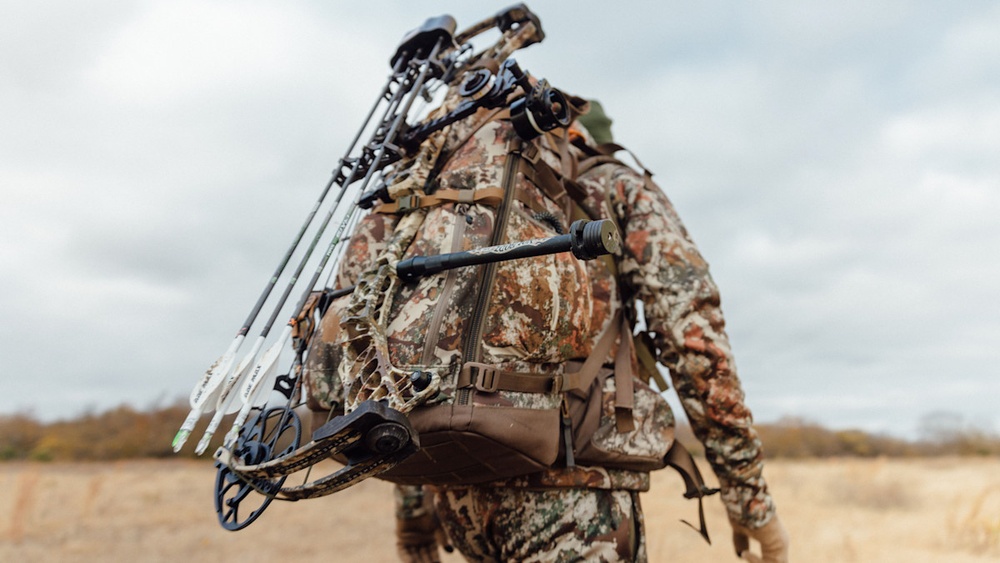
- For vertical carry (most common): Place the bow with the grip at the bottom, limbs up, so the riser rests in the lower pocket or against the pack.
- For horizontal carry (less common): Lay the bow across the back panel, aligning it to avoid protrusions.
- Ensure the sight and cams are protected and not pressing against hard surfaces.
Securing The Bow
- Insert the riser or lower limb into the drop-down pocket or secure with lower straps.
- Align the bow vertically along the pack’s frame.
- Fasten upper and mid-level compression straps around the limbs or riser.
- Tighten all straps until the bow is snug and does not move when the pack is shaken.
Pro Tip: Leave the quiver attached if possible, as this saves time but always check that arrows are secure and cannot fall out.
Testing Stability And Adjusting Fit
- Put on the pack and walk around, simulating hunting movements.
- Check for shifting, bouncing, or discomfort.
- Adjust straps as needed.
- Repeat until the bow remains stable during all activities.
Example: In my experience, carrying a 70-lb compound bow on steep terrain was only comfortable after adjusting the lower strap tension and adding a small foam pad behind the cam.
Real-world Scenarios And Case Studies
Understanding how different hunters approach bow attachment in the field can provide valuable insights.
Elk Hunting In The Rockies
A backcountry elk hunter often faces steep climbs and thick brush. Using a Badlands Superday pack with a universal bow boot, this hunter secures a compound bow vertically. The bow remains protected from rocks and branches, and the quick-release buckles allow for fast deployment when elk are spotted.
Tree Stand Whitetail Hunting
For whitetail hunters using tree stands, quick setup and silent operation are crucial. A hunter may attach the bow horizontally using padded straps, ensuring it doesn’t snag on branches during the climb. The ALPS OutdoorZ Pursuit pack’s drop-down system keeps the bow balanced while ascending.
Spot-and-stalk Mule Deer
In open country, long hikes require comfort and stability. A hunter with an Eberlestock X2 uses the front compression straps to keep the bow close to the pack’s center of gravity, reducing fatigue and allowing for rapid access when deer are spotted at a distance.
Crossbow Transport In Legal Zones
Crossbows, often larger and heavier, require specialized holders. Many states require crossbows to be uncocked and unloaded during transport. Hunters using packs with crossbow scabbards (such as the ALPS OutdoorZ Enforcer) ensure legal compliance and safe handling.
Bow Attachment For Different Bow Types
The method of attachment varies by bow style. Each has unique requirements for safety and efficiency.
Compound Bows
- Slim limb designs fit well in most vertical holders.
- Protect cams and strings with padded pockets or covers.
- Use compression straps to avoid movement.
Recurve Bows
- Often lighter and longer, requiring full-length scabbards or extended straps.
- Detach limbs for compact packing when possible.
- Secure riser and limb tips with soft wraps to prevent scratches.
Crossbows
- Heavier and bulkier than vertical bows.
- Use packs with dedicated crossbow boots or MOLLE-compatible holders.
- Always check for legal requirements for crossbow transport in your hunting area.
Longbows
- Require the longest packs or external attachment points.
- Use padded wraps to prevent vibration damage.
- Consider horizontal carry if vertical attachment is impractical.
| Bow Type | Best Attachment Method | Key Protection Needed | Typical Weight |
|---|---|---|---|
| Compound | Vertical pocket & straps | Cams, strings, sight | 3-5 lbs |
| Recurve | Full-length scabbard | Limb tips, riser | 2-3 lbs |
| Crossbow | Crossbow boot or MOLLE | Stock, limbs, scope | 6-10 lbs |
| Longbow | Horizontal straps/padded wrap | Entire length | 1-2 lbs |
Warning: Never carry a cocked crossbow or loaded bow in your pack to prevent accidents.
Accessories And Upgrades For Secure Bow Attachment
Upgrading your attachment system can improve security, accessibility, and gear protection.
Bow Covers And Rain Shields
- Protect against moisture, dust, and scratches.
- Some covers are waterproof, essential for wet climates.
- Choose lightweight models to avoid extra bulk.
Aftermarket Compression Straps
- Add extra stability for heavy bows.
- Available in quick-release and silent buckle versions.
- Compatible with most packs featuring side webbing or D-rings.
Quiver Mounts
- Side-mount quivers keep arrows accessible but may add bulk.
- Detachable quivers can be stored in the pack for streamlined travel.
Cam And Limb Pads
- Foam or neoprene pads protect high-wear areas.
- Reduce noise and vibration.
- Some packs include integrated pads, or they can be added aftermarket.
Example: According to reviews on Archery Talk, hunters report a significant reduction in cam damage after adding neoprene limb covers.
Diy Solutions
- Sew-on Velcro tabs or paracord loops for custom strap placement.
- Lightweight carabiners for quick attachment or removal.
- Use reflective tape to mark attachment points for low-light conditions.
Maintenance, Safety, And Best Practices
Maintaining your bow attachment system is as important as the initial setup. Neglect can lead to gear failure or dangerous situations.
Regular Inspection Routine
- Check straps, buckles, and webbing for wear before and after each hunt.
- Inspect bow limbs, cams, and strings for damage caused by movement or friction.
- Lubricate buckles and zippers to ensure smooth operation.
Cleaning And Storage
- Remove dirt and debris from attachment points using a soft brush.
- Store packs in a dry, ventilated area to prevent mildew and odor buildup.
- Wash removable straps in mild soap and water, allowing them to air dry.
Field Repairs
Carry a small repair kit with:
- Spare straps and buckles
- Paracord or zip ties
- Duct tape for emergency fixes
Pro Tip: Practice attaching and detaching your bow at home in full gear before heading into the field.
Safety Guidelines
- Never climb or descend steep terrain with a loosely attached bow.
- Always unload and uncock your bow during transport.
- Be mindful of state and local hunting regulations regarding bow transport.
Example: The Minnesota Department of Natural Resources advises that bows must be cased or unstrung during transport in vehicles. Always check current regulations before hunting.
Frequently Asked Questions
How Do I Keep My Bow From Getting Wet Or Dirty While Attached To My Pack?
Using a waterproof bow cover or rain shield is the most effective way to protect your bow from the elements. Some hunters also use a simple trash bag as a quick, lightweight cover in wet conditions. Cleaning your bow after each hunt and checking for debris in moving parts prevents long-term damage.
Can I Attach My Bow To Any Backpack, Or Do I Need A Special Hunting Pack?
While it’s possible to attach a bow to a standard backpack with straps or paracord, a dedicated hunting pack offers superior security, comfort, and protection for your bow. Packs designed for hunting typically include specialized holders, padded pockets, and quick-release systems that standard hiking packs lack.
What Is The Fastest Way To Access My Bow When Attached To My Pack?
The quickest access is usually with a vertical drop-down pocket and quick-release buckles. Practice detaching your bow under realistic conditions to improve speed. Some packs allow one-handed operation, which is ideal for situations where you spot game unexpectedly.
Are There Legal Requirements For Transporting A Bow On Public Land?
Yes, regulations vary by location. Many states require bows to be unstrung, cased, or uncocked during transport, especially in vehicles. Always consult your local wildlife agency or the National Wildlife Federation for up-to-date legal requirements before heading out.
How Do I Prevent Noise When Carrying My Bow On My Pack?
Noise can be minimized by using padded straps, limb covers, and foam inserts at contact points. Double-check for loose accessories or metal buckles that could clink against your bow. In my experience, wrapping key areas with electrical tape or using rubberized straps greatly reduces unwanted sound during movement.
Properly attaching your bow to your hunting pack is an essential skill that blends safety, efficiency, and gear protection. By investing in the right pack, understanding various attachment systems, and following best practices for maintenance and safety, you’ll ensure your bow is always ready for action, no matter the terrain or weather.
Take the time to practice your setup, adapt as needed for different hunts, and you’ll enjoy more comfortable, successful days in the field.