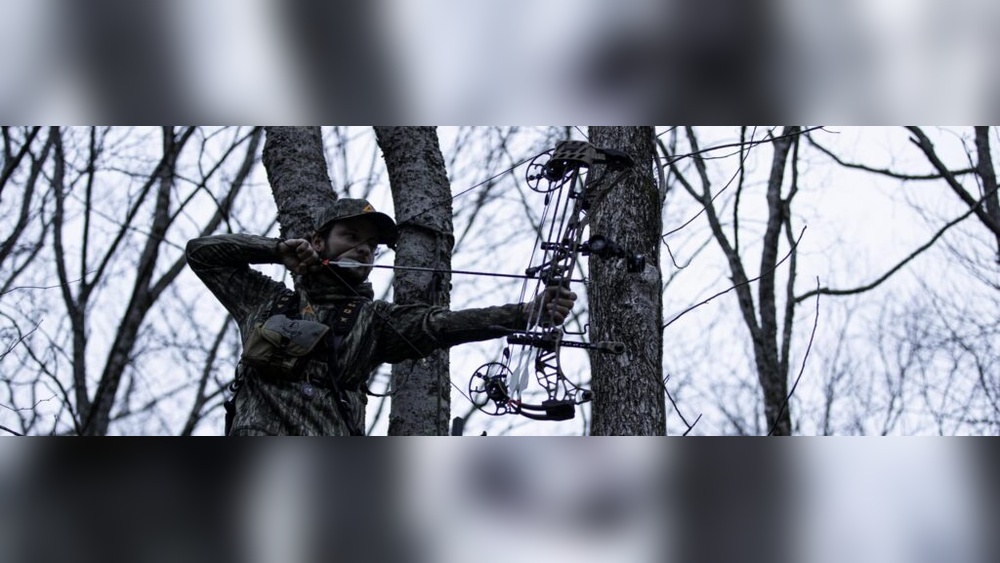
How To Bow Hunt Deer From Treestand
Bow hunting deer from a treestand is one of the most effective and exhilarating methods for pursuing whitetails. The elevated vantage point provides a strategic view of deer movement, minimizes your scent, and increases the odds of a successful shot.
Yet, mastering treestand bow hunting demands preparation, safety awareness, and a deep understanding of deer behavior. Whether you’re a seasoned archer or a newcomer, optimizing your treestand setup and hunting approach can significantly boost your success rate and enjoyment in the field.
This comprehensive guide explores every critical aspect of bow hunting deer from a treestand. You’ll discover how to choose the right equipment, select prime locations, understand deer patterns, practice ethical shot placement, and ensure safety. Backed by expert advice, real-world examples, and actionable strategies, this article equips you with the knowledge needed to elevate your bow hunting game and make your next hunt from a treestand both rewarding and safe.
Key Takeaways
- Treestand selection and setup play a pivotal role in bow hunting success.
- Understanding deer behavior and movement patterns is essential for choosing the best location.
- Practicing ethical shot placement ensures clean, humane harvests.
- Safety precautions must be followed to prevent accidents and injuries.
- Consistent scouting and adaptation enhance success over time.

Credit: nabowhunter.com
Understanding Treestand Bow Hunting Basics
Bow hunting from a treestand leverages height to minimize a hunter’s scent, maximize visibility, and conceal movement. Unlike ground blinds or stalking, treestands allow archers to spot deer before they spot you, giving crucial seconds to prepare for a shot.
Types Of Treestands
There are three primary treestand styles used by bow hunters:
- Climbing Treestands: Portable and ideal for hunters who prefer flexibility. They require suitable trees without low branches.
- Hang-On Treestands: Lightweight, versatile, and can be attached to almost any tree. Often paired with climbing sticks for access.
- Ladder Treestands: Stable and comfortable, these are best for permanent setups and are easy to climb.
| Treestand Type | Portability | Comfort | Setup Time |
|---|---|---|---|
| Climbing | High | Moderate | Fast |
| Hang-On | High | Moderate | Medium |
| Ladder | Low | High | Slow |
Legal And Ethical Considerations
Always verify treestand regulations in your state. Some jurisdictions restrict treestand use on public lands, require safety harnesses, or limit the type and height of stands. Ethical hunting also means respecting private property, securing permissions, and avoiding damage to trees.
Why Treestands Improve Success Rates
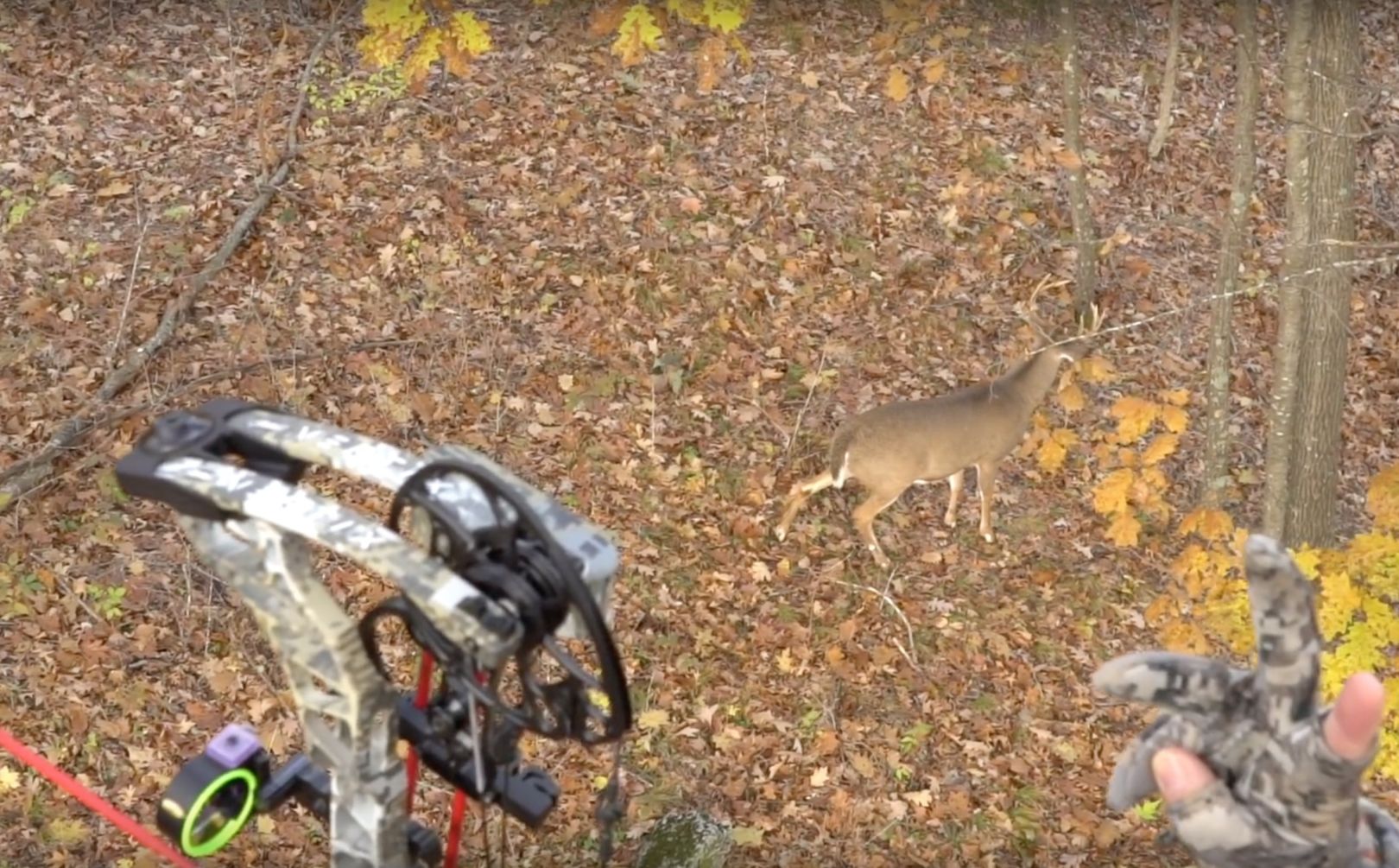
Elevated positions reduce a deer’s ability to detect hunters through scent and sight. According to the National Deer Association, hunters using treestands enjoy a noticeably higher shot opportunity compared to ground setups. This advantage is especially pronounced during rut and feeding times when deer move more predictably.
Credit: www.whitetailhabitatsolutions.com
Selecting The Right Treestand And Equipment
The right equipment ensures safety, comfort, and efficiency in the field. Choosing a treestand is just the start, other gear is equally crucial.
Treestand Features To Consider
When selecting a treestand, prioritize:
- Weight capacity: Ensure it supports you and your gear.
- Platform size: Larger platforms offer comfort but may be heavier.
- Seat comfort: Extended sits demand a padded, ergonomic seat.
- Safety harness compatibility: Always use a full-body harness.
Essential Bow Hunting Gear
To maximize your effectiveness from a treestand, assemble a kit that includes:
- Compound or recurve bow tuned for hunting.
- Arrows with broadheads designed for deer.
- Rangefinder for accurate distance estimation.
- Safety harness and lifeline for every climb.
- Binoculars for scouting and identifying deer.
- Scent control products to minimize detection.
- Quiet clothing suited for the environment.
Comparing Bow Models For Treestand Hunting
| Bow Type | Draw Weight | Noise Level | Ease of Use in Treestand |
|---|---|---|---|
| Compound Bow | 40-70 lbs | Low | High |
| Recurve Bow | 35-55 lbs | Moderate | Moderate |
| Crossbow | 100-150 lbs | Low | High |
Example: Selecting Equipment For An All-day Sit
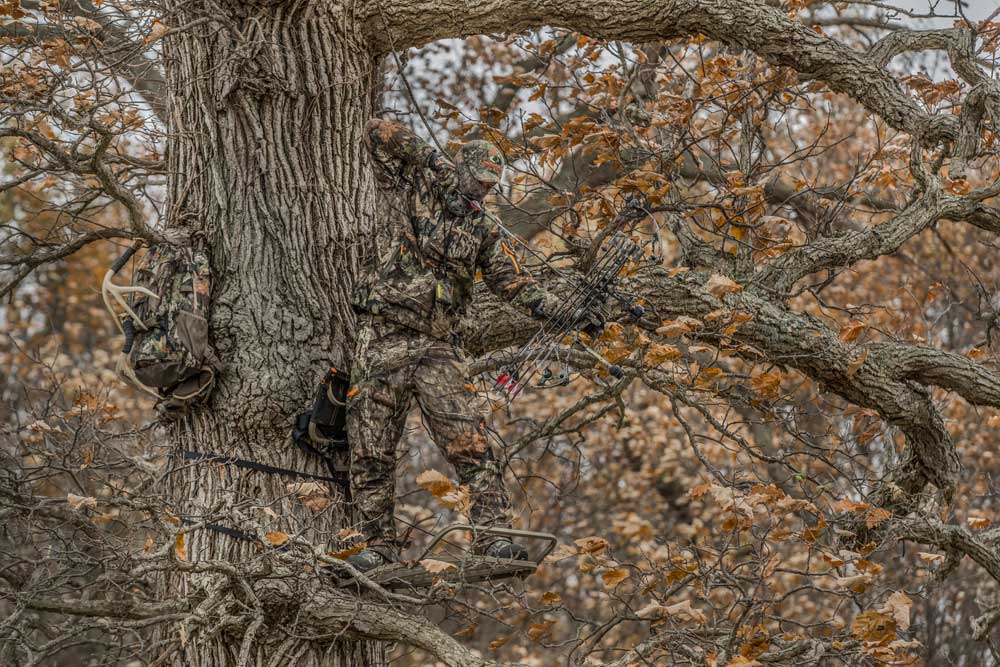
In my experience, comfort becomes a major factor during all-day rut hunts. A padded seat, large platform, and lightweight climbing sticks made my hang-on treestand setup both practical and safe for extended sessions. Pairing this with a compound bow and a harness allowed me to focus entirely on deer movement rather than discomfort or safety concerns.
Credit: www.mossyoak.com
Choosing Prime Treestand Locations
Location is the single biggest factor in bow hunting success. A great stand in the wrong spot will rarely produce results.
Scouting For Deer Movement
Effective scouting involves:
- Trail cameras: Monitor activity on game trails and feeding areas.
- Tracks and sign: Look for fresh tracks, droppings, rubs, and scrapes.
- Food sources: Identify acorn patches, agricultural fields, and browse lines.
Ideal Treestand Placement
Position your treestand:
- Downwind from likely deer travel routes.
- Within range (20-40 yards) of trails, funnels, or feeding areas.
- With good cover to break up your silhouette.
Pro Tip: Use aerial maps and satellite imagery to locate pinch points, bedding areas, and water sources. Overlaying deer sign with these features pinpoints optimal stand sites.
Timing Your Setup
Set up your treestand well before the season starts to allow deer to acclimate. Avoid excessive disturbance during setup; minimize noise and scent, and trim shooting lanes with care.
Example: Locating A Funnel Stand
A hunting partner once placed a hang-on treestand in a wooded funnel between bedding and feeding grounds. Trail camera data revealed consistent evening movement. By situating the stand 25 yards from the main trail, he harvested a mature buck during peak rut.
Advanced Scouting Strategies And Deer Behavior
Understanding how deer move and react to human presence is essential for selecting and maintaining productive treestand locations.
Reading Terrain And Vegetation
- Ridges and saddles: Deer use these to travel undetected.
- Edges: Transitions between woods and fields attract movement.
- Thickets: Offer bedding cover; stands nearby intercept deer leaving cover.
Using Technology For Scouting
Modern hunters leverage:
- GPS mapping apps for marking sign and trails.
- Digital trail cameras with cellular connectivity for real-time monitoring.
- Weather tracking apps to predict wind and movement.
Seasonal Behavior Patterns
Deer alter their patterns based on season:
- Early season: Focus on food sources.
- Pre-rut: Bucks travel more, seeking does.
- Rut: Maximum movement and unpredictability.
- Late season: Deer return to heavy cover and limited food.
Example: Adjusting For Late Season Success
A hunter shifted his treestand from an open field to a dense cedar thicket as winter set in. Post-rut, deer favored heavy cover, and the new location provided several close-range encounters, demonstrating the importance of adapting to seasonal changes.
Safety Protocols For Treestand Bow Hunting
Safety should never be compromised. Falls from treestands account for more injuries among hunters than accidental firearm discharges, according to the Tree Stand Safety Foundation.
Harnesses And Lifelines
Always wear a full-body harness and use a lifeline from the moment you leave the ground until you return. Harnesses prevent injury in case of a slip, and lifelines ensure you’re secured throughout the climb.
Proper Setup And Inspection
- Inspect treestands annually for wear, rust, and structural damage.
- Follow manufacturer instructions for installation and use.
- Check straps and bolts before every hunt.
Climbing And Descending Safely
- Use three points of contact (two hands and one foot, or two feet and one hand).
- Avoid carrying gear while climbing; use a haul line for bow and backpack.
- Never climb in wet, icy, or windy conditions.
Emergency Preparedness
Carry a cell phone, whistle, or personal locator. Inform someone of your hunting location and expected return time.
Pro Tip: Practice getting in and out of your treestand in daylight before attempting early morning or late evening climbs.
Shot Placement And Ethical Harvest
Proper shot placement is critical for a humane harvest and quick recovery.
Understanding Anatomy From Above
Shooting from a treestand changes the angle, aim for the vitals (heart and lungs) while avoiding spine or gut shots. Quartering away shots often present the best angle.
Range Estimation And Shooting Practice
- Use a rangefinder to measure distances from your stand.
- Practice shooting at downward angles to simulate real scenarios.
- Mark yardages around your stand with biodegradable tape for quick reference.
Tracking After The Shot
- Wait at least 30 minutes before tracking a deer after a shot.
- Look for blood trails and other sign to determine hit quality.
- Use patience and caution to avoid spooking wounded deer.
Example: Recovering A Deer After A Treestand Shot
After making a well-placed lung shot from a ladder stand, I waited 45 minutes before tracking. The blood trail was clear and led to a successful recovery within 80 yards. This underscores the importance of patience and proper shot placement.
Real-world Case Studies And Success Stories
Learning from others’ experiences is invaluable. Here are three examples highlighting different approaches and outcomes.
Case Study 1: Climbing Stand Mobility
A hunter in southern Ohio utilized a climbing treestand to adapt to shifting deer movement during the rut. By relocating daily based on fresh sign, he encountered multiple mature bucks and eventually arrowed a 10-pointer. This flexibility demonstrated the effectiveness of mobile setups.
Case Study 2: Hang-on Stand In Public Land
On a heavily pressured public parcel, a bow hunter chose a hang-on stand deep in a secluded area. Scouting revealed less human activity and more deer sign. After several sits, he took a respectable buck during morning movement, proving the value of perseverance and deep scouting.
Case Study 3: Ladder Stand Comfort For All-day Rut Hunts
An older hunter preferred ladder stands for their stability and comfort. He set up overlooking a bedding area and committed to all-day sits during peak rut. This patience paid off when a mature buck cruised through at noon, illustrating how comfort can increase success by extending time afield.
Comparing Stand Placement Strategies
Different placement strategies yield different results depending on habitat, pressure, and deer patterns.
| Strategy | Best for | Ease of Setup | Success Rate* |
|---|---|---|---|
| Field Edge | Early season | Easy | Moderate |
| Travel Corridor | Rut | Medium | High |
| Bedding Area | Late season | Hard | High |
*Success rate varies by region and hunting pressure; see National Deer Association for regional data.
Adapting To Changing Conditions And Deer Patterns
Deer behavior can shift due to weather, hunting pressure, and food availability. Adaptability is key to continued success.
Weather And Wind
- Wind direction: Always hunt downwind of deer movement.
- Temperature: Deer move more during cool mornings and evenings.
- Rain and snow: Can mask your scent and sound, but also affect visibility.
Human Pressure
- Avoid heavily trafficked areas; seek overlooked spots.
- Rotate stands to prevent deer from patterning your presence.
Food And Water Sources
As seasons change, so do preferred food sources. Acorns, crop fields, and browse lines all impact movement.
Example: Adjusting To Pressure On Private Land
When deer patterns shifted due to increased hunting activity on neighboring properties, I moved my treestand deeper into a thick woodlot. This change resulted in renewed deer sightings and a successful harvest, reinforcing the importance of adapting to external factors.
Maximizing Comfort And Concealment
Extended sits and challenging weather demand comfort and effective concealment.
Clothing And Gear
- Wear layered, quiet clothing suited to the forecast.
- Use face masks and gloves to hide exposed skin.
- Employ scent control sprays and wash clothing with unscented detergent.
Stand Accessories
- Add bow holders, hooks, and gear straps to organize equipment.
- Use seat cushions and backrests for comfort.
- Install umbrella covers for inclement weather.
Concealment Techniques
- Position stand against thick cover or tree trunks.
- Avoid sky-lining yourself, choose trees with branches behind you.
- Trim only necessary shooting lanes; preserve as much natural foliage as possible.
Example: Comfort Upgrades For Late Season
After a freezing morning sit, I invested in insulated seat cushions and hand warmers. These simple additions made late season hunts more bearable and allowed me to stay longer, increasing my chances of seeing mature bucks.
Frequently Asked Questions
How High Should I Hang My Treestand For Bow Hunting?
Most bow hunters set their treestands 15 to 20 feet above the ground. This height balances concealment with a manageable shooting angle. In areas with dense cover, stands can be lower; in more open woods, slightly higher stands may help avoid detection.
What Is The Safest Way To Climb Into And Out Of A Treestand?
Always use a full-body harness and attach yourself to a lifeline before climbing. Maintain three points of contact and use a haul line for your bow and gear. Avoid climbing in poor weather and never rush the process.
How Do I Minimize Scent When Hunting From A Treestand?
Use scent-free soaps and detergents, wear clean, sealed clothing, and apply scent control sprays. Store gear in airtight containers and avoid eating or smoking in the field. Hunting downwind of expected deer movement is crucial for minimizing detection.
What Are The Best Times Of Day To Bow Hunt Deer From A Treestand?
Prime times are early morning and late afternoon, when deer are most active. During the rut, midday hours can also produce results as bucks search for does. Adjust your sit times based on observed movement and weather conditions.
How Can I Recover A Deer After A Shot From A Treestand?
Wait at least 30 minutes before tracking, unless you see the deer fall. Mark the spot where the deer was hit and follow the blood trail carefully. Use patience, avoid pushing wounded deer, and enlist help if needed for difficult recoveries.
Bow hunting deer from a treestand is both an art and a science. Success depends on careful preparation, ethical hunting practices, and a willingness to adapt to changing conditions. By mastering treestand selection, scouting, safety, and shot placement, hunters can increase their chances of a rewarding harvest while preserving the integrity of the sport. For further reading, check out the Wikipedia page on Bowhunting and consult local wildlife agencies for regulations and best practices. Stay safe, respect the land, and enjoy the challenge and excitement that treestand bow hunting offers.