How To Bow Hunt From The Ground
Bow hunting from the ground is a pursuit that challenges even the most experienced archers. Without the vantage point of a tree stand or elevated blind, hunters are forced to refine their skills, maximize stealth, and adapt to the ever-changing dynamics of the natural landscape.
For many, ground hunting delivers a deeper sense of connection to the environment and a more primal thrill of matching wits with elusive game. Success on the ground requires an intricate understanding of animal behavior, terrain, concealment, and shooting mechanics.
This comprehensive guide explores every facet of ground bow hunting, from essential gear and concealment strategies to shot execution and real-world examples. Whether you’re a seasoned hunter seeking to broaden your skill set or a newcomer eager to test your resolve, mastering the art of ground bow hunting can elevate your experiences in the field.
Prepare to discover actionable techniques, data-driven comparisons, and expert insights that will help you transform challenges into opportunities for success.
Key Takeaways
- Ground bow hunting increases the importance of stealth, concealment, and wind management.
- Selecting optimal gear and understanding the terrain are vital for success.
- Ground blinds and natural cover offer unique advantages and challenges.
- Effective shot placement and animal behavior knowledge are essential.
- Real-world examples illustrate common pitfalls and proven strategies.
- Continuous practice and adaptation to environmental variables boost your odds.
Essential Gear For Ground Bow Hunting
Equipping yourself with the right tools can mean the difference between success and frustration when hunting from the ground. The absence of elevation amplifies the need for quiet, compact, and versatile gear tailored for low-profile hunting.
Choosing The Right Bow
While any bow can be used on the ground, certain models provide distinct advantages in tight quarters and challenging shooting positions.
- Compound bows: Popular for their compact axle-to-axle length and mechanical advantage, making them easier to maneuver and draw in limited spaces.
- Recurve and longbows: Favored for simplicity and quick follow-up shots, though their longer limbs may restrict movement in dense cover.
- Bow size: Shorter bows (28, 32 inches axle-to-axle for compounds) allow easier navigation through thick brush and within ground blinds.
Example: In my experience, switching from a 36-inch target bow to a 30-inch hunting model made stalking through dense willow thickets much more feasible, minimizing limb snags and noise.
Arrow And Broadhead Selection
- Heavier arrows (400, 500 grains) provide deeper penetration, especially at close range where ground hunting shots often occur.
- Fixed-blade broadheads are generally more robust and reliable in brush, while mechanical heads may offer larger wound channels but risk opening prematurely in thick cover.
Clothing And Footwear
- Camo pattern: Match your attire to the dominant foliage (e.g., RealTree, Mossy Oak, or ASAT) to blend seamlessly.
- Scent control: Use scent-free detergents and sprays, and store clothing in sealed containers.
- Quiet fabrics: Avoid noisy synthetics; choose wool or fleece to reduce sound.
- Footwear: Lightweight, waterproof boots with flexible soles allow silent movement and comfort.
Ground Blinds And Natural Cover
- Pop-up ground blinds: Offer complete concealment and help contain scent, but require careful setup and brushing-in to avoid detection.
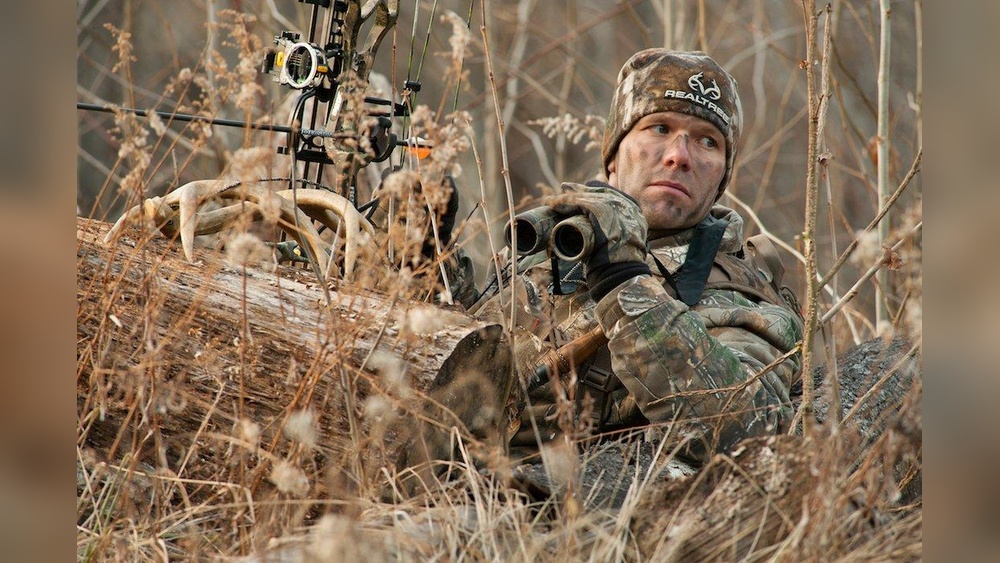
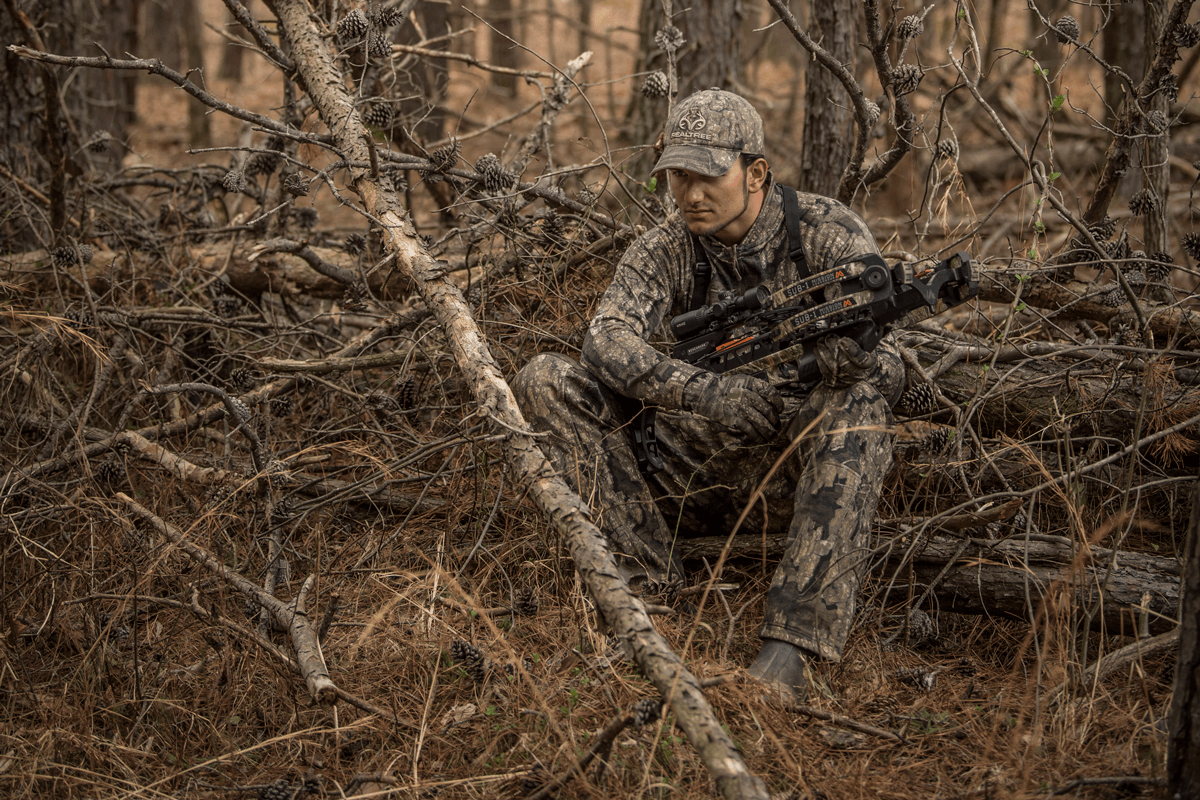
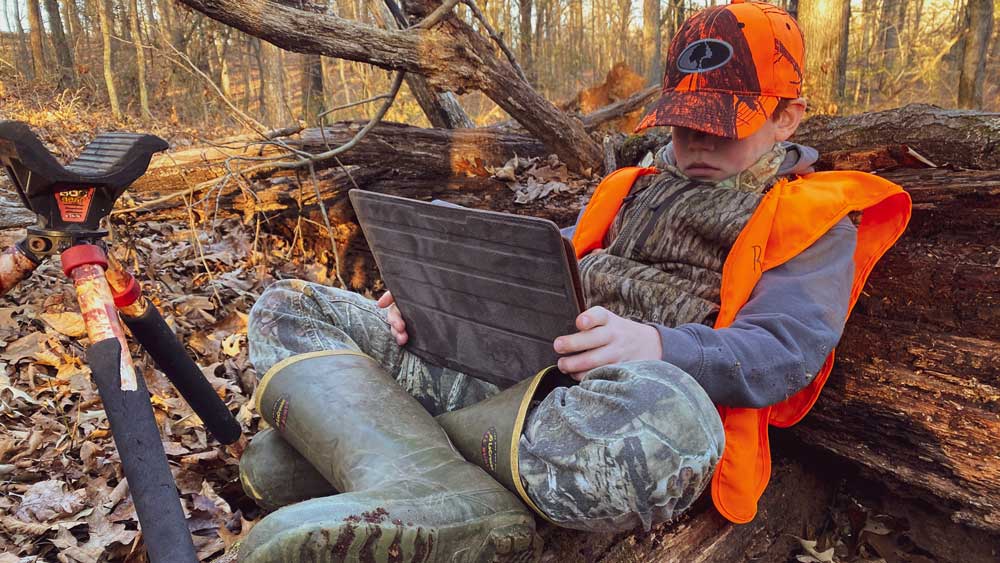
- Natural blinds: Use fallen logs, brush piles, or tall grass to break up your silhouette.
- Stools and seats: Low-profile, portable chairs keep you comfortable and stable without exposing movement above the horizon.
Accessories And Tools
- Rangefinder: Critical for judging distances at eye level, where terrain can distort perception.
- Binoculars: Compact, high-clarity models (8×42) aid in early detection of game.
- Backpack: Streamlined packs with silent closures and multiple compartments for quick access.
- Wind checker: Simple powder bottles or puffs of fine dust reveal wind direction and help plan your approach.
Credit: www.bowhunter.com
Scouting And Site Selection
Effective ground bow hunting begins long before the season opens. Investing time in scouting increases your odds of encountering game at close range.
Understanding Animal Patterns
Study movement routes, feeding areas, bedding sites, and water sources. Whitetail deer, for instance, often travel between bedding and food along predictable paths, especially during dawn and dusk.
- Look for fresh sign: Tracks, droppings, rubs, and scrapes indicate recent animal activity.
- Seasonal shifts: Early season deer may favor agricultural edges, while late season activity concentrates around thermal cover.
Terrain And Cover
- Edge habitats: Transition zones between different cover types (e.g., woods to field) funnel animal movement.
- Natural funnels: Saddles, creek crossings, and narrow ridges concentrate game, increasing shot opportunities.
- Wind advantage: Select sites where prevailing winds carry your scent away from likely approach routes.
Ground Blind Placement
Position blinds or natural setups with the sun at your back to obscure movement. Set up at least a week before hunting to allow animals to acclimate.
Pro Tip: Avoid placing blinds in open areas. Instead, tuck them into brush or shadows to break up their outline and minimize detection.
Entry And Exit Routes
Carefully plan your approach and departure to avoid spooking game.
- Use existing trails to minimize noise and scent left behind.
- Approach with wind in your face to reduce the chance of being scented.
- Clear shooting lanes of branches and grass, but avoid excessive disturbance that could alert wary animals.
Credit: www.mossyoak.com
Concealment And Stealth Tactics
On the ground, every movement and sound is more likely to be detected by game. Mastering concealment and stealth is essential for close encounters.
Blending With The Environment
- Natural camouflage: Supplement clothing with local vegetation, attach leaves, grass, or branches to your hat, pack, or blind.
- Face paint or masks: Break up skin shine and outline, especially in open setups.
- Gloves: Cover hands, which are often the most visible moving parts.
Movement Discipline
- Minimize motion: Move only when the animal’s head is down or obscured.
- Slow, deliberate actions: Avoid quick gestures that catch the eye.
- Draw your bow smoothly and hold at full draw only when the animal is not looking.
Scent And Sound Control
- Control scent: Use wind and thermal currents to your advantage; consider ozone generators or activated carbon suits for additional scent reduction.
- Stay silent: Muffle gear, avoid metal-on-metal contact, and cover noisy pack straps with tape or fabric.
Using Shadows And Light
- Hunt in shade: Shadows conceal movement better than bright sunlight.
- Avoid skylining: Never position yourself on a ridge or against a bright background where your silhouette stands out.
Case Study: Successful Ground Hunt
A bow hunter in Nebraska set up a brushed-in blind 18 yards from a well-used deer trail. By maintaining strict scent control, minimizing movement, and choosing a shaded location, he harvested a mature buck after three days of patient observation.
His success was attributed to blending into the environment and adapting to shifting wind patterns each afternoon.
Credit: www.themeateater.com
Shot Execution And Shooting Mechanics
Shooting from ground level introduces unique angles and obstacles. Precision, patience, and practice are critical for ethical kills.
Adjusting For Shooting Angles
Ground-level shots often require shooting through narrow windows or at upward or downward angles, depending on terrain.
- Practice kneeling and sitting shots: Simulate field positions to build muscle memory.
- Clear shooting lanes: Remove small branches or grass that could deflect arrows without opening up excessive gaps.
Range Estimation Challenges
Distance can be deceiving at eye level, especially in thick cover.
- Use markers: Place natural reference points (rocks, logs) at known distances.
- Frequent rangefinding: Double-check distances as light and shadows change.
Shot Placement
Vital zones appear smaller and are often partially obscured.
- Aim lower on broadside shots: At ground level, the heart-lung area is situated lower than it appears.
- Wait for clear shots: Resist the urge to shoot through brush or at partially visible animals.
Warning: Poor shot placement leads to wounded, unrecovered game. Never shoot unless you are certain of a clean, ethical hit.
Practice Drills
- Simulate field conditions: Practice from sitting, kneeling, and squatting positions with your hunting gear.
- Timed draws: Practice drawing and holding at full draw for extended periods to prepare for slow-moving game.
Comparison Table: Tree Stand Vs. Ground Bow Hunting
| Aspect | Tree Stand | Ground Hunting |
|---|---|---|
| Visibility | Elevated, wider field of view | Limited, obstructed by brush |
| Mobility | Fixed location | High, can relocate easily |
| Concealment | Above animal line of sight | Relies on cover and camo |
| Scent Control | Easier to avoid detection | More challenging at ground level |
| Shot Angles | Downward, more forgiving | Level or upward, more obstacles |
Ground Blind Strategies And Natural Hides
Choosing between a commercial ground blind and a natural hide depends on your hunting style, terrain, and species pursued.
Commercial Ground Blinds
- Advantages: Offer complete concealment, protect from weather, and allow for movement.
- Disadvantages: Bulkier, require setup time, and may be avoided by wary game if not brushed in well.
- Tip: Set up blinds at least a week before hunting to let game acclimate.
Brushing In Your Blind
- Gather local vegetation: Match what’s immediately around your site.
- Cover all outlines: Pay attention to corners, rooflines, and windows.
- Leave shooting windows closed until ready to shoot to minimize black holes.
Natural Hides
- Fallen logs and brush piles: Quickly constructed, blend seamlessly, and allow for flexible repositioning.
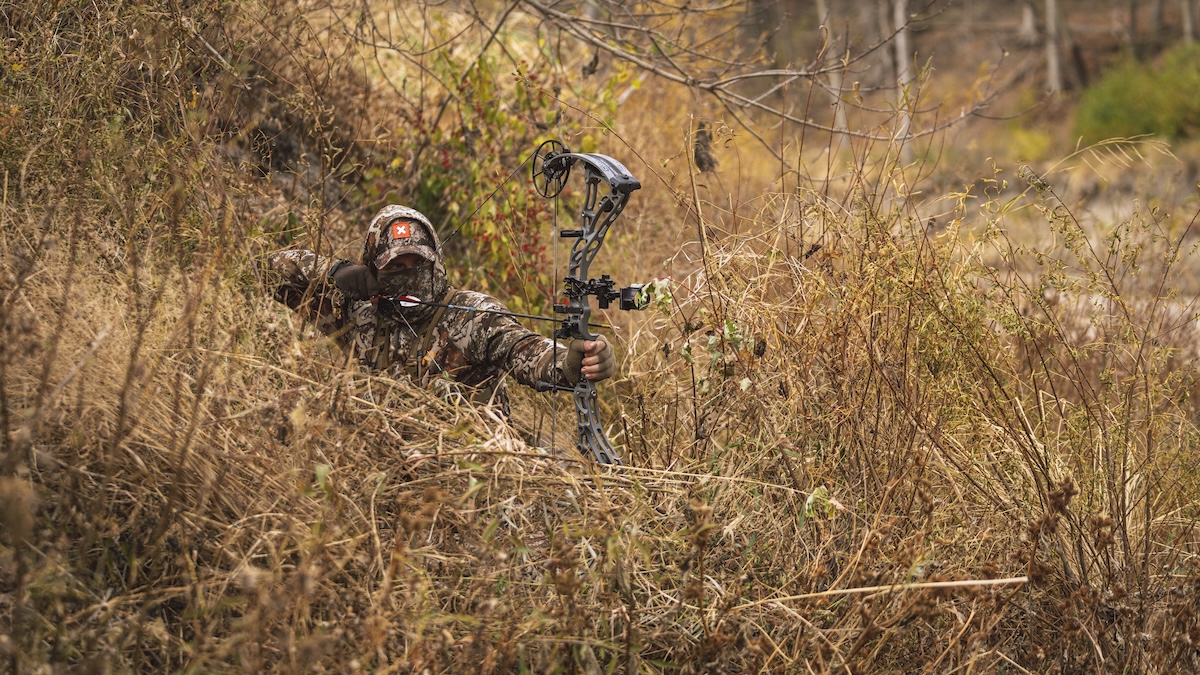
- Tall grass or cattails: Effective in open country or marshes; crouch low and use the terrain to mask movement.
Real-world Example: Quick Natural Hide
During a Kansas whitetail hunt, a hunter used a blown-down cedar tree as a makeshift blind. By adding a few cut branches and keeping movement minimal, he drew a mature buck to within 12 yards, proving that improvisation and environmental awareness can pay off as much as commercial gear.
Table: Ground Blind Vs. Natural Hide Comparison
| Feature | Ground Blind | Natural Hide |
|---|---|---|
| Setup Time | 10, 30 minutes | 5, 15 minutes |
| Concealment Level | High (if brushed in) | Moderate to high |
| Portability | Bulkier | Very portable |
| Weather Protection | Excellent | Poor |
| Cost | $75, $400 | Free |
Stalking And Still-hunting Techniques
For hunters who prefer active engagement, stalking and still-hunting offer dynamic alternatives to waiting in ambush.
Stalking Strategies
- Plan the route: Identify game and plot an approach using terrain features for cover.
- Monitor wind: Always approach from downwind to prevent scent detection.
- Move slowly: Take one or two steps, then pause to scan for movement.
Pro Tip: Use binoculars to study animal behavior before closing the distance. Wait for feeding or distracted behavior before moving.
Still-hunting Methods
- Step, scan, listen: Move slowly, pausing every few steps to observe and listen for animal sounds.
- Use natural cover: Trees, rocks, and brush help break up your outline.
- Timing: Early morning and late afternoon are best, when animals are more active and ambient sounds mask movement.
Adapting To Changing Conditions
- Rain or wind: Use these conditions to mask noise and increase your chances of getting close.
- Dry leaves or snow: Move even slower, using terrain features to cover sound.
Example: Elk Stalk In Colorado
A bow hunter in Colorado successfully closed the gap on a feeding elk by crawling through tall grass and using a small rise to stay hidden. He paused whenever the elk raised its head, moving only during feeding. Patience and wind discipline led to a 25-yard shot opportunity.
Table: Stalking Vs. Still-hunting
| Aspect | Stalking | Still-Hunting |
|---|---|---|
| Primary Goal | Approach a specific animal | Cover ground, locate game |
| Movement Pace | Varies with cover and distance | Very slow, methodical |
| Terrain Suited | Open country, broken terrain | Woodlands, thick cover |
| Success Rate | Lower, but higher reward | Moderate, more shot chances |
Safety, Ethics, And Regulations
Ground hunting presents unique safety considerations and ethical responsibilities. Adhering to best practices ensures a positive experience for you, wildlife, and other hunters.
Safety Measures
- Identify target and background: Never shoot unless you are certain of a safe backstop.
- Communicate location: Inform others of your whereabouts, especially when hunting with partners.
- Wear blaze orange if required by law during firearms seasons to avoid accidents.
Ethical Considerations
- Respect shot limits: Take only shots where you are confident of a clean, humane kill.
- Track diligently: Follow up on all shots, using blood trails and sign to recover animals.
- Follow fair chase principles: Avoid overuse of technology or unethical baiting practices.
Understanding Local Laws
- Know the rules: Regulations on ground blinds, hunting hours, and weapon restrictions vary by state and species.
- Tagging and reporting: Complete all legal requirements after a successful hunt.
- Landowner permissions: Always secure written consent before hunting on private property.
For up-to-date regulations, consult your state’s fish and wildlife agency or visit U.S. Fish and Wildlife Service.
Example: Legal Issue From Unmarked Blind
A hunter in Michigan received a citation for using an unmarked ground blind on state land. Local laws required blinds to display the owner’s name and address. This underscores the importance of researching regulations before entering the field.
Real-world Examples And Expert Insights
Analyzing real hunts and expert recommendations provides valuable lessons and inspiration for your own ground bow hunting pursuits.
Example 1: Whitetail Success In Dense Cover
A bow hunter in Pennsylvania consistently harvested mature bucks from the ground by brushing into blowdowns along oak ridges. His approach involved careful scent management, patience, and adapting to shifting wind patterns. Over a decade, his ground success rivaled that from tree stands.
Example 2: Turkey With A Recurve Bow
Hunting spring gobblers without a blind, an archer used camouflage, soft-calling, and minimal movement to draw a tom to 15 yards. He credits his success to sitting against a large oak and using the terrain to mask his outline.
Example 3: Mule Deer Spot-and-stalk
In Wyoming, a hunter glassed a bedded mule deer and used a combination of crawling, wind monitoring, and patience to close within 30 yards. The hunter waited for the deer to stand before drawing, ensuring a broadside shot.
Expert Insight: Bow Draw Weight And Arrow Selection
Professional archery coach Larry Wise recommends using a draw weight that allows for a smooth, controlled draw from awkward positions, typically 5, 10 lbs less than your maximum. He also suggests using heavier arrows for better penetration at the shorter ranges common in ground hunting.
External Resource
For additional tips and strategies, visit the National Wild Turkey Federation for expert advice on ground blind hunting.
Frequently Asked Questions
What Is The Best Time Of Day To Bow Hunt From The Ground?
Early morning and late afternoon are generally the most productive times to hunt from the ground. Animals are naturally more active during these periods, moving between bedding and feeding areas. Ground-level cover also casts longer shadows during these times, aiding concealment.
Additionally, wind patterns are often more stable at dawn and dusk, helping with scent control.
How Close Do Animals Typically Get When Bow Hunting On The Ground?
Encounters on the ground are often much closer than from a tree stand, with shots typically ranging from 10 to 25 yards. This proximity increases the importance of remaining motionless and silent. Some hunters report deer or turkeys approaching within just a few yards if concealment is perfect and wind is favorable.
Can I Bow Hunt From The Ground Without A Blind?
Yes, many hunters successfully harvest game without commercial blinds by using natural cover such as logs, brush piles, or tall grass. The key is to match your camouflage to your surroundings, minimize movement, and pay close attention to wind direction.
Practicing stealth and choosing positions with good back cover greatly increase your odds.
What Species Are Most Commonly Hunted With A Bow From The Ground?
While whitetail deer are the most popular quarry, ground bow hunting is effective for a variety of species, including mule deer, elk, pronghorn antelope, wild turkeys, and even predators like coyotes. Turkeys and pronghorn, in particular, are frequently pursued from ground blinds or natural hides due to their keen eyesight and open-country habits.
How Do I Recover A Wounded Animal When Hunting From The Ground?
Begin by marking the shot location and initial direction of the animal’s flight. Carefully search for blood, tracks, or hair, and follow the trail slowly, giving the animal time to expire if the shot was not immediately fatal. If the trail is lost, expand your search in a grid pattern.
Always respect private property boundaries and consult regulations about tracking wounded game across property lines.
Bow hunting from the ground is one of the most rewarding and challenging ways to pursue big game. With the right gear, preparation, and mindset, you can consistently get close to wild animals and experience the thrill of a truly fair chase.
Mastering stealth, shot execution, and adaptability will not only increase your success but also deepen your appreciation for the art of bow hunting. Whether you choose a commercial blind, a natural hide, or the adventure of still-hunting, ground bow hunting offers endless opportunities to sharpen your skills and forge unforgettable memories in the wild.