How To Bow Hunt Boar
Wild boar, with their keen senses and tenacious spirit, present one of the most exhilarating and challenging targets for bow hunters across North America and beyond. The thrill of stalking a wary boar through dense underbrush or waiting in silent anticipation over a well-placed bait pile has drawn hunters for centuries.
Unlike hunting with firearms, bow hunting demands a unique blend of stealth, patience, marksmanship, and an intimate understanding of your quarry. Mastering the art of bow hunting boar can yield not only a rewarding harvest but also a deeper connection with the wild.
Whether you’re a seasoned archer seeking to expand your hunting repertoire or a newcomer eager to experience the primal challenge of boar hunting with a bow, preparation is everything. From choosing the right equipment and scouting tactics to understanding shot placement and tracking wounded game, every step must be meticulously planned.
This comprehensive guide distills expert knowledge, real-world examples, and proven strategies to help you become a more effective, and ethical, boar bow hunter.
Key Takeaways
- Boar bow hunting requires specialized gear, rigorous practice, and deep knowledge of animal behavior.
- Scouting and understanding boar habitats significantly increase your chances of a successful hunt.
- Ethical shot placement and post-shot tracking are critical for both humane harvest and hunter safety.
- Real-world examples reveal the importance of adaptability and situational awareness in the field.
- Familiarity with local laws, safety guidelines, and respect for the animal underpin responsible hunting.

Credit: dosplumashuntingranch.com
Understanding Wild Boar Behavior And Habitats
Wild boar, also known as feral hogs, have become one of the most adaptable and widespread game species in the United States, with populations thriving from the Southeast to California and Texas. Understanding their behavior is the cornerstone of effective bow hunting.
Boar Senses And Daily Patterns
Boar possess an acute sense of smell, capable of detecting human scent from over 300 yards away, according to the Texas Parks and Wildlife Department. Their hearing is also exceptional, making stealth an absolute necessity. While their eyesight is less developed, boar are adept at detecting movement.
Typically, wild boar are nocturnal or crepuscular, being most active during dawn and dusk. However, in undisturbed areas or during cooler months, they may be seen feeding during daylight. They root for food such as acorns, tubers, and small animals, often leaving telltale signs like upturned soil and wallows.
Preferred Habitats
Boar favor areas with dense cover, thickets, wetlands, and forests, close to water sources. They regularly traverse the same trails, especially between feeding and bedding areas. Identifying these trails, wallows, and rooting sites is crucial for stand placement and ambush tactics.
Seasonal Variations
Seasonality impacts boar movement. During hot months, they seek shade and water. In the fall, they follow mast crops (like acorns). Winter may drive them to feed during the day for warmth. Adjust your approach based on these patterns for maximum success.
Example: Reading Boar Sign
In my experience hunting Texas public lands, I found success by focusing on fresh rooting under oak canopies and locating muddy wallows within 100 yards of dense willow thickets. Setting up downwind of these features, and minimizing noise, led to multiple close-range encounters.

Credit: www.youtube.com
Essential Bow Hunting Gear For Boar
Choosing the right gear can mean the difference between a clean harvest and a lost animal. Wild boar are tough, with thick hides and a tenacious will to survive. Your equipment must be up to the challenge.
Choosing Your Bow
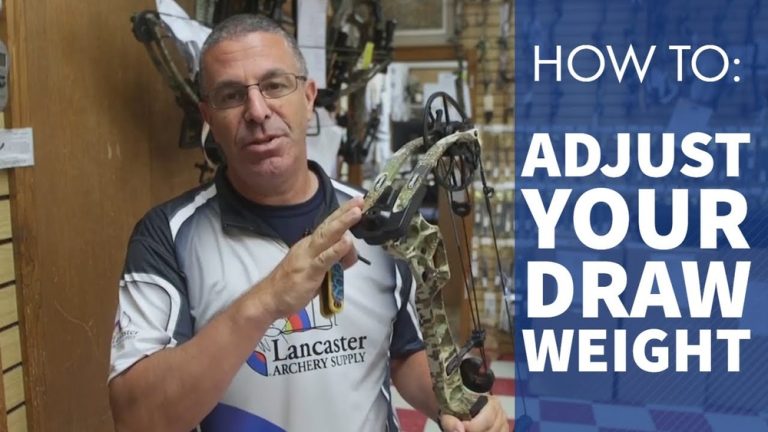
Both compound bows and recurve/longbows are suitable for boar hunting, provided they meet minimum draw weight requirements (generally 45 lbs or more for ethical kills). Compound bows offer mechanical advantages and easier accuracy at longer ranges, while traditional bows provide a more primal connection and challenge.
Arrows And Broadheads
Penetration is paramount. Use heavy arrows (400+ grains total weight) paired with fixed-blade broadheads for maximum bone-busting capability. Mechanical broadheads are less reliable on thick-skinned game due to possible blade deployment failures.
Comparison Table: Broadhead Types For Boar
| Broadhead Type | Advantages | Disadvantages | Recommended For |
|---|---|---|---|
| Fixed-Blade | High penetration, reliable, simple construction | Requires precise tuning, may plane in flight | Boar, elk, large game |
| Mechanical | Larger cutting diameter, better flight at high speed | Potential deployment failure, less penetration | Deer, soft-skinned game |
Sights, Rests, And Releases
Invest in a quality bow sight with fiber optics for low-light conditions, a durable arrow rest, and a comfortable release aid. For traditional bows, practice instinctive shooting at varying ranges.
Safety And Support Gear
- Cut-resistant gloves: Protect against boar tusks and brush.
- Headlamp: Essential for pre-dawn or post-sunset tracking.
- Rangefinder: Ensures precise distance estimation.
- Backpack with hydration: Stay prepared for long tracking jobs.
- GPS or mapping app: Prevents getting lost in remote areas.
Example: Gear Failure In The Field
A fellow hunter’s mechanical broadhead failed to open on a 200-lb boar, resulting in a superficial wound and a lost animal. After switching to fixed-blades and heavier arrows, he achieved consistent pass-throughs and swift recoveries.
Scouting And Locating Boar
Finding wild boar requires patience, observation, and sometimes a bit of luck. Effective scouting can make or break your hunt.
Identifying Boar Sign
Look for the following signs:
- Rooting: Disturbed soil and upturned leaves indicate recent feeding.
- Tracks: Boar tracks are rounded with blunt toes, often wider than deer.
- Wallows: Shallow, muddy depressions used for cooling and parasite removal.
- Rubs: Trees with mud or hair, often near wallows.
- Droppings: Pile-shaped, often with visible plant matter.
Trail Cameras And Technology
Deploying trail cameras on suspected travel routes or bait sites reveals boar patterns, herd size, and peak movement times. Modern cameras with cellular capability provide real-time updates.
Mapping And Land Access
Use satellite imagery and topographical maps to identify potential boar hotspots, riparian zones, agricultural edges, or remote thickets. Always secure permission for private land and check local regulations.
Comparison Table: Scouting Methods
| Method | Cost | Effectiveness | Best Use |
|---|---|---|---|
| Boots-on-Ground | Low | High (immediate feedback) | Public and private land |
| Trail Cameras | Moderate | Very High (24/7 monitoring) | Bait sites, travel corridors |
| Mapping Apps | Low/Moderate | Moderate (planning phase) | New areas, pre-season |
Example: Trail Camera Success
A bow hunter in Georgia used cellular trail cameras to monitor a bait site, noting that a large boar consistently visited at 7:45 pm. By timing his hunt to coincide with this pattern, he successfully harvested the animal at under 20 yards.

Credit: www.trophywildboarhunt.com
Setting Up For The Shot: Ambush And Stalk Tactics
Boar hunting with a bow is typically a close-range affair. Your approach must prioritize concealment, wind management, and patience.
Stand And Blind Placement
- Place tree stands or ground blinds downwind of active trails, wallows, or bait sites.
- Use natural cover to break up your outline.
- Avoid overhunting a stand; pressure can drive boar nocturnal or cause them to abandon the area.
Still-hunting And Spot-and-stalk
Still-hunting involves slowly traversing likely habitat, pausing frequently to scan and listen. Spot-and-stalk requires glassing from a vantage point and then carefully closing the distance.
- Wear quiet clothing and move slowly.
- Always approach from downwind.
- Use natural obstacles (logs, brush) for cover.
Wind And Scent Control
Boar’s sense of smell is legendary. Employ scent-eliminating sprays, wash clothes in unscented detergent, and store gear away from strong odors. Always hunt with the wind in your face or at a crosswind.
Shot Angles And Distances
Ideal bow shots are under 30 yards. Quartering-away angles expose the vitals and reduce bone obstruction. Avoid frontal or steeply quartering-to shots, which risk non-lethal wounds.
Example: Stalking Success
A Florida bow hunter successfully stalked a 180-pound boar by shadowing the animal along a creek bottom, using palmetto fronds for concealment. By maintaining a crosswind and moving only when the boar’s head was down, he closed the gap to 18 yards for a perfect broadside shot.
Shot Placement, Recovery, And Ethics
Ethical hunting is about more than success, it’s about respect for the animal and the sport.
Understanding Boar Anatomy
A wild boar’s vital zone sits lower and more forward than that of a deer. The heart and lungs are shielded by a thick “shield” of cartilage and fat, especially in mature boars. Aim just above the leg crease, one-third up from the belly.
Data Table: Boar Anatomy Vs. Deer Anatomy
| Feature | Boar | Deer |
|---|---|---|
| Vital Zone Location | Low, forward, behind shoulder | Behind shoulder, higher up |
| Shield Thickness | Up to 2 inches (mature males) | Minimal |
| Bone Density | Very dense shoulder/scapula | Less dense |
Blood Trailing And Recovery
Boar often run after the shot, sometimes without obvious distress. Blood trails may be sparse due to fat plugging the wound. Mark the spot of the shot, wait 30-60 minutes before tracking, and move slowly, scanning ahead.
- Look for bubbles in blood (lung hit) and dark, steady blood (heart/liver).
- Use flagging tape or GPS waypoints to mark the trail.
- Be prepared for follow-up shots; boar can be aggressive when wounded.
Ethics And Legal Considerations
- Only take shots within your practiced range and with a clear path to the vitals.
- Recover and use as much of the animal as possible.
- Abide by all local laws regarding hunting hours, baiting, and recovery.
Example: Difficult Recovery
A hunter in Oklahoma shot a large sow at dusk. The boar ran 80 yards into a dense cane brake, leaving a faint blood trail. By methodically marking each drop and listening for movement, the hunter recovered the animal after an hour, reinforcing the need for patience and a strong light source.
Safety And Legal Considerations
Wild boar are not only formidable quarry but can also pose real danger to the unprepared hunter. Ensuring your safety and adhering to the law is non-negotiable.
Personal Safety
Boar, particularly wounded animals, have been known to charge. Always:
- Hunt with a partner when possible.
- Carry a sidearm for personal protection where legal.
- Stay alert after the shot and approach downed animals with caution.
- Wear protective boots and gloves.
Disease Awareness
Wild boar can carry diseases such as brucellosis, trichinosis, and pseudorabies. Wear gloves when field dressing and thoroughly cook meat to USDA-recommended temperatures.
Legal Regulations
Regulations vary widely by state. Common rules include:
- Bag limits and open seasons (some areas have no closed season for boar).
- Restrictions on baiting and night hunting.
- Required licenses and permits.
Check your local wildlife agency for up-to-date information. See the U.S. Fish & Wildlife Service for a regulatory overview.
Landowner Permissions
Always secure written permission when hunting private property. Respect land boundaries, close gates, and leave no trace.
Example: Legal Trouble Avoided
A group of hunters in California was cited for hunting boar after legal shooting hours. Familiarizing yourself with local laws and time restrictions is essential to avoid costly fines or license suspension.
Field Dressing, Meat Care, And Trophy Preparation
Harvesting a wild boar is only half the battle; proper field care ensures quality meat and a lasting trophy.
Field Dressing Basics
- Wear disposable gloves and use a sharp knife.
- Bleed the animal promptly by cutting the carotid artery.
- Remove entrails carefully, avoiding puncturing the stomach or intestines.
- Keep meat clean and cool, especially in warm climates.
Meat Quality And Handling
Wild boar meat is lean, dark, and flavorful, but spoils quickly if mishandled.
- Quarter and ice the meat as soon as possible.
- Avoid contact with hair, dirt, or glands.
- Process within 24 hours when temperatures exceed 50°F.
Trophy Preparation
For those preserving skulls or mounts:
- Skin and cape the boar promptly.
- Salt hides to prevent spoilage.
- Boil skulls for European mounts, using hydrogen peroxide (not bleach) for whitening.
Disease Precautions
Refer to the Centers for Disease Control and Prevention (CDC) for guidelines on safe handling of wild game.
Example: Meat Spoilage Prevention
A hunter in Louisiana lost an entire boar to spoilage by leaving it overnight in the field. Since then, he always carries a large cooler and bags of ice during warm-weather hunts.
Real-world Examples And Case Studies
Learning from the experiences of others can accelerate your own bow hunting success.
Example 1: Adaptive Stand Placement
An Arkansas bow hunter noticed boar avoiding a heavily hunted stand site. By relocating 200 yards downwind and behind a natural funnel, he intercepted a group of pigs on their way to a cornfield. The key was adaptability and reading fresh sign.
Example 2: Overcoming Equipment Limitations
A novice hunter using a low-poundage bow struggled with poor penetration. After upgrading to a 55-lb compound and practicing with heavier arrows, his next shot resulted in a complete pass-through and a quick recovery.
Example 3: Tracking In Adverse Conditions
During a rain-soaked hunt in Mississippi, a wounded boar’s blood trail vanished. The hunter used GPS to grid-search likely escape routes and eventually found the animal by following disturbed vegetation rather than blood.
Lessons Learned
- Adapt to animal behavior and pressure.
- Use adequate gear for the size and toughness of boar.
- Persistence in tracking can make the difference between success and failure.
Frequently Asked Questions
What Is The Minimum Recommended Draw Weight For Bow Hunting Boar?
Most states recommend a minimum draw weight of 45 pounds for hunting wild boar with a bow. This ensures sufficient energy for reliable penetration through the boar’s thick hide and shield. However, some experienced hunters prefer 50 pounds or more, especially for larger or mature boars. Always check local regulations for specific requirements.
How Do I Avoid Detection By A Boar’s Sense Of Smell?
Boar have an exceptional sense of smell. To minimize detection:
- Hunt downwind of expected travel routes.
- Use unscented detergents for washing clothes.
- Store hunting gear away from strong odors (gasoline, food).
- Apply scent-eliminating sprays before entering the field.
- Avoid eating or smoking near your hunting area.
Is It Legal To Hunt Boar At Night With A Bow?
Night hunting regulations for boar vary by state and even county. Some states, such as Texas, allow night hunting of feral hogs on private land with landowner permission, while others restrict bow hunting to daylight hours only. Use of artificial light or night vision may also be regulated.
Always consult your local wildlife agency for current rules before attempting a night hunt.
What Should I Do If A Wounded Boar Charges Me?
If a wounded boar charges:
- Try to place a solid object (tree, log) between you and the animal.
- Stand your ground and prepare to use a sidearm if legally carried.
- Shout or make loud noises to deter the boar.
- If hunting with a partner, work together to distract the animal.
- Seek medical attention immediately if injured, as boar tusks can cause severe wounds and infection.
Can Wild Boar Meat Be Eaten Safely, And How Should It Be Cooked?
Yes, wild boar meat is highly prized but must be handled and cooked with care. Boar can carry parasites such as trichinella and bacteria like brucella. The CDC recommends cooking all wild boar meat to an internal temperature of at least 160°F to kill harmful organisms. Always wear gloves during butchering and thoroughly clean all equipment after use.
As you embark on your bow hunting journey for wild boar, remember that success is built on preparation, adaptability, and respect for both the animal and the land. Each hunt offers a chance to sharpen your skills, deepen your understanding of the wild, and create lasting memories.
Stay safe, hunt ethically, and enjoy the unique adventure that is bow hunting for boar.