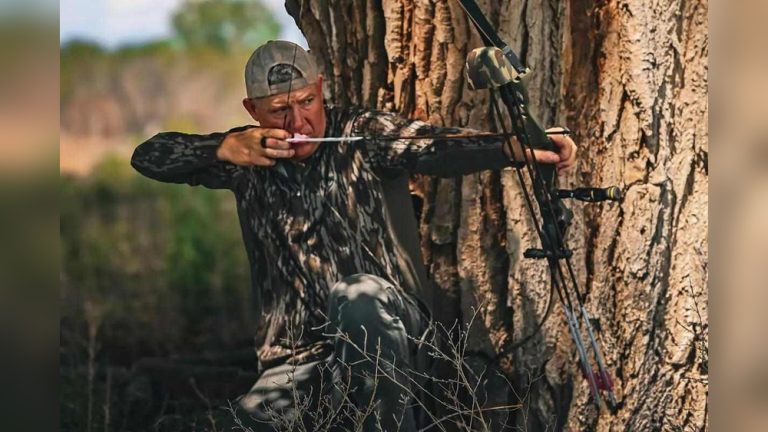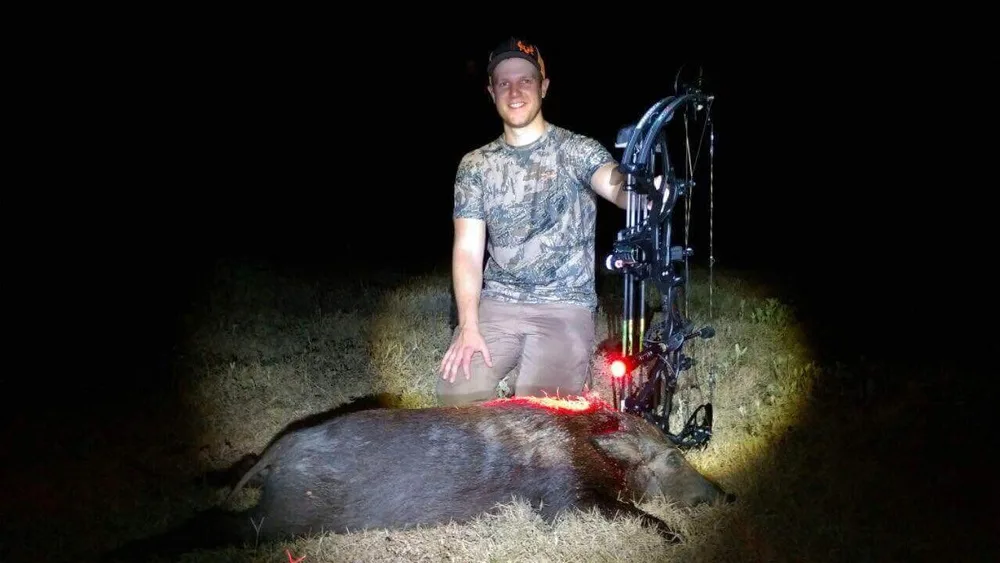
How To Bow Hunt Hogs At Night
Wild hogs are among the most challenging and resilient game animals in North America. Their intelligence, acute senses, and nocturnal habits make them a formidable adversary for hunters, especially those who choose to hunt with a bow. Nighttime bow hunting for hogs blends the thrill of close encounters with the demands of patience, stealth, and precise shot placement.
For those willing to prepare, it offers not only an exciting hunt but also the opportunity to help manage invasive populations that cause millions of dollars in agricultural and ecological damage each year.
The surge in wild hog populations, estimated at over 6 million in the United States, according to the U. S. Department of Agriculture, has made night hunting a vital management tool in many states. As hogs adapt to hunting pressure by becoming more nocturnal, bow hunters increasingly turn to the darkness, equipped with modern technology and deep knowledge of hog behavior.
Whether you’re a seasoned archer or new to the pursuit, this comprehensive guide will walk you through every aspect of successful night bow hunting for hogs, from gear and legal considerations to field tactics, safety, and real-world examples.
Key Takeaways
- Night bow hunting for hogs requires specialized equipment, legal knowledge, and thorough preparation.
- Understanding hog behavior and nocturnal patterns significantly increases your odds of success.
- Technology, such as night vision, thermal optics, and illuminated sights, can give bow hunters a crucial edge.
- Effective scouting, baiting, and stand placement are foundational to consistent success.
- Safety, ethical considerations, and local regulations must always be prioritized.
- Real-world experiences and adaptive tactics are key to overcoming the unique challenges of night bow hunting.
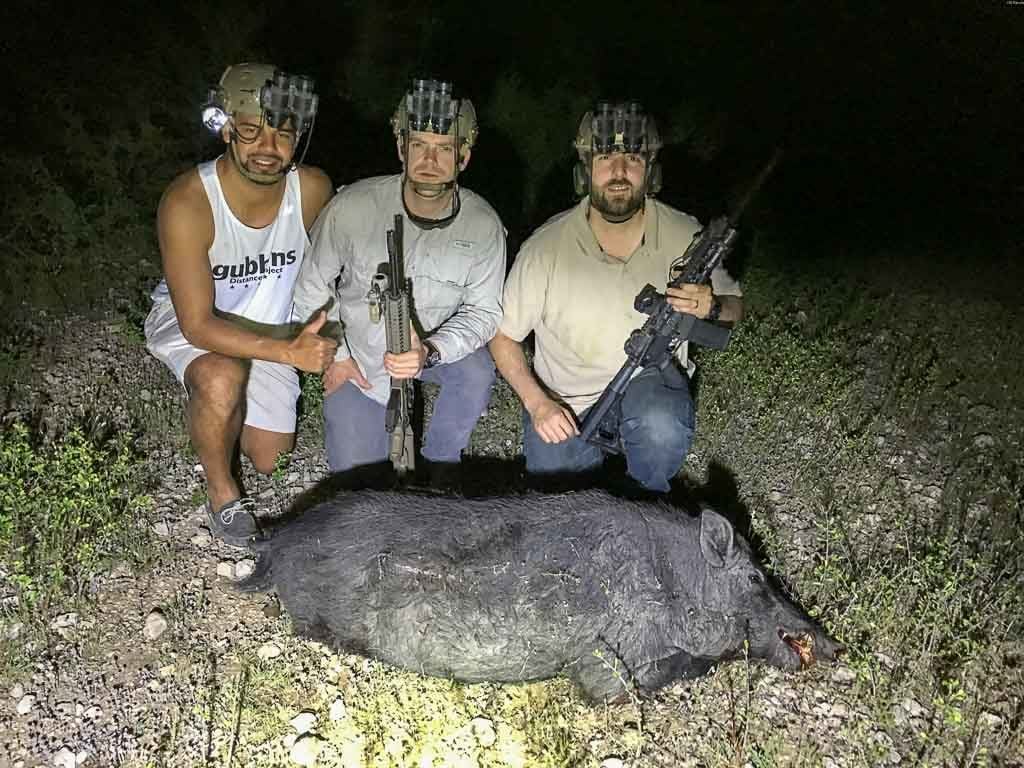
Credit: www.oxhuntingranch.com
Understanding Wild Hogs And Nighttime Behavior
Biology And Senses Of Wild Hogs
Wild hogs, or Sus scrofa, possess several characteristics that make them particularly challenging quarry. They have:
- Acute sense of smell: Estimated to be 1,000 times more sensitive than humans.
- Excellent hearing: Capable of detecting movement and unusual noises at considerable distances.
- Poor eyesight: While not blind, their vision is limited, especially during the day, but they excel at detecting movement in low light.
These attributes, combined with their intelligence and adaptability, make stealth and careful planning essential for bow hunters.
Why Hogs Are Primarily Nocturnal
Due to hunting pressure and natural predation, wild hogs have increasingly become nocturnal. According to the Texas Parks and Wildlife Department, most hog activity now occurs between sunset and sunrise. This adaptation helps them avoid human interaction and predators, making night hunting both effective and often necessary.
Common Nighttime Habits
- Feeding: Hogs root for food in open fields, agricultural areas, and forest edges under the cover of darkness.
- Wallowing: They use mud wallows to cool down and avoid parasites, often returning to the same spots nightly.
- Travel Routes: Hogs use established trails between bedding, feeding, and water sources, which can be identified by tracks and sign.
Understanding these habits is critical for selecting the right hunting locations and times.
Legal Considerations And Ethical Hunting Practices
State And Local Regulations
Nighttime hog hunting regulations vary widely by state and even by county. Some states, like Texas and Florida, allow hunting hogs at night with few restrictions, while others require permits or restrict certain equipment.
Key legal areas to check:
- Permits and licenses: Ensure you have the appropriate hunting licenses and permissions.
- Allowed equipment: Night vision, thermal optics, and artificial lights may be regulated.
- Season dates and bag limits: Some areas have open seasons, while others may impose limits.
- Landowner permission: Always secure written consent on private land.
For up-to-date regulations, consult your state wildlife agency or visit the USDA Wildlife Damage Management page.
Ethical Considerations
Responsible hog hunting includes:
- Humane shot placement: Vital for quick, ethical kills with archery equipment.
- Avoiding waste: Harvest as much meat as possible, and properly dispose of remains.
- Minimizing disturbance: Respect other wildlife, property boundaries, and local residents.
Pro Tip:
When hunting on new land, meet the landowner in person, walk the boundaries, and discuss expectations to avoid misunderstandings.
Credit: gtguardhunt.com
Essential Bow Hunting Gear For Night Hog Hunts
Choosing The Right Bow And Arrows
A powerful, accurate bow is crucial for nighttime hog hunting due to the animal’s thick hide and muscular build.
Bow types commonly used:
- Compound bows: Popular for their power, speed, and accuracy.
- Crossbows: Offer rifle-like stability, especially in low-light conditions.
- Recurve/longbows: Traditional options requiring more skill and practice.
Recommended draw weights:
- Compound bows: 50, 70 lbs
- Crossbows: 150+ lbs
Arrows and Broadheads:
- Use heavy, durable arrows for deep penetration.
- Fixed-blade broadheads are preferred for their reliability on tough game.
Lighting And Optics
Hunting hogs at night requires specialized optics and illumination.
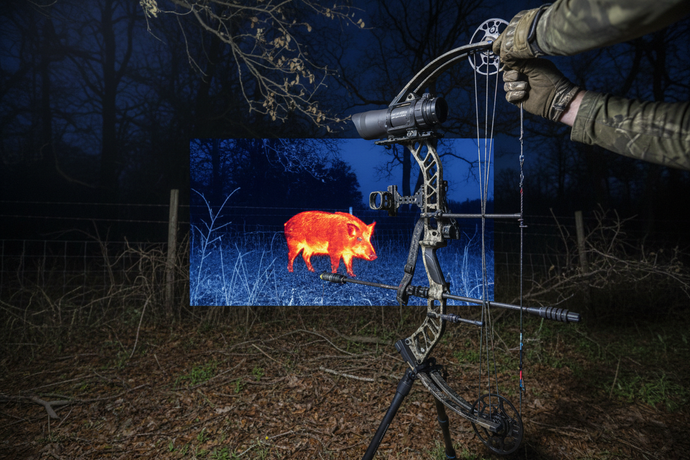
- Night Vision Scopes/Monoculars: Amplify ambient light to “see” in darkness.
- Thermal Imaging: Detects heat signatures; excels in total darkness and thick brush.
- Bow-Mounted Lights: White or green LEDs illuminate the target without spooking hogs.
- Illuminated Sight Pins and Nocks: Make aiming and arrow tracking easier at night.
Comparison Table: Night Vision Vs. Thermal Optics
| Feature | Night Vision | Thermal Imaging |
|---|---|---|
| Image Quality | Clearer with some ambient light | Silhouettes based on heat |
| Performance in Total Darkness | Requires minimal light | Works in complete darkness |
| Price Range | $$ | $$$ |
| Target Identification | Better for species ID | Better for spotting movement |
| Battery Life | Longer | Shorter (generally) |
Clothing And Footwear
- Dark, scent-blocking clothing: Reduces visual and olfactory detection.
- Rubber boots: Mask scent trails and provide waterproof protection.
- Bug protection: Mosquitoes and ticks are rampant at night.
Safety And Navigation Gear
- GPS and compass: Essential for navigation in unfamiliar terrain.
- First aid kit: Preparedness for injuries or accidents.
- Backup headlamp/flashlight: Always carry extra batteries.
Additional Equipment
- Game calls: Predator or piglet distress calls can draw hogs within range.
- Bait and attractants: Legal in many areas, enhances success rates.
- Tree stands or ground blinds: Improve concealment and shooting angles.
Credit: www.bowhunting.com
Scouting And Preparing For A Night Hunt
Identifying Hog Activity And Patterns
Effective scouting is the backbone of successful hog hunting.
Look for these signs:
- Fresh rooting: Uprooted soil in search of food.
- Tracks and wallows: Clearly defined in muddy or soft areas.
- Droppings: Fresh scat signals recent activity.
Use trail cameras, preferably with infrared or no-glow LEDs, to monitor hog movement patterns at night.
Selecting The Right Location
Prime locations for night bow hunting include:
- Crop fields and food plots: Hogs often raid corn, peanuts, and wheat at night.
- Water sources: Rivers, ponds, and creeks where hogs drink and wallow.
- Travel corridors: Well-worn trails between bedding and feeding areas.
Setting Up Bait Sites
Where legal, baiting is highly effective. Corn, soured grain, and commercial attractants are popular choices. Place bait near known travel routes and clear shooting lanes for safe, ethical shots.
Example: Bait Site Effectiveness
A hunter in Georgia reported a 70% increase in nighttime hog encounters after implementing bait sites monitored by trail cameras. He adjusted the bait timing to just after sunset, matching hog movement captured on camera, and saw a marked improvement in shot opportunities.
Stand And Blind Placement
Elevated tree stands offer several advantages:
- Improved visibility over brush and tall grass.
- Reduced scent detection as scent disperses above ground level.
- Better shot angles for ethical kills.
Ground blinds can be effective if positioned downwind and camouflaged.
Pro Tip:
Always set up well before sunset to avoid spooking hogs as they begin their evening routines.
Night Hunting Techniques And Tactics
Spot-and-stalk Vs. Stand Hunting
There are two primary methods for bow hunting hogs at night:
- Spot-and-Stalk: Active pursuit using night vision or thermal devices to locate and approach hogs quietly.
- Stand Hunting: Waiting in a fixed location, tree stand or ground blind, near bait, trails, or feeding areas.
Spot-and-stalk is more physically demanding and requires exceptional stealth, while stand hunting offers higher shot opportunities with less movement.
Approaching Hogs Quietly
- Move slowly, keeping wind in your face to avoid detection.
- Use the terrain, ditches, trees, tall grass, for cover.
- Pause frequently to scan with thermal or night vision optics.
Shot Placement And Shooting In Low Light
Hogs have a relatively small vital area, shielded by a tough shoulder plate.
Ideal shot angles:
- Broadside: Aim just behind the shoulder, one-third up from the belly.
- Quartering away: Tuck the arrow behind the last rib, angling toward the opposite shoulder.
Avoid head or frontal shots, which are less likely to result in quick, humane kills.
Recovering Game At Night
Tracking hogs after a shot can be difficult. Use:
- Illuminated nocks: Easier to spot arrow impact.
- High-lumen flashlights: For following blood trails.
- Marking tape or GPS: To navigate and mark trail locations.
Example: Night Recovery Success
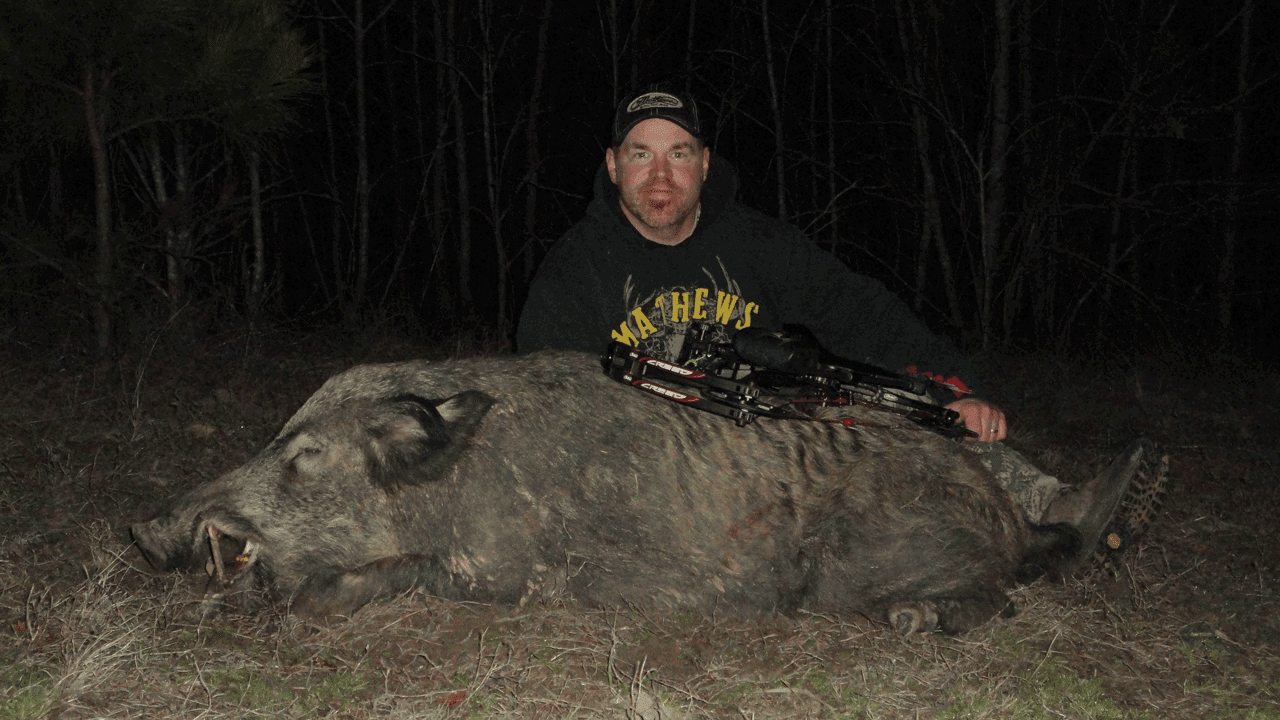
A bow hunter in Oklahoma used a combination of illuminated nocks and a thermal monocular to recover a large boar that ran 80 yards into thick brush after the shot. The illuminated nock helped locate the arrow, and the thermal device quickly found the downed animal, reducing time spent searching in the dark.
Pro Tip:
If blood trailing becomes difficult, return at first light rather than risk losing the animal or getting lost yourself.
Technology And Tools For Night Bow Hunting
Night Vision And Thermal Devices
Modern night hunting relies heavily on advanced optics.
- Night vision: Best for identifying animals at moderate distances.
- Thermal imaging: Excels at detecting heat signatures through brush and tall grass.
Both can be handheld or weapon-mounted but check local regulations before use.
Comparison Table: Popular Night Hunting Devices
| Device Type | Detection Range | Battery Life | Approximate Cost |
|---|---|---|---|
| Night Vision Monocular | 100, 200 yds | 6, 8 hrs | $300, $1,200 |
| Thermal Monocular | 200, 400 yds | 4, 6 hrs | $1,500, $5,000 |
| Bow-Mounted LED Light | 20, 40 yds | 8, 12 hrs | $40, $200 |
Illuminated Accessories
- Lighted sight pins: Essential for aiming in the dark.
- Glow-in-the-dark arrow wraps and nocks: Aid in arrow recovery and shot placement.
- Reflective trail markers: Help you navigate back to stands or vehicles at night.
Mobile Apps And Gps
Apps like OnX Hunt and HuntStand provide:
- Offline maps: Crucial in areas with poor cell reception.
- Property boundaries: Prevent accidental trespass.
- Marking stand, bait, and blood trail locations.
Pro Tip:
Carry a power bank to recharge devices, extended hunts can quickly drain batteries, especially in cold weather.
Safety, Risks, And Emergency Preparedness
Risks Of Night Hunting
Night hunting introduces unique hazards:
- Limited visibility: Increases risk of falls, animal encounters, or getting lost.
- Wild hog aggression: Wounded hogs can be extremely dangerous.
- Environmental hazards: Snakes, insects, and uneven terrain are harder to spot.
Safety Best Practices
- Always inform someone of your hunting location and expected return time.
- Hunt with a partner whenever possible.
- Wear a blaze orange cap or vest when walking to and from your stand, even at night, to increase visibility to other hunters.
- Keep a charged cell phone or two-way radio for emergencies.
First Aid And Emergency Kits
- Basic first aid supplies: Bandages, antiseptic, tourniquet.
- Snakebite kit: Essential in southern states.
- Fire-starting materials: Lighter, waterproof matches.
- Emergency whistle and signaling devices.
Dealing With Hog Encounters
If a hog charges:
- Climb a nearby tree or get behind an obstacle.
- Shout loudly or use a bright flashlight to deter the animal.
- Avoid running, hogs can reach speeds of 30 mph in short bursts.
Example: Safety Incident
A hunter in Florida recounted being charged by a wounded sow after a poorly placed shot. By quickly climbing onto a fallen log and using a high-lumen flashlight, the hunter avoided injury. Such incidents underscore the importance of preparation and situational awareness.
Real-world Examples And Adaptive Strategies
Case Study 1: Adapting To Hog Patterns In Texas
A group of bow hunters in East Texas noticed hog activity shifting later into the night as hunting pressure increased. By adjusting their arrival time to 11 p. m. instead of dusk, using thermal optics, and setting up further from known bedding areas, they improved their harvest rate from one hog every three outings to nearly one per night.
Case Study 2: Overcoming Equipment Failure
During a hunt in Alabama, a hunter’s bow-mounted light failed just as a group of hogs approached. Relying on an illuminated sight pin and a handheld thermal monocular, he was able to take a well-placed shot and recover the animal.
The experience emphasized the need for redundant lighting and backup gear.
Case Study 3: Maximizing Success With Bait And Blinds
On a Mississippi farm, a bow hunter established a bait site near a creek and used trail cameras to pinpoint the peak feeding window, between 2 and 4 a. m. He set up a ground blind downwind and harvested two hogs in consecutive hunts, demonstrating the value of data-driven planning and patience.
Adaptive Tips From Experienced Hunters
- Change stand locations frequently to avoid educating hogs.
- Rotate bait sites and use timers to control feeding times.
- Scout after rain, when fresh sign is easier to spot and human scent disperses quickly.
Meat Recovery, Handling, And Field Care
Field Dressing And Cooling
Wild hog meat spoils rapidly in warm conditions. Immediate field dressing is essential.
- Gut the hog promptly: Remove internal organs and rinse the cavity with clean water.
- Skin the animal: Hogs have thick, tough hides, use sharp, sturdy knives.
- Cool meat quickly: Place quarters in ice chests or hang in a cool area.
Meat Safety And Processing
- Wild hogs can carry trichinosis and other parasites. Always cook meat to an internal temperature of at least 160°F (per the Centers for Disease Control and Prevention).
- Wear gloves when field dressing to avoid contact with blood or fluids.
- Process meat into manageable cuts for freezing or immediate consumption.
Pro Tip:
If you’re unable to recover meat immediately, mark the location with GPS and return at first light. High temperatures and scavengers can ruin a carcass left overnight.
Utilizing The Harvest
- Sausage, pulled pork, and smoked hams are popular ways to prepare wild hog.
- Many communities welcome donations to local food banks or wildlife rehabilitation centers.
Disposal Of Remains
Dispose of bones and offal well away from water sources and trails. Some states have regulations for carcass disposal to prevent disease spread, always check local guidelines.
Frequently Asked Questions
What Is The Best Time Of Night To Hunt Hogs With A Bow?
Peak hog activity typically occurs between midnight and 4 a.m., especially in areas with heavy hunting pressure. However, local conditions, moon phase, and weather can shift these patterns. Trail cameras are invaluable for identifying the most productive times on your property.
Can You Hunt Hogs At Night On Public Land?
Regulations vary by state and by specific public land parcels. Some areas allow nighttime hunting with bows, while others restrict hunting to daylight hours or require special permits. Always verify with the managing agency, such as state wildlife departments or the U.
S. Forest Service, before planning a hunt.
What Is The Safest Way To Retrieve A Downed Hog At Night?
Approach downed hogs with caution, as wounded animals may still be dangerous. Shine a bright light, watch for movement, and use a long stick or arrow to confirm the animal is deceased before getting close. If possible, hunt with a partner for added safety during recovery.
Are Thermal Or Night Vision Devices Legal For Night Bow Hunting?
The legality of thermal and night vision devices depends on state and local laws. In some states, they are permitted for non-game species like hogs, while others restrict their use or require special permits. Consult your state’s hunting regulations or visit the Texas Parks and Wildlife Department for authoritative guidance.
How Do You Minimize Scent When Hunting Hogs At Night?
Use scent-free soaps and detergents, store clothing in sealed containers, and wear rubber boots to reduce human odor. Hunt with the wind in your face and avoid touching vegetation along trails. Scent-eliminating sprays and ozone generators can further reduce your scent signature.
Nighttime bow hunting for hogs is a demanding pursuit that rewards careful planning, attention to detail, and adaptability. By combining the right gear, scouting, and knowledge of hog behavior, bow hunters can enjoy both the challenge of close-range hunting and the satisfaction of effective population management.
As technology and techniques continue to evolve, those who stay informed and respect the ethical and legal responsibilities of the hunt will find success under the cover of darkness.