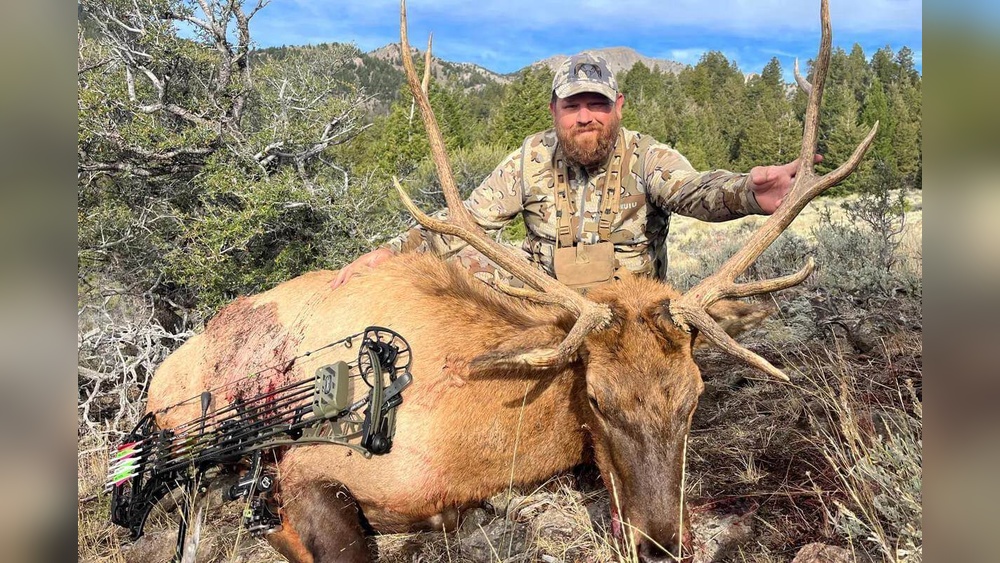
How To Become An Elk Bow Hunter
Bowhunting elk is widely regarded as one of North America’s most challenging and rewarding pursuits. The thrill of stalking a wary herd in the pre-dawn wilderness, feeling your heartbeat quicken as a bull bugles nearby, and the split-second decision to draw your bow blends ancient skills with modern equipment and deep knowledge of elk behavior.
For many, the journey to becoming an elk bow hunter is a rite of passage, one that demands resilience, continual learning, and an unshakeable respect for the wild.
Yet, the path to success is anything but straightforward. New hunters often underestimate the preparation required, from building physical endurance to mastering advanced archery and woodsmanship. Regulations are complex, gear choices can be overwhelming, and elk behavior changes with the seasons.
However, with the right guidance, anyone with commitment and curiosity can set out on this adventure and increase their odds of a memorable hunt. This guide provides a comprehensive, actionable roadmap to becoming an ethical, effective elk bow hunter.
Key Takeaways
- Elk bow hunting requires physical fitness, advanced archery skills, and in-depth knowledge of elk habits and terrain.
- Licenses, tags, and regulations are state-specific and often require planning months in advance.
- Gear selection, from bows to boots, directly impacts success and safety in the field.
- Scouting, both online and on foot, is critical for finding productive elk habitats.
- Real-world practice, mentorship, and continuous education help bridge the gap from theory to real success.
- Ethical hunting and respect for wildlife are central to being a responsible elk bow hunter.
Understanding Elk And Their Habitats
Before stepping into the woods, aspiring elk bow hunters must build a solid foundation in elk biology, behavior, and habitat preferences. These insights inform every decision, from gear selection to strategy.
Elk Biology And Behavior
Elk (Cervus canadensis) are among the largest members of the deer family, with bulls weighing up to 700 pounds. Their acute senses of smell, hearing, and sight make them challenging quarry. Elk are social animals, often found in herds, especially during the rut (mating season) in September and October.
Key behaviors include:
- Migration: Many elk herds migrate between high summer ranges and lower wintering areas.
- Vocalizations: Bulls bugle to establish dominance and attract cows during the rut.
- Feeding Patterns: Elk are crepuscular, feeding mostly at dawn and dusk, and favoring grasses, forbs, and shrubs.
Understanding these patterns allows hunters to anticipate movement and plan ambushes effectively.
Preferred Habitats
Elk thrive in diverse environments, from dense timber to open meadows and alpine basins. They seek areas with abundant food, cover, and water, and often bed in thick timber during the day.
Pro Tip: Use topographic maps and satellite imagery to identify potential bedding areas near feeding zones and water sources.
Seasonal Changes
Elk behavior shifts throughout the year:
- Spring/Summer: Focus on high-elevation meadows for new growth.
- Rut (Fall): Bulls are more vocal and less cautious, offering prime hunting opportunities.
- Post-Rut/Winter: Herds move to lower elevations and become more wary.
Recognizing these seasonal patterns helps hunters adjust tactics and increase encounters.
Credit: www.bowhunter.com
Licensing, Regulations, And Ethics
Elk bow hunting is tightly regulated for conservation and safety. Navigating these rules, and committing to ethical practices, is foundational for every hunter.
Obtaining Licenses And Tags
Most Western states, including Colorado, Montana, and Idaho, require hunters to obtain both a hunting license and an elk tag. These are often distributed through a lottery (draw) system, with deadlines months before the season. Over-the-counter (OTC) tags are available in some units but may come with higher pressure and lower success rates.
| State | Tag Type | Application Deadline | Success Rate* |
|---|---|---|---|
| Colorado | OTC & Draw | April | ~15% |
| Montana | Draw | April | ~10% |
| Idaho | OTC & Draw | June | ~13% |
*Approximate archery harvest rate, varies by unit and year. Source: Colorado Parks & Wildlife
Required Education And Permits
Most states mandate completion of a hunter safety course, sometimes with an additional bowhunter education certificate. These programs cover firearm and archery safety, wildlife identification, and ethical hunting practices.
Regulations To Know
Key regulations include:
- Archery Equipment Restrictions: Minimum draw weight, broadhead size, and bow type.
- Season Dates: Specific to archery; often precede rifle seasons.
- Area Restrictions: Some public lands have special access rules or limited quotas.
Always consult the official state wildlife agency for current regulations.
Ethical Hunting Practices
Responsible bow hunters prioritize:
- Fair Chase: Avoiding unethical advantages, such as using drones or motorized vehicles.
- Shot Placement: Only taking shots within ethical range and angle for a clean, humane kill.
- Respect for Wildlife and Landowners: Leaving no trace, following access rules, and reporting violations.
Ethics are not just legal requirements, they define the integrity of the hunter.

Credit: www.petersenshunting.com
Essential Gear And Equipment
Equipping yourself properly is crucial for safety, comfort, and effectiveness in elk country. The right gear can make the difference between a memorable hunt and a miserable experience.
Choosing The Right Bow
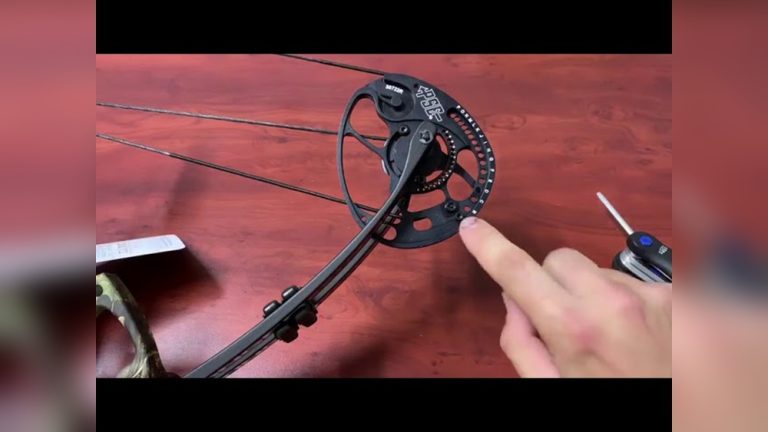
The ideal bow for elk hunting balances power, accuracy, and reliability.
- Draw Weight: Most states require a minimum of 40-50 lbs; 60-70 lbs is common for elk.
- Compound vs. Traditional: Compound bows are favored for their let-off and accuracy, while recurve and longbows offer a traditional challenge.
| Bow Type | Advantages | Considerations |
|---|---|---|
| Compound | High accuracy, let-off, adjustable | Heavier, more moving parts |
| Recurve | Lightweight, simple design | Requires more skill, shorter range |
| Longbow | Traditional feel, quiet | Steep learning curve |
Arrows And Broadheads
- Arrows: Carbon shafts are durable and light; choose spine stiffness to match your bow.
- Broadheads: Fixed-blade heads are preferred for reliability and penetration; 100-125 grains is standard for elk.
Pro Tip: Always practice with your hunting broadheads before the season, flight can differ from field points.
Clothing And Footwear
Elk country demands versatile layering and durable boots:
- Base Layers: Moisture-wicking merino wool or synthetics.
- Insulation: Fleece or down for cold mornings.
- Outer Layers: Quiet, breathable camo with rain protection.
- Boots: Sturdy, waterproof, and well-broken-in.
Backcountry Essentials
Carry a daypack with:
- Navigation: GPS, compass, and physical maps.
- Water Purification: Filters or tablets.
- Emergency Gear: First aid kit, firestarter, space blanket.
- Field Dressing Supplies: Game bags, gloves, knife, and paracord.
Optics And Calls
- Binoculars: 8×42 or 10×42 for glassing.
- Rangefinder: Essential for estimating shot distance in varied terrain.
- Elk Calls: Bugles and cow calls to attract or locate elk.
Real-world Gear Example
When I tested a mid-range compound bow with 65 lb draw weight, paired with 400 spine carbon arrows and fixed-blade broadheads, I consistently achieved pass-through shots on 3D elk targets at 40 yards. This setup mirrored recommendations from experienced guides and improved my confidence in field conditions.

Credit: www.hunter-ed.com
Building Skills: Archery, Fitness, And Woodsmanship
Success in elk bow hunting demands more than gear, it requires finely honed skills and physical preparation.
Developing Archery Proficiency
Elk present small vital zones, often at awkward angles or distances.
- Consistent Practice: Shoot year-round, focusing on form, release, and follow-through.
- Realistic Scenarios: Practice from elevated positions, behind cover, or after a brisk hike to simulate field conditions.
- Shooting Range: Master shots out to 40-50 yards, but know your limits, ethical range is where you can guarantee a clean hit.
Physical Conditioning
Chasing elk across steep, rugged terrain is physically taxing.
- Cardio: Hiking with a weighted pack builds endurance.
- Leg and Core Strength: Essential for stability and packing out meat.
- Flexibility: Reduces injury risk and improves shooting form.
Example: Many successful elk hunters report hiking 5-10 miles per day in search of herds. Preparing for this workload is as important as bow practice.
Navigational And Survival Skills
- Map Reading: Know how to interpret topographic maps and use GPS.
- Orienteering: Practice navigating off-trail and marking waypoints.
- Emergency Preparedness: Learn basic first aid, signaling, and survival skills.
Elk Calling Techniques
Mastering calls is a significant advantage.
- Bugling: Imitates a bull to challenge rivals or gather cows.
- Cow Calls: Mimic estrus or lost cow sounds to draw in bulls.
Pro Tip: Overcalling can spook elk; less is often more. Practice call sequences and timing before the season.
Scouting And Locating Elk
Finding elk is often the hardest part of the hunt. Effective scouting maximizes your chances and minimizes wasted effort.
E-scouting: Digital Tools And Resources
- Mapping Software: Platforms like OnX, Google Earth, and state GIS tools reveal terrain, public/private boundaries, and potential elk habitats.
- Harvest Data: State agencies publish harvest reports; focus on units with higher archery success rates.
Example: In Colorado, I identified a drainage with high harvest rates using CPW’s online statistics, then verified bedding and feeding areas with satellite imagery.
Preseason Ground Scouting
- Boots on the Ground: Look for fresh tracks, droppings, rubs, and wallows.
- Trail Cameras: Place near trails, water, or game crossings to confirm elk activity.
- Listening and Glassing: Dawn and dusk are ideal for hearing bugles or spotting herds.
Reading Elk Sign
Key indicators include:
- Tracks: Large, heart-shaped prints.
- Droppings: Cigar-shaped, in clusters.
- Rubs/Wallows: Bulls strip bark from trees and create muddy wallows during the rut.
Timing And Weather
Elk move more during cool, damp weather and are less active in heat or heavy pressure. Adjust your scouting and hunting times accordingly.
Hunting Strategies And Real-world Scenarios
Adapting your approach to terrain, weather, and elk behavior increases success rates. Here are proven strategies and examples.
Spot And Stalk
- Glassing: Use optics to locate elk from afar.
- Stalking: Close the distance using cover, wind, and terrain.
- Final Approach: Move slowly; last 100 yards are critical.
Example: In Montana, a hunter spotted a herd in an alpine basin and spent three hours circling downwind to within 40 yards, resulting in a successful shot.
Calling And Ambush
- Calling Setups: Choose concealed locations with shooting lanes.
- Call Sequences: Combine bugles and cow calls, then wait patiently.
- Ambush Points: Set up near travel corridors, wallows, or water.
Pro Tip: Hunt midday near bedding areas, elk may respond to calls or move to water.
Still-hunting
- Slow Movement: Take 1-2 steps, pause, observe, and listen.
- Wind Awareness: Always keep the wind in your face.
- Ready Position: Nock an arrow and be prepared for sudden encounters.
Dealing With Pressure
Public lands can be crowded. Strategies include:
- Hiking Farther: Most hunters stay within a mile of roads; going deeper pays off.
- Hunting Midweek: Less competition than weekends.
- Adapting Plans: If elk are pressured, shift to overlooked or rugged areas.
After The Shot: Recovery, Field Care, And Meat Processing
Elk recovery is a critical phase, respect for the animal and proper meat care ensure both a successful hunt and excellent table fare.
Tracking And Recovery
- Mark the Spot: Note exactly where the elk was standing when shot.
- Wait and Observe: Give the animal 30-60 minutes if the shot was good; longer for marginal hits.
- Blood Trail: Follow cautiously, looking for blood, hair, and tracks.
Pro Tip: If in doubt, back out and return later, pushing a wounded elk can lead to lost animals.
Field Dressing And Quartering
Elk are large; field dressing is best done with help.
- Gutless Method: Quarter the animal without opening the cavity, minimizing contamination.
- Game Bags: Use breathable bags to keep meat clean and cool.
- Cooling Meat: Prioritize getting meat off the bone and into shade or a cooler as soon as possible.
| Field Dressing Step | Time Required | Key Tools |
|---|---|---|
| Locate and Mark Elk | 5-10 mins | Flagging tape, GPS |
| Skin and Quarter | 45-90 mins | Sharp knife, gloves |
| Pack Out Meat | Multiple trips | Meat bags, backpack |
Meat Care And Transport
- Pack Out Quickly: Elk meat spoils rapidly in warm temperatures.
- Multiple Trips: Plan for several heavy loads, especially in remote areas.
- Legal Requirements: Some states require proof of sex or evidence of species with the meat.
Taxidermy And Trophy Care
If keeping antlers or a cape, consult with a taxidermist for proper field care. Improper handling can ruin a mount.
Learning, Mentorship, And Community
Continuous improvement and connection to the hunting community deepen both skill and enjoyment.
Finding Mentors
Mentorship accelerates learning. Seek out:
- Local Archery Clubs: Many offer bowhunting workshops and practice ranges.
- Conservation Groups: Organizations like the Rocky Mountain Elk Foundation connect newcomers with experienced hunters.
- Online Forums: Engage in discussions, but always verify advice with multiple sources.
Example: My first elk hunt was guided by a seasoned mentor who taught me to read subtle elk sign and interpret bugles, leading to my first close encounter with a bull.
Attending Workshops And Events
- State Hunter Education Events: Hands-on skills for all levels.
- Elk Calling Contests: Great for practice and networking.
- Outdoor Expos: Opportunity to test gear and meet guides.
Leveraging Digital Resources
- Podcasts and Videos: Many pro hunters share strategies and stories.
- Webinars: State agencies and nonprofits host seasonal elk hunting seminars.
- Apps: Digital mapping and weather apps are invaluable in the field.
Giving Back
Ethical hunters invest in conservation, habitat restoration, and mentoring others. Supporting groups like Rocky Mountain Elk Foundation ensures elk populations and hunting traditions thrive.
Frequently Asked Questions
What Is The Best Time Of Year For Elk Bow Hunting?
While regulations vary by state, the archery elk season typically coincides with the elk rut in September. This period offers heightened elk activity, vocal bulls, and increased chances for close encounters. However, early and late season hunts also have unique advantages, such as less competition or bulls focused on feeding.
How Do I Increase My Odds As A First-time Elk Bow Hunter?
Focus on scouting, both online and on foot, to locate productive areas. Hunt with a mentor if possible, and prioritize fitness and archery practice. Concentrate on learning elk behavior, understanding their patterns is more valuable than gear alone.
Are There Women-specific Resources Or Groups For Elk Bow Hunting?
Yes. Organizations like Becoming an Outdoors-Woman (BOW) and state wildlife agencies offer women-focused clinics and hunt camps. Many archery clubs and online communities also provide supportive environments for women hunters to learn and share experiences.
What Should I Do If I Encounter A Bear Or Other Predators While Elk Hunting?
Carry bear spray in grizzly country and know how to use it. Make noise when moving through thick cover, especially if packing out meat. Store food and meat away from camp and follow all local regulations for bear safety. In emergencies, prioritize safety and retreat if possible.
Can I Hunt Elk On Private Land?
Yes, with landowner permission or through outfitted hunts. Some states offer special tags for private land, and many outfitters lease properties with strong elk populations. Always respect property boundaries and clarify access rules before hunting.
Embarking on the journey to become an elk bow hunter is both demanding and deeply rewarding. Each step, from learning elk habits and regulations to developing archery skills and scouting wild places, builds not only hunting success but also a profound connection to nature.
With preparation, perseverance, and a commitment to ethical hunting, you’ll gain not only the skills to pursue elk but also memories and experiences that last a lifetime.