How To Bow Hunt Florida
Bow hunting in Florida is both a challenge and a privilege, set against a backdrop of lush swamps, pine flatwoods, and diverse wildlife. The unique terrain and strict regulations present obstacles, but for those willing to learn, the rewards are immense.
Whether you’re pursuing whitetail deer, wild hogs, or turkeys, Florida’s bow hunting scene offers something for every archery enthusiast.
As more hunters choose archery for its stealth and skill, understanding the specific requirements, strategies, and ethical considerations of bow hunting in Florida becomes crucial. This comprehensive guide will cover everything you need to know, from legal prerequisites and gear selection to habitat navigation and hunting tactics, so you can bow hunt Florida responsibly and successfully.
Key Takeaways
- Florida bow hunting requires strict adherence to state regulations, including licenses, seasons, and equipment restrictions.
- Understanding unique Florida habitats, like swamps and flatwoods, is critical for effective scouting and hunting.
- Ethical hunting practices and safety should always be a top priority.
- Preparation, including gear selection and physical conditioning, greatly impacts success rates.
- Real-world examples and data show that local knowledge and adaptability are essential for consistent results.

Credit: razzorranch.com
Florida Bow Hunting Laws And Regulations
Understanding and complying with Florida’s bow hunting laws is essential for every hunter. The state’s wildlife is carefully managed, and violations can result in steep fines or suspension of hunting privileges.
Licensing And Permits
Before setting foot in the field, every bow hunter must have the appropriate licenses:
- Hunting License: All resident and non-resident hunters aged 16 and older must possess a valid Florida hunting license.
- Archery Permit: In addition to the basic hunting license, a separate archery permit is required during archery-only seasons.
- Wildlife Management Area (WMA) Permit: Required to hunt on public lands designated as WMAs.
- Species Tags: Specific tags or permits are needed for deer, turkey, and other regulated game.
Hunters can purchase these through the Florida Fish and Wildlife Conservation Commission (FWC) website or authorized retailers.
Season Dates And Bag Limits
Florida’s bow hunting seasons differ by region and species. There are four main hunting zones (A, B, C, D), each with unique dates. For example, Zone A’s archery season may open as early as late July, while Zone D opens in October. Bag limits vary, but generally:
- Deer: Typically two per day, not to exceed the annual limit.
- Turkey: One per day during spring and fall seasons.
- Wild Hog: No bag limit on private land; restrictions may apply on WMAs.
Always consult the latest FWC regulations to confirm current dates and limits.
Legal Equipment And Restrictions
Florida law specifies what bows and arrow types are permitted:
- Bows: Longbows, recurves, and compound bows are all legal. Crossbows are not allowed during archery-only seasons unless the hunter possesses a disabled crossbow permit.
- Draw Weight: Minimum draw weight is 35 pounds for deer and 40 pounds for turkey.
- Broadheads: Must be at least 7/8 inch wide. Explosive or poisoned tips are strictly prohibited.
- Electronic Devices: Lighted nocks are allowed; however, electronic bow sights are not.
Hunting Ethics And Safety Requirements
- Hunter Safety Course: Hunters born on or after June 1, 1975, must complete a certified hunter safety course.
- Blaze Orange: Not required during archery season, but highly recommended for safety on public lands.
- Fair Chase: Using bait or artificial light is illegal for most species and considered unethical.
Pro Tip: Always carry your licenses and permits while hunting. Conservation officers frequently patrol Florida’s popular hunting areas.
Credit: www.bowhunter.com
Essential Gear For Bow Hunting In Florida
The right equipment can mean the difference between success and frustration. Florida’s humid climate, thick brush, and variable terrain demand specialized gear.
Choosing The Right Bow And Arrows
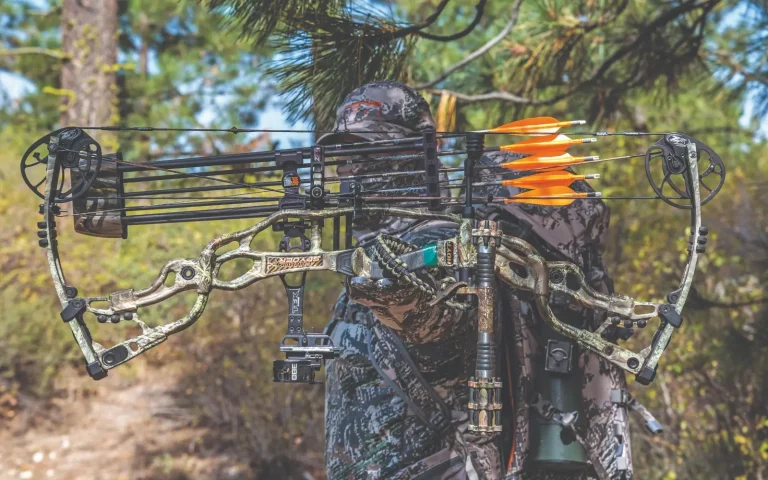
Selecting a bow suited to your strength and hunting style is critical. Compound bows dominate due to their accuracy and power, but traditionalists may prefer recurve or longbows.
- Draw Weight: Match the legal minimums and consider your physical ability for repeated draws.
- Arrows: Carbon shafts are popular for their durability and straightness. Fletching and broadhead choice should match the game pursued.
| Bow Type | Pros | Cons | Best Use |
|---|---|---|---|
| Compound | High accuracy, adjustable draw | Heavier, more maintenance | All-around hunting |
| Recurve | Lightweight, simple design | Lower power, requires skill | Small game, experienced hunters |
| Longbow | Traditional feel, quiet shot | Least powerful, large size | Enthusiasts, open areas |
Clothing And Personal Gear
Florida’s weather can shift from cool mornings to sweltering afternoons:
- Lightweight, moisture-wicking base layers: Reduce sweat and odor.
- Bug protection: Mosquitoes and ticks are prevalent; wear permethrin-treated clothing.
- Waterproof boots: Swampy terrain requires sturdy, water-resistant footwear.
- Rain gear: Sudden storms are common.
Accessories And Must-have Items
- Rangefinder: Essential for judging distance in dense cover.
- Binoculars: Spotting movement in thick brush.
- Tree stand or ground blind: Tree stands offer visibility; ground blinds provide concealment.
- Safety harness: Non-negotiable for elevated stands.
Gear Maintenance In Florida Conditions
Humidity and salt air can corrode metal and warp wood. Regularly clean and oil your bow, keep arrows dry, and inspect all gear after each hunt.
Example: In my experience, failing to dry out gear after a rainy hunt led to mold and rust on my bow’s cams, a costly mistake easily avoided with diligence.

Credit: www.floridasportsman.com
Scouting And Understanding Florida Habitat
Knowing where and how to hunt is as important as the hunt itself. Florida’s landscape is unique, and successful bow hunters invest time in pre-season scouting.
Key Florida Ecosystems For Bow Hunting
- Pine Flatwoods: Open, manageable for tree stands; deer and turkey frequent these areas.
- Swamps and Marshes: Hog and deer hotspots; challenging access but rewarding for persistent hunters.
- Oak Hammocks: Food-rich sites attracting game, especially during acorn drop.
Scouting Techniques
- Trail Cameras: Set up on game trails to monitor movement patterns.
- Sign Reading: Look for tracks, droppings, rubs, and scrapes.
- Aerial Maps and Apps: Use GPS apps to identify funnels, bedding, and feeding areas.
Pro Tip: Scout early morning or late evening when wildlife is most active, and minimize human scent by using scent-control products.
Public Vs. Private Land: What To Expect
| Land Type | Access | Game Pressure | Typical Experience |
|---|---|---|---|
| Public (WMA) | Open to all with permits | High | Competitive, regulated |
| Private | Owner permission needed | Low | Controlled, less pressured |
Real-world Example: Scouting Success
A hunter in Osceola County used trail cameras along a marsh edge. Over two weeks, photos showed a pattern, deer entered the area after storms. Adjusting stand placement based on this data led to a successful harvest on opening day.
Tactics And Strategies For Successful Bow Hunting
Bow hunting is a close-range pursuit requiring stealth, patience, and adaptability. Florida’s environment adds unique challenges.
Stand And Blind Placement
- Wind Direction: Always set up downwind of expected game approach.
- Cover and Concealment: Blend with surrounding vegetation; break up your outline with natural materials.
- Entry/Exit Routes: Avoid crossing game trails when entering or leaving your stand.
Calling, Decoying, And Luring
- Game Calls: Use grunts, bleats, or turkey calls sparingly to avoid alerting wary animals.
- Decoys: Effective for turkey and, occasionally, whitetail during the rut.
- Scent Lures: Only use legal scents. Synthetic options are safest to avoid disease transmission.
Shot Placement And Range
Florida’s thick cover often means shots inside 30 yards. Know your limitations and practice regularly.
- Deer: Aim for the heart-lung area, just behind the shoulder.
- Hogs: Shoulder is denser; wait for a broadside or quartering-away shot.
Adapting To Weather And Seasonal Patterns
- Early Season: Hot, buggy conditions; hunt near water sources.
- Rutting Season: Increased deer movement; focus on travel corridors.
- Rainy Days: Game may bed down but will move during breaks in weather.
Pro Tip: After hurricanes or heavy storms, downed trees create new openings and travel routes for game.
Safety, Ethics, And Conservation
Bow hunting is a privilege that comes with responsibilities, toward wildlife, landowners, and fellow hunters.
Hunter Safety And Emergency Preparedness
- Tell someone your plan: Always inform a friend or family member of your hunting location and expected return.
- First aid kit: Carry essentials for cuts, bites, and sprains.
- Communication: Cell service can be limited; consider a satellite communicator for remote areas.
Ethical Hunting Practices
- Quick, clean kills: Only take ethical shots within your practiced range.
- Game Recovery: Track wounded animals diligently. Florida’s heat means prompt recovery and field dressing are essential to prevent spoilage.
- Respect Private Property: Always obtain permission; trespassing can result in legal action.
Conservation And Wildlife Management
Hunting licenses and permits fund conservation efforts through the FWC. Hunters play a key role in maintaining healthy wildlife populations.
Example: In 2020, revenue from hunting licenses contributed over $50 million to habitat restoration and species management in Florida, according to the FWC.
Working With Landowners And Other Hunters
- Leave gates as you found them.
- Pick up trash and spent arrows.
- Report illegal activity to the FWC.
Planning Your Florida Bow Hunt
Proper preparation is as important as the hunt itself. A well-thought-out plan increases both safety and success.
Selecting Dates And Locations
- Season Dates: Choose based on target species and zone.
- Scouting Reports: Consult WMA harvest reports and local forums for recent activity.
- Weather Forecasts: Florida’s weather changes rapidly; plan accordingly.
Booking Guided Hunts Or Diy
- Guided Hunts: Offer land access and local knowledge; ideal for beginners.
- DIY Hunts: More affordable but require greater prep.
| Option | Cost | Advantages | Disadvantages |
|---|---|---|---|
| Guided | High | Expert support, higher success rate | Expensive, less flexibility |
| DIY | Low to moderate | Flexible, lower cost | Steep learning curve |
Travel And Logistics
- Accommodations: Campsites, cabins, or hotels near WMAs fill up quickly during peak season.
- Transportation: Many areas require 4WD vehicles or ATVs, especially after rain.
- Game Processing: Know local processors or be prepared to quarter and cool your harvest immediately.
Permits And Regulations Checklist
- Confirm all licenses and permits are current.
- Print and laminate key documents.
- Download area maps and WMA rules to your phone for offline access.
Real-world Bow Hunting Examples In Florida
Learning from the experiences of others is invaluable for both new and seasoned bow hunters.
Case Study 1: First-time Hunter Success
A Jacksonville resident, new to bow hunting, invested time in a hunter safety course and practiced at a local archery club. Using public land, he scouted with trail cameras and harvested his first wild hog from a ground blind, emphasizing the importance of preparation and patience.
Case Study 2: Overcoming Swamp Challenges
A group hunting the Big Cypress WMA faced flooded trails after heavy rain. By switching to hip boots and adjusting entry routes, they successfully hunted deer and hogs. Their adaptability and gear preparation were key.
Case Study 3: Private Land Deer Hunt
A Central Florida bow hunter secured permission on a cattle ranch. By scouting oak hammocks and focusing on early morning hunts, he consistently tagged mature bucks. The reduced hunting pressure and careful planning paid off.
Lessons From Experience
- Local knowledge, whether from guides or landowners, dramatically improves odds.
- Flexibility in tactics, such as moving stands or adjusting to weather, can turn a slow hunt into a successful one.
- Ethical practices and respect for the land foster long-term access and positive relations.
Resources For Florida Bow Hunters
Staying informed and connected is vital. Florida offers many resources for bow hunters seeking information, training, and community.
Florida Fish And Wildlife Conservation Commission (fwc)
The FWC is the primary regulatory body, offering:
- Up-to-date regulations and season dates
- WMA maps and harvest reports
- Online license and permit sales
- Hunter safety courses
Official site: Florida Fish and Wildlife Conservation Commission
Local Archery Clubs And Ranges
Practicing regularly improves accuracy and confidence. Clubs often host events, 3D shoots, and provide mentorship opportunities.
- Florida Archery Association
- Local bow shops with in-house ranges
Conservation And Advocacy Organizations
Groups like the National Wild Turkey Federation, Quality Deer Management Association, and Backcountry Hunters & Anglers offer networking, education, and stewardship programs.
Online Forums And Social Media
Join Florida-specific hunting forums and Facebook groups to share tips, find partners, and get real-time reports.
Pro Tip: The FWC’s “GoOutdoorsFlorida” app provides mobile access to regulations, reporting, and maps.
External Learning Resources
- For in-depth archery techniques: Bowhunting – Wikipedia
- For local weather and access issues, use NOAA’s Florida forecast tools.
Frequently Asked Questions
What Species Can I Hunt With A Bow In Florida?
In Florida, bow hunters can pursue white-tailed deer, wild hogs, wild turkey, gray squirrel, and rabbits. Certain WMAs also allow for exotics like sambar deer (by quota). However, always check the current FWC guidelines, as some species and areas may have additional restrictions or limited quotas.
Can I Use A Crossbow During Florida’s Archery Season?
During the archery-only season, crossbows are generally prohibited unless the hunter possesses a disabled crossbow permit issued by the FWC. There are dedicated crossbow seasons in most zones, and during general gun seasons, crossbows are permitted. Always verify the regulations for your specific area and season.
How Do I Safely Transport My Bow And Arrows In Florida?
When transporting your bow in a vehicle, it’s recommended (though not legally required) to keep it unstrung or cased to avoid accidental damage or injury. Arrows should be kept in a quiver with broadheads covered. If traveling across state lines, review both Florida’s and the destination’s laws to ensure compliance.
What Should I Do If I Wound An Animal And Can’t Find It?
If you wound an animal, the ethical obligation is to make every reasonable effort to recover it. Mark the last point of blood or sign, and consider waiting before tracking to avoid pushing the animal further. If the animal crosses onto private land, obtain landowner permission before continuing your search. If you cannot recover the animal, report the incident to the FWC as required.
Are There Special Youth Opportunities For Bow Hunting In Florida?
Yes, Florida offers youth hunts and special opportunities for young hunters, typically under the age of 16. These may include dedicated youth weekends, reduced license fees, and mentorship programs sponsored by the FWC or conservation organizations. Details and application instructions are available on the FWC website and through local archery clubs.
Bow hunting Florida’s wild lands is a pursuit that rewards dedication, preparation, and respect for the environment. Whether you’re drawn by the challenge of stalking deer in dense hammocks or the thrill of pursuing hogs in remote swamps, this state offers abundant opportunity for archers willing to learn and adapt.
With the right knowledge, gear, and ethics, your Florida bow hunt can be both successful and unforgettable.