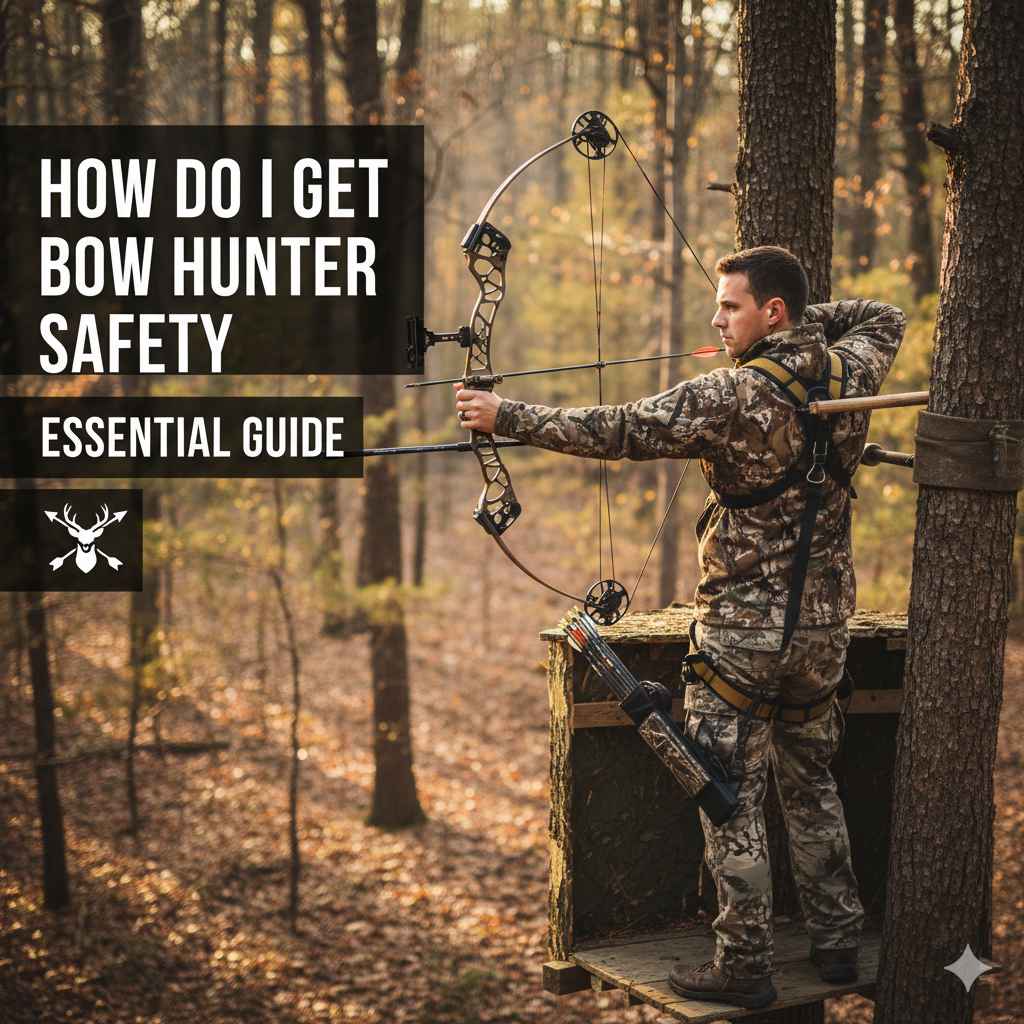
How Do I Get Bow Hunter Safety: Essential Guide
To get bow hunter safety, you must complete a certified hunter education course, understand and practice safe shooting zones, always know your target and what’s beyond it, and master safe equipment handling and storage. Prioritizing safety ensures a responsible and enjoyable hunting experience. For more on this, see our related guide on How Do You Shoot A Bow In Islands Roblox.

Hunter Safety System
Hunter Safety System X-1 Bow-Hunter Harness, Camouflage,…
- Features. Wears comfortably over camo or beneath other layers. Fabric is brushed for silence.
- No dangling straps. Includes a tree strap and a suspension relief strap. 1-year manufacturer's limited warranty.
As an Amazon Associate I earn from qualifying purchases.
Picking up a bow for the first time can feel exciting, and the dream of a successful hunt might be just around the corner. But before you even think about drawing back your first arrow, there’s one thing we absolutely must talk about: safety. It’s the bedrock of everything in archery and hunting. Without it, the thrill can quickly turn into something serious. Many beginners feel a bit overwhelmed by all the rules, feeling like they’re stepping into a world of jargon and complex procedures. But rest assured, staying safe is simpler than you think.
It’s all about knowing a few key practices and making them second nature. We’re going to walk through this together, step by simple step, so you can feel confident and prepared for the field. Let’s make sure your archery journey starts on the right foot – a safe one!
Why Bow Hunter Safety Matters More Than Anything
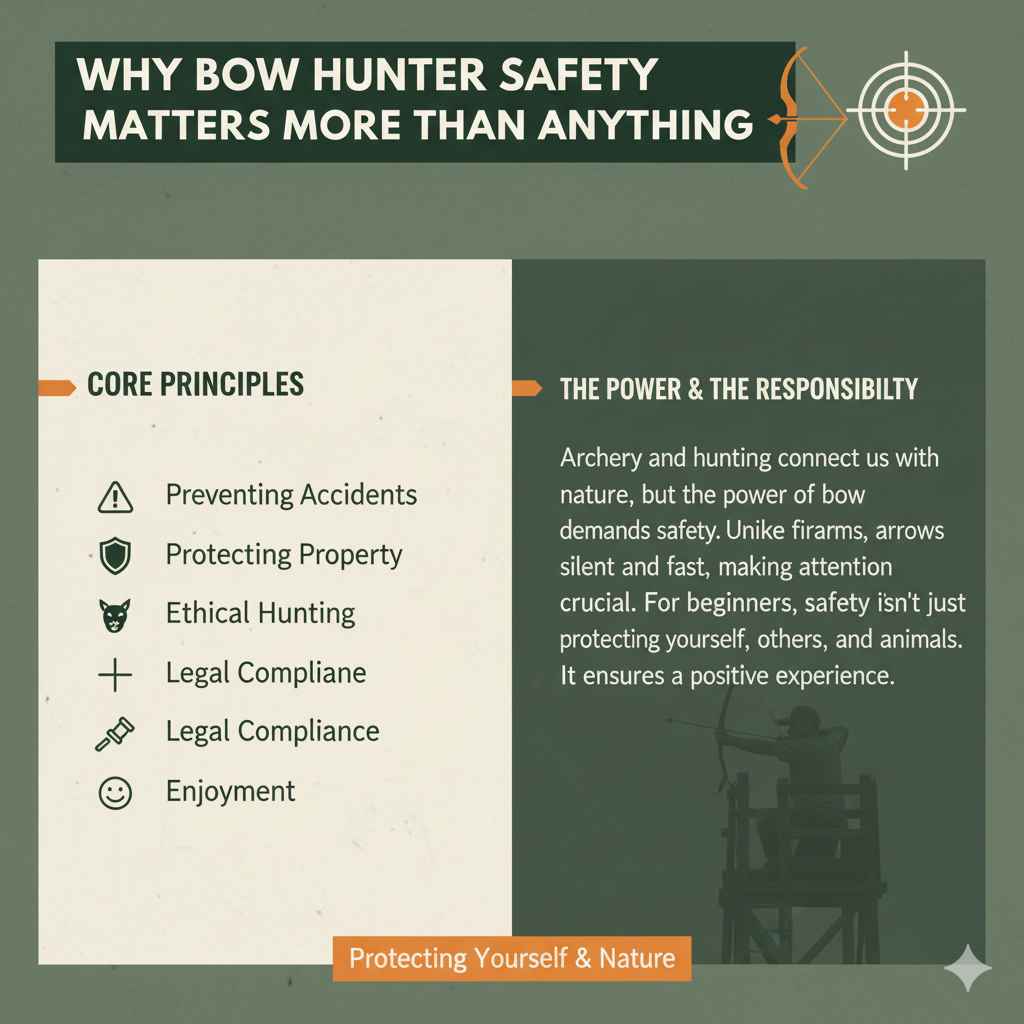
Archery and hunting are incredible ways to connect with nature, test your skills, and provide for yourself or your family. However, the power of a bow and arrow means that safety can never be a second thought. Unlike firearms, arrows are silent and can be released with incredible speed. This means a moment of lapsed attention can have significant consequences. For beginners, understanding and practicing bow hunter safety isn’t just about following rules; it’s about protecting yourself, fellow hunters, and the animals you pursue. It’s about ensuring that this ancient and noble pursuit remains a positive experience for everyone involved.
When you think about safety, it boils down to a few core principles:
- Preventing Accidents: The most obvious reason. Safe practices minimize the risk of injury to yourself and others.
- Protecting Property: Accidental shots can damage property or harm livestock.
- Ethical Hunting: Safe practices ensure responsible shot placement, leading to quicker, more humane harvests.
- Legal Compliance: Many jurisdictions have mandatory hunter education courses.
- Enjoyment: Knowing you’re hunting safely allows you to relax and truly enjoy the experience.
Step 1: Get Certified – Your Foundation of Knowledge
The very first step for any aspiring bow hunter, and indeed any hunter, is to get certified. This isn’t just a formality; it’s your essential training. Most states and provinces require you to pass a hunter education course before you can legally hunt. These courses cover a wide range of topics, with a significant focus on safety.
What to Expect from a Hunter Education Course
These courses are designed to be comprehensive yet accessible to beginners. You’ll learn about:
- Firearm and Archery Safety: This is paramount, covering safe handling, storage, and transport of bows and arrows.
- Wildlife Identification: Knowing what you can and cannot hunt.
- Regulations and Laws: Understanding hunting seasons, bag limits, and legal shooting hours.
- Ethics and Sportsmanship: The principles of fair chase and responsible hunting.
- Bowhunting Specifics: Including tree stand safety, shot placement, and tracking game.
You can typically find these courses through your state’s wildlife or natural resources agency. Many are now offered online, making them convenient to complete at your own pace. Some may also include in-person components or field days. The National Shooting Sports Foundation (NSSF) provides a great resource for finding hunter education courses for various states. You can explore their offerings here: NSSF Hunter Education.
Completing this course is your fundamental step. It equips you with the essential knowledge to make safe decisions in the field. Don’t skip this; it’s crucial for becoming a responsible bowhunter.
Step 2: Mastering Safe Shooting Zones
Once you’re certified, the next critical aspect of bow hunter safety is understanding and practicing safe shooting zones. This means being acutely aware of what is in front of, behind, and around your target.
The Golden Rule: Know Your Target and Beyond
This is an adage drilled into every hunter for good reason. Before you even nock an arrow, you must know:
- Your Target: Is it legal game? Is it at a range appropriate for your skill level and equipment?
- What’s Beyond Your Target: This is where many accidents happen. Is there a person, a home, a road, or livestock behind your target? A broadhead-tipped arrow is incredibly dangerous and will not stop when it hits your intended quarry. It will continue with significant force.
Visualizing Safe Shooting Corridors
Think of a “safe shooting corridor.” This is a clear path from your bow, through your target, and to your backstop. In a hunting scenario, the backstop is the critical unknown. In a practice range, it’s a designated safety net or backstop. Never shoot if your backstop is uncertain.
To practice this, set up targets in a safe environment. Imagine different scenarios: what if the animal moves? What’s on the other side of the target? Constantly ask yourself if a shot is safe. Even in a controlled environment, treat every shot as if you are in the field.
Tree Stand Safety: A Special Zone
If you plan to hunt from a tree stand, this introduces a whole new set of safety considerations. Falls from tree stands are a leading cause of injury among hunters. Proper safety protocols are non-negotiable.
- Use a Harness: Always wear a full-body safety harness when you are in a tree stand or climbing into one. Ensure it is properly adjusted.
- Connect Before You Ascend/Descend: Use a lifeline or tether to stay connected to the tree at all times, from the moment you leave the ground until you return.
- Use a Haul Line: Never carry your bow or firearm up or down the tree while climbing. Use a dedicated haul line to safely lift and lower your equipment.
- Inspect Your Stand: Before each use, check the tree stand and its components for any signs of wear, damage, or looseness.
- Know Extrication Methods: Understand how to safely get down if you become suspended in your harness for an extended period. Many manufacturers offer treestand safety strap systems designed for self-rescue.
For more detailed information on tree stand safety, you can refer to resources from organizations like the Archery Trade Association or your local wildlife agency. They often have excellent guides and videos.
Step 3: Safe Bow and Arrow Handling
Beyond knowing where to shoot, you must also handle your equipment with the utmost care. A bow is a tool, but when drawn, it contains a tremendous amount of stored energy that demands respect.
The Cardinal Rules of Bow Handling:
- Never Dry Fire: This is perhaps the most critical rule. Dry firing a modern compound or recurve bow (releasing the string without an arrow) can cause severe damage to the bow and potentially injure the archer. The force has nowhere to go and can break cams, limbs, or cause the string to snap.
- Always Nock an Arrow Before Drawing: To prevent dry firing, always have an arrow nocked on the string before you begin to draw the bow.
- Handle with Care: Treat your bow like any other valuable tool. Avoid dropping it, exposing it to extreme heat or moisture for prolonged periods, or letting it get damaged.
- Keep Fingers Clear: Be mindful of where your fingers are when drawing and releasing the string. Ensure they are away from the path of the string and any moving parts.
- Safe Transportation: When transporting your bow, ensure it is cased and secured to prevent damage and accidental discharge. Never transport a loaded bow.
Arrow Safety: Beyond the Point
Arrows themselves require careful handling:
- Broadheads are Sharp: Broadheads used for hunting are extremely sharp. Always handle them with extreme caution. Keep them covered when not in use, and never touch the cutting edges.
- Arrow Condition: Regularly inspect your arrows for damage, such as bent shafts, cracked nocks, or damaged vanes. A damaged arrow can fly erratically and is dangerous.
- Carrying Arrows: When walking with arrows, carry them in a quiver. Don’t walk with loose arrows.
Step 4: Safe Practice and Situational Awareness
Safety isn’t just about formal rules; it’s about developing a constant state of awareness whenever you’re handling a bow.
Practice Makes Permanent – Safe Permanent!
Regular practice is key to improving your archery skills, but it’s also crucial for ingraining safe habits.
- Range Etiquette: When at a shooting range, follow all posted rules. Never step up to the shooting line until the range officer signals it’s clear. Keep your bow un-drawn and pointed in a safe direction when not actively shooting.
- Controlled Environment: Always shoot in a controlled environment with a reliable backstop. This could be a designated archery range or a safe, clear field with a natural or artificial backstop that you have thoroughly inspected.
- Target Selection: Use targets designed for archery. Avoid shooting at hard surfaces like rocks or dirt banks, as this can damage your arrows and be unpredictable.
Situational Awareness in the Field
This is your mental checklist that’s always running when you’re hunting.
- Constant Vigilance: Always be aware of your surroundings. Who else is in the area? Where are they? Listen for other hunters.
- Buddy System: Whenever possible, hunt with a partner. This is not only safer for emergencies but also provides an extra set of eyes and ears.
- Communication: If hunting with others, establish clear communication signals and protocols, especially if you are spread out.
- Weather Conditions: Be mindful of how weather might affect your safety. High winds can impact arrow flight and visibility. Rain or snow can make climbing and footing treacherous.
- Physical Condition: Make sure you are physically fit for the hunt. Carrying heavy gear, climbing, and spending long hours in the field can be demanding.
Step 5: Safe Equipment Maintenance and Storage
Your bow and arrows are your hunting tools. Keeping them in good working order is part of safe handling and ensuring reliability when you need it most.
Bow Maintenance Checklist
Regular inspection and maintenance can prevent failures:
| Component | Frequency | What to Check |
|---|---|---|
| Bow String & Cables | Before each hunt, after every shooting session | Fraying, fuzziness, nicks, wear on serving, proper tension |
| Limbs | Before each hunt | Cracks, delamination, unusual stress marks |
| Cams/Wheels (Compound Bows) | Before each hunt | Damage, proper alignment, lubrication of bearings |
| Rest | Before each hunt | Secure mounting, proper function of drop-away or blade mechanism |
| Sight | Before each hunt | Secure mounting, pins intact, adjustment knobs function |
| Grip | Regularly | Secure attachment, wear |
| Overall Bow | Periodically (e.g., annually) | Professional tune-up at an archery shop |
If you are unsure about any aspect of bow maintenance, take it to a local certified pro shop. They can perform a thorough tune-up and ensure everything is safe and working correctly. You can find reputable shops through the Archery Trade Association (ATA).
Safe Storage
When not in use, your bow and arrows should be stored safely:
- Securely: Keep your bow in a case or on a secure rack where it cannot be accidentally knocked over or fall.
- Environmentally Controlled: Store your bow in a dry place away from extreme temperature fluctuations, direct sunlight, and humidity. These can degrade the materials.
- Out of Reach: If you have children in the house, ensure your bow is stored in a locked case or a location inaccessible to them.
- Arrows: Store arrows in a quiver or arrow case to protect the fletching and broadheads.
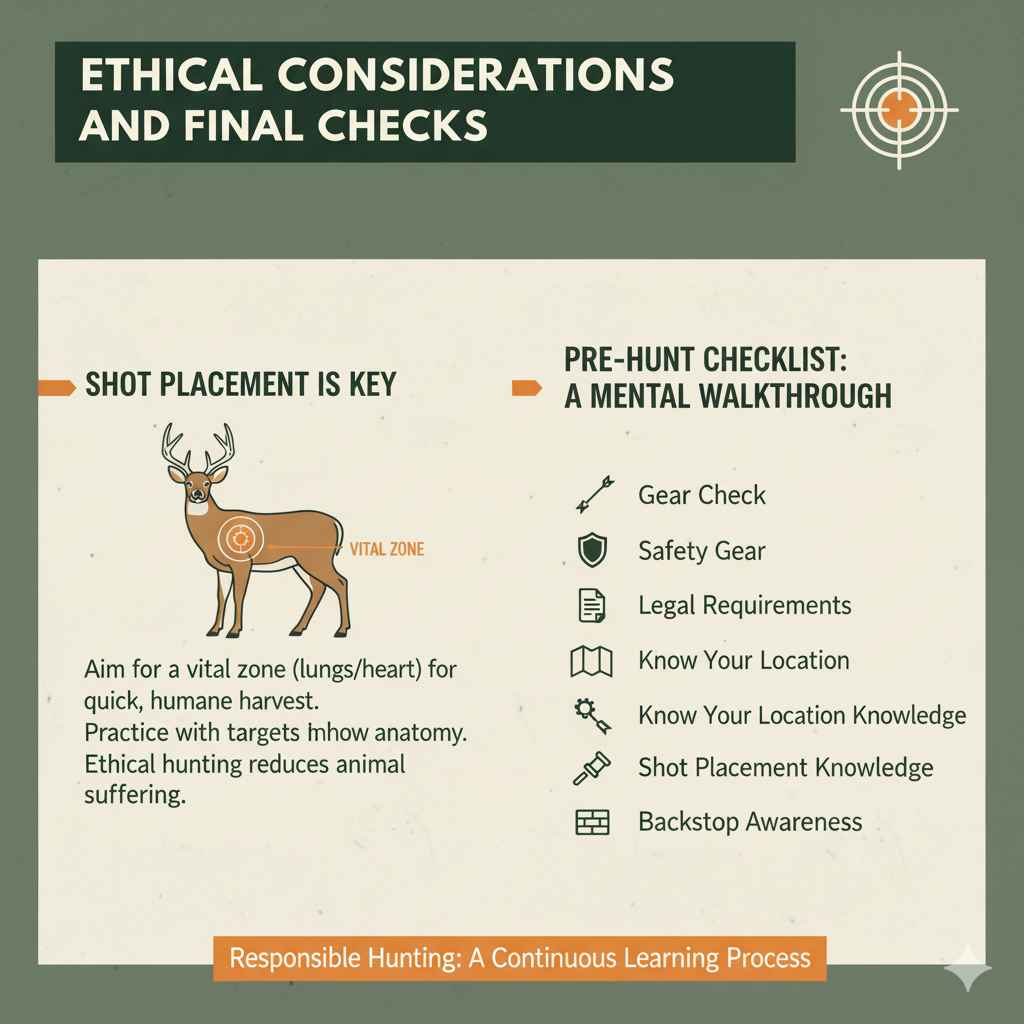
Step 6: Ethical Considerations and Final Checks
Safety in bowhunting extends beyond the mechanical and into the ethical realm. Responsible hunting ensures the sustainability of wildlife populations and the preservation of hunting traditions.
Shot Placement is Key
Knowing where to aim for a humane harvest is critical. For deer-sized game, the vital zone is typically behind the shoulder, in the lower third of the animal’s chest. A well-placed shot through the lungs or heart leads to a quick, ethical kill. A poorly placed shot can wound an animal, leading to a prolonged suffering and a lost animal.
Always practice with targets that allow you to identify the vital zones. Understanding animal anatomy is a crucial part of safe and ethical hunting, and it’s often covered in hunter education courses.
Pre-Hunt Checklist: A Mental Walkthrough
Before you head out, run through a quick mental checklist:
- Gear Check: Is my bow tuned? Are my arrows in good condition? Is my quiver full? Is my release aid functioning?
- Safety Gear: Harness, lifeline, first-aid kit, good boots, appropriate clothing, knife, flashlight, compass/GPS.
- Legal Requirements: Do I have my hunting license and tags? Am I aware of the current regulations?
- Know Your Location: Do I have a map of the area? Do I know what property I’ll be on (public vs. private)?
- Shot Placement Knowledge: Do I know the vital areas of the animal I’m pursuing?
- Backstop Awareness: Do I know what’s behind my intended target?
By integrating these safety practices into your routine, you not only protect yourself and others but also become a more responsible and respected hunter. It’s a continuous learning process, and maintaining a diligent approach to safety will serve you well throughout your archery journey.
Frequently Asked Questions (FAQs)
Q1: Do I really need to take a hunter education course if I only plan to hunt small game?
A1: Yes. Most jurisdictions require a hunter education certificate for all types of hunting, including small game. These courses provide fundamental safety knowledge crucial for anyone handling any type of hunting equipment, including bows, to prevent accidents and ensure responsible practices.
Q2: What is the most common safety mistake beginners make with bows?
A2: The most common and dangerous mistake is dry firing the bow—releasing the string without an arrow attached. This can damage the bow extensively and potentially cause injury. Always ensure an arrow is nocked before drawing the bow.
Q3: How do I know if my shooting area is safe?
A3: A safe shooting area has a clear line of sight to your target and a reliable backstop that will safely stop any projectile that misses or passes through the target. Never shoot if you cannot clearly identify what is beyond your target or if you suspect there might be people or property in that line of fire.
Q4: What are the essential safety items I should always carry when bowhunting?
A4: Essential safety items include a full-body safety harness (if using a tree stand), a first-aid kit, a strong flashlight or headlamp, a signaling device (like a whistle), a compass or GPS device, plenty of water, and appropriate clothing for the weather. Knowing basic emergency self-extrication techniques for tree stands is also vital.
Q5: How can I ensure my broadheads are handled safely?
A5: Broadheads are incredibly sharp. Always handle them with extreme caution. Keep them covered in their packaging or a dedicated broadhead guard when not in use. Never touch the cutting edges. When installing them on arrows, do so carefully, ideally using a specific tool or while wearing protective gloves.
Q6: Is it safe to shoot a bow in my backyard?
A6: It can be, but only if you have a very safe and controlled setup. This requires substantial space (often hundreds of yards), a clear shooting lane, and a robust, reliable backstop that can stop arrows completely. Ensure no one can enter the shooting area without your knowledge. Many urban or suburban areas have ordinances against shooting bows. Always check local regulations and ensure you have a completely safe environment.
Conclusion
Embarking on your bowhunting adventure is incredibly rewarding, and by prioritizing safety with every step, you ensure a fulfilling and responsible experience.
Related pick: Check today's price on Amazon