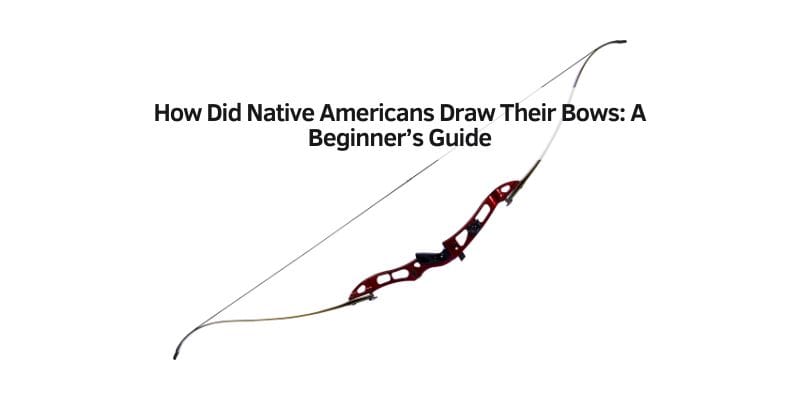
How Did Native Americans Draw Their Bows? 3 Techniques
“Drawing a bow” means pulling back the string to shoot an arrow, not sketching one. Native Americans used several different release techniques depending on tribe and purpose — the Mediterranean draw (2-3 fingers, common among tribes like the Yahi), the pinch draw (thumb and finger, fast for hunting on the move), and the thumb draw (favored by Plains tribes on horseback). Here’s how each worked, plus a step-by-step you can try yourself. For how the bows themselves were built — wood selection, sinew strings, and shaping tools — see our guide on how Native Americans made bows. For more on this, see our guide on How Do You Shoot Your Bow In Deaths Door Xbox.
What Does “Draw a Bow” Mean?
Drawing a bow means pulling back the string to shoot an arrow. For Native Americans, this was a key skill for hunting and fighting. They used bows made from wood, like mulberry or osage orange, and strings from plant fibers or animal sinew. It wasn’t just strength—it was about smooth moves and focus. This mattered because a good draw meant a fast, accurate arrow, whether for deer or defense.
Why Native American Archery Was Special
Native American archery was amazing because it was practical and precise. Tribes across the Americas, from the Sioux to the Cherokee, used bows tailored to their lands. For example, Plains tribes used short, sinew-backed bows for horseback hunting, while Eastern tribes used long self-bows for forest stalking. Their techniques were simple but effective, making them expert hunters and warriors.
How Did Native Americans Draw Their Bows?
Native Americans used different ways to draw their bows, depending on their tribe and purpose. Here’s a simple breakdown of their main techniques, based on historical records and my own tries at traditional archery.
Common Draw Styles
- Mediterranean Draw: Some tribes, like the Yahi, used two or three fingers to pull the string, with the arrow between the fingers. This is like how many modern archers shoot. It’s steady and great for aiming.
- Pinch Draw: Others pinched the arrow’s end between their thumb and finger. This worked well for quick shots, like hunting on the move. It’s tricky but fast
- Thumb Draw: Some tribes, especially in the West, pulled the string with their thumb, locking it with their index finger. This was great for short bows on horseback.
Step-by-Step: How to Draw a Bow Like a Native American
Want to try it? Here’s an easy guide to draw a bow using the Mediterranean style, which was common in some tribes. Always use a safe, soft-tipped arrow and practice in an open area!
- Stand Right: Face sideways, feet shoulder-width apart. Point your body toward the target.
- Grip the Bow: Hold the bow lightly with your non-dominant hand. Don’t squeeze too hard!
- Nock the Arrow: Slide the arrow’s notch onto the string. It should click in place.
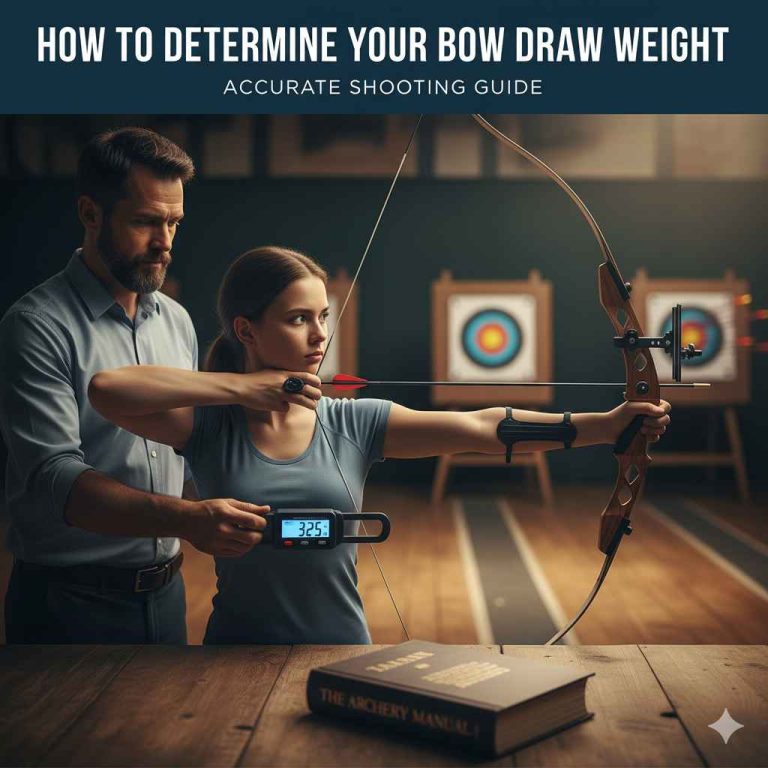
- Pull the String: Use two fingers (index and middle) to pull the string back smoothly. Keep your elbow up.
- Aim: Look at your target. Line up the arrow with your eye.
- Release: Let go gently. Don’t jerk your hand!
Tip: Practice without an arrow first to get the feel. My first try was a flop because I yanked the string too hard!
Best Pick From This Guide’s Own Chart
Samick Sage Takedown Recurve Bow, 25-60lb
The exact bow this guide’s own comparison table recommends for beginners trying these traditional draw techniques.
- Best for: beginners practicing the Mediterranean draw described in this guide
- Why we picked it: adjustable 25-60lb range grows with you as you build strength
- Main drawback: start at the lighter end of that range if you’re brand new
Compare more options
 Option 1 PSE Razorback Recurve Bow, 20#
|  Option 2 Sanlida Royal X8 Traditional Longbow, 35lb
|  Option 3 SAS Traditional Leather Arm Guard
|
As an Amazon Associate we earn from qualifying purchases.
Tools and Materials Needed
You don’t need much to start. Here’s a simple list, inspired by Native American bows:
- Bow: A beginner recurve bow (20-30 pounds draw weight). Try a brand like Samick Sage ($100-$150).
- Arrows: Wooden or fiberglass arrows with soft tips for safety.
- Arm Guard: Protects your arm from the string ($10-$20).
- Target: A foam target for practice ($30-$50).
Table 1: Comparing Beginner Bows
| Bow Type | Cost | Draw Weight | Best For |
|---|---|---|---|
| Samick Sage | $100-$150 | 20-30 lbs | Beginners |
| PSE Razorback | $120-$180 | 25-35 lbs | Teens |
| Traditional Longbow | $150-$200 | 30-40 lbs | Advanced |
Caption: This table compares affordable bows for trying Native American-style archery.

Benefits and Drawbacks of Native American Draw Techniques
Benefits
- Speed: Pinch and thumb draws were quick, perfect for hunting on horseback.
- Flexibility: Different draws suited different bows and situations.
- Silence: Bows were quiet, great for sneaking up on game.
Drawbacks
- Learning Curve: Pinch draws are hard to master without practice.
- Strength Needed: Some bows, like sinew-backed ones, needed strong arms.
- Weather Issues: Sinew strings could weaken in rain.
Personal Tips from My Archery Journey
When I started archery, I made tons of mistakes. Here are three tips to help you avoid them:
- Start Light: Use a low draw weight (20-25 pounds).
- Practice Form: Keep your elbow high when pulling. It feels weird but helps aim.
- Check Strings: Native Americans used strong sinew or plant strings. Make sure your string isn’t frayed.
Table 2: Common Mistakes and Fixes
| Mistake | Fix |
|---|---|
| Gripping bow too tight | Hold lightly, like a handshake |
| Jerking the string | Release smoothly, like letting go of a balloon |
| Bad stance | Stand sideways, feet apart |
Caption: This table shows simple fixes for beginner archery mistakes.
Try This Fun Project: Make a Mini Bow Model
Want to feel like a Native American bowyer? Build a mini bow model! It’s a fun, safe way to learn about their craft.
Materials
- Small stick (12 inches, flexible like willow)
- Strong thread or yarn
- Scissors
- Tape
Steps
- Find a bendy stick. Trim it to 12 inches.
- Notch each end slightly with scissors (ask an adult for help).
- Tie thread tightly to one end, bend the stick, and tie to the other end.
- Tape a straw as a fake arrow and “shoot” it gently.
Safety Tip: Don’t aim at people or pets. Use soft materials only!
Visual Idea: A simple diagram showing the stick, notches, and tied string would help. Another could show hand positions for the Mediterranean draw.
Alternative Approaches to Drawing a Bow
Native Americans sometimes used unique tricks. For example, Plains tribes held bows horizontally when shooting from horseback, making quick shots easier. Others used a “three fingers under” draw for better control with short bows. Try these if you’re feeling adventurous, but start with the Mediterranean draw for simplicity.

Frequently Asked Questions
How Did Native Americans Draw Their Bows Differently?
Each tribe had unique styles. Some used the Mediterranean draw with two fingers, others pinched the arrow or used their thumb for quick shots, especially on horseback.
What Were Native American Bows Made Of?
They used woods like mulberry, osage orange, or ash. Strings came from plant fibers like dogbane or animal sinew for strength.
How Strong Were Their Bows?
Most had a draw weight of 30-40 pounds, enough for hunting. Some sinew-backed bows reached 80 pounds for bigger game.
Could Kids Use Native American Bows?
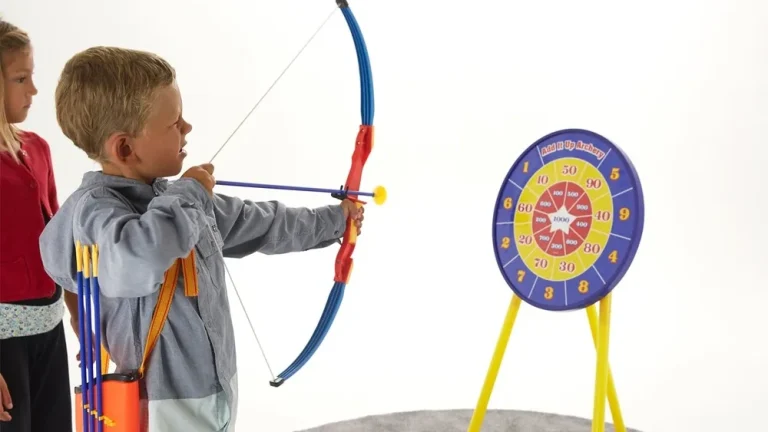
Yes, but they’d use lighter bows (20-25 pounds). Kids can try with modern recurve bows for safety and ease.
What Arrows Did They Use?
Arrows were wooden with flint or bone tips. They were light for speed and often fletched with feathers for accuracy.
How Can I Practice Safely?
Use soft-tipped arrows and a foam target. Practice in an open area, and wear an arm guard to avoid string slaps.
Why Did Some Tribes Use Short Bows?
Short bows were easier to use on horseback, especially for Plains tribes like the Sioux, for fast hunting or fighting.
Conclusion
Drawing a bow like a Native American is like stepping into history. From the Mediterranean draw to the pinch draw, their techniques were simple yet powerful. Try the steps above, start with a light bow, and maybe build a mini model for fun. You’ll feel the thrill of archery in no time! Share your tries or tips with friends, or check out Archery Historian for more. Grab a bow and give it a shot—it’s a blast!