How Did Indians Make Arrows?
Native American arrow makers cut straight shafts from cedar, ash, or dogwood, fitted stone or bone points, and fletched the back with hawk or turkey feathers bound in sinew. Get one material wrong — a warped shaft, a loose point — and the arrow won’t fly true, costing a hunt or a fight. This guide covers the materials, tools, and step-by-step process behind every part of a traditional arrow. Materials varied by people and region — the table below lists shaft woods, point materials and fletching by tribe, from Smithsonian and ethnobotany records.
The Importance of Arrows in Native American Life
Arrows weren’t just tools for Native Americans—they were lifelines. I remember reading stories about how tribes relied on them for hunting, protection, and even ceremonies. Each arrow was a piece of art, crafted with purpose. Hunters needed arrows to bring down game like deer or buffalo, which provided food, clothing, and tools. Warriors used them in battle, where precision could mean survival. Some tribes even used arrows in rituals, symbolizing strength or unity.
What struck me most was how much thought went into every arrow. They weren’t mass-produced like modern ones. Each one was made by hand, tailored to the user’s needs. The materials came straight from nature—wood, stone, feathers, and sinew. It’s humbling to think about how these craftsmen turned raw materials into something so precise and deadly. Let’s break down the process, step by step, to see how they did it. For the bow that paired with these arrows, see our guide on how Native American bows were made.
Gathering Materials: Nature’s Toolbox
The first step in making an arrow was finding the right materials. I learned that Native Americans were experts at using what the land provided. They didn’t have hardware stores, so they turned to forests, rivers, and plains. Every material had to be perfect, or the arrow wouldn’t fly straight.
Wood for the Shaft
The arrow’s shaft was usually made from wood. I was amazed at how picky craftsmen were about this. They’d choose straight, lightweight woods like cedar, ash, or willow. I once tried whittling a branch to see how tough it is to get a perfectly straight shaft—it’s not easy! They’d look for young, flexible branches without knots. These were cut in the spring or summer when the sap made them easier to work with. The wood was then dried for weeks to prevent warping. Imagine the patience that took!
Stone or Bone for the Arrowhead
Arrowheads are what most people picture when they think of Native American arrows. I’ve held a few in my hands, and they’re sharper than you’d expect! Tribes used materials like flint, obsidian, or chert to make them. These stones were chosen because they could be chipped into razor-sharp points. In some cases, bone or antler was used, especially if stone wasn’t available. Crafting an arrowhead was a skill called flintknapping, which I’ll talk about later. It’s like sculpting, but with way more precision.
Feathers for Fletching
Feathers gave arrows their spin, making them fly straight. I learned that tribes often used feathers from birds like turkeys, hawks, or eagles. Eagle feathers were especially prized, but they were sacred and often reserved for special arrows. The feathers were split carefully and attached to the shaft to create fletching. This part blew my mind—those feathers had to be perfectly balanced, or the arrow would wobble in flight.
Sinew and Glue for Binding
To hold everything together, Native Americans used sinew—dried animal tendons—and natural glues. Sinew was like their duct tape; it was strong and flexible. They’d soak it to make it pliable, then wrap it around the arrowhead or feathers to secure them. Glue was made from things like tree sap or boiled animal hides. I tried making a similar glue once, and let me tell you, it’s sticky business! These materials made sure the arrow stayed together, even after hitting a target.
Best Traditional Arrow-Making Pick
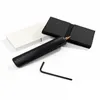
Essential Flint Knapping Kit
A US-made starter kit for shaping your own stone arrowheads using the same pressure-flaking technique described above.
- Best for: trying flintknapping yourself, the skill this guide calls “one of the coolest skills”
- Why we picked it: made in the USA, teaches the pressure-flaking technique the article walks through
- Main drawback: no raw flint or obsidian included — you’ll need to source stone separately
Compare more traditional arrow-making options
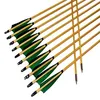 Option 1 TTFLY Traditional Wooden Arrows (12-Pack)
|  Option 2 Letszhu Real Turkey Feather Fletching Vanes
| 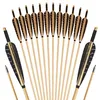 Option 3 Luoyer Handmade Wooden Arrows with Feathers
|
As an Amazon Associate we earn from qualifying purchases.
Arrow Materials by People and Region
These records come from Smithsonian National Museum of the American Indian museum specimens and from Native American Ethnobotany Database plant-use records, compiled by people and region rather than treated as one generic style. A blank cell means that particular record doesn’t state that detail — it is never a guess. Iron and brass points in museum records reflect 1800s trade goods; earlier arrows used stone and bone points (example record).
| Region/People | Shaft wood | Point material | Fletching | Binding/glue | Source |
|---|---|---|---|---|---|
| Apache | Wood (species not recorded); Reed | Iron; Stone | Feather | Sinew | Smithsonian NMAI |
| Chaticks Si Chaticks (Pawnee) | Toughleaf Dogwood (Cornus asperifolia); Green Ash (Fraxinus pennsylvanica) | not documented | Feather | Sinew | Smithsonian NMAI · NAEB |
| Kiowa | Nineanther Prairieclover (Dalea enneandra) | Iron | Feather | Sinew | Smithsonian NMAI · NAEB |
| Luiseno | Common Chamise (Adenostoma fasciculatum); Forked Sagewort (Artemisia furcata); Telegraphweed (Heterotheca grandiflora) | not documented | not documented | Common Chamise (Adenostoma fasciculatum) | NAEB |
| Mendocino Indian | Saskatoon Serviceberry (Amelanchier alnifolia); Coyotebrush (Baccharis pilularis); Birchleaf Mountain Mahogany (Cercocarpus montanus) +1 more | not documented | not documented | Wavyleaf Soapplant (Chlorogalum pomeridianum) | NAEB |
| Niuam (Comanche) | Toughleaf Dogwood (Cornus asperifolia) | Iron | Feather | not documented | Smithsonian NMAI · NAEB |
| Papago | Desertbroom (Baccharis sarothroides) | not documented | not documented | Goldenhills (Encelia farinosa) | NAEB |
| Pomo | California Hazelnut (Corylus cornuta); Giant Horsetail (Equisetum telmateia); Oceanspray (Holodiscus discolor) | Stone | not documented | not documented | Smithsonian NMAI · NAEB |
| Ponca (attributed) | Saskatoon Serviceberry (Amelanchier alnifolia); Toughleaf Dogwood (Cornus asperifolia); Green Ash (Fraxinus pennsylvanica) | Stone; Iron | Feather | not documented | Smithsonian NMAI · NAEB |
| Quinault | Scouringrush Horsetail (Equisetum hyemale) | not documented | Feather | Sinew | Smithsonian NMAI · NAEB |
| Sioux (attributed) | Wood (species not recorded) | Iron; Stone | Feather | Sinew | Smithsonian NMAI |
| Tsitsistas/Suhtai (Cheyenne) | Redosier Dogwood (Cornus sericea); Green Ash (Fraxinus pennsylvanica) | Stone; Iron | not documented | not documented | Smithsonian NMAI · NAEB |
Records for 55 more peoples are in the same collections (sources above).
Sources: Smithsonian National Museum of the American Indian Open Access records (americanindian.si.edu), Native American Ethnobotany Database (naeb.brit.org).
Where a Smithsonian record didn’t name the shaft wood, the Native American Ethnobotany Database (NAEB) adds documented plant-to-arrow uses:
| Plant | Used for | Peoples | Source |
|---|---|---|---|
| Saskatoon Serviceberry (Amelanchier alnifolia) | Wood used for arrow shafts. | Dakota, Flathead, Lakota +9 more | NAEB |
| Oceanspray (Holodiscus discolor) | Wood used to make arrows. | Kwakiutl, Southern, Nitinaht, Okanagan-Colville +5 more | NAEB |
| Green Ash (Fraxinus pennsylvanica) | Wood used to make bows and arrows. | Cheyenne, Dakota, Ojibwa +4 more | NAEB |
| Toughleaf Dogwood (Cornus asperifolia) | Stems used to make arrow shafts. | Comanche, Omaha, Pawnee +2 more | NAEB |
| Redosier Dogwood (Cornus sericea) | Branches used to make arrows. | Cheyenne, Flathead, Jemez +2 more | NAEB |
| Scouringrush Horsetail (Equisetum hyemale) | Used to polish arrow shafts. | Cowlitz, Klamath, Montana Indian +1 more | NAEB |
| Apacheplume (Fallugia paradoxa) | Stems used for arrows. | Hopi, Isleta, Keres, Western +1 more | NAEB |
| Common Chamise (Adenostoma fasciculatum) | Branches used to make arrows. | Cahuilla, Costanoan, Luiseno | NAEB |
| Giant Horsetail (Equisetum telmateia) | Used to polish arrow shafts. | Swinomish, Yuki, Pomo, Kashaya | NAEB |
| California Hazelnut (Corylus cornuta) | Wood used for arrow shafts. | Costanoan, Pomo, Kashaya | NAEB |
Crafting the Arrow Shaft: The Foundation
Once the materials were gathered, the real work began. The shaft was the backbone of the arrow, so it had to be perfect. I remember watching a demonstration where a craftsman spent hours on just one shaft. They’d start by peeling the bark off the wood. Then, they’d use stone tools or their hands to smooth it down. The goal was a straight, round shaft about 2 to 3 feet long, depending on the tribe and purpose.
To make sure it was straight, they’d heat the wood over a fire and bend it gently. I tried this myself, and it’s tricky—you have to know just how much heat to use. Too much, and the wood cracks; too little, and it won’t bend. Some tribes even used grooved stones to polish the shaft, giving it a smooth finish. The result was a lightweight, sturdy base ready for the next steps.

Shaping the Arrowhead: The Art of Flintknapping
Now, let’s talk about arrowheads. Flintknapping is the process of shaping stone into points, and it’s one of the coolest skills I’ve come across. I watched a flintknapper at a cultural festival, and it was like watching a magician. They’d take a piece of flint or obsidian and strike it with another stone or antler to chip away flakes. Each hit was precise, shaping the stone into a sharp, triangular point.
What amazed me was how they controlled the shape. They’d use pressure flaking—pressing with a bone or antler tool—to create fine edges. Some arrowheads were barbed for hunting, so the arrow wouldn’t slip out of the animal. Others were smooth for easier removal in warfare. The size varied too—small ones for birds, larger ones for big game like buffalo. I even tried knapping once, and I ended up with more cuts than progress! It takes years to master.
Attaching the Arrowhead: A Secure Fit
Once the arrowhead was ready, it had to be attached to the shaft. This part was crucial because a loose arrowhead would fall off mid-flight. Tribes would carve a small notch at the end of the shaft, just big enough for the arrowhead’s base. Then, they’d use sinew or plant fibers to wrap it tightly. I learned that some tribes heated the sinew to make it shrink as it dried, creating an even stronger bond.
Glue was often applied first to hold the arrowhead in place. I read about how they’d sometimes test the arrow by tapping it—if it wobbled, they’d start over. That attention to detail is what made their arrows so reliable. I can’t imagine the frustration of losing an arrowhead after all that work!
Fletching: Giving Arrows Flight
Fletching is what makes an arrow spin and fly true. I was surprised to learn how much science went into this. Tribes would take feathers, usually three, and split them down the middle. They’d trim them to a uniform size—about 4 to 6 inches long—and attach them to the shaft near the back end. The feathers were spaced evenly, often at 120-degree angles, to create balance.
They’d use sinew or glue to secure the feathers, sometimes adding decorative touches like colored thread. I saw some replica arrows with fletching so precise it looked machine-made. The feathers had to be from the same wing of the bird—left or right—to ensure the arrow spun consistently. It’s little details like that that make me appreciate the craft even more.
Finishing Touches: Personalizing the Arrow
What I love most about Native American arrows is how personal they were. Craftsmen would often add unique touches to identify their work. Some painted the shafts with natural dyes from plants or minerals. Others carved symbols or wrapped them with colored sinew. I saw an exhibit with arrows that had tiny beads woven into the fletching—gorgeous!
These markings weren’t just for show. They helped hunters or warriors know whose arrow hit the target, especially in group hunts. Some tribes believed certain designs brought good luck or spiritual protection. It’s like each arrow told a story about its maker.
Testing and Using Arrows
Once the arrow was complete, it wasn’t ready until it was tested. I learned that craftsmen would shoot their arrows at targets to check their flight. If it veered off, they’d adjust the fletching or straighten the shaft. It’s a lot like tuning a guitar—you keep tweaking until it’s perfect.
Arrows were used for different purposes, so their design varied. Hunting arrows were heavier, with broader heads to cause more damage. War arrows were lighter and faster, designed to penetrate. I read about tribes like the Apache who made specialized arrows for fishing, with barbed tips to catch fish in shallow water. The versatility was incredible.
Tools of the Trade
To give you a clearer picture, here’s a table of the main tools and materials Native Americans used to make arrows:
| Component | Material | Tool/Method | Purpose |
|---|---|---|---|
| Shaft | Cedar, ash, willow | Stone tools, fire | Forms the body of the arrow |
| Arrowhead | Flint, obsidian, bone | Flintknapping (stone, antler tools) | Creates sharp point for penetration |
| Fletching | Turkey, hawk, eagle feathers | Knife, sinew, glue | Stabilizes arrow in flight |
| Binding | Sinew, plant fibers | Hands, natural glue | Secures arrowhead and fletching |
This table shows how simple materials, combined with skill, created something extraordinary. I keep this in mind whenever I see an arrow in a museum—it’s not just an object; it’s a testament to human ingenuity.
The Cultural Significance of Arrow-Making
Beyond the practical, arrow-making was deeply cultural. I spoke with a Native American elder who explained that crafting arrows was often a communal activity. Elders would teach younger members, passing down techniques and stories. Some tribes held ceremonies before making arrows, asking for blessings from the spirits. It made me realize that arrows weren’t just weapons—they were symbols of survival, skill, and heritage.
In some cultures, arrows had spiritual meanings. For example, the Lakota saw them as a connection between the earth and sky. The act of making an arrow was a way to honor that bond. I find that so beautiful—it’s a reminder of how connected Native Americans were to their world.
My Own Experience Trying It
I couldn’t write about this without trying it myself, so I joined a workshop on traditional arrow-making. Let me tell you, it’s humbling! I struggled to shape a stone arrowhead—my chips were all over the place. Straightening the shaft was easier, but attaching the fletching? That was a nightmare. My feathers kept falling off! It gave me a whole new respect for the patience and skill of Native American craftsmen. If you ever get the chance to try it, do it—it’s a hands-on way to connect with history.
Why This Matters Today
Learning about how Native Americans made arrows isn’t just a history lesson—it’s a way to appreciate their resourcefulness. In a world of mass-produced goods, their craftsmanship stands out. I think it also reminds us to respect nature’s resources and use them wisely. Plus, it’s just cool to know how people made such effective tools with their hands and a few natural materials.
If you’re into archery or history, you might even want to try making your own arrows. There are workshops and online tutorials that teach traditional techniques. It’s a fun way to step into the past and feel the weight of history in your hands.

Conclusion
Exploring how Native Americans made arrows has been a journey of awe and respect for me. From choosing the perfect wood to shaping a deadly arrowhead, every step was a blend of skill, patience, and connection to nature. These weren’t just tools—they were extensions of the people who made them, each one carrying a story of survival and artistry. I hope you’re as inspired as I am by the ingenuity of Native American craftsmen. Next time you see an arrow in a museum or try your hand at archery, think about the hands that shaped it centuries ago. It’s a small but powerful reminder of human creativity and resilience. If you’re curious to learn more or try it yourself, go for it—it’s a craft worth celebrating!
FAQs
How Long Did It Take to Make an Arrow?
It depended on the craftsman’s skill and the materials. On average, it could take a few hours to a full day. Shaping the arrowhead was the most time-consuming part, especially for beginners like me! Experienced flintknappers could do it faster, but they still took their time to ensure quality.
What Types of Wood Were Best for Arrow Shafts?
Tribes preferred lightweight, straight woods like cedar, ash, or willow. These were flexible but strong, perfect for flying straight. They’d pick young branches and dry them carefully to avoid warping.
Why Were Feathers So Important for Arrows?
Feathers, or fletching, made the arrow spin in flight, like a bullet. This kept it stable and accurate. Without them, the arrow would wobble and miss the target. Tribes used specific feathers, like turkey or eagle, for the best results.
Did All Tribes Make Arrows the Same Way?
Not exactly. While the basic process was similar, different tribes used local materials and had unique styles. For example, Plains tribes made heavier arrows for buffalo, while woodland tribes made lighter ones for smaller game. The designs often reflected their environment and needs.
Can I Learn to Make Arrows Like Native Americans Did?
Absolutely! There are workshops, online videos, and books that teach traditional arrow-making. It’s challenging but rewarding. I tried it myself, and though my arrows weren’t perfect, it was a fun way to connect with history.